
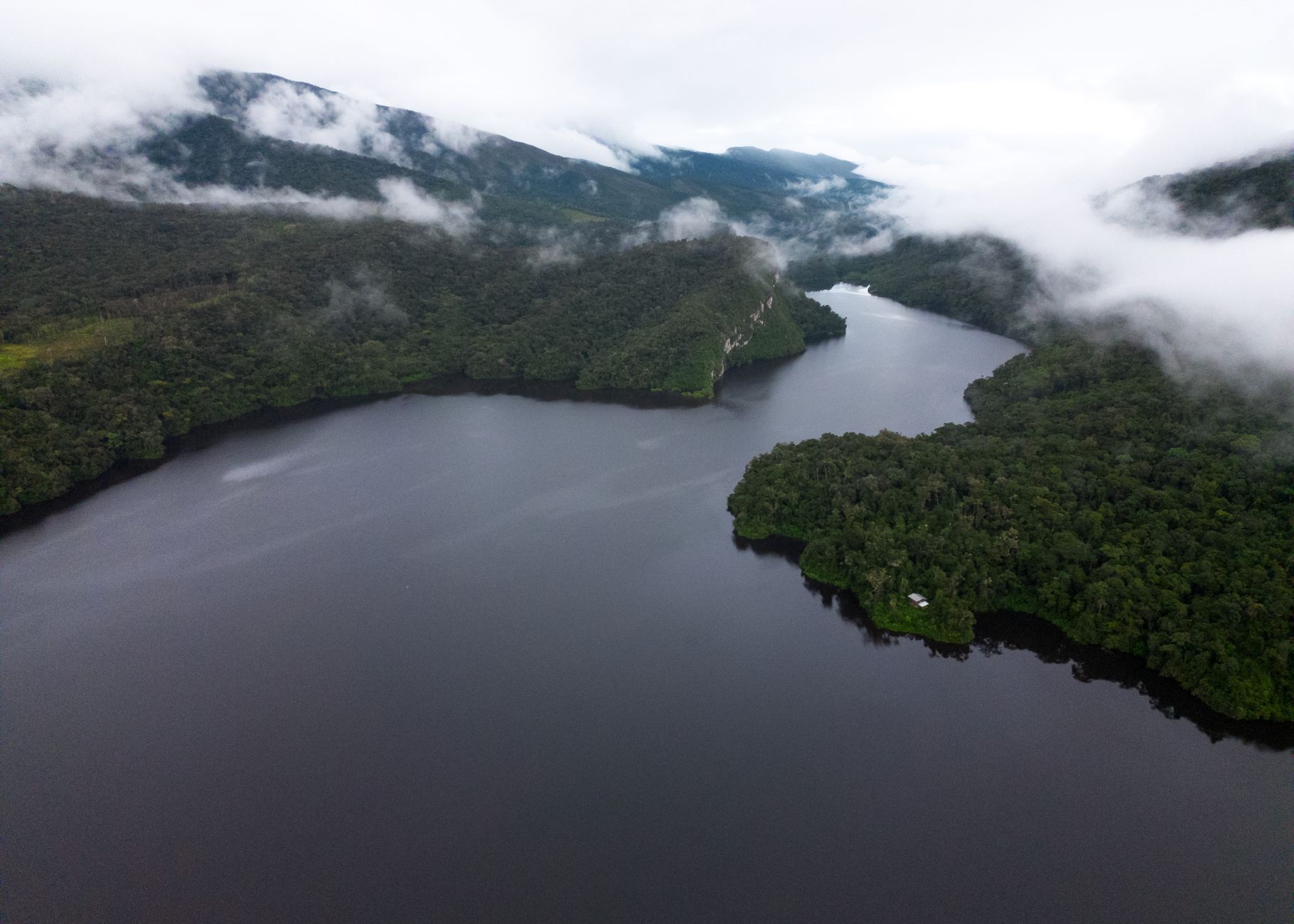
Beyond the Park Boundary: Why Rainforest Around Cordillera Azul Still Needs Protection
You’re looking at a map of the Peruvian Amazon. Rivers wind through a stretch of green, and a boundary marks
You’re looking at a map of the Peruvian Amazon. Rivers wind through a stretch of green, and a boundary marks
You’re scrolling through your phone when a photograph makes you stop. Where there should be a canopy of trees, there
The New Delhi Declaration calls for TFFF funding, but the test is actual commitments, safeguards and forest benefits.
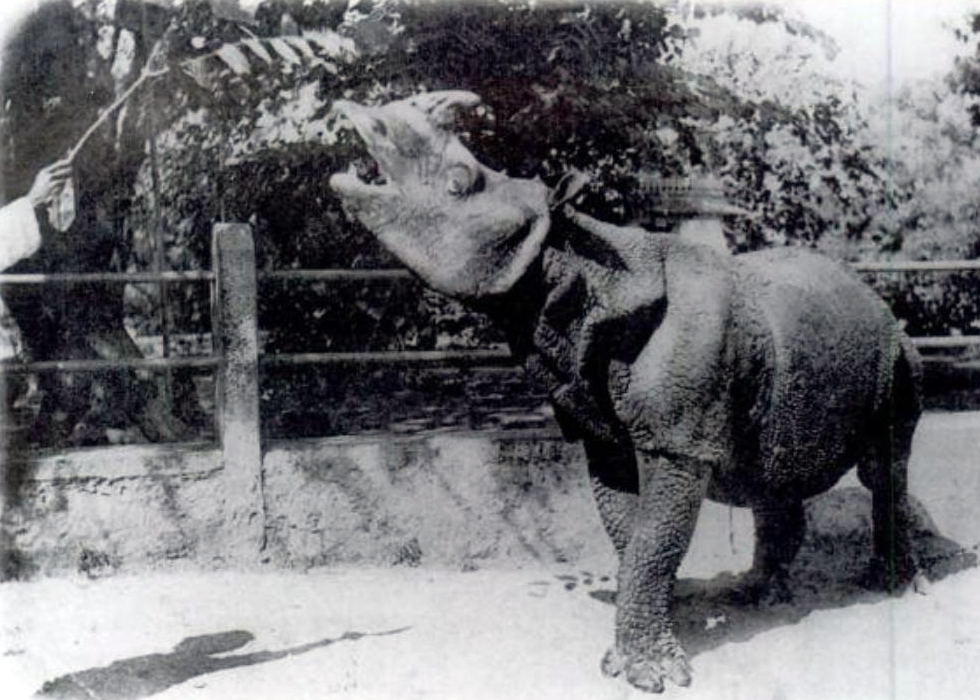
The latest checks are reassuring, but a species restricted to one coastal habitat remains vulnerable.

A new UN report shows why forest protection belongs in food-security policy, not only in climate and biodiversity plans.
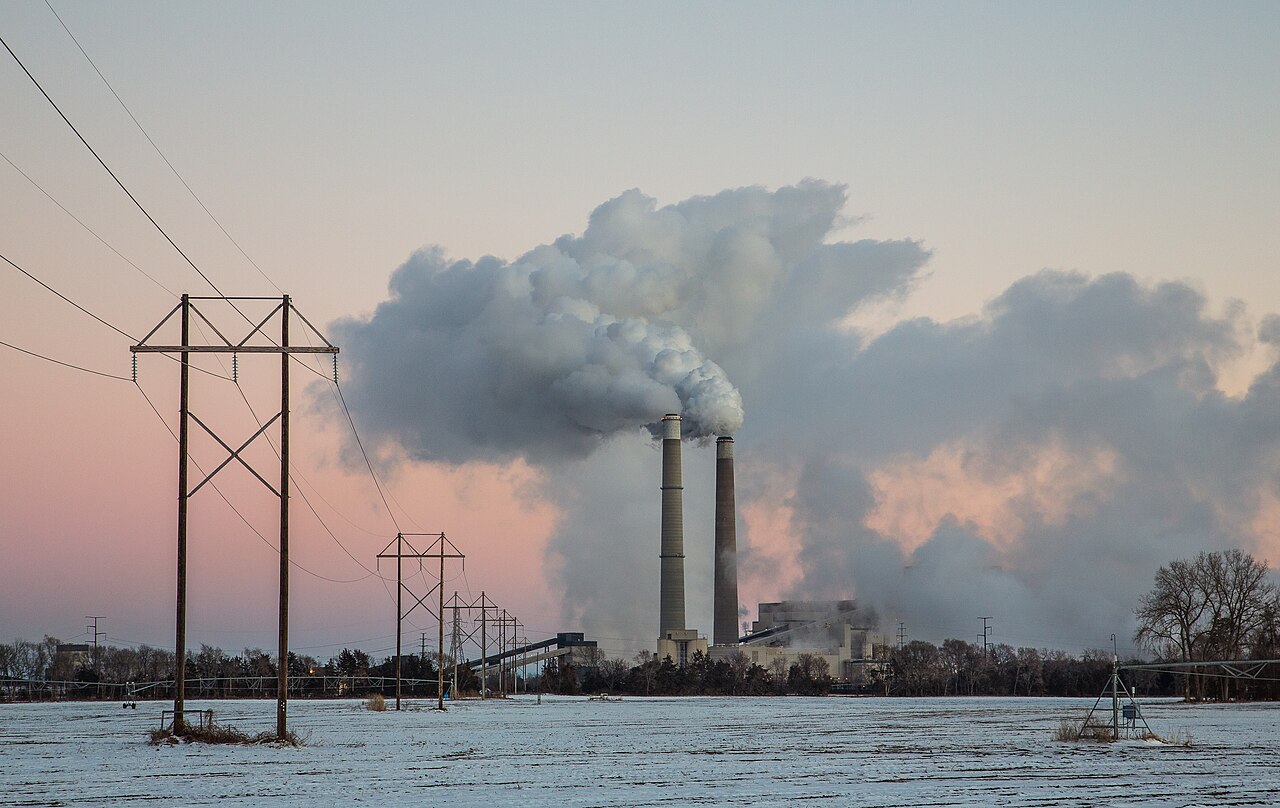
EPA’s September 14 action includes a final partial repeal and a separate proposal concerning remaining GHG standards.
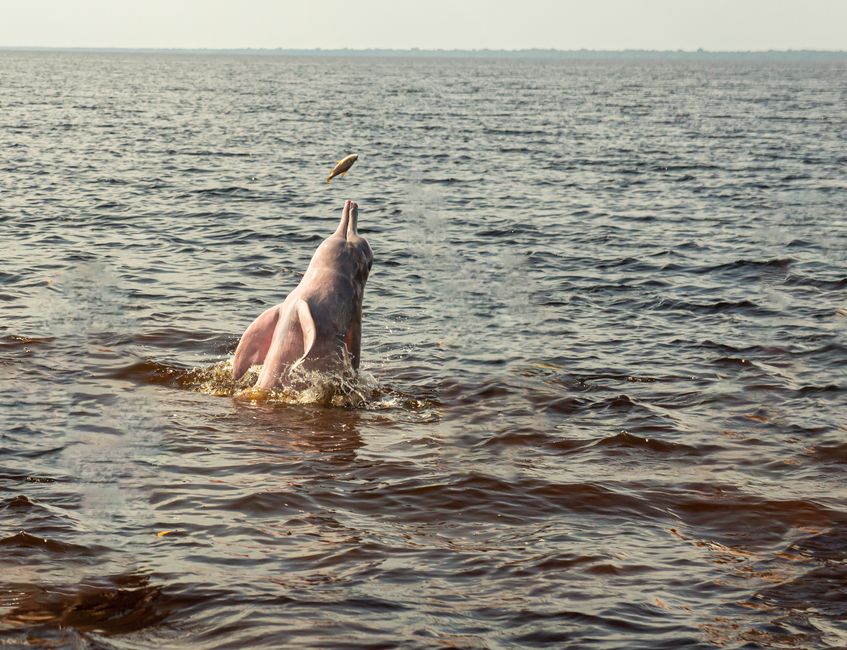
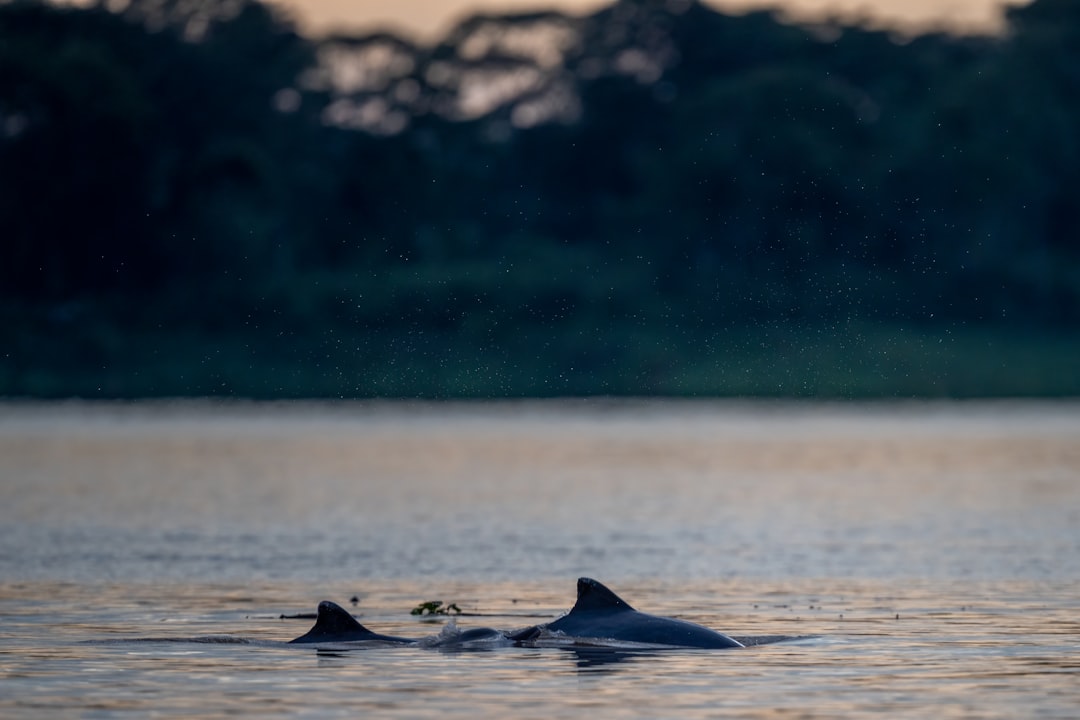
Meet 8 extraordinary animals of the Amazon River, from pink dolphins and giant otters to electric eels and mata mata turtles. Discover their surprising adaptations and the conservation work keeping them alive.
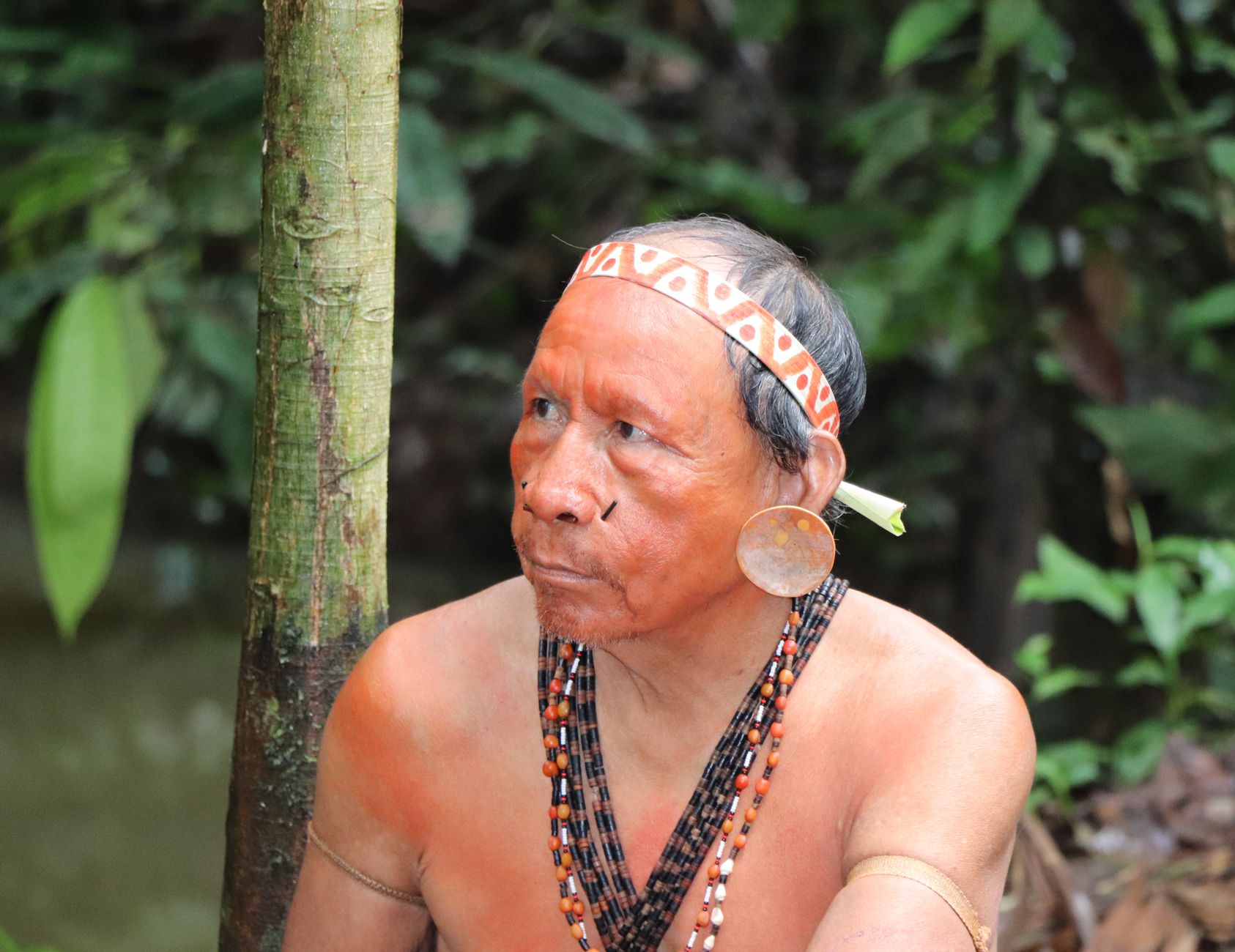
The Huaorani people of the western Amazon possess centuries of forest knowledge. Learn about their territory, land rights victory, and role as rainforest guardians.
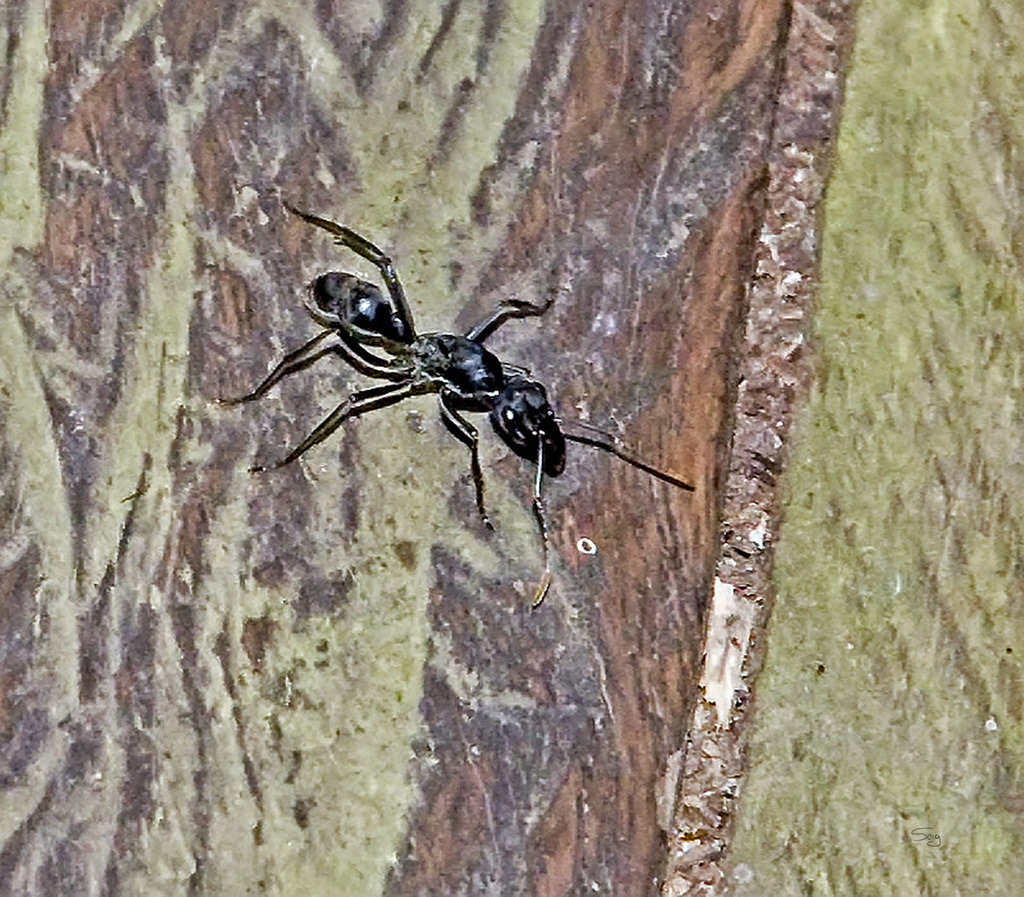
The bullet ant delivers the most painful insect sting on Earth. Discover what makes its venom so potent, its role in Sateré-Mawé ritual, and why it depends on intact rainforest.
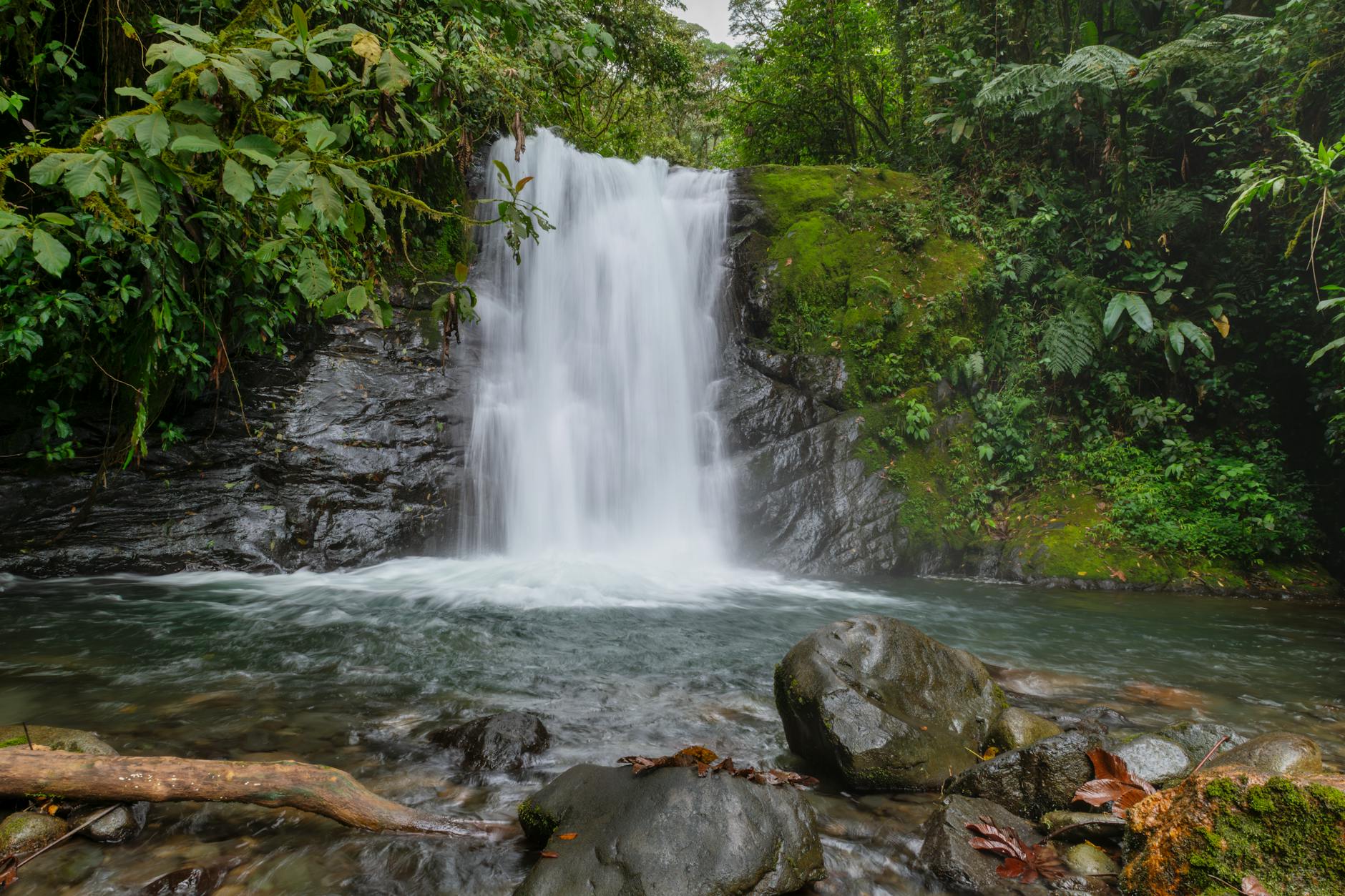
Costa Rica cloud forests are among the most biodiverse ecosystems on Earth. Learn what makes these misty high-elevation forests unique and why their protection matters.
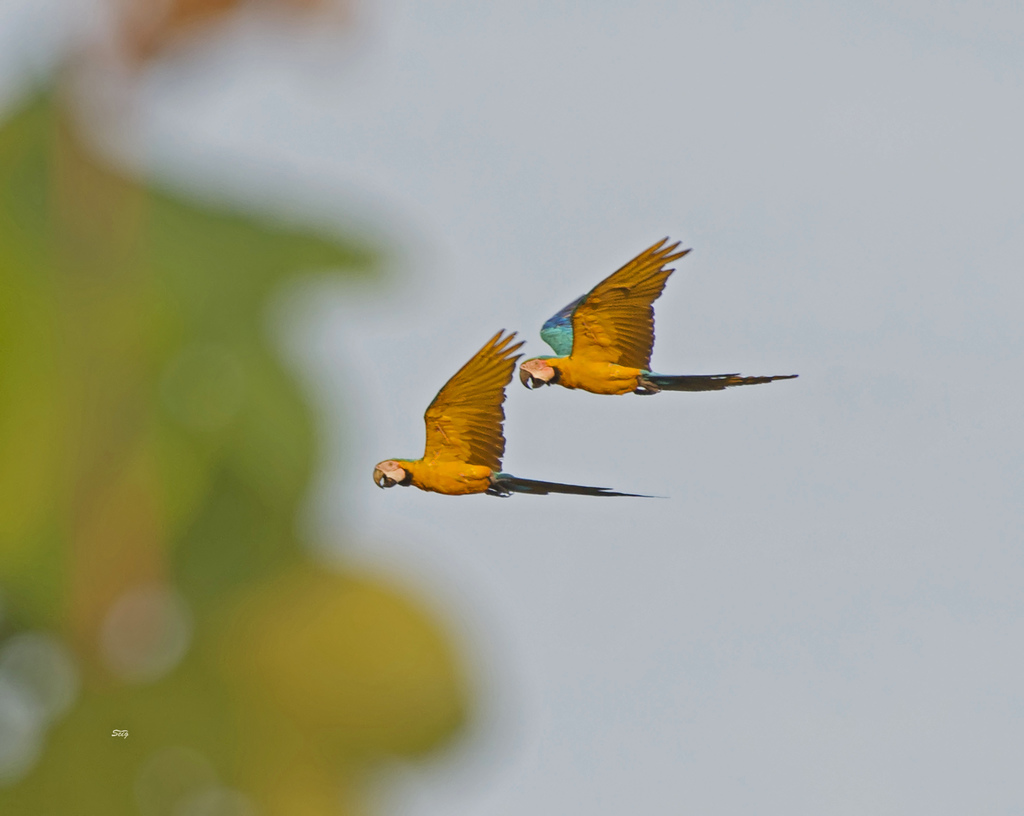
The blue-and-yellow macaw is one of the Amazon’s most recognizable birds. Discover its range, nesting habits, and why it matters to rainforest conservation.
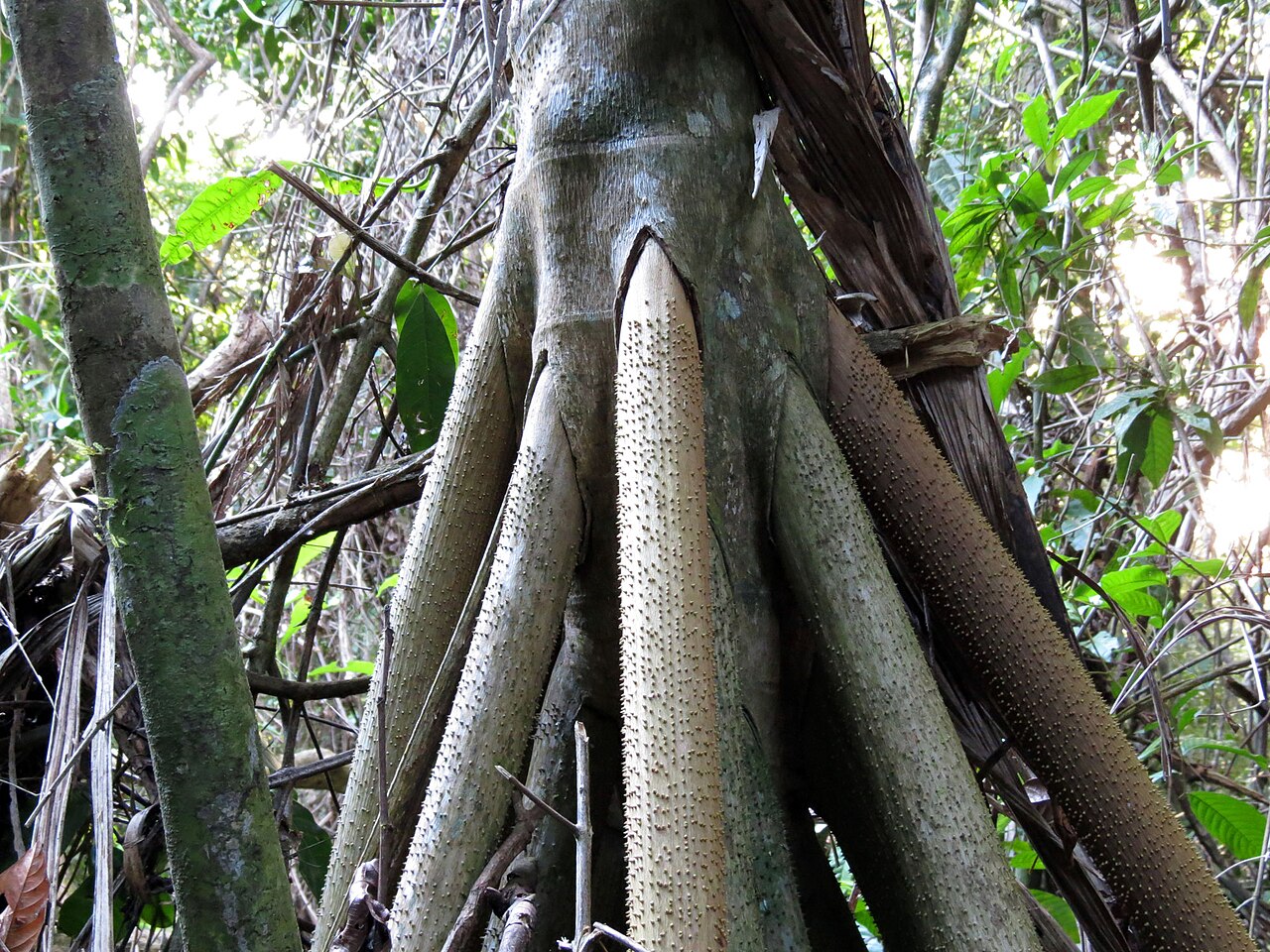
The walking palm tree is said to move across the rainforest floor. Is the myth true? Discover what science says about this Amazon icon and its remarkable stilt roots.

Explore why the Monteverde cloud forest depends on mist, how cloud water supports biodiversity, and what it teaches about protecting climate-sensitive ecosystems.
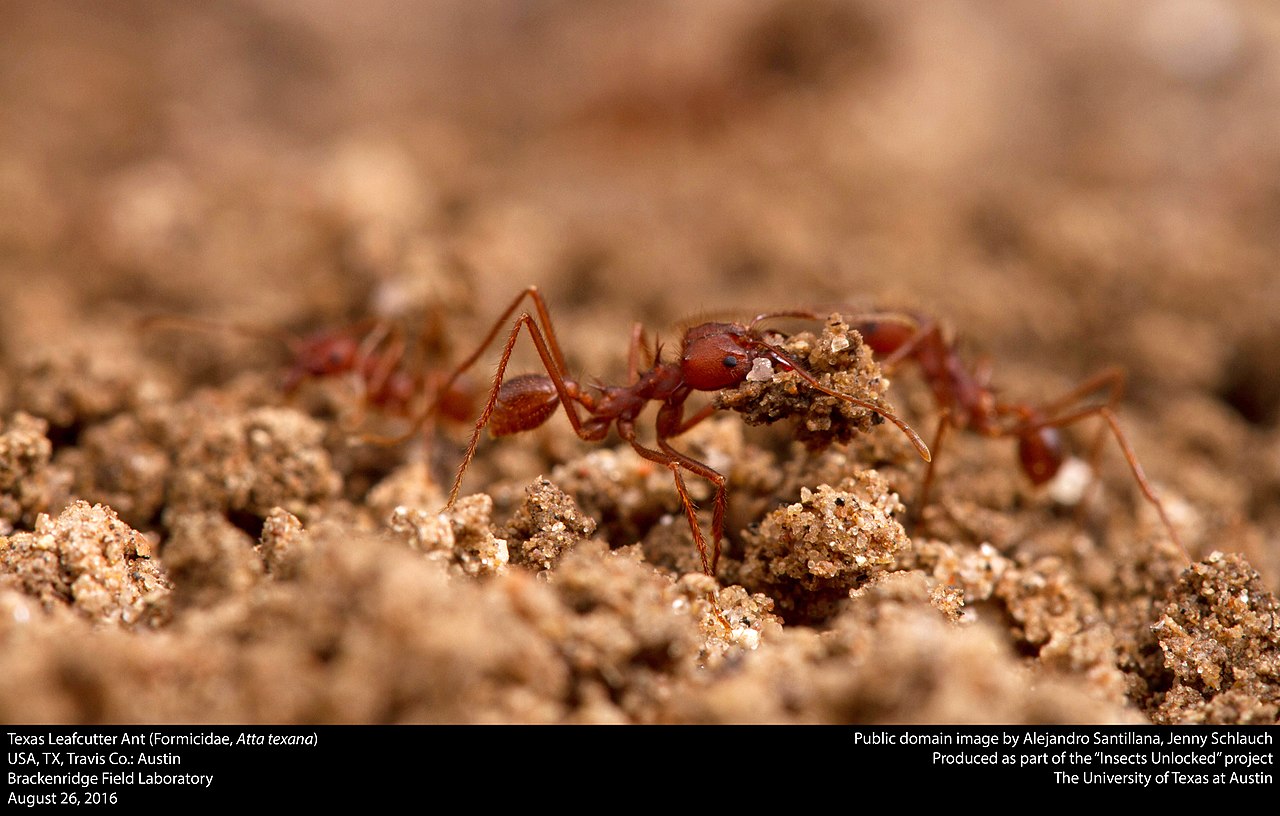
Meet leafcutter ants, rainforest farmers that grow fungus, move nutrients through forest soil, and show why Amazon biodiversity runs deeper than the canopy.
Learn what the Amazon Basin is, why its 7 million square kilometers matter for climate, biodiversity, and people, and what threats it faces today.
 EN EN
EN EN  DE
DE