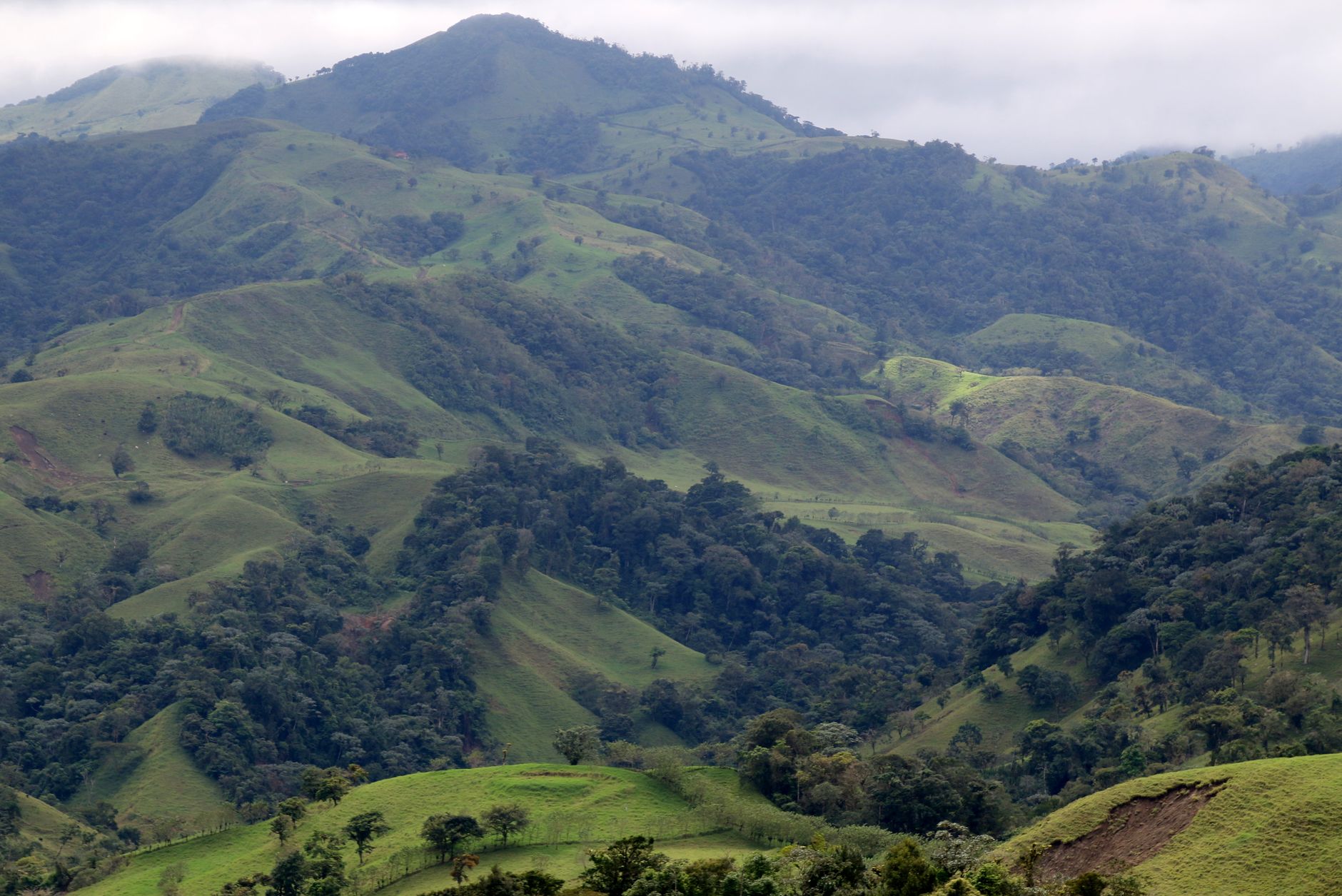
Walk into a Costa Rica cloud forest and the first thing you notice is not the view, but the air itself. It clings. Every leaf drips, every branch wears a thick sleeve of moss, and the forest hums with the quiet, constant presence of water suspended between earth and sky. Cloud forests occupy less than 1% of the planet’s land surface, yet they hold a concentration of life that rivals the richest lowland rainforests.
How a Cloud Forest Actually Works
A cloud forest is not just a rainforest at a higher elevation. The defining feature is horizontal precipitation: clouds and fog that move through the vegetation, condensing directly onto leaves, branches, and moss. Trees do not just receive rain from above. They pull moisture from the air around them.
In Costa Rica, cloud forests typically form between 1,200 and 2,500 meters above sea level, where warm Caribbean air rises and cools against the Tilaran mountain range. The result is near-permanent humidity, with some areas receiving the equivalent of 1,500 millimeters of additional water each year from fog alone, according to research from the Monteverde Institute.
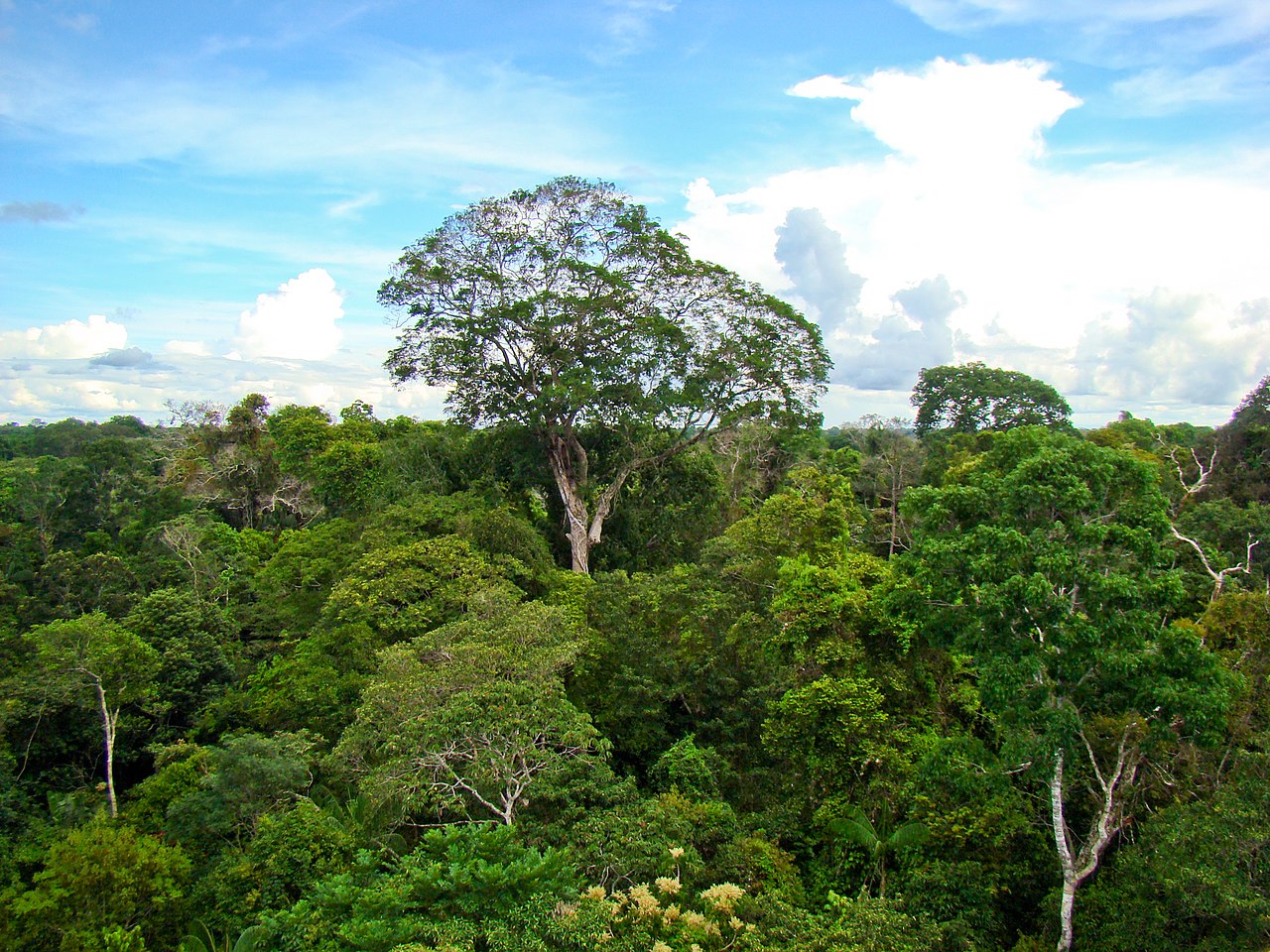
The difference from lowland Amazon rainforest is stark. Where the Amazon breathes in cycles of wet and dry seasons over flat, sprawling terrain, a cloud forest lives inside a single continuous weather event. The temperature is cooler, the soil thinner, and the canopy lower and more wind-sculpted. Both ecosystems are extraordinarily biodiverse, but they solve the problem of survival differently.
A Greenhouse Without a Roof
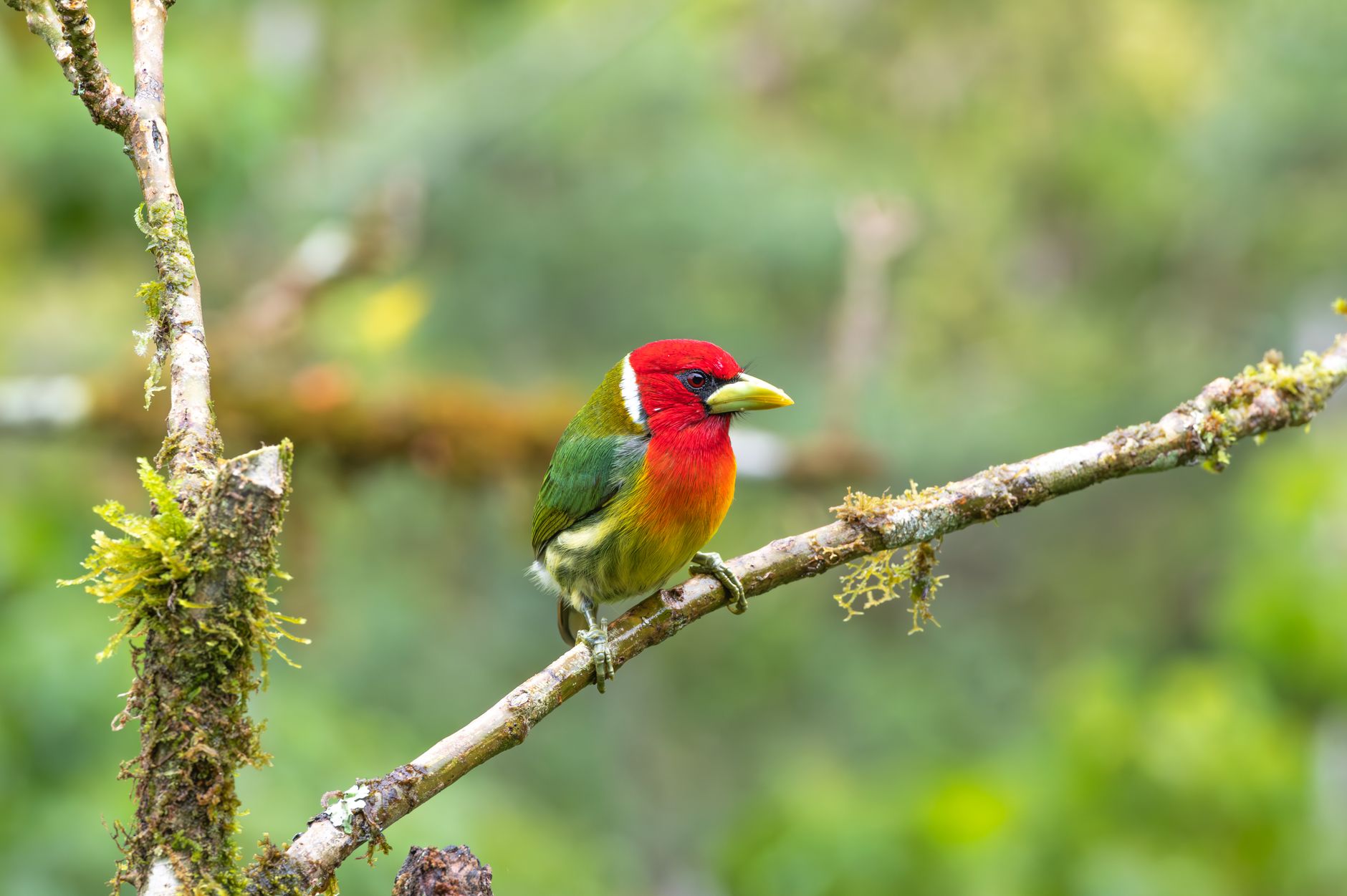
Cloud forests are famous among botanists for their epiphyte density. Epiphytes are plants that grow on other plants without taking nutrients from them. In a Costa Rica cloud forest, a single horizontal branch can host dozens of orchid species, bromeliads, ferns, and mosses, all trapping water and decaying into miniature soil mats suspended in the canopy.
Monteverde alone holds more than 500 orchid species, with new ones still being catalogued. The forest is also home to the resplendent quetzal, a bird whose iridescent tail feathers once held ceremonial value across Mesoamerica, and to all six species of cat native to Costa Rica, including jaguar, puma, and ocelot.
This kind of layered abundance is what makes the cloud forest unique. The ecosystem crams more forms of life into a smaller vertical space than almost anywhere else. A Smithsonian Institution study of tropical montane cloud forests found that while they cover less than 0.3% of Earth’s land, they are home to a disproportionately high share of endemic species found nowhere else.
Why Costa Rica Cloud Forests Are Under Pressure
For all their richness, Costa Rica cloud forests are fragile. Their narrow elevation band means they have nowhere to move when temperatures rise. As climate patterns shift, the cloud base lifts. The very mist that defines the ecosystem begins to thin or disappear entirely at lower elevations, drying out the forest from below.
Scientists at Monteverde have already documented amphibian declines linked to shifting cloud patterns. The golden toad, once a symbol of Costa Rica’s cloud forests, has not been seen since 1989. Researchers believe changing mist frequency played a role in its extinction.
Deforestation for agriculture has been a slower pressure in Costa Rica than in many Amazon countries, thanks to decades of conservation policy. But the cloud forest remains vulnerable at its edges, where pastureland creeps upward and fragments the habitat that wide-ranging species like the jaguar depend on.
What happens in a Costa Rica cloud forest is connected to larger rainforest systems. Protecting any tropical forest helps stabilize regional climate patterns that sustain forests thousands of miles away. The World Wildlife Fund has consistently identified the broader Mesoamerican forests as a priority for biodiversity protection, alongside the Amazon.
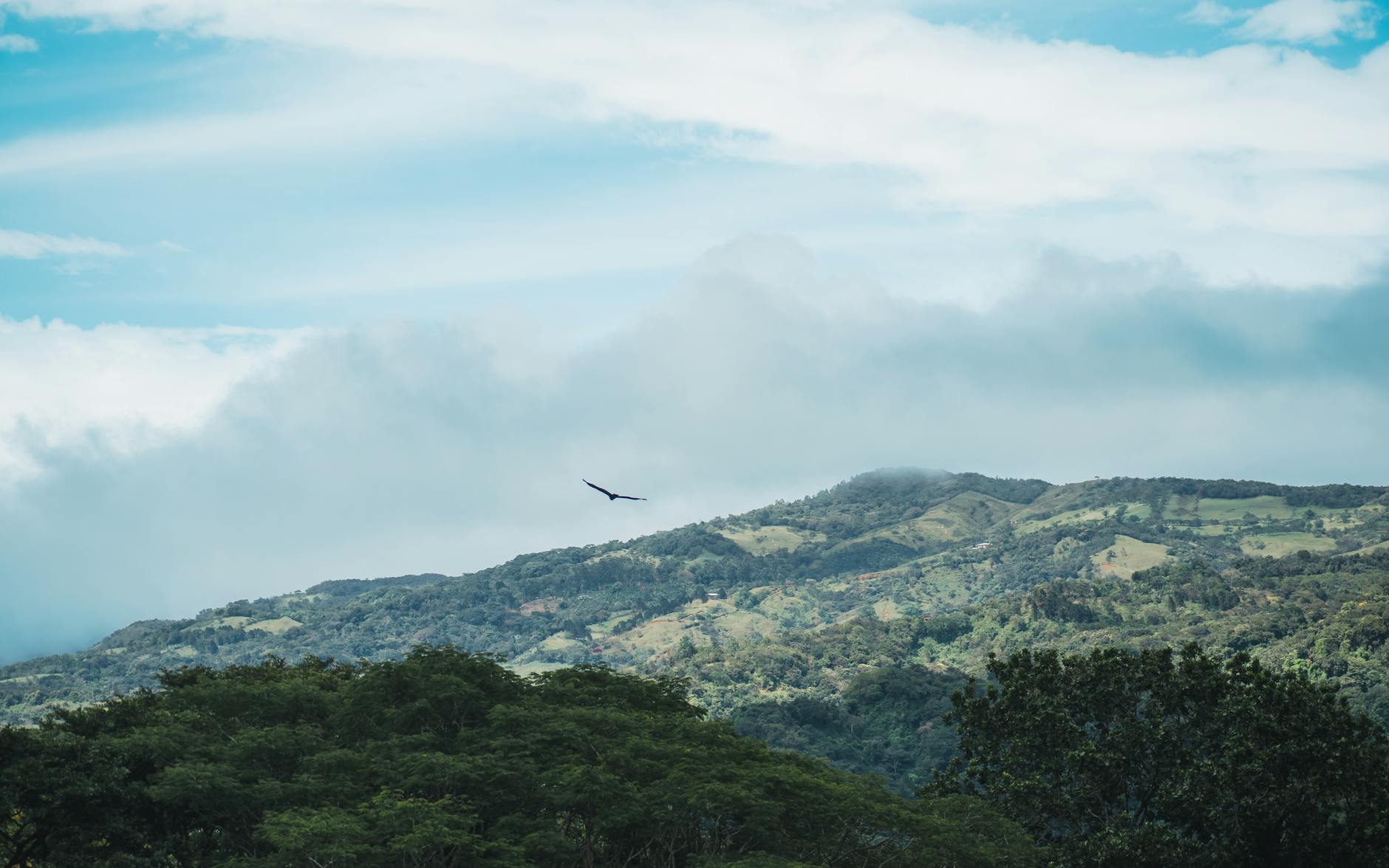
As one of the most biodiverse places on the planet, the Tropical Andes shares the same elevational vulnerability found in Costa Rica’s cloud forests. The same principle applies across rainforests worldwide. A single square meter of rainforest floor condenses an entire living world into a space smaller than your desk. Protecting these ecosystems, whether cloud forest or lowland rainforest, is not a matter of choosing one over the other. It is a matter of understanding that biodiversity hotspots are connected by the same atmospheric systems that keep the planet breathing.
The Costa Rica cloud forest is a reminder that some of the most important ecosystems on Earth are not the largest ones. They are the narrowest bands of altitude, the steepest slopes, the places where the clouds touch the ground and life crowds into every drop.