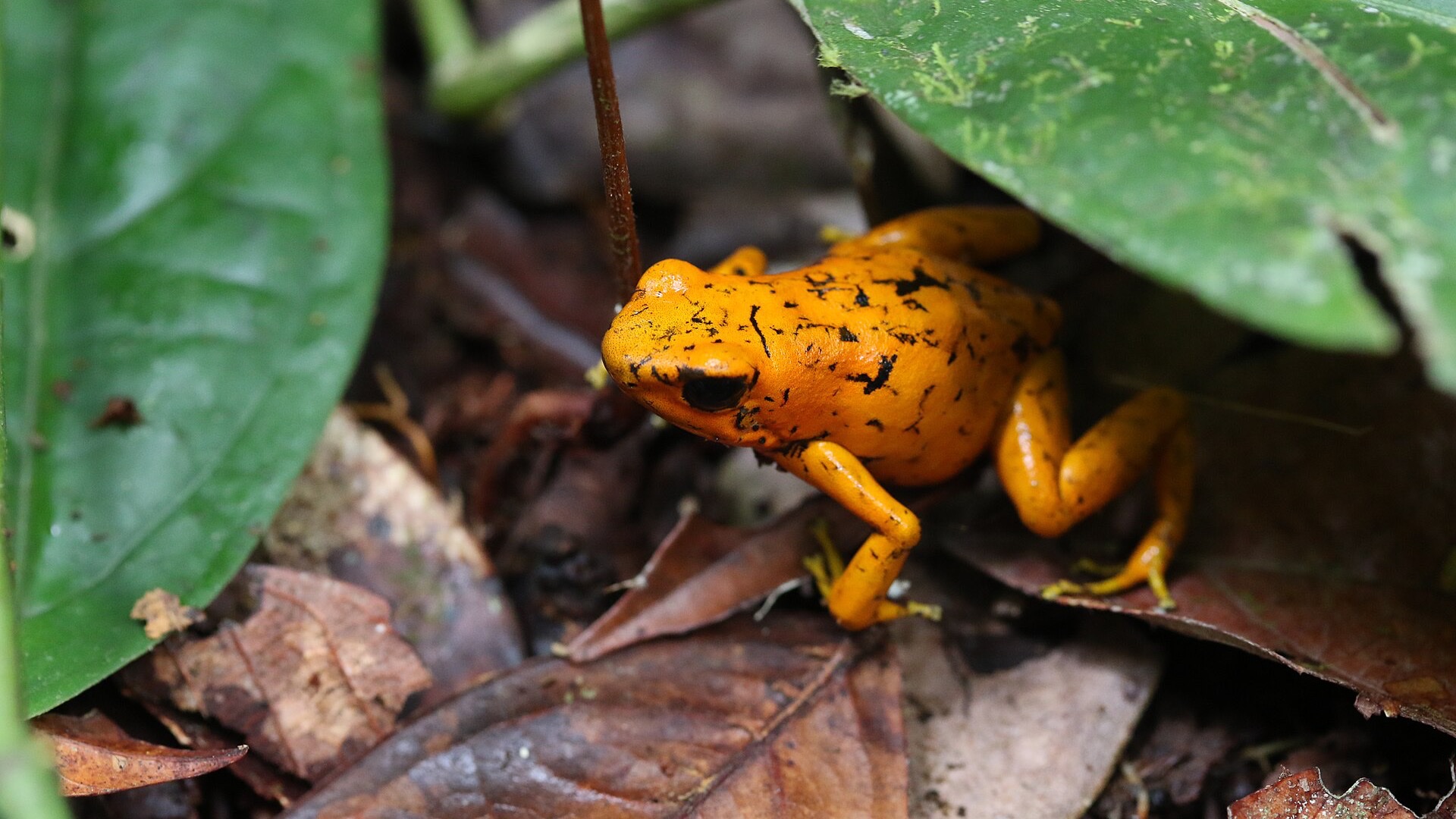
Soy, Palm Oil, Beef, and Timber: The Four Commodities Driving Rainforest Loss
Soy, palm oil, beef and timber can drive rainforest loss. See how each supply chain works and what credible traceability looks like.
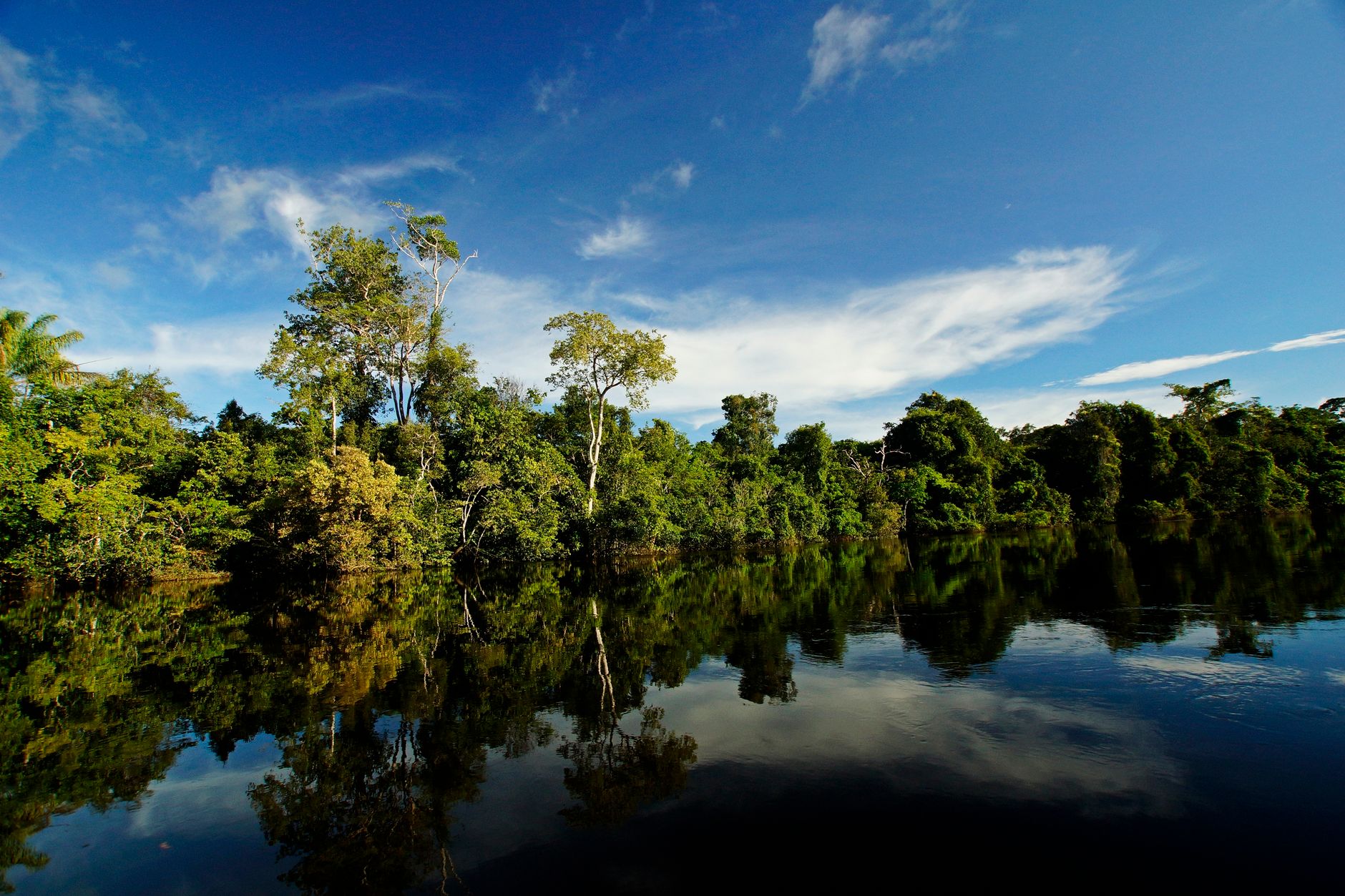
The Amazon is a vast living system of forests, rivers and wildlife. Its connected landscapes help sustain biodiversity, influence rainfall and play a part in climate regulation. Explore the people, places and protection that help keep this forest standing.
The Amazon is not simply a large collection of trees. It is a living network of forests, rivers, soils, wildlife and human communities, each shaping the conditions around the others.
Connected forest helps move moisture, sustain habitats and give species room to feed, reproduce and respond to change. That is why the Amazon matters far beyond any single river, animal or patch of canopy: its strength comes from the whole system working together.
The Amazon is rarely damaged by one pressure at a time. Road expansion can open previously remote forest to clearing, illegal logging and mining. Fragmentation then divides habitats and makes the remaining forest harder to protect.
Conservation therefore cannot stop at a scenic view or a single species. It must protect connected forest landscapes and recognise the people whose lives and knowledge are tied to them.
Fund The Planet works in the Peruvian Amazon to protect endangered rainforest land for the long term. By acquiring land and securing it for conservation, We create protected nature reserves where existing forest can remain intact. This approach focuses on protecting the forest that is already there, together with the ecosystems it supports.
With a Fund The Planet membership, you can support a growing personal nature reserve in the Peruvian Amazon. Your protected area is visible in the Rainforest Explorer, where you can follow its growth over time. It is a direct, traceable way to take part in long-term rainforest protection from wherever you are.

Soy, palm oil, beef and timber can drive rainforest loss. See how each supply chain works and what credible traceability looks like.

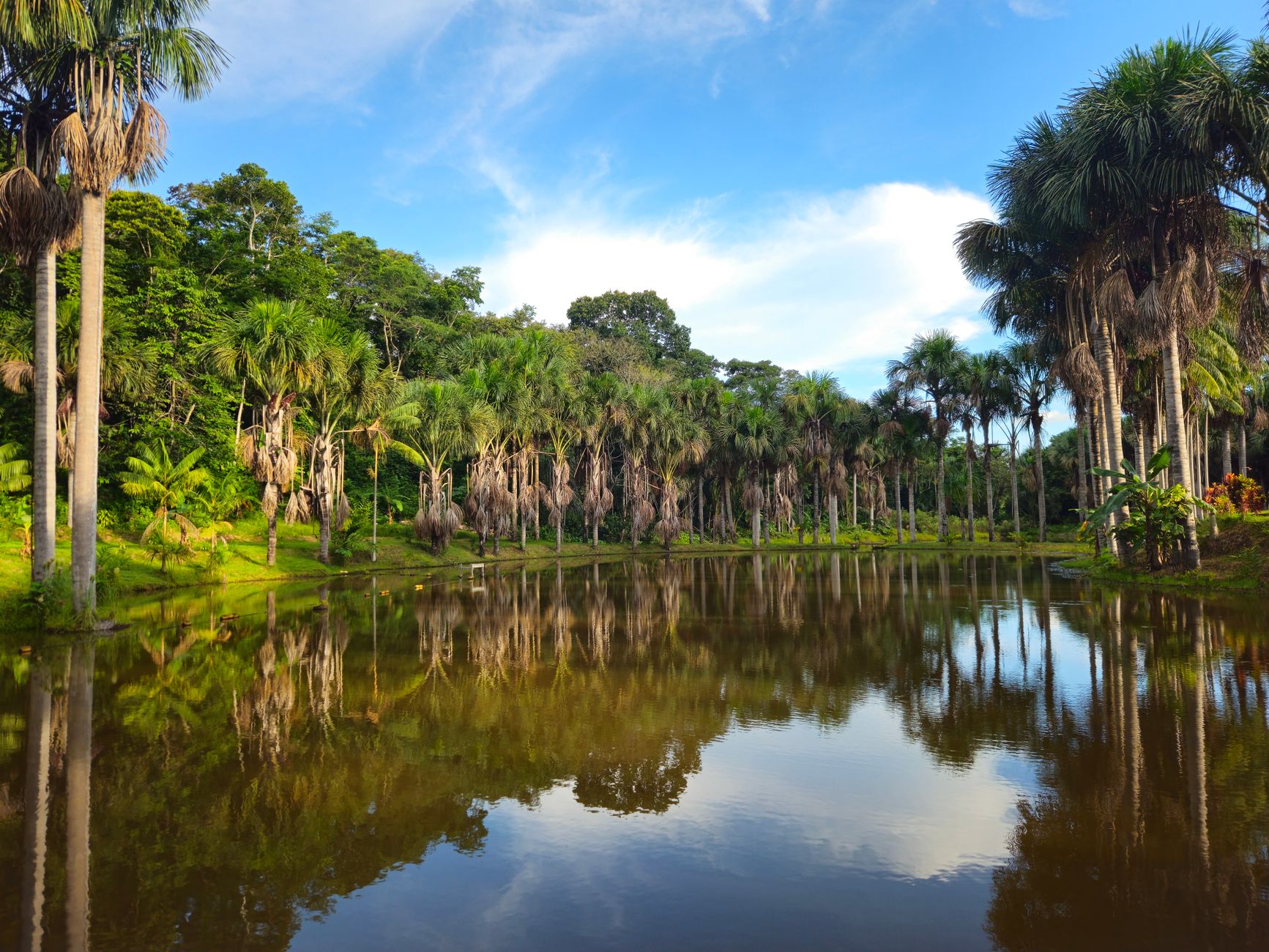
Illegal gold mining is damaging forests and rivers across the Peruvian Amazon. See the evidence, the mercury risk and why protection matters.
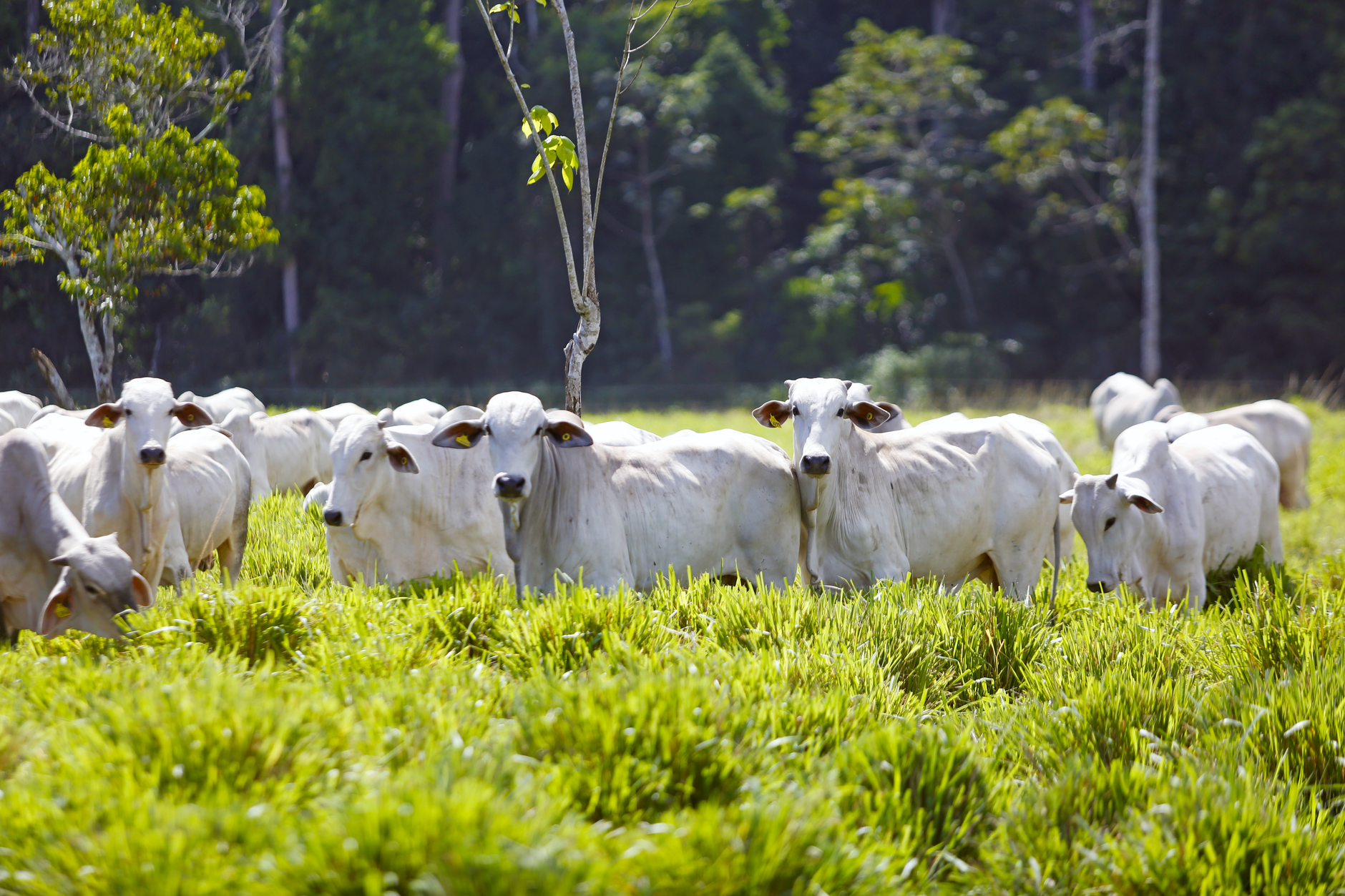
Beef supply chains can drive Amazon forest conversion. Learn why cattle traceability and deforestation-free sourcing matter.
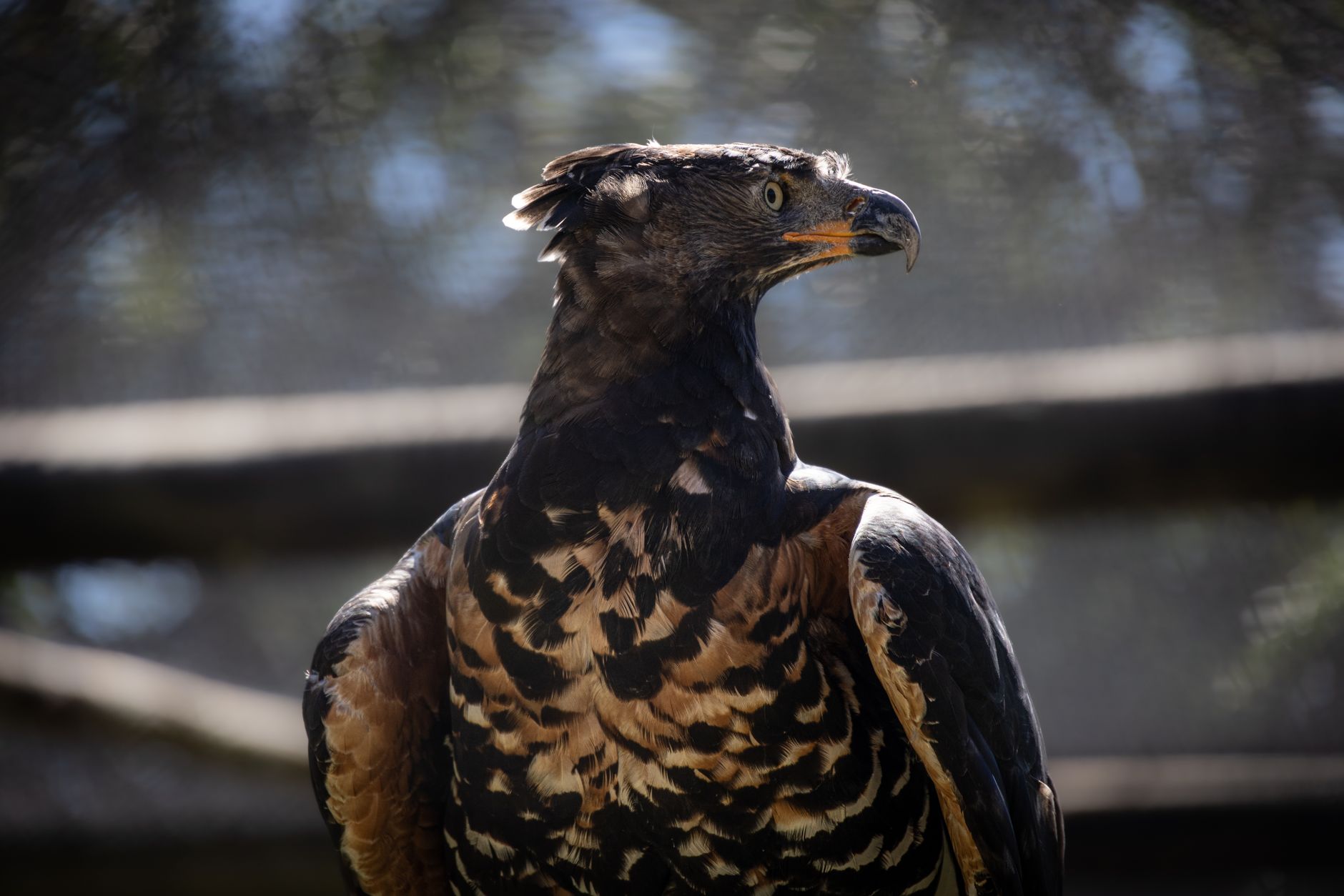
See how plants, herbivores, seed dispersers, and predators connect in the Amazon food web, and why deforestation breaks those links.
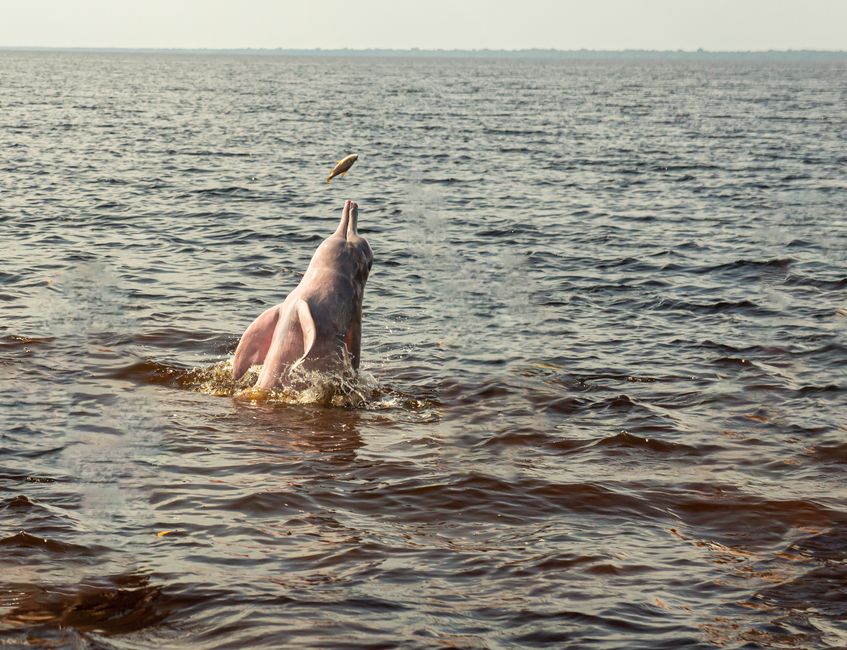
Meet 8 extraordinary animals of the Amazon River, from pink dolphins and giant otters to electric eels and mata mata turtles. Discover

The blue-and-yellow macaw is one of the Amazon’s most recognizable birds. Discover its range, nesting habits, and why it matters to rainforest
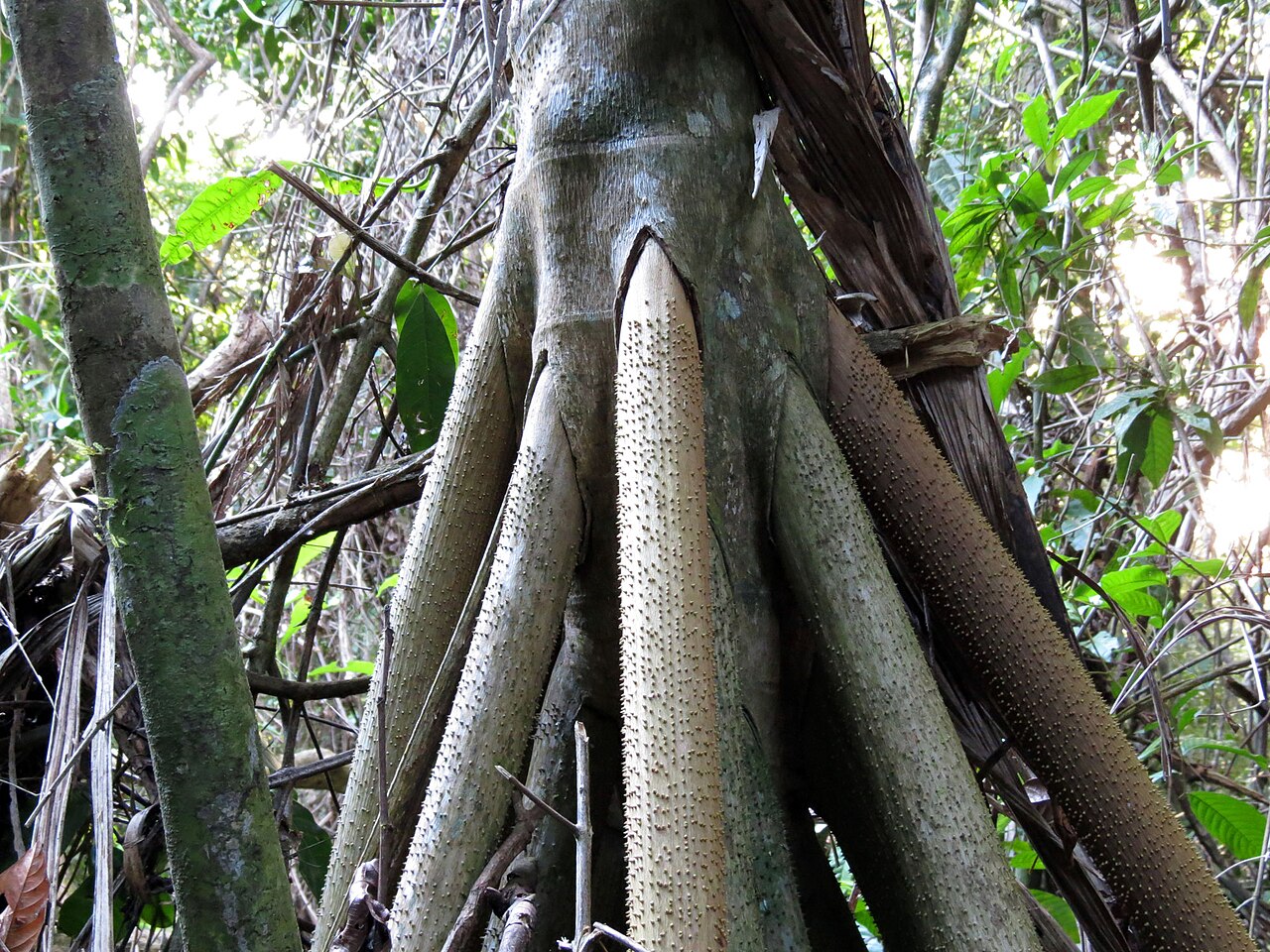
The walking palm tree is said to move across the rainforest floor. Is the myth true? Discover what science says about this
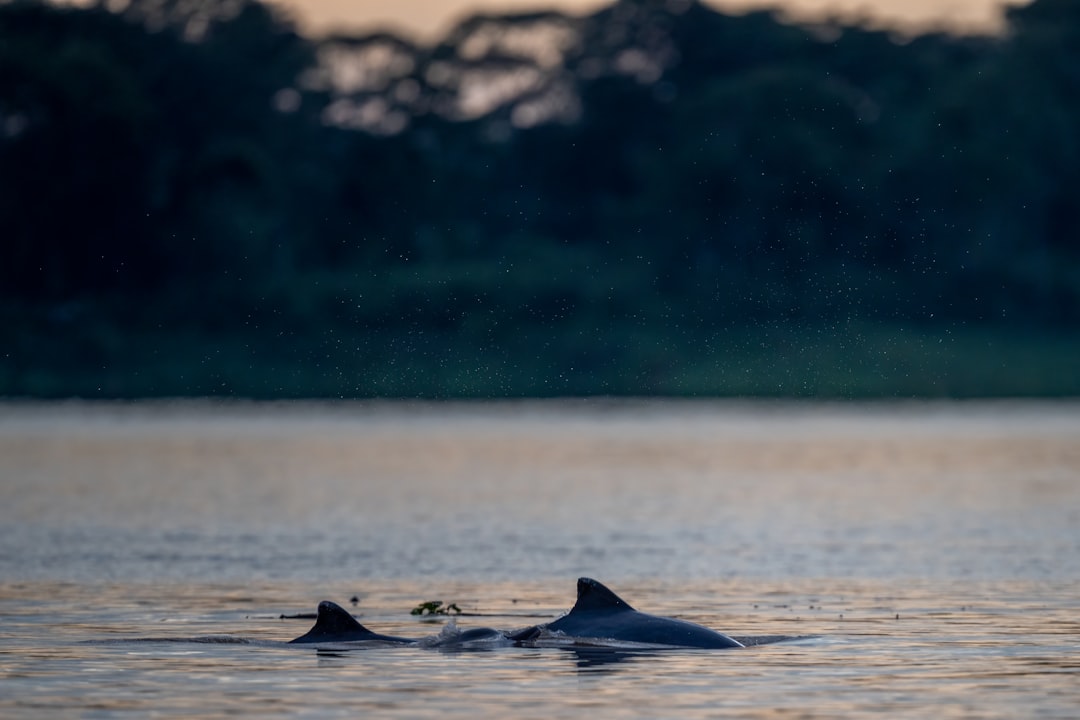
Learn what the Amazon Basin is, why its 7 million square kilometers matter for climate, biodiversity, and people, and what threats it

Scarlet macaws visit Peru’s clay licks for minerals, social cues, and survival. Learn how Tambopata’s riverbanks reveal rainforest ecology in action.
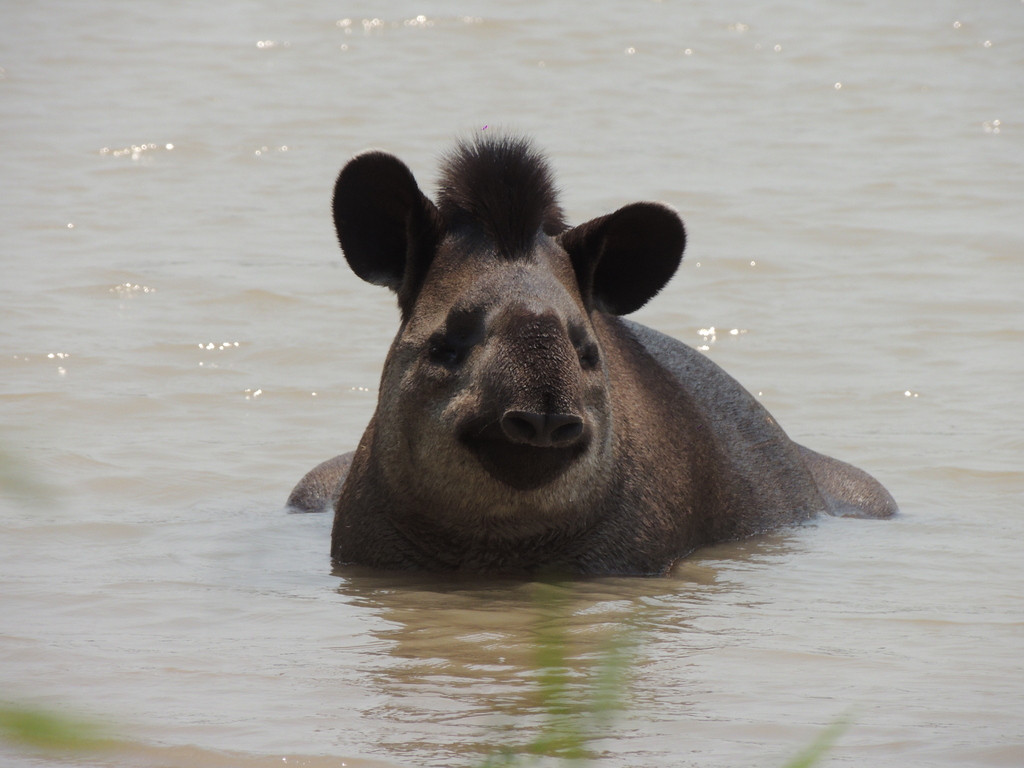
Lowland tapirs move seeds through Amazon forests, helping regeneration after disturbance. Learn why this Vulnerable mammal matters for rainforest recovery.