How much of the Amazon rainforest is protected? The honest answer depends on what we mean by protected, which map we use, and whether we are counting legal designation, Indigenous territory, or conservation that is working on the ground. There is no single percentage that answers every version of the question.
RAISG’s Amazonia 2023 publication offers one useful regional measure: protected natural areas and Indigenous territories together represent 49% of the Amazonian region. That is a major conservation footprint, but it is not the same as saying that 49% of the forest has identical legal protection. The categories overlap, the rules differ across the Amazon’s countries, and some areas face serious pressure despite formal recognition.
The first problem is the word protected
The IUCN definition describes a protected area as a clearly defined geographical space that is recognised, dedicated, and managed through legal or other effective means to achieve the long-term conservation of nature, with associated ecosystem services and cultural values. The definition contains three ideas that are easy to lose in a headline: the place must be defined, conservation must be the purpose, and management must exist in practice.
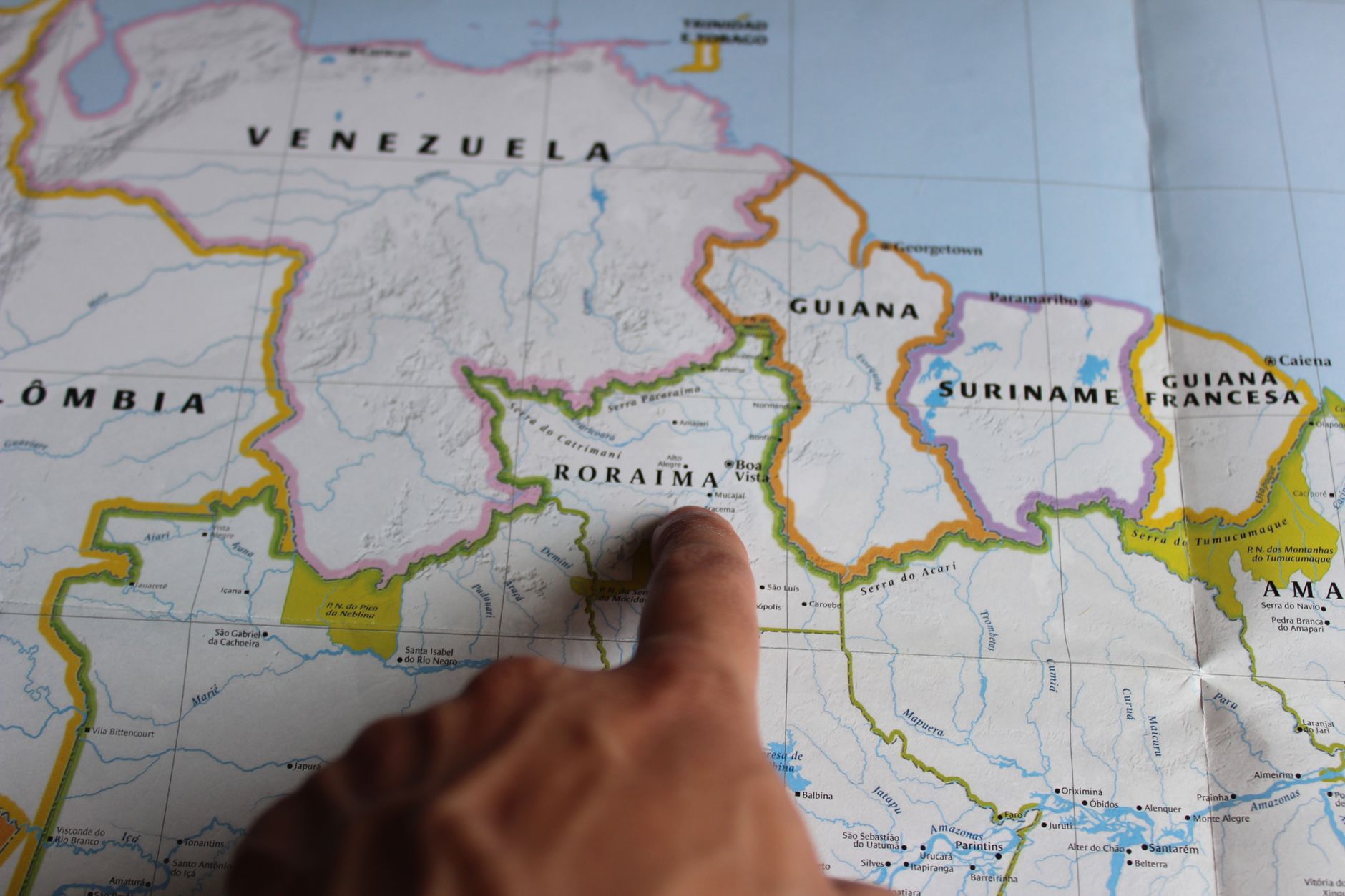
A line on a map matters. It can establish authority, restrict certain activities, support enforcement, and make conservation visible in national planning. But the line is not the whole reserve. Management requires staff, money, local cooperation, monitoring, and a way to respond when rules are broken.
Indigenous territories need to be understood in their own right rather than treated as a simple extra category of park. Many are not protected areas in the formal IUCN sense, yet Indigenous governance can conserve forests and biodiversity at large scale. In the Amazon, territorial rights, cultural continuity, and forest protection are often connected. Counting those areas alongside parks can show the real conservation landscape, but it should not erase the difference between legal systems.
What the Amazon number can and cannot tell us
The 49% figure from RAISG is useful because it shows that protected natural areas and Indigenous territories cover almost half of the Amazonian region when considered together. It is not a score for management quality. It does not tell us that every hectare is intact, every boundary is enforced, or every community has the same legal security.
The global picture makes the same point. The Protected Planet Report 2024 records protected and conserved areas covering 17.6% of terrestrial and inland waters and 8.4% of marine and coastal areas. It also reports that only 8.52% of land is both protected and connected according to the report’s indicators. Coverage and connectivity are different questions.
Connectivity matters because wildlife, water, seeds, fire, and people move through landscapes. A collection of isolated patches may protect valuable sites while still leaving species trapped in shrinking habitat. A smaller reserve can be highly useful if it keeps two larger forest blocks connected. A much larger reserve can still struggle if roads and clearings cut it into pieces.
Does protected mean effective?
Protected Planet reports that 177 countries and territories have completed and reported a protected area management effectiveness assessment for at least one protected area. That is progress in measuring what happens after designation, but the report also says more data are needed on governance, management, and conservation outcomes.
Effectiveness is not one thing. It can mean stopping deforestation, keeping a river healthy, maintaining wildlife populations, respecting community rights, preventing illegal extraction, or meeting a reserve’s stated purpose. A protected area can do well on one measure and poorly on another.
That is why questions about enforcement and participation belong beside questions about area. Who has authority? Who lives there? Who pays for patrols or monitoring? Can local people report a threat and expect a response? Are roads, concessions, and mining pressures being tracked? Are the results published clearly enough for outsiders to understand?
The Amazon rainforest threat overview explains why designation alone cannot stop every pressure. The Indigenous connection to the Amazon adds the human and territorial context that a percentage cannot capture.
So is enough of the Amazon protected?
If enough means a large share has some form of formal or territorial recognition, the Amazon has an important conservation foundation. If enough means the region is safe from fragmentation, illegal extraction, land grabbing, fire, and climate stress, the answer is no.
The next step is not simply to colour more land green on a map. The legal protection model shows why the rules behind a boundary matter. It is to protect the places that matter, connect them, respect the people who govern them, finance management for the long term, and publish evidence about what is working. The right question is not only how much of the Amazon is protected. It is how much is protected well, connected to other habitat, and still capable of supporting life in the future.
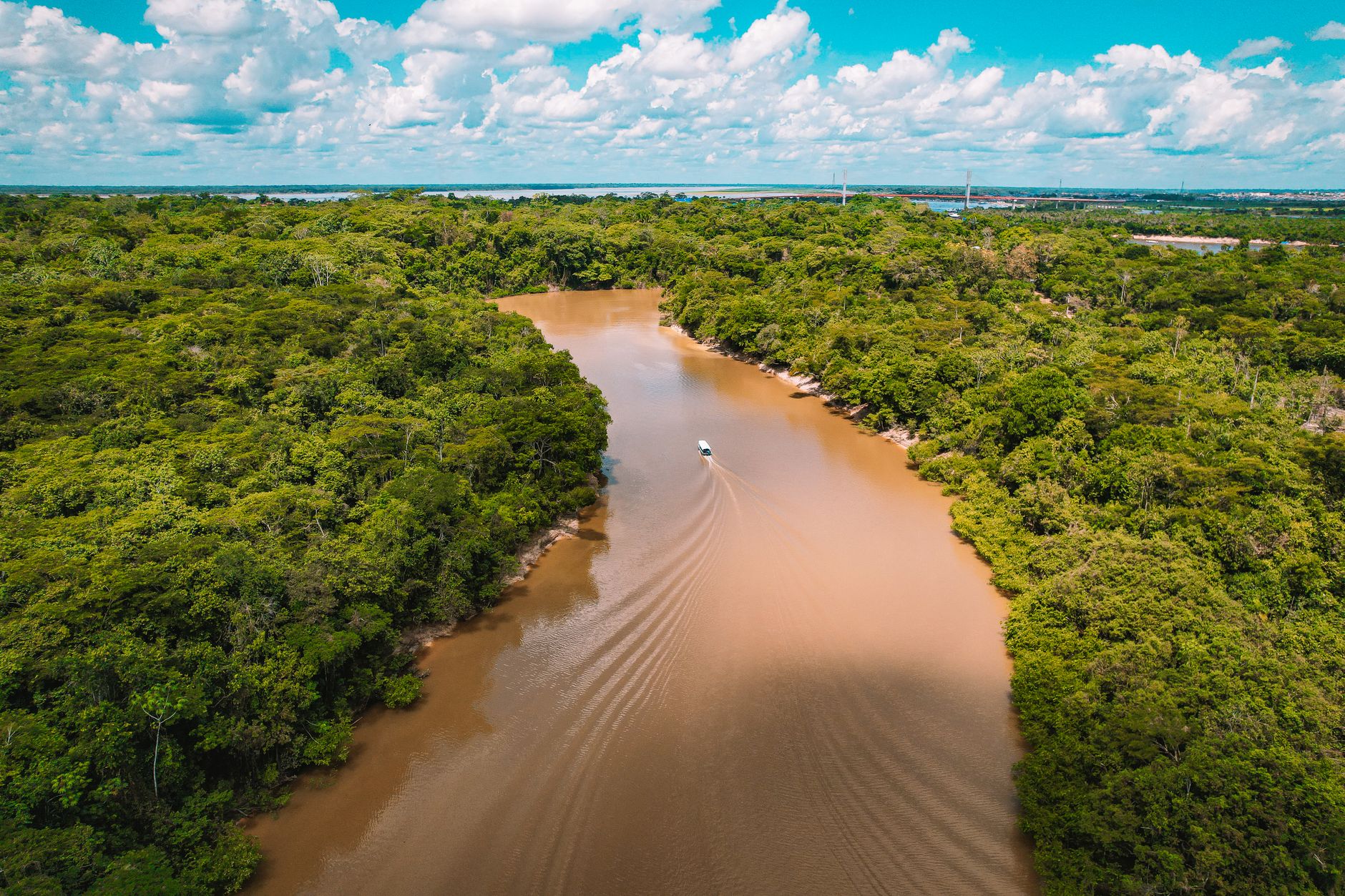
For an individual asking what practical action looks like, Fund The Planet offers one private-reserve route: it acquires and legally secures rainforest land in the Peruvian Amazon and lets members follow the protected area through the Rainforest Explorer. That does not solve the Amazon’s wider protection gap, but it shows how a clearly defined, privately secured reserve can turn concern into a traceable conservation service.