A nature reserve can have a legal boundary, an impressive map, and a conservation logo, yet still fail to protect wildlife. Effectiveness is what happens after designation. It can be seen in the condition of the habitat, the response to threats, the trust of nearby communities, and the evidence that management is achieving its purpose.
The IUCN definition of a protected area includes long-term conservation, but long-term does not happen automatically. These seven qualities make a reserve more likely to work.
1. A clear legal status
The reserve needs a defined boundary, a recognised purpose, and rules that people can understand. Legal status should explain what activities are restricted, who has authority, and how conflicts are handled. It should also survive changes in ownership, political attention, or project branding.
A legal document is not the same as perfect security. It is the foundation on which enforcement and accountability can be built. If the title is unclear or the conservation purpose is vague, every later promise becomes harder to test.
2. Enforcement that reaches the ground
Rules only protect wildlife when someone can respond to violations. That may involve patrols, boundary work, local reporting, legal action, fire response, or cooperation with public agencies. The right approach depends on the threat and the place.
Enforcement should not be reduced to punishment. A reserve may need to resolve access questions, prevent conflict, and build agreements with neighbouring communities. Strong protection is firm about illegal destruction while remaining realistic about the people who live around the area.
3. Sustainable financing
Land acquisition is a beginning, not a complete protection budget. A working reserve needs money for staff, equipment, transport, legal support, maintenance, monitoring, and communication. IUCN guidance for privately protected areas specifically points to sustainable financing and clear management objectives.
Short projects can create useful results, but a reserve meant to last needs a plan for what happens after the first grant, campaign, or owner changes. Transparent financial information helps people judge whether the protection model matches its promise.
4. Local participation and rights
A protected area does not sit outside human life. People may live nearby, use rivers, travel through the region, or hold legal and cultural rights connected to the land. Ignoring those realities can create conflict and weaken protection.
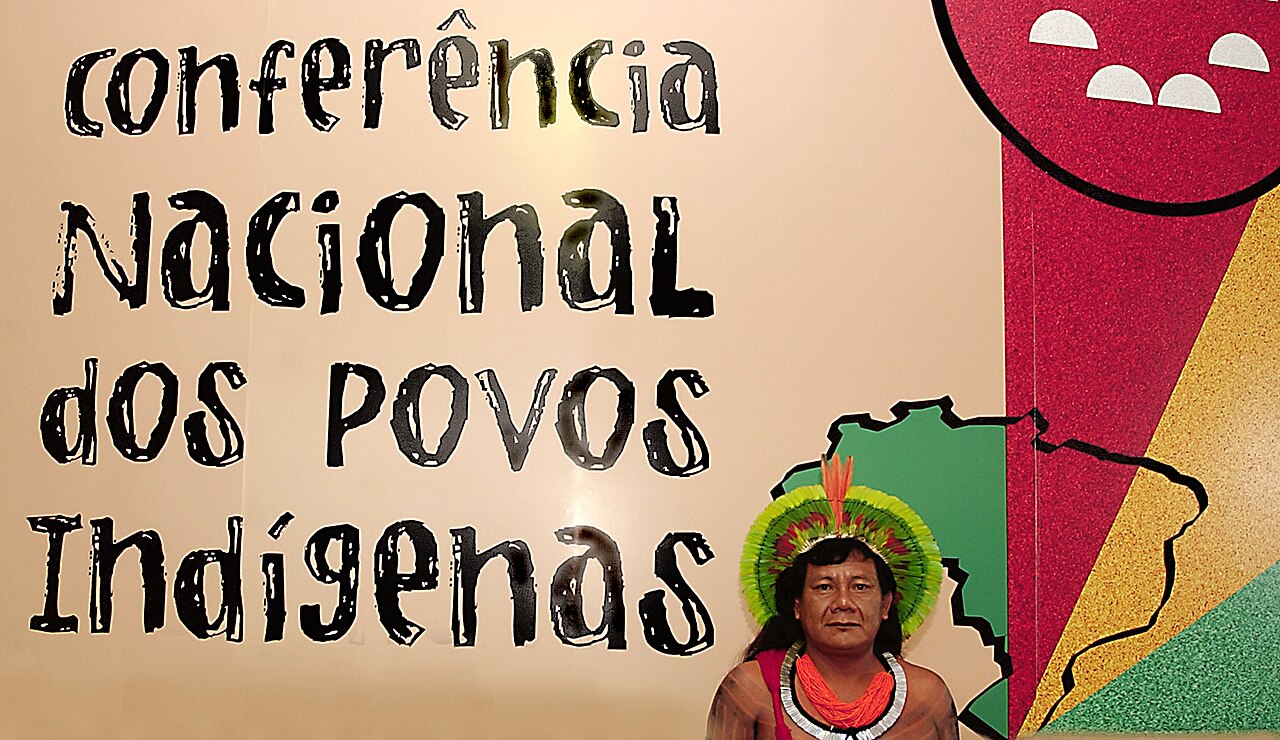
Indigenous peoples and local communities are also governance partners in their own right. Their knowledge can improve monitoring, seasonal planning, fire response, and wildlife understanding. Participation is not a decorative consultation step. It is part of deciding whether conservation can last.
5. Connectivity beyond the boundary
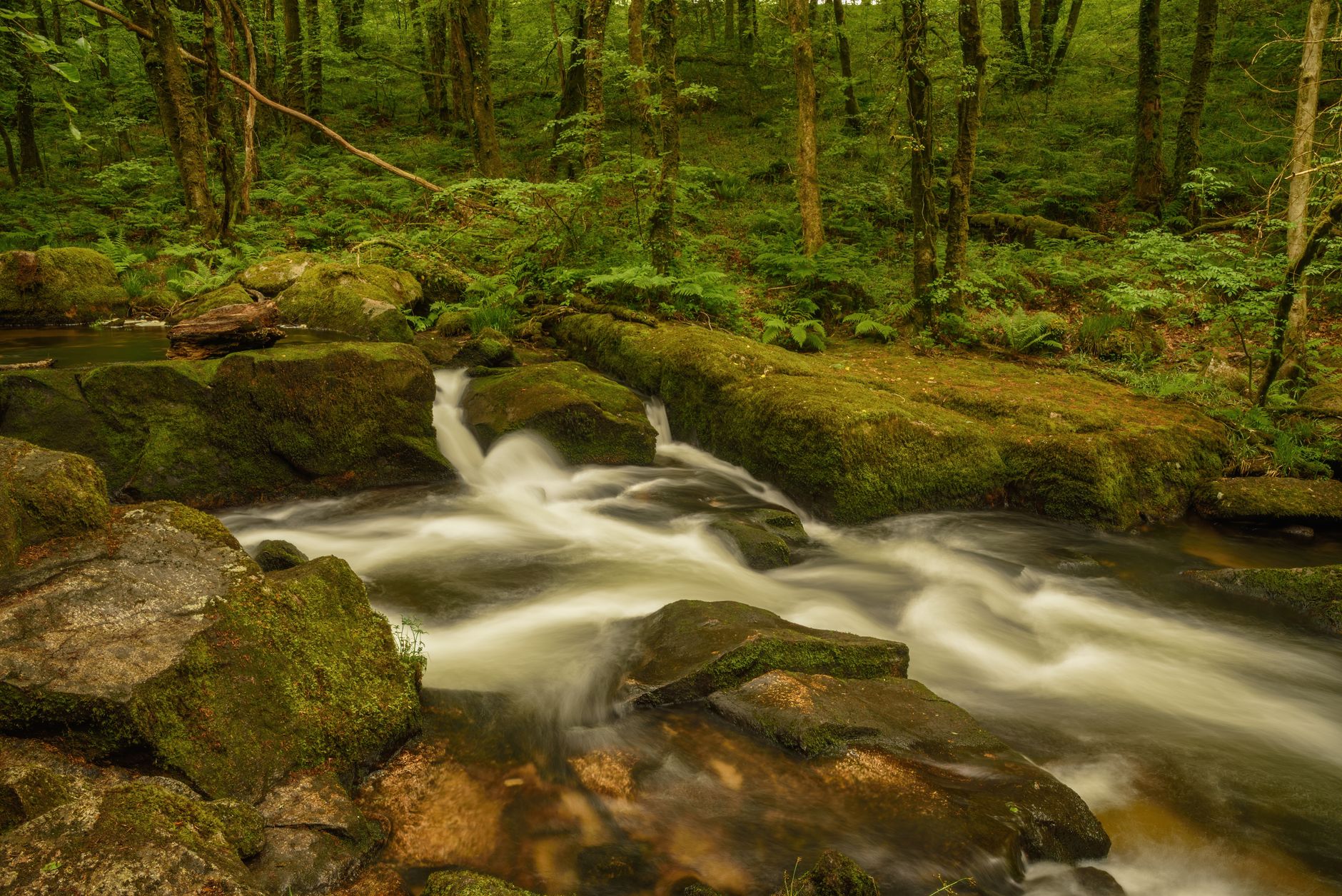
Wildlife rarely stays inside one polygon. Jaguars, monkeys, birds, pollinators, fish, and seed dispersers use corridors, rivers, seasonal habitats, and forest edges. A reserve can be valuable on its own, but its contribution increases when it connects to other intact areas.
Protected Planet’s 2024 report found that only 8.52% of land is both protected and connected according to its indicators. The number is global, but the principle is local: protection works better when the surrounding landscape still gives species room to move.
6. Monitoring that leads to decisions
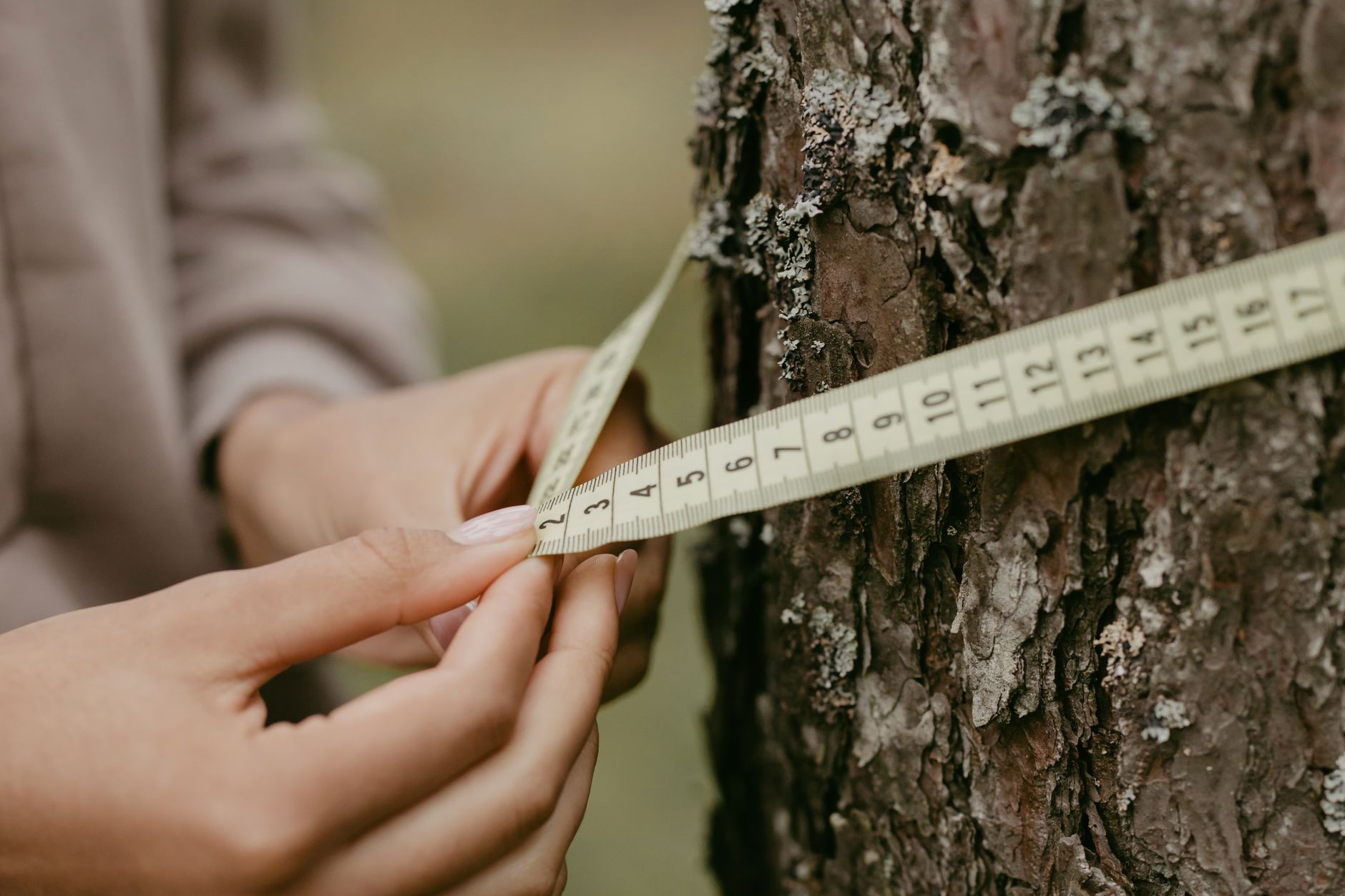
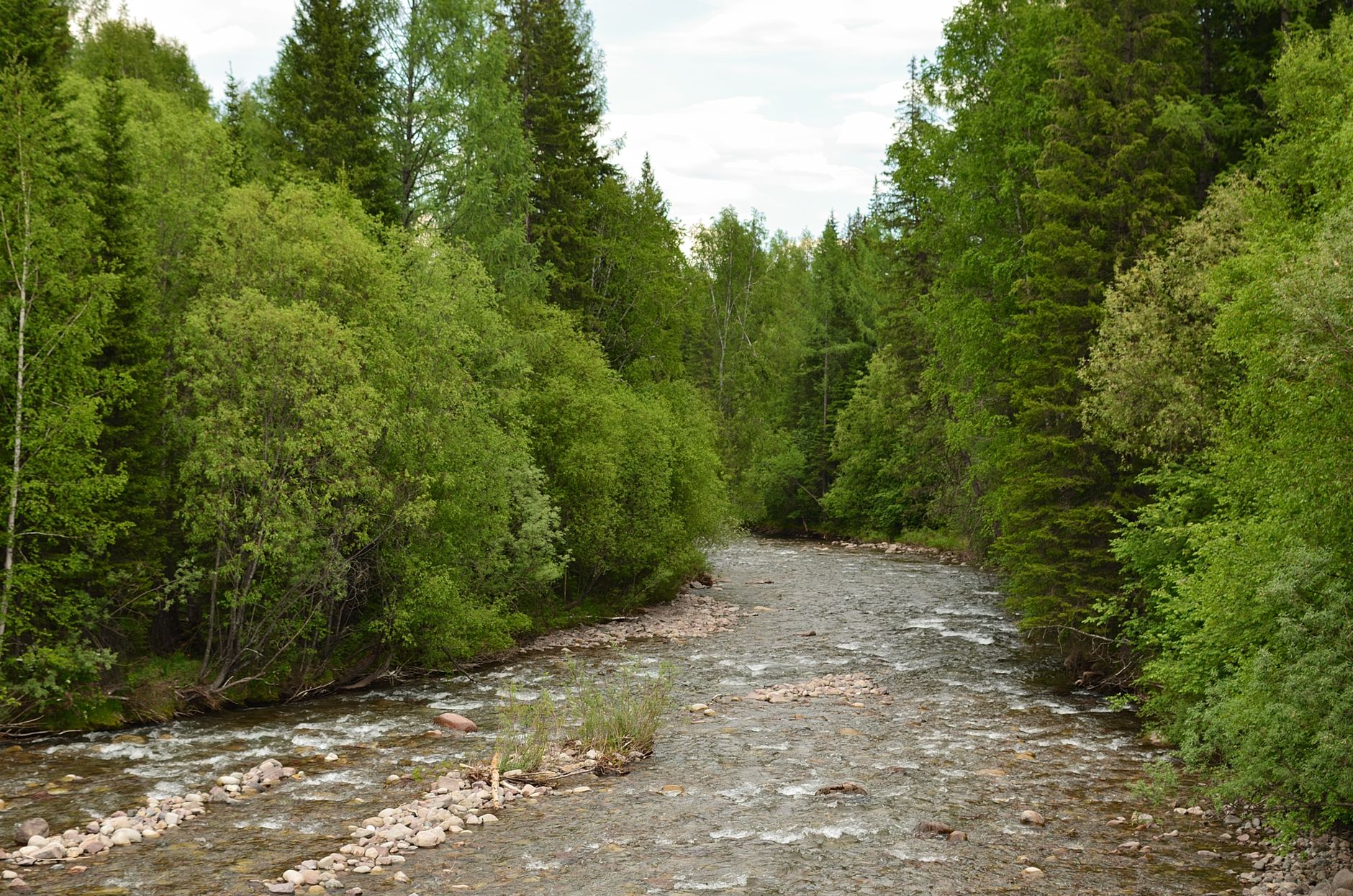
Monitoring should answer a management question. Are clearings expanding? Are animals using the corridor? Is a river changing? Are patrols reaching the places where threats occur? Satellite data, camera traps, acoustic tools, and forest-change alerts, ranger observations, and community reporting can all contribute.
Technology helps only when the information reaches someone who can act. A dashboard that nobody checks is not conservation. A simple report that changes a patrol route may be far more useful.
The role of AI in natural-resource monitoring offers wider context, while the legal protection article explains why rules and practical enforcement have to work together.
7. Transparency about results and limits
An effective reserve should be able to explain what it protects, how it is governed, what threats it faces, and what has changed. It should publish evidence without pretending that every problem has been solved.
Transparency includes limits. If a reserve cannot yet verify a claim, it should say so. If monitoring covers only part of the area, that boundary should be clear. Honest reporting gives members, local partners, and the public a way to judge progress instead of asking them to trust a slogan.
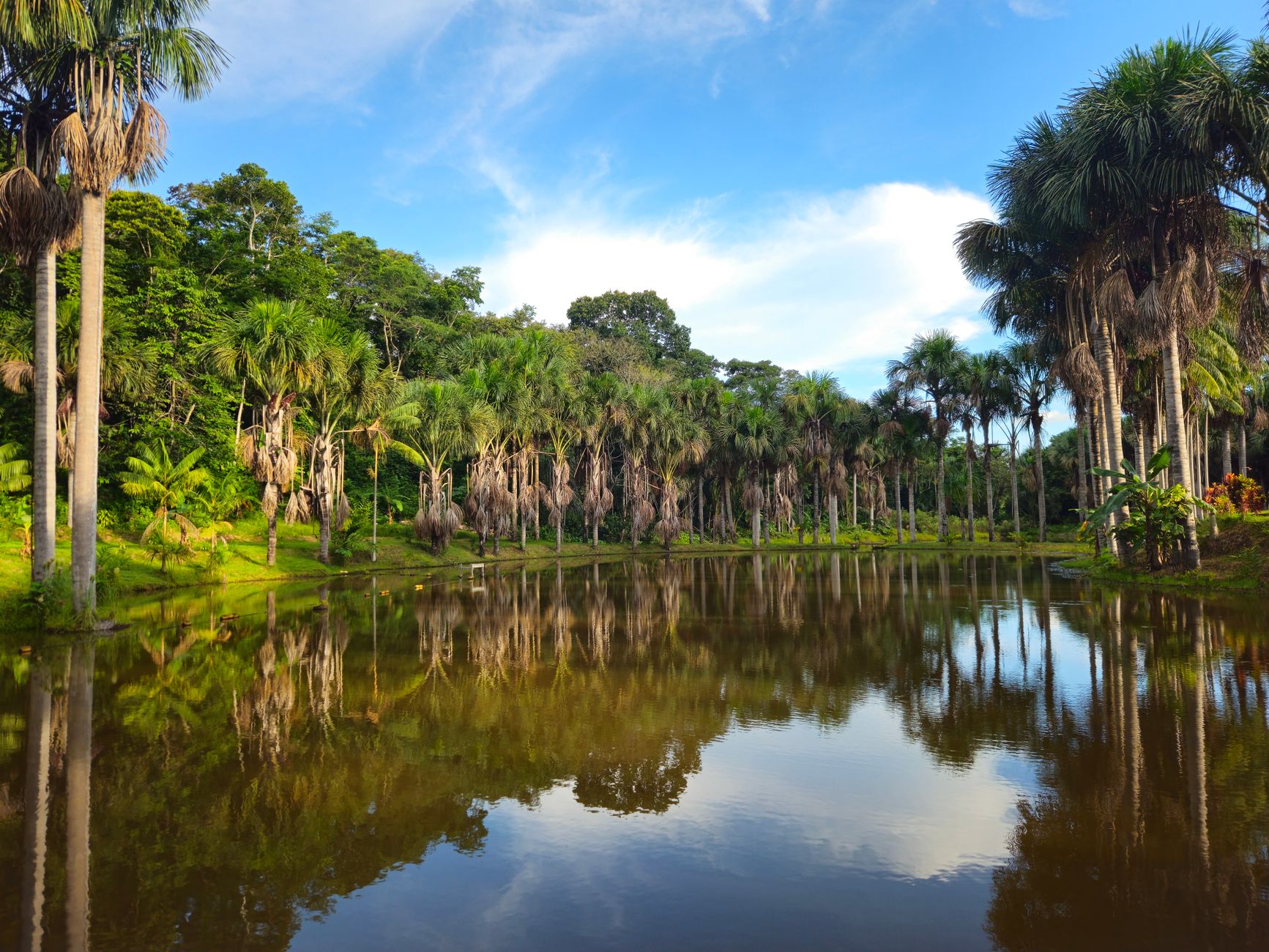
Fund The Planet’s Ucayali reserve profile shows how place, biodiversity, and conservation work can be connected. Its rainforest protection strategies article adds a broader view of threats and responses.
The most effective nature reserves are not defined by one perfect feature. They combine law, money, people, habitat, information, and honest reporting. That combination is less dramatic than a launch announcement, but it is what keeps protection working after the first year.