Once sprawling across 15 percent of South America, the Atlantic Forest now clings to just 12 percent of its original size. Still, a quieter story of resilience unfolds here, one rooted not just in the soil but in the hands of those determined to heal it.
Atlantic Forest reforestation in Brazil has become a symbol of ecological perseverance and community-driven success. Led by local farmers, environmental scientists, and Indigenous leaders, these efforts demonstrate how healing a forest can also restore lives. From increasing biodiversity to improving water quality, the impacts ripple far beyond the trees themselves, offering hope for ecosystems worldwide.
At the heart of this revival lies an essential question: what can we learn from these efforts as we share the responsibility to protect the planet? The Atlantic Forest’s slow but steady recovery reminds us of nature’s enduring capacity to thrive:if given a chance.
The Decline and Rebirth of the Atlantic Forest

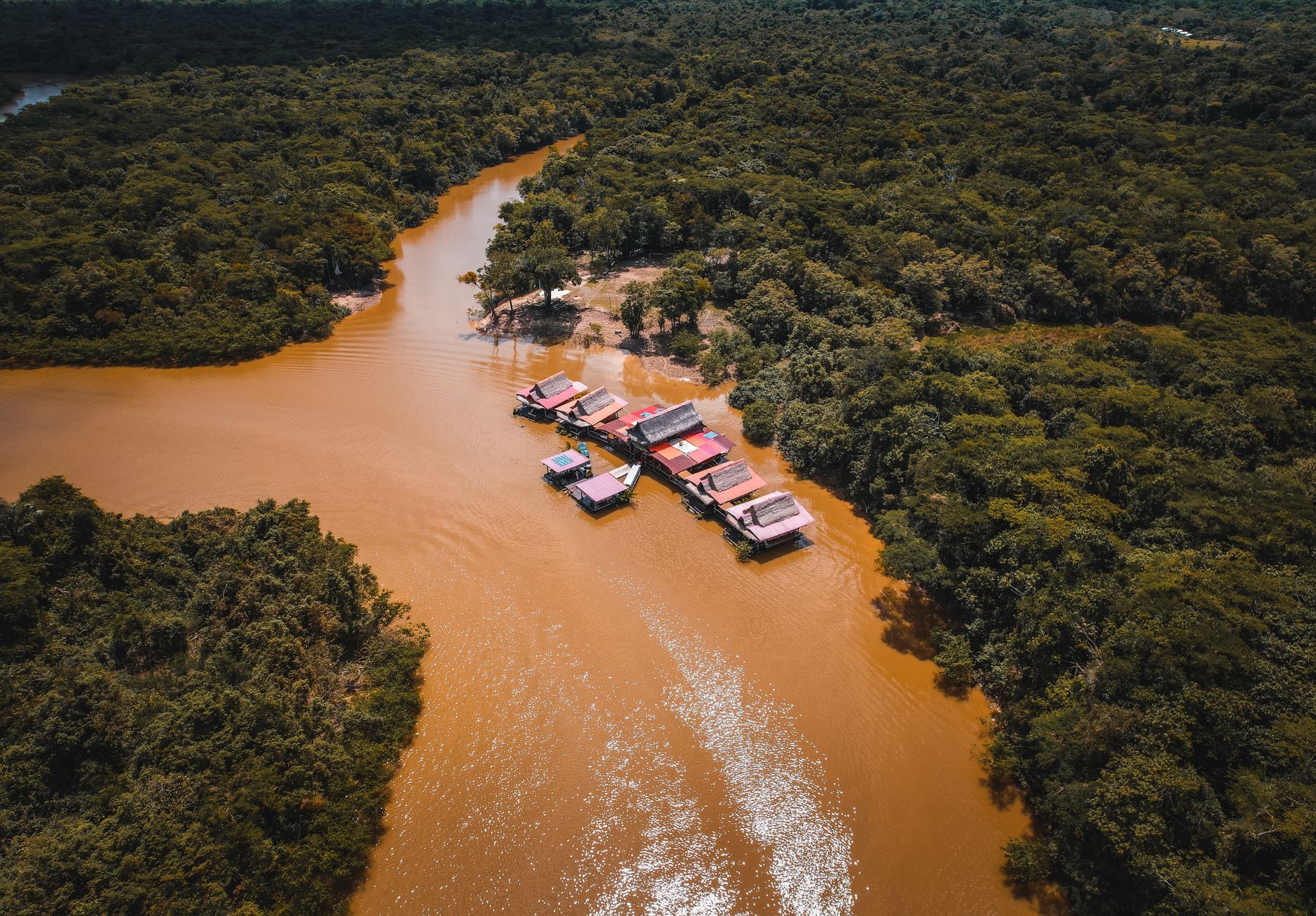
Photo: Diogo Ferrer · Unsplash ·
The Atlantic Forest’s Past: From Vast Wilderness to Fragmented Ecosystem
Imagine a forest that rivaled the Amazon in its magnificence, stretching across what is now Brazil, Argentina, and Paraguay. This was the Atlantic Forest, once a sprawling green expanse of 1.3 million square kilometers teeming with life. It housed species so unique they could not be found elsewhere and supported Indigenous communities for thousands of years. But as colonization swept across South America, this lush wilderness began to diminish. Coffee plantations, logging roads, and growing cities carved through the dense canopy, leaving behind only fragments of its former splendor.
Illegal logging has been one of the ongoing threats to forests like the Atlantic and Amazon, driven by land speculation and weak law enforcement. Today, less than 12 percent of the Atlantic Forest remains intact. With centuries of industrial growth, biodiversity-rich ecosystems gave way to monoculture fields and concrete sprawl. The jaguars that once roamed freely are now confined to isolated corners. Indigenous communities:guardians of this land:have faced displacement and loss. Yet, signs of renewal are emerging. Small saplings take root in the soil, and where deforestation once dominated, hope is quietly growing.
The Reforestation Movement Takes Root
Reforestation efforts began as whispers of a solution in the 20th century, but in the last two decades, they have gained new momentum. Grassroots organizations, alongside local governments, have sought to undo the damage of deforestation. Policies like the Atlantic Forest Restoration Pact aim to regenerate 15 million hectares by 2050. International organizations have also offered expertise and funding to amplify these projects.
However, the true spark lies not just in policies and NGOs but in the work of the people rooted in the land. Agroforestry has been a critical tool, allowing local farmers to balance crops with resilient native species. Communities are planting trees not merely to restore landscapes but also to rejuvenate livelihoods. This movement isn’t just environmental; it’s personal. From rural villages to urban hubs, individuals are reweaving the tapestry of the Atlantic Forest, one seedling at a time.
Lessons from Atlantic Forest Reforestation Successes

Community-Led Restoration Efforts
When farmland strips the landscape bare, what grows back depends on those who live closest to the soil. Farmers pioneering agroforestry in the Atlantic Forest have integrated banana palms with high-canopy trees, replicating nature’s diversity while yielding profits. These small victories often draw from Indigenous ecological wisdom, demonstrating how sustainable agriculture and reforestation can coexist.
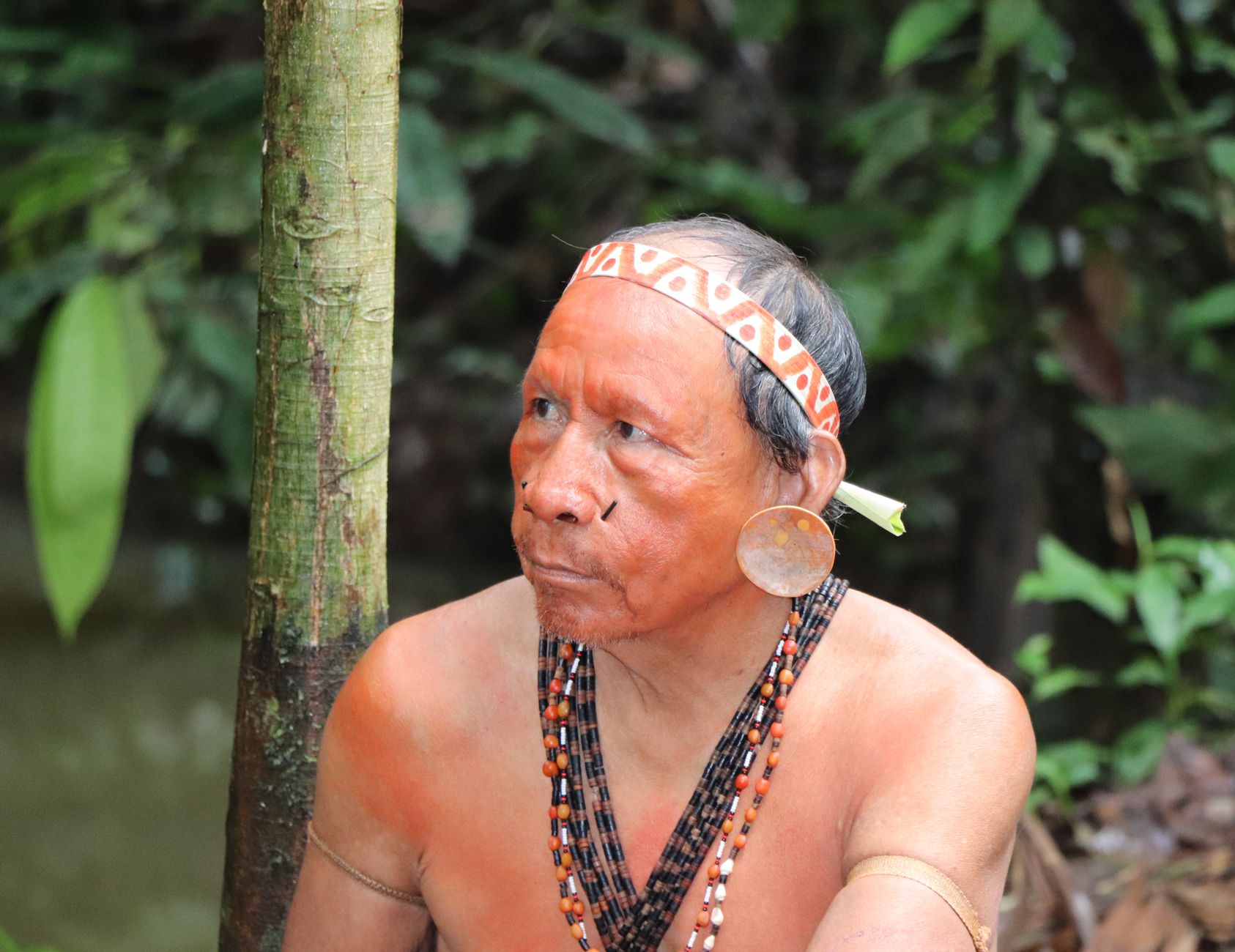
Indigenous communities from ecosystems like the Amazon have long emphasized the intricate balance between sustainable practices and the natural world. Women have emerged as indispensable leaders in these efforts. In many areas, women-run cooperatives lead tree-planting initiatives, blending conservation with economic independence. Their leadership doesn’t just restore ecosystems; it reshapes community dynamics, empowering households to embrace regenerative practices. These women signal a broader truth: conservation thrives when it is inclusive and community-driven.
Reviving Biodiversity
Reforestation wouldn’t truly succeed without the return of life. In reforested areas of the Atlantic Forest, howler monkeys now swing through branches once stilled by deforestation. Rare species like the black-fronted piping-guan, thought to be dwindling, find refuge in recovering habitats.
The importance of biodiversity in these ecosystems cannot be overstated. Planting a variety of tropical trees, shrubs, and flowering plants catalyzes ecosystems’ recovery. Native tree species attract pollinators like bees and hummingbirds, while fruit-bearing trees sustain larger animals. Restoring these interconnections means more than creating isolated green spaces:it establishes essential corridors that allow animals to roam freely and ecosystems to stabilize, inching closer to their original vitality.
Rethinking Water Resources
The Atlantic Forest’s health is reflected in more than just its trees. It directly impacts the state of rivers and aquifers. Reforestation buffers water cycles by absorbing rainfall gradually, replenishing underground reserves, and filtering out pollutants. As roots stabilize soil, the floods that previously ravaged communities begin to ease.
In Brazil’s Rio Doce basin, forest recovery has mitigated erosion that once choked freshwater sources. Comparable dynamics have been observed in deforested river basins worldwide, as seen in temperate rainforests. For downstream communities, this recovery isn’t just ecological:it’s transformative. Water quality improves, agriculture rebounds, and cycles of natural abundance begin to thrive again. Where there were once barren watersheds, forest recovery has brought resilience.
The Broader Impact of Atlantic Forest Reforestation
Ripple Effects on Global Ecosystems
The lessons from Brazil resonate globally. Reforestation practices in the Atlantic Forest offer blueprints for similar endeavors in tropical regions like Southeast Asia and even temperate zones. Brazil’s efforts show how grassroots momentum, guided by scientific insights and supported by policy, can disrupt cycles of deforestation.
From carbon absorption to wildlife conservation, the success of this forest underscores how local actions contribute to global biodiversity priorities. Forests are more than ecological niches:they are the world’s lungs, sustaining a balance that supports life across continents.
A Model for Sustainable Development
Reforestation in the Atlantic Forest is more than an environmental effort; it’s about building futures. Restoration projects generate economic opportunities through eco-tourism and sustainable harvests, benefiting some of the most underprivileged rural and Indigenous communities. These initiatives, thoughtfully designed, enhance equality and ecology simultaneously.
By aligning environmental recovery with social progress, projects in the Atlantic Forest provide a model of sustainable growth. They prove that conservation need not mean sacrifice but can instead spark prosperity:financial, communal, and ecological. The powerful possibility they suggest is this: humans and forests can thrive together.
The Atlantic Forest’s story captures both the urgency of its decline and the potential for recovery. Nearly destroyed by centuries of exploitation, it now stands as a living testament to how deliberate, community-oriented efforts can reverse ecological collapse. Initiatives like agroforestry and the Atlantic Forest Restoration Pact foster greener landscapes while building a more stable and inclusive future for those who depend on the land. Collaboration:between Indigenous knowledge, scientific innovation, and grassroots action:anchors these victories.