
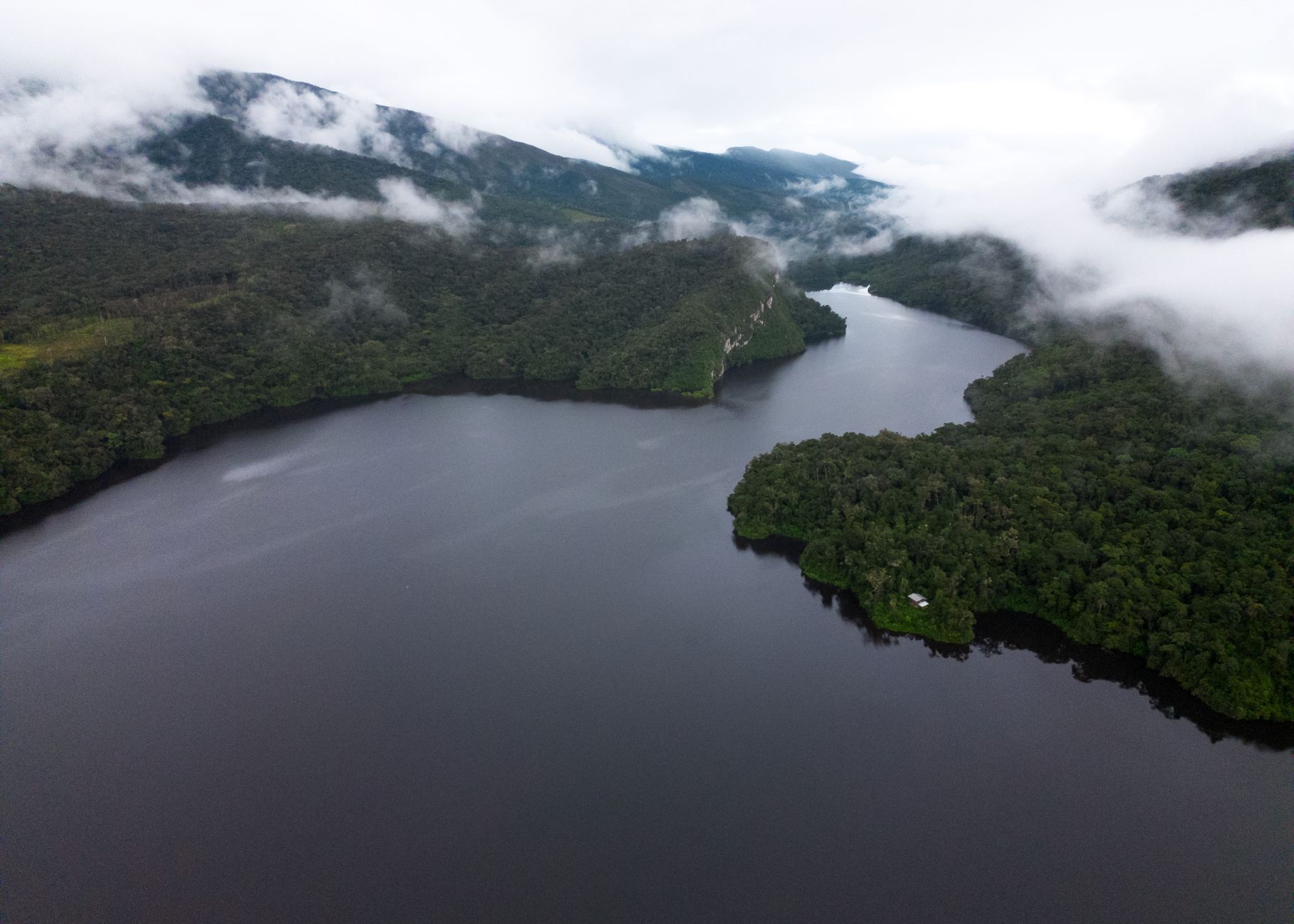
Beyond the Park Boundary: Why Rainforest Around Cordillera Azul Still Needs Protection
You’re looking at a map of the Peruvian Amazon. Rivers wind through a stretch of green, and a boundary marks out Cordillera Azul National Park.
You’re looking at a map of the Peruvian Amazon. Rivers wind through a stretch of green, and a boundary marks out Cordillera Azul National Park.
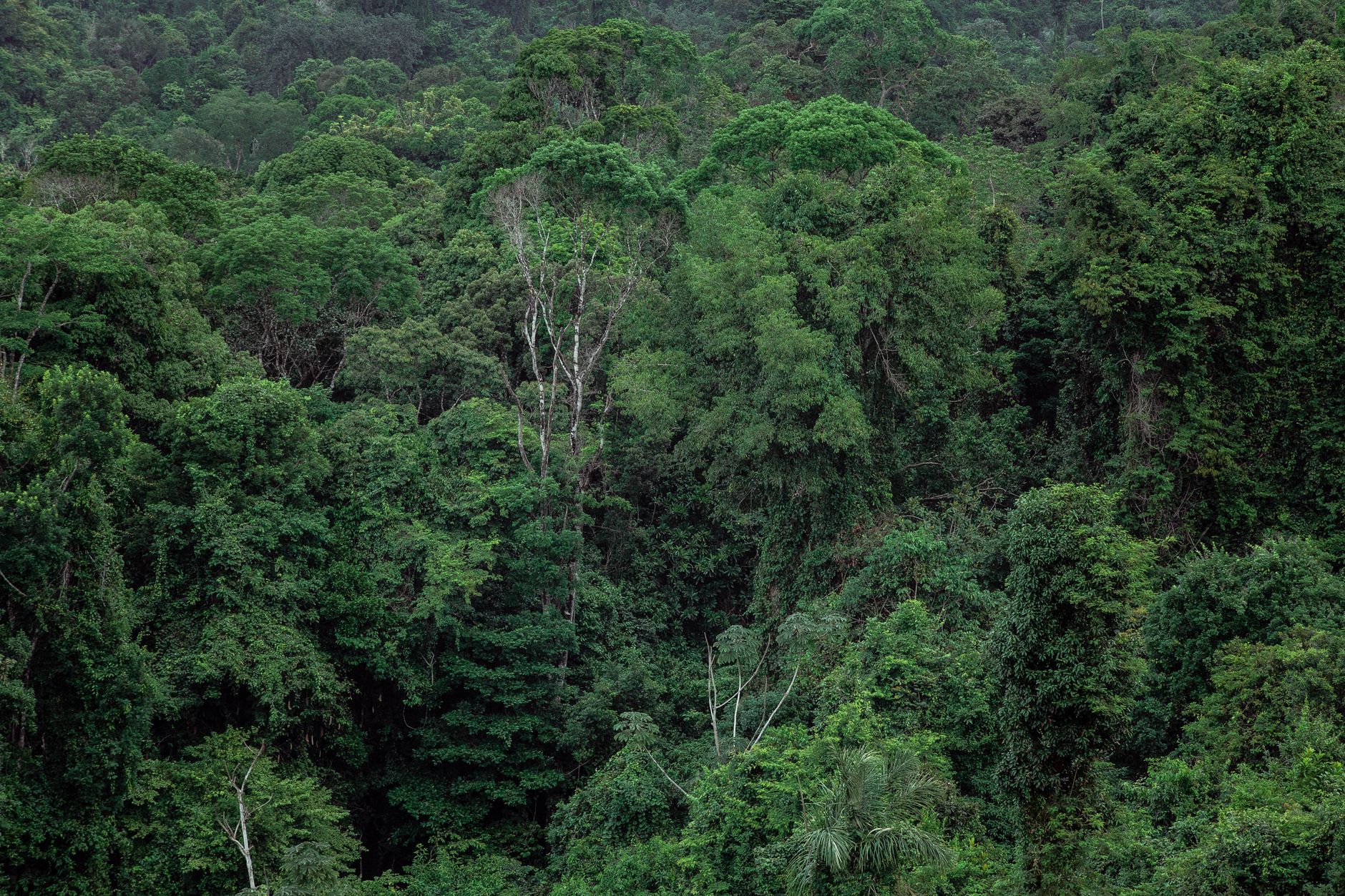
You’re scrolling through your phone when a photograph makes you stop. Where there should be a canopy of trees, there is bare earth. You’ve seen

The New Delhi Declaration calls for TFFF funding, but the test is actual commitments, safeguards and forest benefits.
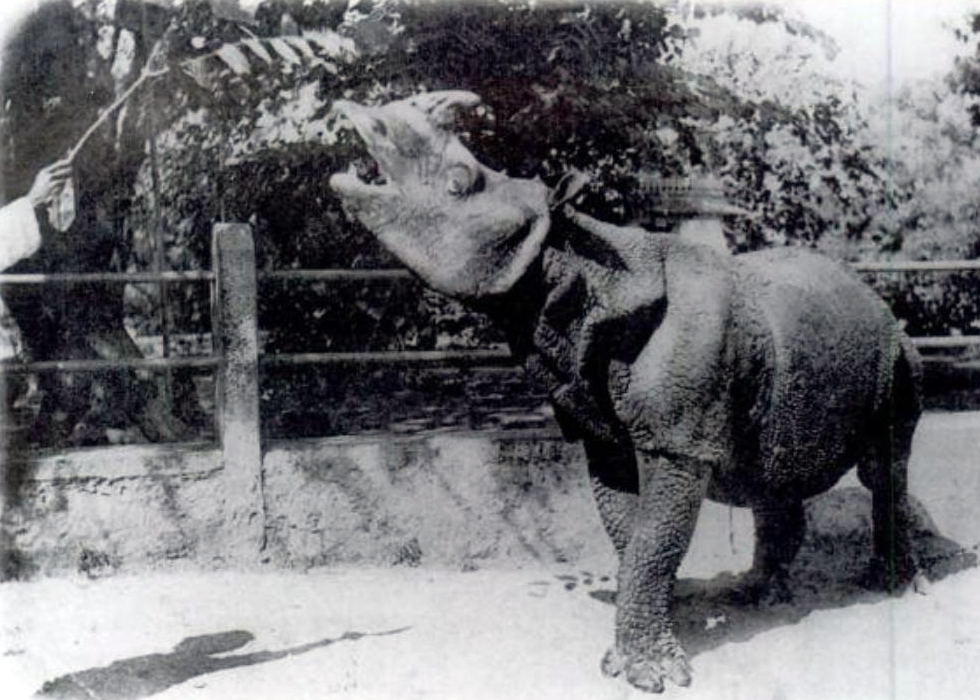
The latest checks are reassuring, but a species restricted to one coastal habitat remains vulnerable.

A new UN report shows why forest protection belongs in food-security policy, not only in climate and biodiversity plans.
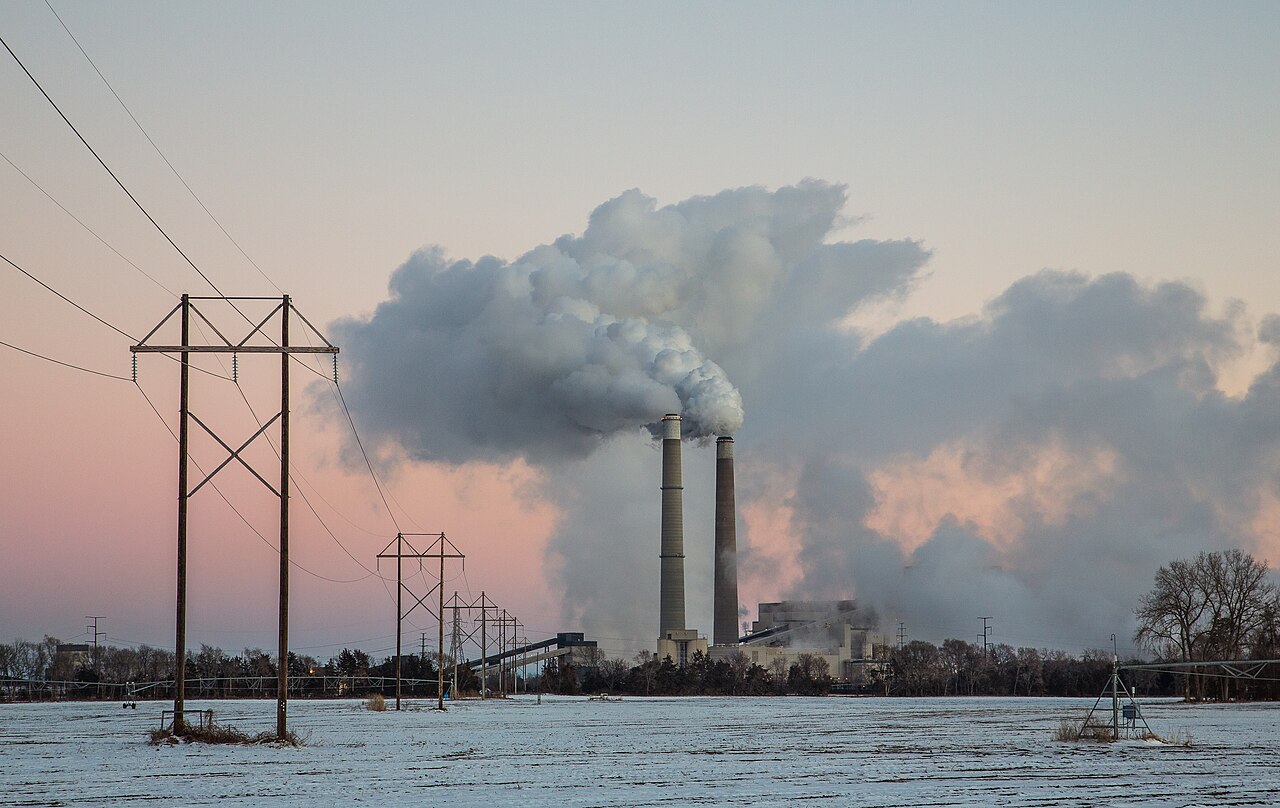
EPA’s September 14 action includes a final partial repeal and a separate proposal concerning remaining GHG standards.

Soy, palm oil, beef and timber can drive rainforest loss. See how each supply chain works and what credible traceability looks like.

Illegal gold mining is damaging forests and rivers across the Peruvian Amazon. See the evidence, the mercury risk and why protection matters.
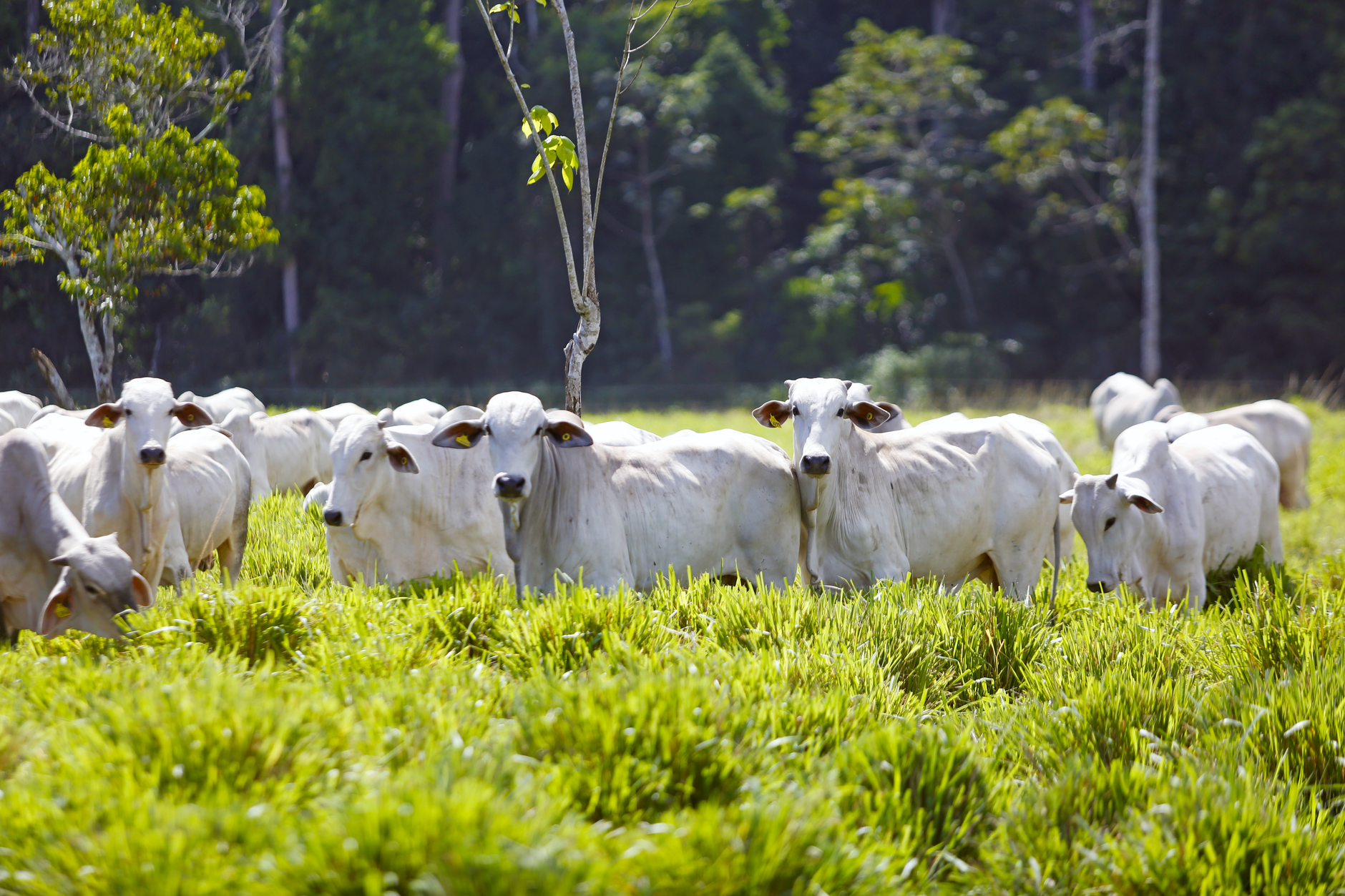
Beef supply chains can drive Amazon forest conversion. Learn why cattle traceability and deforestation-free sourcing matter.
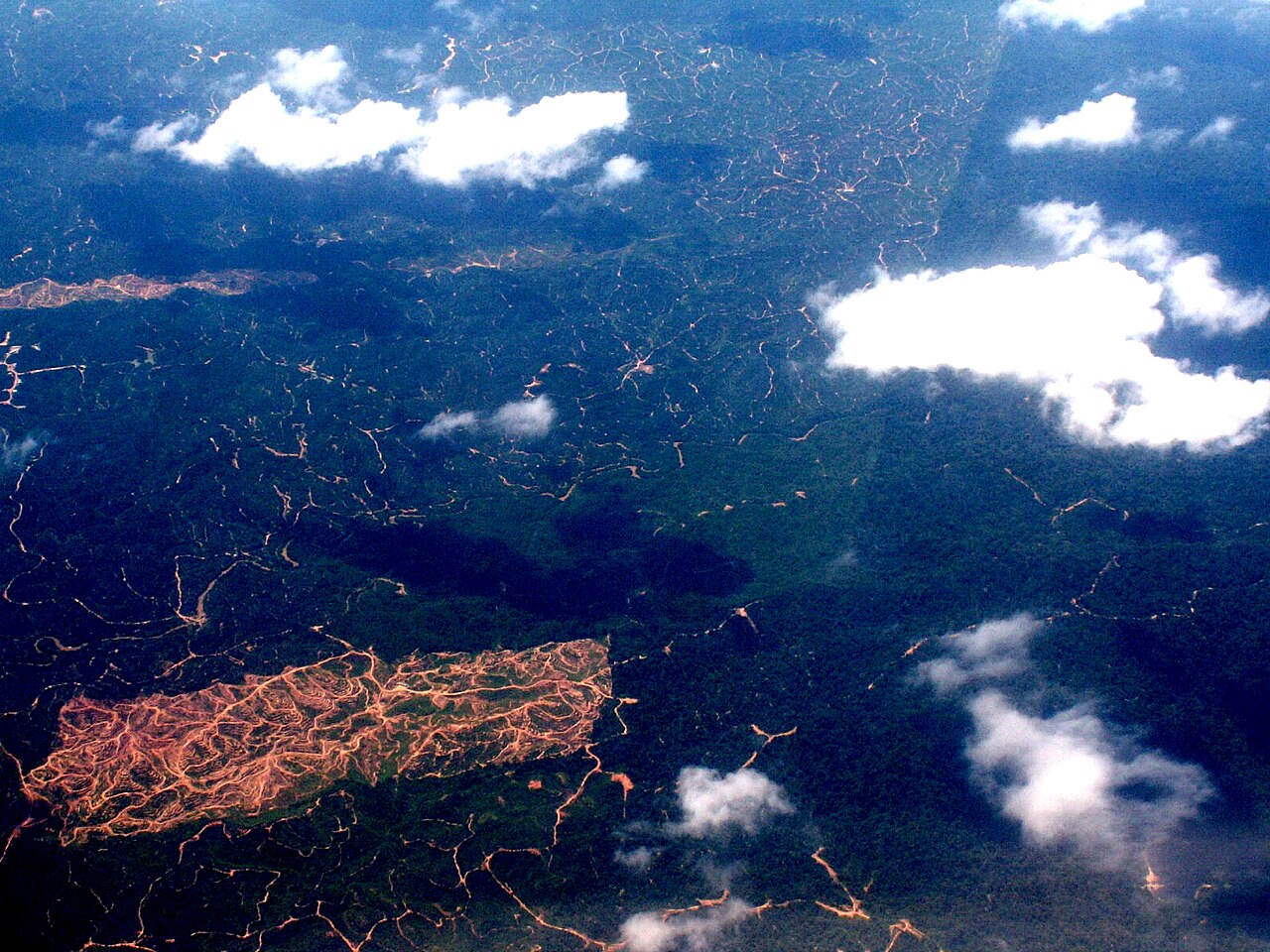
Explore the impact of palm oil deforestation on our planet and daily products. Learn how to make sustainable choices and support eco-friendly practices today.
 EN EN
EN EN  DE
DE