Without the right protections, a patch of rainforest can go from pristine wilderness to barren field in a matter of weeks, cleared for agriculture, timber, or roads. Protecting it “forever” sounds virtuous, but what does forever mean when the world is constantly changing?
The truth lies in the fine print. To protect the rainforest legally and permanently requires more than goodwill: it demands systems that survive shifting governments, economic pressures, and human ambition. From land acquisitions and property rights to binding conservation easements, the laws must anchor these natural treasures in immovable permanence. This isn’t about bureaucracy; it’s about ensuring that the forest, and all the life it cradles, remains untouchable, no matter what the future holds.
So, how are these legal frameworks designed? And how do they ensure true permanence in an impermanent world? Let’s explore this with clarity, avoiding jargon, and uncover how these protections endure.
The Stakes of Failing Legal Protection
Consider forests designated for protection but poorly defended, like parts of Southeast Asia where logging rights were retrospectively granted despite prior conservation agreements. Legal loopholes or vague contracts enable these rollbacks, and the consequences ripple across biodiversity, climate, and indigenous communities. Species adapted solely to dense rainforest habitats face displacement and extinction. Globally, deforestation releases stored carbon back into the atmosphere, compounding the already urgent issue of climate instability.
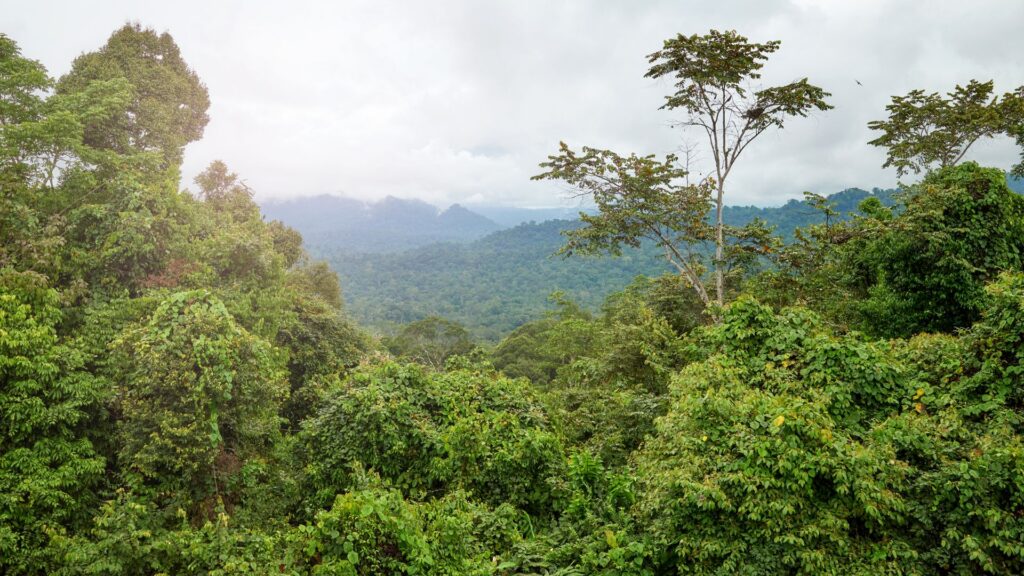
Indigenous peoples, who often act as centuries-old stewards of these forests, lose ancestral lands when legal protections fail to uphold their rights. This kind of deforestation dismantles ecosystems, livelihoods, and legacies simultaneously. Such stakes underline a simple truth: legal permanence is far from bureaucratic red tape. It’s survival.
The Foundations of Legal Rainforest Protection
Land Acquisition: Ownership as the First Legal Layer
Imagine stepping into a swath of rainforest and knowing it’s legally untouchable. That level of assurance begins with ownership. Acquiring rainforest land: through direct purchase or equivalent legal rights: is the first line of defense. Ownership prevents exploitative activities from outside parties, yet this must be ironclad. For land tenure rights to work, they must align with the host country’s legal systems. In regions where land claims overlap or historical records are unclear, this can be a daunting task.
Legitimate ownership, validated under national laws, ensures land remains in hands committed to sustainability. In Peru’s Ucayali Amazon forests, these efforts provide the groundwork for permanent protection. By avoiding disputes, registering property, and placing enforceable clauses on its use, every step counts toward building a foundation that lasts.
Protected Area Designation: Shielding the Land
Ownership alone is insufficient. Rainforests must be designated under legal statuses that prevent future exploitation. Protected designations: such as nature reserves or IUCN-recognized parks: lock conservation into national law, often aligning with international agreements tied to biodiversity and climate commitments.
In the Peruvian Amazon, such legal designations assign clear boundaries and roles, restricting activities like logging, mining, and development. These protections are part of a global accountability network. By adhering to international standards, such as those advocated by the IUCN, conservation goes beyond local or national interests: it reflects our collective duty to preserve the planet.
Conservation Easements: Binding Agreements That Survive Time
The Role of Conservation Easements in Rainforest Protection
Conservation easements work where time typically fails. Imagine signing a contract today that ensures a piece of rainforest remains protected forever, regardless of future landowners or changing governments. Easements are legally binding agreements that prohibit activities degrading the land: clearing trees, mining, or disrupting ecosystems. But these protections are proactive: easements don’t just freeze land in its current state. They often include clauses requiring active stewardship to preserve ecological health.
Creating Irrevocable Commitments
Conservation easements ensure protections are tied to the land itself, not any individual or organization. Even when ownership changes hands, easement agreements remain unaltered. This provides unmatched security, especially in volatile areas like the Amazon, where competing interests threaten even well-protected regions. With agreements designed to outlast human ambitions or political cycles, protections for the rainforest become invulnerable.
You can delve into the true cost of conservation to see how such commitments make it possible to protect forests sustainably and effectively.
Enforcement Mechanisms: Ensuring the Law Is Upheld
Monitoring Protected Areas and Legal Adherence
Laws can only safeguard the rainforest if enforcement works. On-the-ground teams, such as those supported by Fund The Planet, are essential to monitoring protected reserves. By using satellite technology like Global Forest Watch, organizations maintain full transparency, identifying activities like illegal logging in real time. This early detection allows swift intervention.

Blending global tech with local vigilance creates a reliable shield. For supporters of Fund The Planet, the impact feels real: subscribers can view the rainforests they help protect through these technologies, forging a direct connection to the land.
Legal Remedies for Breaches of Protection
Even rigorously protected land faces violations. When breaches occur, legal enforcement mechanisms step up, from national courts to international environmental tribunals. By pursuing violators and upholding conservation agreements, these institutions prove that protections are not just promises: they’re defensible in court.
Balancing Legal Frameworks with Local Realities
Collaborative Conservation with Local Communities
Legal frameworks gain strength when aligned with the people living alongside the forest. In regions like Ucayali, indigenous communities serve as invaluable stewards, bringing generations of knowledge into conservation efforts. Their land rights must be protected and their voices woven into conservation plans. Explore how indigenous people and the Amazon share a profound, ancient connection to their environment.

When local communities are involved, deforestation rates drop significantly. Their guardianship preserves both the spirit and the letter of conservation laws, uniting modern legal protections with ancestral traditions.
Navigating Complex Property Laws in the Amazon
Landownership in the Amazon presents unique challenges. Overlapping claims, historical gaps in records, and informal economies complicate legal ownership. Fund The Planet tackles these challenges head-on, working within Peru’s legal frameworks to establish viability and security. These efforts lay the groundwork for lasting conservation, despite the complexity involved.
Why Legal Layers Are Essential for Permanent Protection
The Three Pillars of Forever-Protection
True permanence depends on three interconnected elements: land ownership, legal designation, and binding agreements. Each reinforces the other, creating a framework where ambiguity and exploitation find no foothold. For Fund The Planet, integrating these layers ensures that the Peruvian Amazon remains unyielding to logging, urbanization, or exploitation.
How Fund The Planet Implements These Layers
Fund The Planet pairs transparency with tangible action. Through their Rainforest Explorer platform, supporters can track the impact of their contributions, reinforced by strong legal protections. By securing large portions of Ucayali’s forests, Fund The Planet demonstrates that lasting change is more than possible: it’s happening now.
Abschließende Gedanken
Protecting the Amazon rainforest is not just about ambition; it’s about creating systems strong enough to resist exploitation, no matter what comes. Laws, designations, and easements work as interlocking safeguards to ensure permanence even in a world defined by change.
But laws are only as strong as their enforcement and alignment with the local communities that call the rainforest home. Indigenous partnerships, modern technology, and legal rigor combine to form a new approach: one grounded in accountability and collaboration. Through Fund The Planet’s efforts, the dream of “forever” doesn’t remain a mirage: it’s a growing legacy rooted in purpose, action, and permanence.