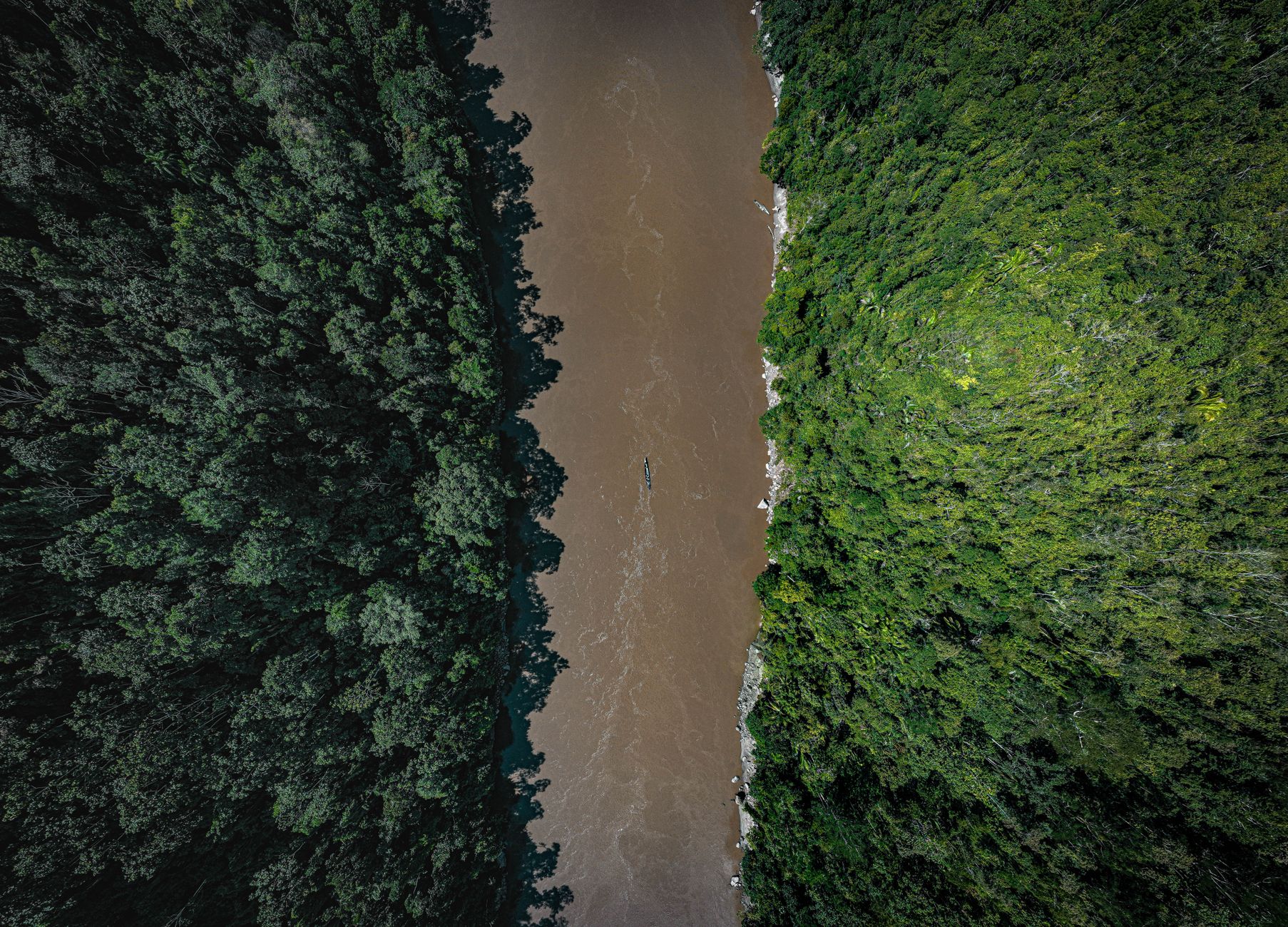
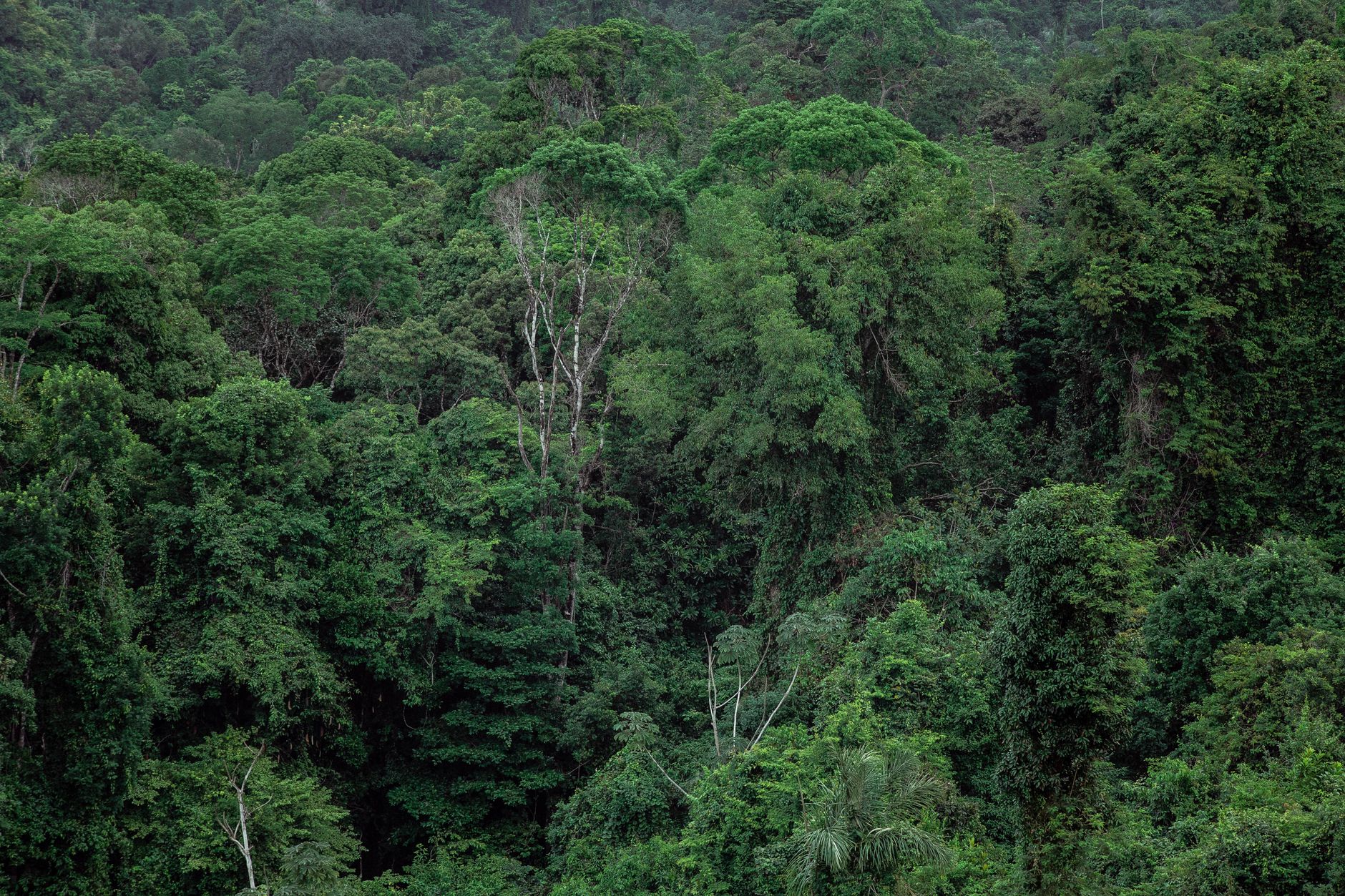
Picture a flash of brilliant blue slicing through the lush emerald canopy of the Amazon rainforest. It’s not just the vibrant color that grabs your attention; it’s the sheer grandeur of the bird in motion, its expansive wings sweeping the humid air. This is the hyacinth macaw:the largest parrot in the world:its cobalt feathers shimmering like a jewel among the forest’s deep greens. With an intelligent gaze and striking elegance, this remarkable bird speaks to the awe-inspiring beauty and delicate balance of its home.
Yet, beneath its splendor lies a cautionary tale. The hyacinth macaw has become a symbol of resilience in the face of mounting threats, including habitat loss, deforestation, the illegal pet trade, and shrinking nesting opportunities. Its future, much like that of the rainforest itself, hangs in the balance of our choices. To know the hyacinth macaw is to glimpse the urgency of preserving its ecological role:a link in the greater web of life that connects us all.
To appreciate this majestic bird is to understand its connection to the Amazon: vibrant, vital, and vulnerable. Let us uncover what makes this parrot extraordinary and explore what it will take to secure its survival.
The Hyacinth Macaw: A Marvel of the Amazon

Photo: Connor kane · Pexels · Pexels License
Under the towering green umbrellas of the Amazon, the hyacinth macaw streaks across the forest canopy like a bolt of blue lightning. This remarkable bird rightfully claims the title of the world’s largest parrot, measuring nearly a meter from its brilliant feathers to the tip of its elongated tail. Its size demands attention, but its magnificence is in the details: sapphire plumage accented with vivid yellow eye rings and cheek patches makes it a masterpiece of evolution.
When a hyacinth macaw takes wing, it carries seeds:the rainforest’s genetic future:far and wide. Acting as a crucial seed disperser, the macaw ensures the propagation of towering palms and other vital Amazonian plants. These trees, in turn, support countless species that thrive in their shade and shelter.
The interconnected nature of the rainforest unfurls when we consider the macaw’s role. It nests in ancient trees that have stood for centuries, feeds on palms like caraíba and bocaiúva, and disperses seeds that regenerate the forest. Supporting this bird safeguards not just its own survival but the biodiversity that radiates from its actions. Protecting the hyacinth macaw means protecting the entire ecological tapestry of the Amazon.
To delve deeper into the intricacies of rainforest biodiversity, explore Rainforest Biodiversity Hotspots: A Guide to Protecting Vital Ecosystems.
Behavior and Habits of the Hyacinth Macaw

Photo: Dominik Lange · Unsplash · Unsplash License
The hyacinth macaw is as remarkable for its behavior as it is for its appearance. These social birds live in close-knit family groups or bonded pairs, forming relationships that last a lifetime. They share food, engage in synchronized calls, and even partake in playful acts, showcasing an intelligence and emotional depth rare among animals.
Their calls:ranging from croaks to melodic whistles:are more than just background sounds of the rainforest. They are part of a nuanced system of communication that scientists are only beginning to decode. Observing their interactions offers a glimpse of the complexity and richness of life within the wild.
Raising the next generation is no small feat for the hyacinth macaw. Each breeding season, pairs lay one to three eggs, but survival is arduous. Typically, only one chick survives to maturity, as parents pour their energy into protecting, feeding, and teaching their young. This staggering investment underscores the delicate cycle of life in the Amazon.
Feeding Adaptations and Diet
Picture cracking open a nut so dense and hard that most creatures would abandon the effort entirely. For the hyacinth macaw, this is a daily task. Equipped with one of nature’s most powerful beaks, the macaw makes quick work of the tough palm nuts like bocaiúva and acuri, a dietary preference that serves to illustrate its specialized role in the food web.
This specialization, however, is both its strength and vulnerability. The birds rely on specific palms, and when deforestation destroys these trees, the macaws face starvation. Yet their adaptability and resourcefulness hint at the resilience of a species:and an ecosystem:that can thrive if given the chance. Learn more about rainforest ecosystems in What Exactly Lives in 1 Square Meter of the Rainforest?.
Threats to the Hyacinth Macaw: A Species in Peril

Photo: Sebastian Schuster · Unsplash · Unsplash License
Habitat Loss: The Shrinking Amazon
The hyacinth macaw’s fate is tethered to that of the Amazon rainforest, which is vanishing at an alarming rate. As hectares of forest are cleared for agriculture or industry, suitable habitats dwindle, pushing macaws into marginal areas where food and nesting resources are scarce. Ancient trees, once ideal nesting sites, are replaced by barren landscapes.
The disappearance of their home threatens more than just the macaws. The Amazon, often called the planet’s lungs, plays a critical role in regulating Earth’s climate. Protecting these birds is inextricably linked to the survival of humanity itself. For further exploration, see Die Auswirkungen der Abholzung des Amazonas-Regenwaldes: Ein umfassender Blick.
With their striking plumage and remarkable intelligence, hyacinth macaws have become targets for the illegal pet trade. Poachers raid their nests, stealing chicks while leaving devastated parents behind. These captive birds are condemned to a life far removed from their natural freedom, and each one removed weakens the fragile rainforest ecosystem that took centuries to build.
The Hyacinth Macaw as a Symbol of the Amazon
Once critically endangered, the hyacinth macaw has made progress, though it remains vulnerable. Today, a wild population of approximately 6,500 individuals represents both a victory and a cautionary tale. Regional successes, particularly in Brazil’s Pantanal, show that focused conservation works, but much remains to be done to secure their future.
The hyacinth macaw reflects the Amazon’s health. As this bird flourishes or falters, so too does its ecosystem. Its struggles encapsulate the larger issues facing rainforests today: vanishing biodiversity, changing climates, and human-caused destruction. Protecting it means preserving a vital piece of the global puzzle. The survival of the hyacinth macaw is a testament to nature’s resilience and our capacity to act. Each tree preserved and each forest protected is a lifeline for these birds, a gesture of our commitment to the planet.
Every individual has the power to contribute. Supporting rainforest protection initiatives or rejecting the exotic pet trade are critical first steps. Organizations like Fund The Planet provide a way for anyone to actively preserve habitats vital to the macaws’ survival. For actionable ideas, read 5 Gründe für den Kauf und den Schutz von Regenwäldern. Together, even small actions can make a monumental difference.