Transparency rainforest animals is not mere spectacle; it’s survival molded into art. Creatures like the glass frog, glasswing butterfly, and certain Amazonian fish embody nature’s ingenuity. They thrive by being both present and invisible, blending seamlessly into ecosystems teeming with predators. These beings remind us that rainforests are not just green expanses: they’re riddled with wonders still unknown, treasures that call for respect, awe, and protection.
What can these see-through creatures teach us about the brilliance and vulnerability of their world? By stepping into their transparent existence, we uncover the science: and the magic: of a rainforest fighting to survive.
Understanding Transparency in Nature
look through the tangled canopy of a rainforest and imagine creatures almost erased from sight, their edges melting into surroundings. This is the extraordinary world of transparent animals. For them, being see-through reveals what’s usually hidden: vulnerability laid bare: not as weakness, but as strategy. Creatures like glass frogs and transparent fish turn translucence into survival, their bodies emulating natural cloaking devices against predators.
Transparency offers two key advantages. It reduces contrast, making animals harder to spot against jumbled backgrounds. Glasswing butterflies, perched on leaves, seem to disappear as sunlight passes through their transparent wings. It also distorts perception, enabling movement through rainforests where predators hunt in shadow, while prey flee toward light. These adaptations evolve in ecosystems as complex as the rainforests themselves, where ingenuity is often the difference between life and extinction. Learn more about rainforest biodiversity and adaptation here.
Why Transparency Thrives in the Peruvian Amazon
The Peruvian Amazon, a riot of sunlight and shadow, challenges survival at every turn. The forest filters light into fragmented patches, leaving visibility in flux. Transparent creatures adapted to this environment dissolve into the shifting brightness: their forms blurred by nature’s own illusions. Here, translucence is not just beneficial: it’s essential.
In water, this adaptation reaches its peak. Amazonian rivers, rich with tannins and golden hues, become perfect hiding places for transparent fish. These ghostly swimmers evade predators by blending into the rippling currents. Transparency acts like a second skin, woven into the rainforest’s intricate tapestry. Understanding these adaptations underscores the value of the Peruvian Amazon and why urgent protection is vital.
Meet the Transparent Rainforest Animals
Glass Frogs: The Jewel of Amazonian Streams
Perched on fern fronds near flowing streams, glass frogs are tiny paradoxes: fragile yet tenacious. Their lime-green skin camouflages them, while their translucent bellies reveal every heartbeat and organ. A glimpse beneath their skin feels almost intimate, a reminder of life’s delicate architecture. For many, it’s a humbling encounter: proof that fragility can coexist with resilience. Explore their world further in Glass Frogs of the Amazon.


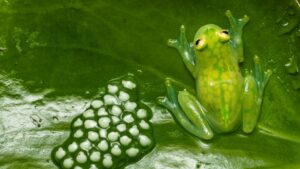
Glass frogs inhabit the calm waterways of the rainforest, where their pale forms blend into the glossy leaves and water-polished stones. Transparency plays a crucial role here, rendering them a breath in the environment: a near-invisible hum predators often miss. During mating season, males vigilantly guard clutches of eggs on leaves arched over streams. When the tadpoles hatch, they plunge into the water below, relying on their translucence to navigate unseen in the predator-filled depths.
Glasswing Butterfly: A Winged Spectacle of Nature
As the day warms, a fleeting shimmer might betray the presence of a glasswing butterfly. Its delicate wings, outlined with amber hues, resemble vintage glass panes: captivating not for vivid colors, but for their absence. These clear wings scatter sunlight without reflecting it, allowing the butterfly to vanish amid foliage as predators search hungrily. For more jaw-dropping creatures, see 5 Rainforest Animals You’ll Swear We Made Up.
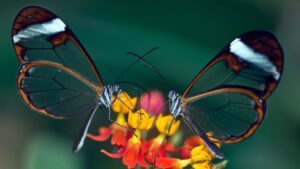

The butterfly’s transformation mirrors the rainforest’s intricate cycles. As caterpillars, they consume alkaloid-rich plants, becoming chemically unpalatable to predators. When they morph into adults, their transparency serves as a second defense, bypassing predators drawn to vibrant patterns. Amid the dense foliage, these ethereal wings remind us that survival is as much about presence as absence.
Transparent Amazon Fish: Ghostly Swimmers in the Depths
The rivers of the Amazon hold secrets beneath their dark, rippling surfaces. Among them swim the glass catfish und clear tetra: living phantoms well-hidden in their watery labyrinth. Stripped of pigment and shielding bones, this fish have mastered the art of blending into their environment. Their bodies refract light, making them imperceptible to larger predators like herons or carnivorous fish.
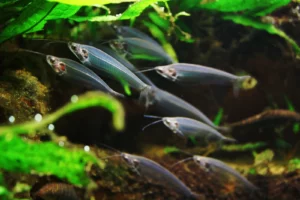
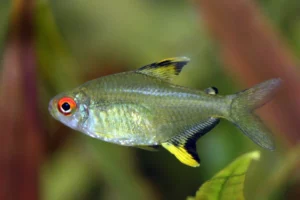
Yet, transparency isn’t solely about survival. These fish play critical roles within their ecosystems. Many are scavengers, recycling organic matter and keeping aquatic habitats healthy. Others serve as prey, forming links in the food web that sustains the broader ecosystem. They are reminders of nature’s precision: even invisibility holds weight within fragile ecosystems.
Abschließende Gedanken
Transparency in the rainforest is a testament to nature’s brilliance and fragility. These translucent creatures thrive on balance: clear streams, unspoiled forests, and the delicate interplay of light and shadow. But when deforestation interrupts this balance, it’s more than their camouflage that’s lost: it’s their survival.
The Peruvian Amazon is a last stronghold for these adaptations. Protecting it means preserving nature’s ingenuity, safeguarding creatures shaped by centuries of evolution. If these habitats: of pure streams and dappled light: disappear, we lose not only animals like glass frogs or ghostly fish but the wisdom they carry about survival, adaptation, and resilience. Together, we have the power to protect these wonders before they fade into invisibility: for good.