
Inhaltsverzeichnis
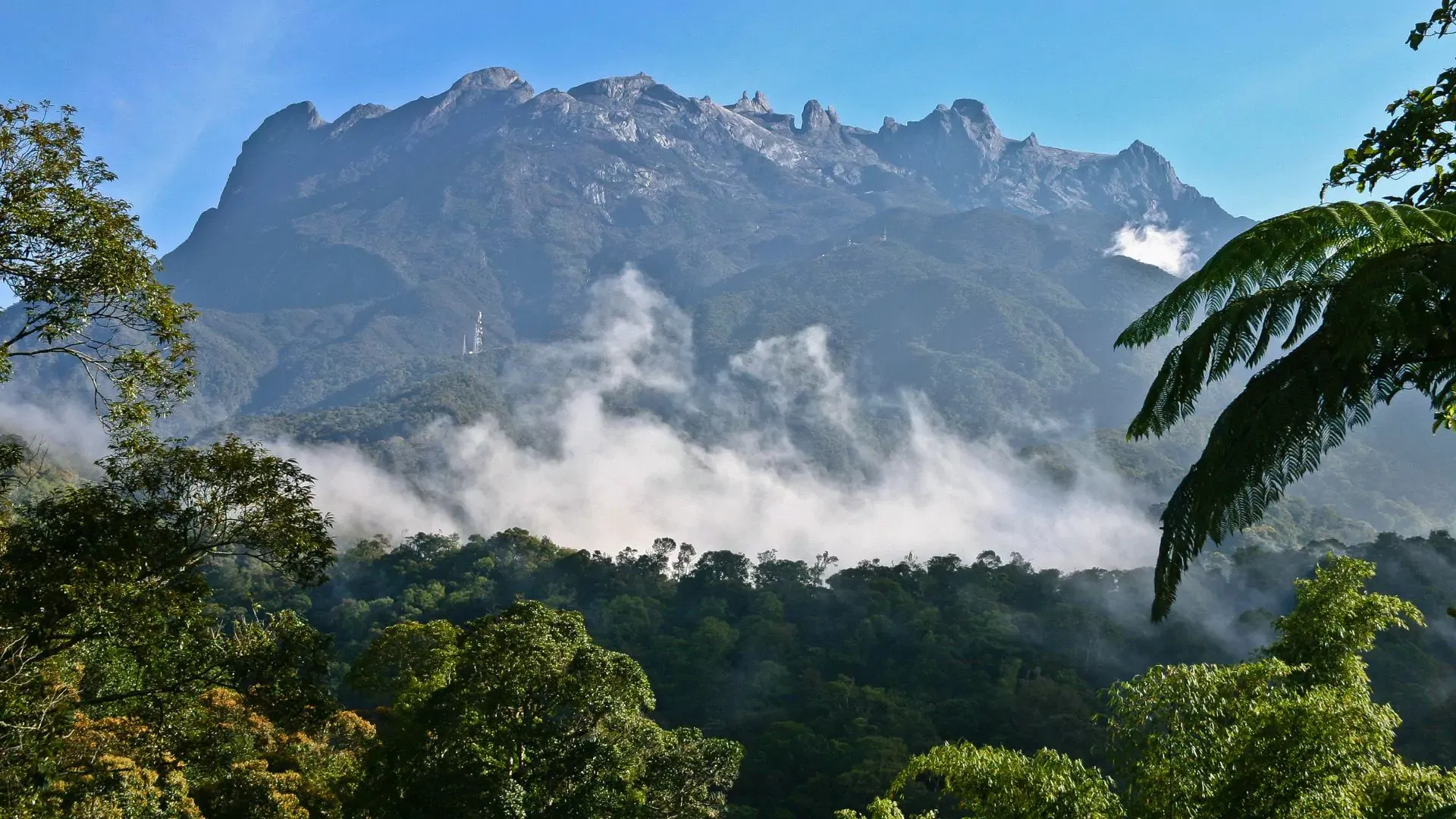
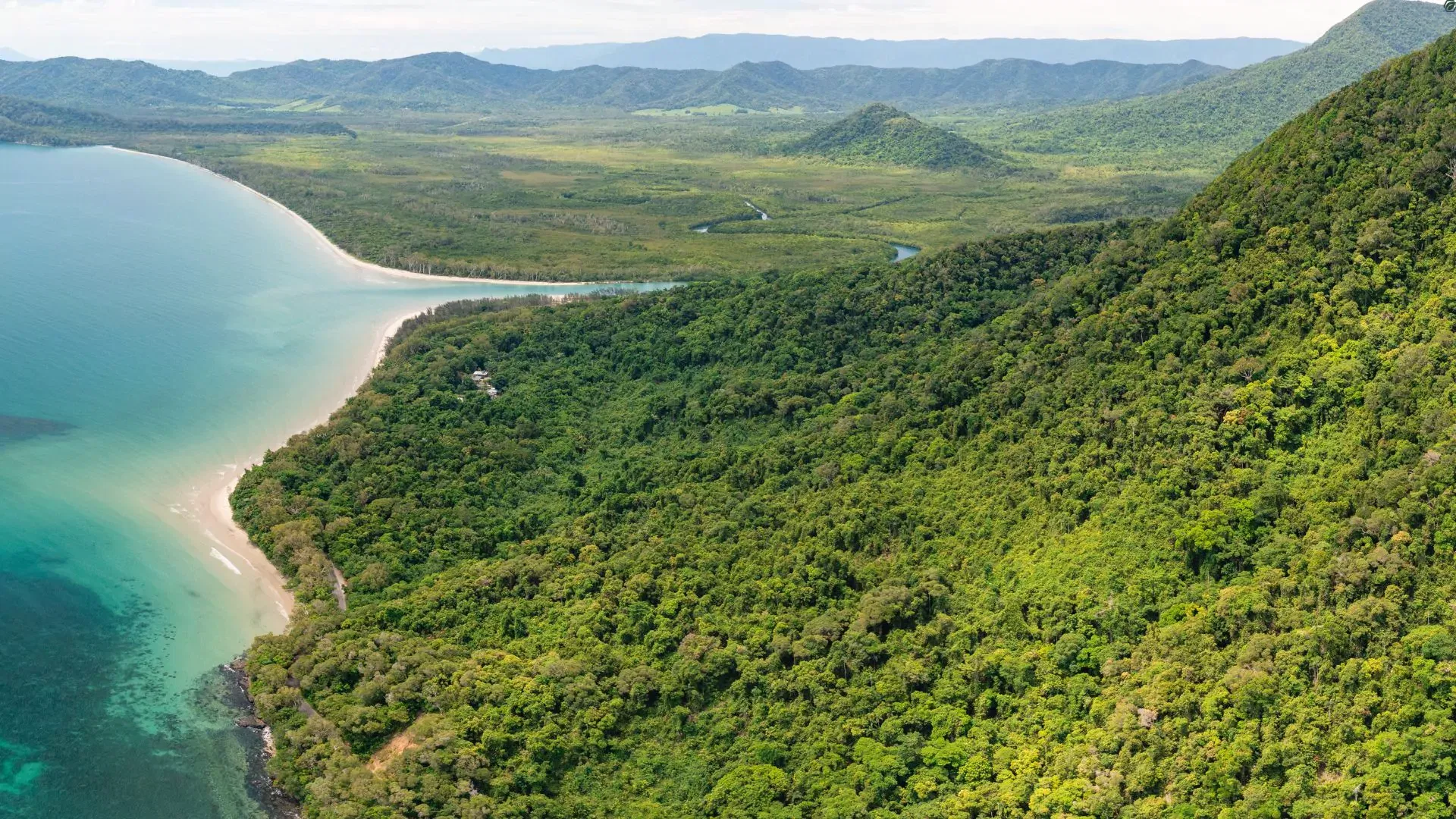
The Ucayali Rainforest Reserve represents one of the most ecologically diverse and invaluable regions on the planet. Nestled within the Peruvian Amazon, this critical stronghold of biodiversity faces mounting threats from deforestation, habitat loss, and climate change. Its lush landscapes house an array of rare flora and fauna, while vibrant indigenous cultures thrive with deep connections to the land.
Understanding the intricate dynamics of the Ucayali Rainforest Reserve provides powerful insights into the delicate balance between environmental stewardship and human livelihoods. This region exemplifies not only the sheer biological abundance of the Amazon but also the resilience of ecosystems and communities working to protect it. Innovative approaches, such as private nature reserves, sustainable agroforestry, and cutting-edge technologies, are emerging as key tools to preserve this environmental treasure.
This article examines the ecological significance of Ucayali, the critical roles played by indigenous communities, the most pressing threats to its survival, and the innovative strategies aimed at securing its future. For ecologists, policymakers, and nature enthusiasts alike, the Ucayali Rainforest Reserve serves as an urgent call to action and an inspiring testament to nature’s strength—and vulnerability.
Ecological Significance of the Ucayali Rainforest Reserve
Situated at the heart of the Peruvian Amazon, the Ucayali Rainforest Reserve represents one of the most biodiversity-rich tropical ecoregions on Earth. Stretching across the Ucayali River basin, it plays a pivotal role as a major segment of the Amazon biome. This vast and intricate network of ecosystems is defined by the Ucayali moist forests, which sustain a staggering variety of life while acting as a critical carbon sink for climate regulation. The reserve’s contribution to carbon sequestration not only mitigates climate change but underscores its importance as a global ecological asset.
Unrivaled Biodiversity
The Ucayali Rainforest Reserve is a haven for life, boasting an extraordinary range of species. Its dense forests host more than 1,500 species of trees, approximately 1,000 bird species, and countless mammals, reptiles, insects, and amphibians, many of which are found only in this region. Elevational diversity within Ucayali creates multiple niche habitats, enabling species with highly specialized needs to thrive. Key examples include:
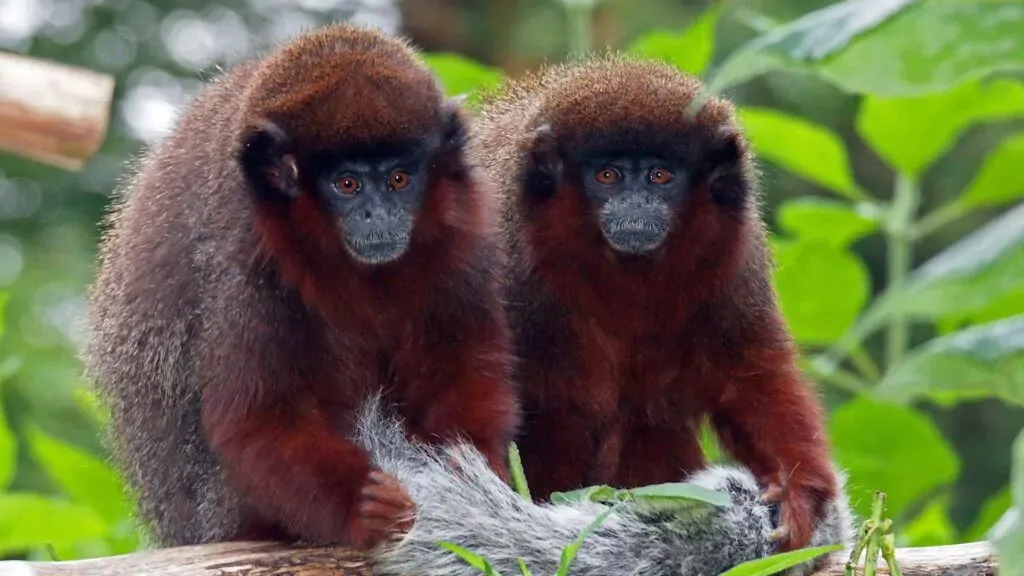
- Ucayali titi monkeys (Plecturocebus ucayalii): An endemic primate uniquely adapted to riparian zones, playing a vital role in seed dispersal.
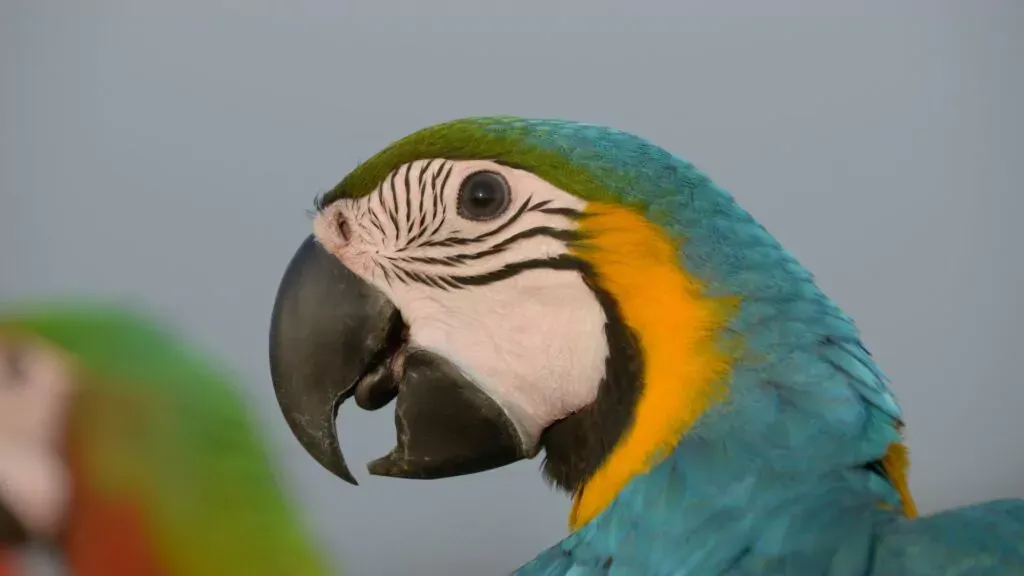
- Blue-headed macaws (Primolius couloni): These near-endemic birds rely on the reserve’s clay licks to obtain essential minerals for survival.
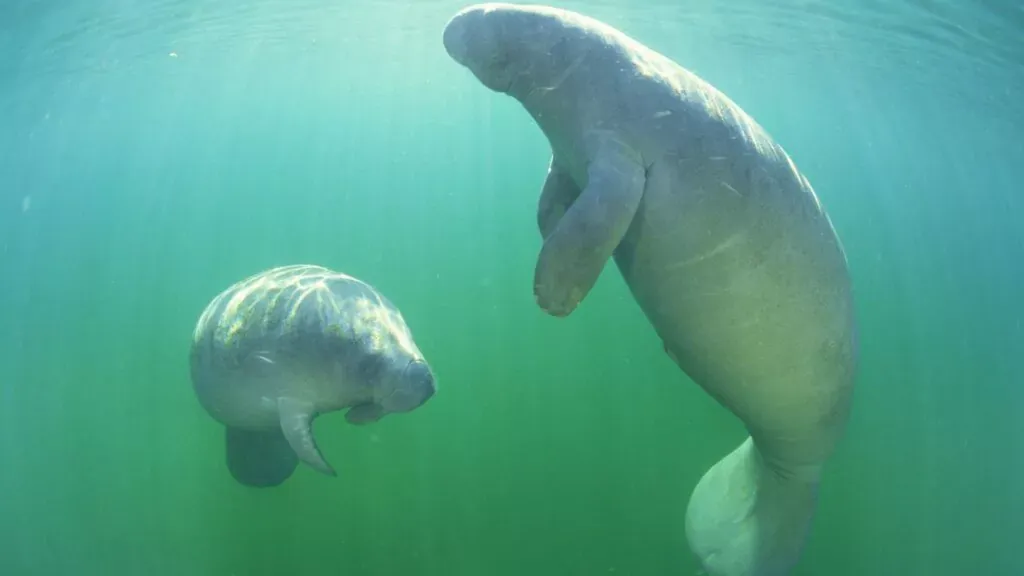
- Amazonian manatees (Trichechus inunguis): Inhabiting the reserve’s oxbow lakes, these gentle aquatic giants depend on abundant, intact aquatic vegetation for sustenance.

Beyond individual species, the Ucayali Rainforest Reserve serves as an ecological corridor connecting fragmented forest ecosystems in surrounding regions. This connectivity enables species such as jaguars, tapirs, and giant anteaters to maintain migratory patterns essential for their survival and genetic diversity. Moreover, the reserve plays a core role in regulating water cycles and supporting local weather patterns, benefiting both wildlife and human populations.
However, despite its ecological richness and global significance, the Ucayali Rainforest faces alarming and ongoing threats that require urgent conservation measures.
Major Threats to Ucayali Biodiversity
The Ucayali Rainforest Reserve is under siege from a variety of anthropogenic pressures, with deforestation leading the charge. According to Global Forest Watch, the Ucayali department loses an estimated 50,000 hectares of forest annually, driven largely by illegal logging, agricultural expansion, and infrastructure projects. This rampant forest loss compromises critical habitats and pushes many species to the brink.

Key Drivers of Habitat Degradation
Several factors contribute to the region’s environmental decline, including:
- Illegal Logging: The relentless demand for hardwoods such as mahogany and cedar has spurred rapid, unsustainable logging operations.
- Agricultural Expansion and Cattle Grazing: Slash-and-burn farming techniques and widespread grazing deplete soil fertility and exacerbate erosion, leaving degraded landscapes in their wake.
- Illegal Mining: Unregulated gold mining activities have resulted in waterway contamination by mercury, severely affecting aquatic species and local communities.
- Klimawandel: Long-term shifts in rainfall patterns and temperature increase the frequency of droughts and alter ecosystems, further destabilizing this biologically rich reserve.
With Ucayali accounting for over 17% of Peru’s annual deforestation, these issues highlight the unmistakable link between human development and environmental degradation. Coordinated regional and global interventions are crucial to address these urgent concerns before the biodiversity of the region is irreparably lost.
Contributions of Indigenous Communities to Forest Preservation
Indigenous stewardship of the Ucayali Rainforest Reserve stands as a cornerstone of its conservation. Over 40 indigenous groups, including the Shipibo-Konibo, Asháninka, and others, have cultivated an ancestral connection to the forest, developing sustainable practices that safeguard its delicate ecosystems while sustaining their livelihoods.

Traditional Ecological Knowledge and Practices
The depth of indigenous knowledge systems lends itself naturally to modern conservation strategies. Long before global attention turned to sustainability, these communities practiced rotational farming, agroforestry, and the careful harvesting of non-timber resources such as Brazil nuts, medicinal plants, and resins. Their holistic understanding of ecosystems ensures that the forest regenerates naturally and continues providing essential resources for future generations. Their notable contributions include:
- Reforestation Initiatives: Communities work alongside NGOs and local authorities to restore degraded lands by planting native tree species, such as mahogany, which support broader regeneration efforts.
- Watershed Protection: Indigenous groups actively monitor water resources, establishing conservation zones that serve as a buffer against illegal fishing, logging, and mining operations.
- Mapping Biodiversity Hotspots: By blending traditional ecological knowledge with modern tools such as GPS technology, communities identify and advocate for the protection of ecologically sensitive areas.
These time-tested practices have garnered global recognition as models for harmonizing development and conservation—a testament to the value of combining traditional knowledge with scientific research.
Strategic Insights for Future Conservation
The fight to protect the Ucayali Rainforest Reserve is a microcosm of global conservation challenges, requiring a multi-layered approach that integrates technology, policy reform, and local partnerships. To ensure sustainable outcomes, conservation strategies must balance environmental preservation with the socioeconomic needs of local communities.
Role of Technology in Conservation
Advancements in technology have become powerful tools for monitoring and mitigating threats in real time. Innovations such as satellite imaging, AI-driven deforestation detection, und remote sensing technologies revolutionize how conservation efforts are implemented. For example, Peru’s government-backed Geobosques platform uses satellite data to identify deforestation hotspots and enables swift action against illegal loggers.
Similarly, drone technology has proven effective for rapid environmental assessments, helping detect illegal activities such as logging and poaching in remote areas. Combined with GIS tools, this data empowers conservationists to allocate resources more efficiently and restore damaged ecosystems with greater precision.
Empowering Collective Action
On-the-ground partnerships with indigenous communities and NGOs are crucial to implementing conservation solutions with local buy-in. Initiatives such as community conservation agreements and eco-tourism provide economic incentives for sustainable resource management, ensuring that conservation efforts align with community well-being.
Abschließende Gedanken
The Ucayali Rainforest Reserve stands as a global ecological treasure; a vital sanctuary for biodiversity, a critical carbon sink for stabilizing Earth’s climate, and a testament to the interdependence of humans and the natural world. Yet, it faces relentless threats from deforestation, pollution, and climate change that endanger not only its wildlife but also the livelihoods of indigenous communities and the planet’s ecological balance.
The solution lies in leveraging innovative technologies, fostering collaborative partnerships, and respecting the stewardship of local communities. The protection of this fragile ecosystem is not just the responsibility of Peru but a global imperative that speaks to humanity’s shared commitment to preserving the Earth’s remaining untouched landscapes. By acting decisively and inclusively now, we secure not only the future of Ucayali but also its ability to inspire generations to come, reminding us all of the extraordinary power and beauty of nature.