In the dense heart of the Peruvian Amazon, sunlight trickles down and an ancient giant rises to meet it. The kapok tree, with its impossibly straight trunk and sweeping buttressed roots, towers above the forest, breaking through the canopy. This is more than a tree:it is the rainforest’s living cornerstone. Bromeliads, orchids, and vines spiral along its immense branches, while macaws and spider monkeys dart through its embrace. To see a kapok tree is to glimpse the pulse of the rainforest itself
Yet its presence extends beyond its physical magnitude. A keystone in the Amazon’s ecology, the kapok tree nurtures biodiversity, maintains soil vitality, and stabilizes entire ecosystems. For generations, it has also symbolized life and balance in Indigenous cultures, its fibers and seeds bridging the gap between sustenance and mythology.
Step closer, and let this giant tell its story. From its staggering physical presence to the interconnected web of life it anchors, the kapok tree is a testament to the enduring vitality and vulnerability of rainforests.
The Towering Presence of the Kapok Tree

Photo: Manuel Ortiz · iNaturalist · CC0 1.0
In the Amazon’s layered expanse, the kapok tree (Ceiba pentandra) emerges like a green skyscraper. Its straight, smooth trunk can surge over 200 feet, dwarfing the greenery below, while its sprawling buttress roots fan outward like sentinels rooting it securely in nutrient-sparse soil.
High above, its expansive canopy captures light where only the tallest canopies reach, forming an essential layer of the rainforest’s architecture. Its sophisticated adaptations allow it to thrive in this demanding environment: spiny bark shields against herbivores, while water-retaining tissues ensure survival during dry spells. These traits make it a model of resilience, standing firm in one of Earth’s most competitive ecosystems.
Higher still, the kapok becomes a haven for vibrant wildlife. Birds like macaws and toucans perch atop its branches for safety and vantage, while agile spider monkeys forage within its green cover.
The Kapok Tree’s Ecological Importance
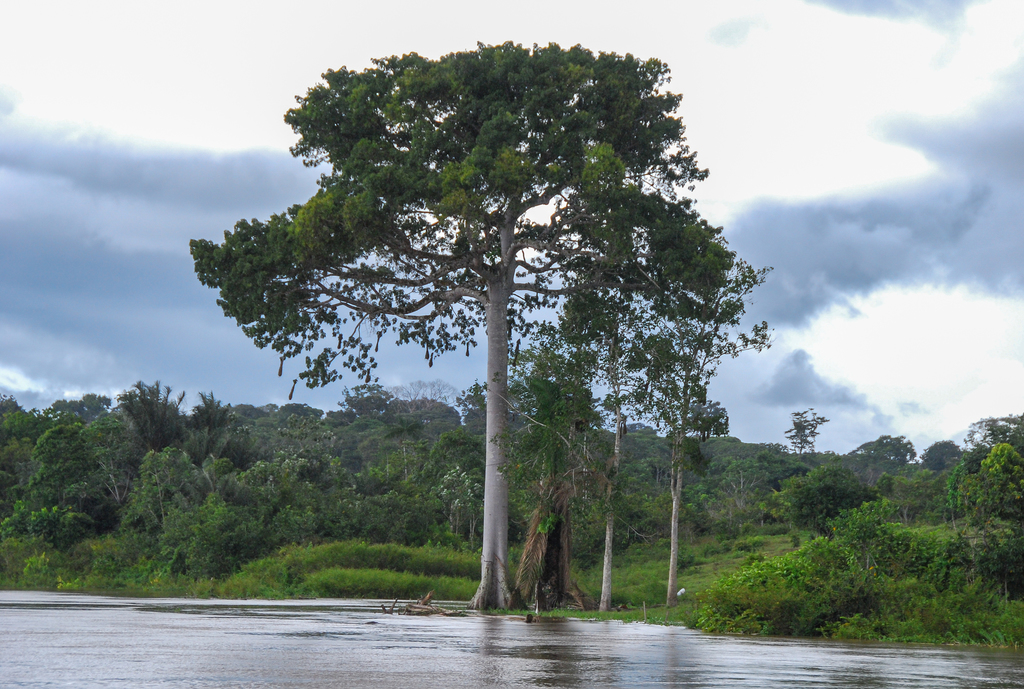
Photo: w_endo · iNaturalist · CC0 1.0
On the nutrient-limited forest floor, the kapok tree contributes to renewal with every falling leaf. As leaves decompose, they enrich the soil, feeding the smaller plants that struggle in its shade. The vast root systems of the kapok prevent erosion, holding the delicate rainforest soil in place.
Its ecological importance extends skyward: the kapok’s immense biomass acts as a carbon reservoir, aiding in global climate regulation. Meanwhile, its fruits and seeds provide nourishment for creatures from bats to toucans, binding the tree into the rainforest’s interdependent food web.
At every level, the kapok tree embodies nature’s interconnectedness. When kapok trees are lost to deforestation or disease, the consequences ripple outward. Key habitats vanish, species lose vital homes, and ecological cycles stall. A rainforest without the kapok is a fractured system, its intricate balance dramatically weaker.
Cultural and Mythological Significance
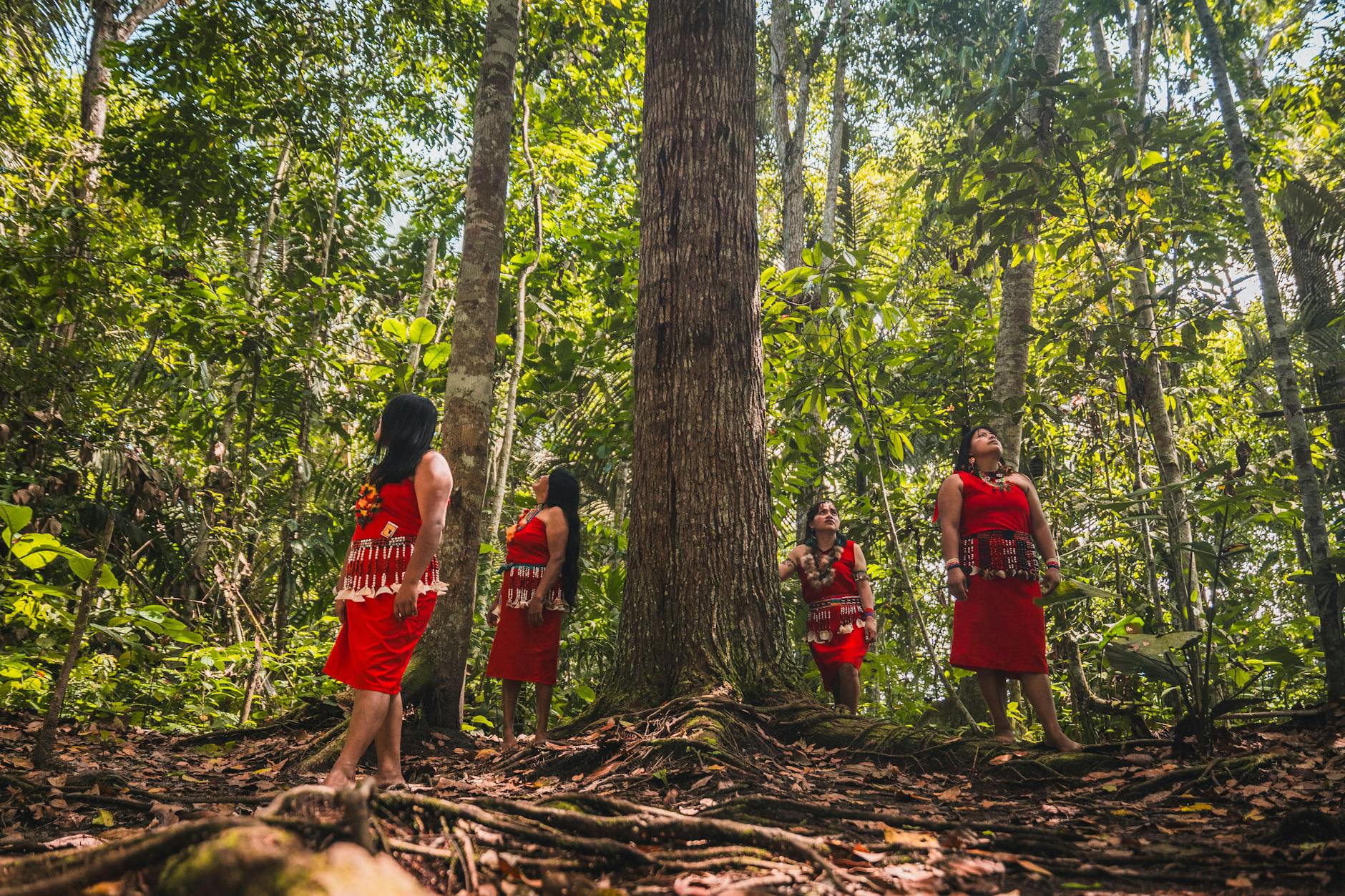
Photo: Bill Salazar · Pexels · Pexels License
For Indigenous communities in the Peruvian Amazon, the kapok tree transcends the material, becoming a sacred bridge between worlds. Some traditions speak of it as a ladder connecting the earth to the sky, a passage to the spirit world. These myths, passed through generations, transform the tree into a symbol of life’s continuity and harmony.
Among certain groups, specific kapok trees serve as ceremonial anchors, their towering presence a testament to resilience and cultural preservation. Protecting these trees safeguards not only biodiversity but also the stories and traditions interwoven with their roots. Each tells a tale of coexistence, responsibility, and respect.
The Threats Facing the Kapok Tree
Despite its grandeur, the kapok tree is vulnerable to humanity’s relentless reach. Deforestation fueled by agriculture and logging tears into its habitat, often targeting the kapok directly due to its high timber value and accessibility.

Photo: Sylvain Montagner · iNaturalist · CC BY 4.0
What deforestation doesn’t fell, climate change exacerbates. Rising temperatures and prolonged droughts compromise the balance this giant depends on, putting its resilience to the ultimate test.
The Ripple Effect of Losing an Ecological Keystone
The loss of a kapok tree ripples outward, fracturing ecosystems and dismantling cultural links. When these giants fall, habitats collapse, species scatter, and rainforests shrink both in scale and richness. One tree’s disappearance doesn’t just echo:it leaves a void where life flourished.
Protecting the Amazon Giant
The key to the kapok tree’s survival lies in collaborative preservation. Indigenous communities, long the rainforest’s stewards, are essential partners in protecting these giants and their surrounding ecosystems. Grassroots conservation efforts driven by local knowledge blend ancient practices with modern strategies, securing forests for future generations.
How Fund The Planet Contributes
Fund The Planet champions these efforts, preserving kapok tree habitats through legally protected reserves and innovative strategies. By working directly with locals , we ensures that vital areas remain untouched by destructive forces.
The kapok tree is more than a towering figure in the Amazon; it is the spine of an irreplaceable rainforest network. Its roots stabilize fragile soils, its soaring canopy shelters multitudes, and its massive bulk sequesters climate-altering carbon. Yet it teeters on the edge of survival, facing deforestation and climate change that threaten both its towering presence and the ecosystem it sustains.
This isn’t just about saving one tree. Preserving the kapok is about protecting the intricacies of the rainforest itself, from its smallest insect to its cultural bedrock. Modern conservation, working hand-in-hand with Indigenous wisdom, is our best chance to shield this ecological giant. When we protect the kapok, we protect far more than a tree:we safeguard the Amazon’s vibrant, irreplaceable symphony of life.