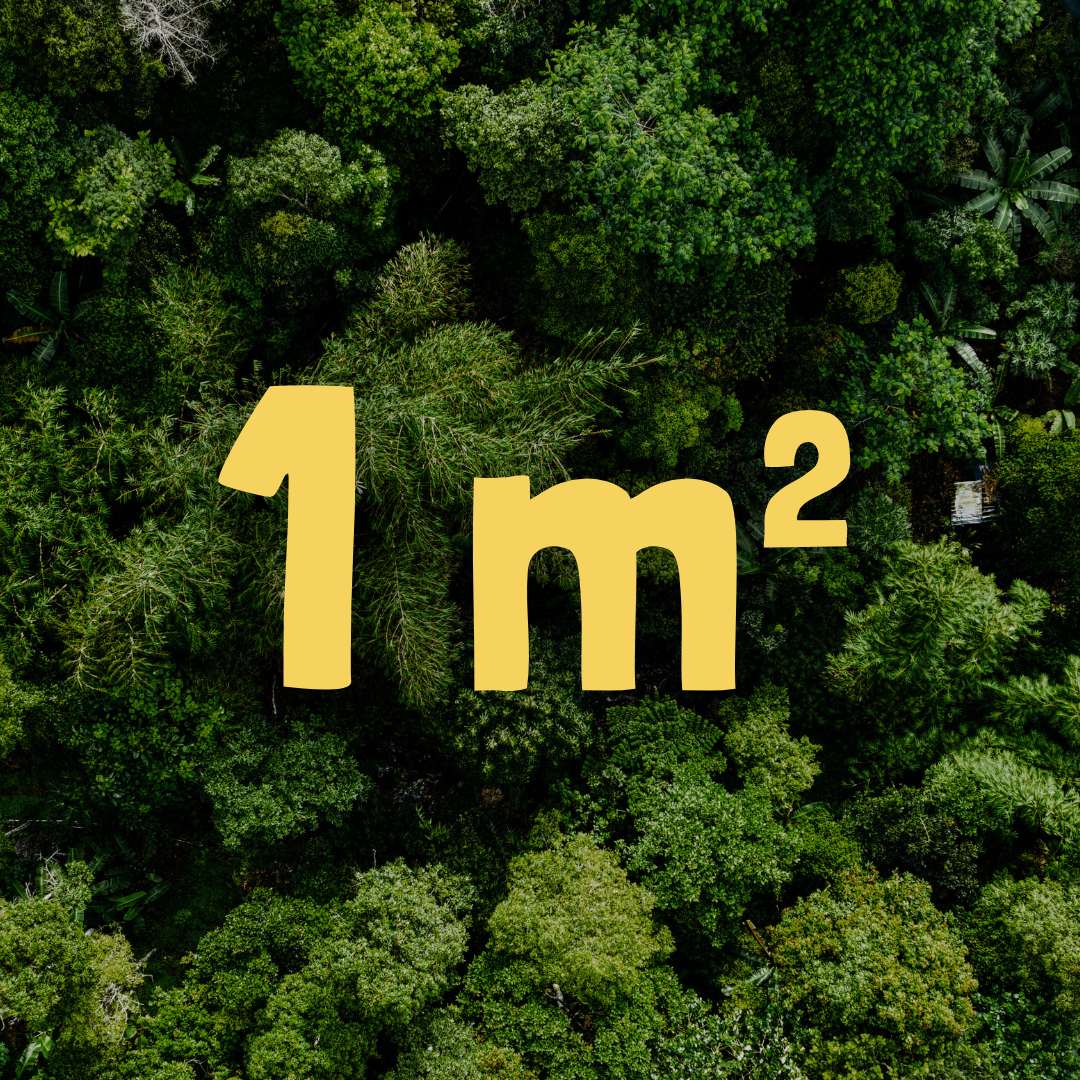
Palm oil is used in food, cosmetics, cleaning products and biofuel. It is efficient, but the way plantations are expanded can damage forests and wildlife. IUCN reports that global production rose fifteenfold between 1980 and 2014, and that most supply comes from Indonesia and Malaysia. The issue is not simply palm oil itself. It is whether new plantations replace forests that should remain standing.
Between 1980 and 2014, global palm oil production increased fifteenfold, rising from 4.5 million to 70 million tonnes annually. Today, Indonesia and Malaysia together produce about 85% of the world’s supply. The question is not whether we can grow palm oil. We clearly can. The question is whether we can do it without clearing the forests that hold some of the planet’s richest biodiversity.
Where Palm Oil Hides in Everyday Products
One reason palm oil deforestation is so hard to fight is that most consumers do not know they are buying it. The ingredient rarely appears on a label as simply “palm oil.” Instead, it hides behind a long list of derivative names: palm kernel oil, palmate, palm stearin, sodium lauryl sulfate, and dozens more. These ingredients appear across food, cosmetics, cleaning products, and personal care items.
The oil palm tree is genuinely productive. It generates about 35% of all vegetable oil worldwide while using less than 10% of the land allocated to oil crops. That efficiency is real, and it is one reason the crop expanded so quickly. But the scale of that expansion has come at a cost that efficiency alone cannot justify. You are probably consuming rainforest products every day without realizing it, and palm oil is one of the most common.
For consumers who want to understand what they are actually buying, the first step is awareness. Apps and guides exist to decode ingredient lists, but the sheer number of palm oil derivatives makes this a challenge. The real leverage point is not just individual label-reading. It is pushing brands toward supply chain transparency and holding certification schemes accountable for what they promise.
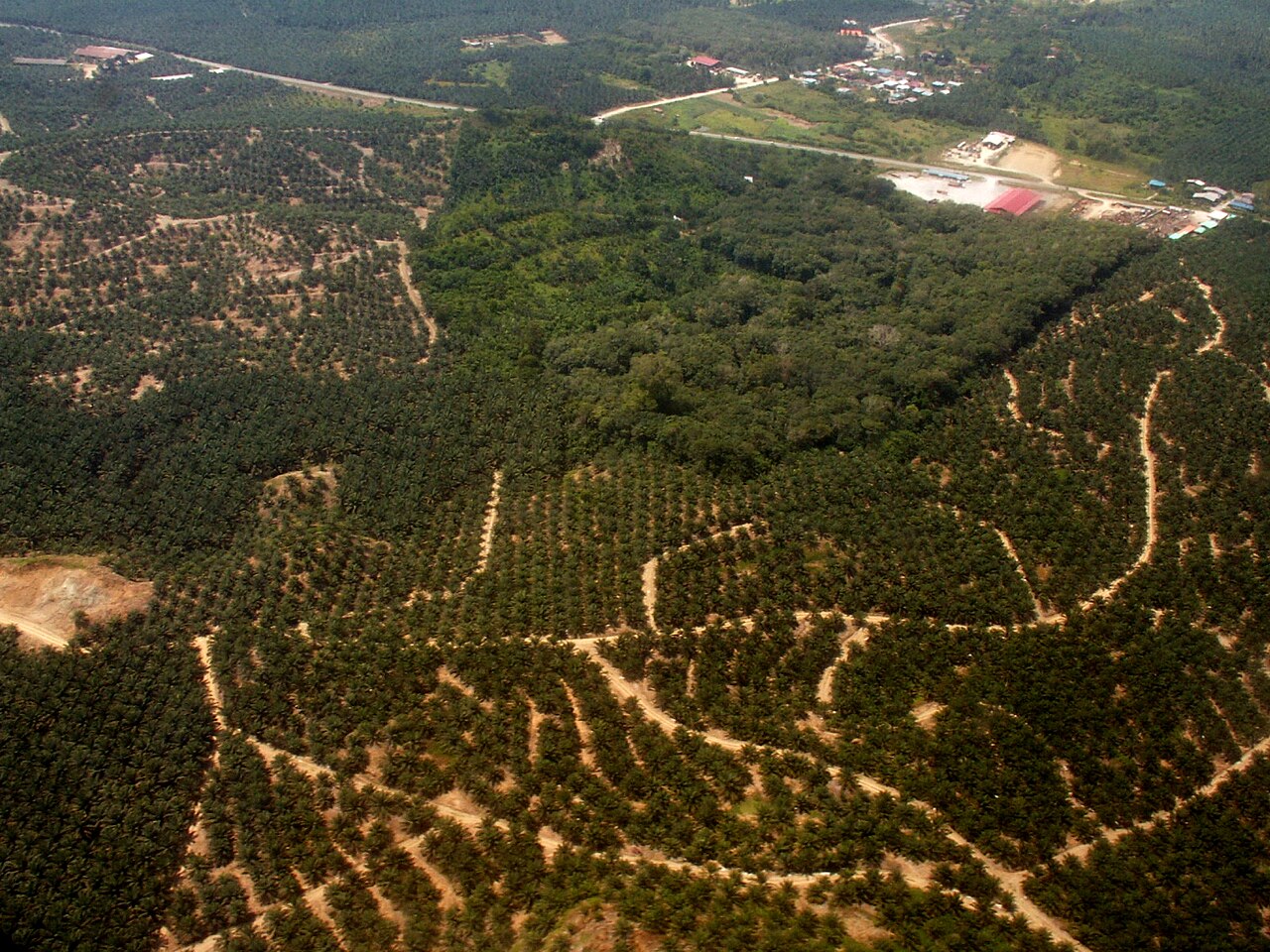
In Borneo, IUCN reports that at least half of deforestation recorded between 2005 and 2015 was related to oil-palm development. The pattern matters because plantations can turn one continuous forest into isolated fragments that are harder for wildlife and local communities to use.
How Palm Oil Drives Deforestation
The connection between palm oil and forest loss is not abstract. On the island of Borneo, at least 50% of all deforestation between 2005 and 2015 was linked to oil palm expansion. That destruction fragmented some of the oldest tropical forests on Earth and displaced Indigenous communities who had protected those forests for generations. Borneo’s deforestation story shows what happens when a single commodity drives land-use decisions at industrial scale.
Indonesia, the world’s largest palm oil producer, lost 433,751 hectares of forest in 2025, a 66% increase from the previous year. Of that total, oil palm accounted for 14%, or roughly 37,483 hectares. Those numbers matter, but they also understate the risk. According to Trase and the Stockholm Environment Institute, 2.4 million hectares of intact forest remain inside Indonesia’s existing oil palm concessions. That is forest already designated for potential clearing, forest that has not been cut yet but could be.
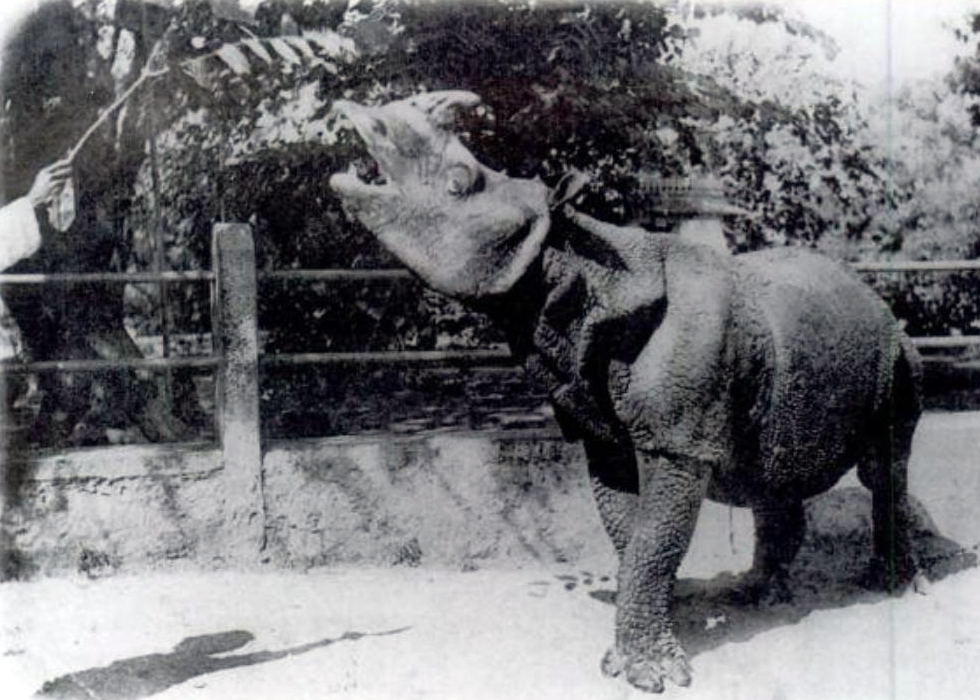
The biodiversity toll is staggering. The IUCN reports that palm oil expansion affects at least 193 threatened species globally. These are not abstract statistics. They include orangutans, Sumatran tigers, pygmy elephants, and hundreds of lesser-known species whose habitats overlap with oil palm zones. When a forest is cleared for a plantation, it is not just trees that disappear. It is the entire web of life that depended on them.
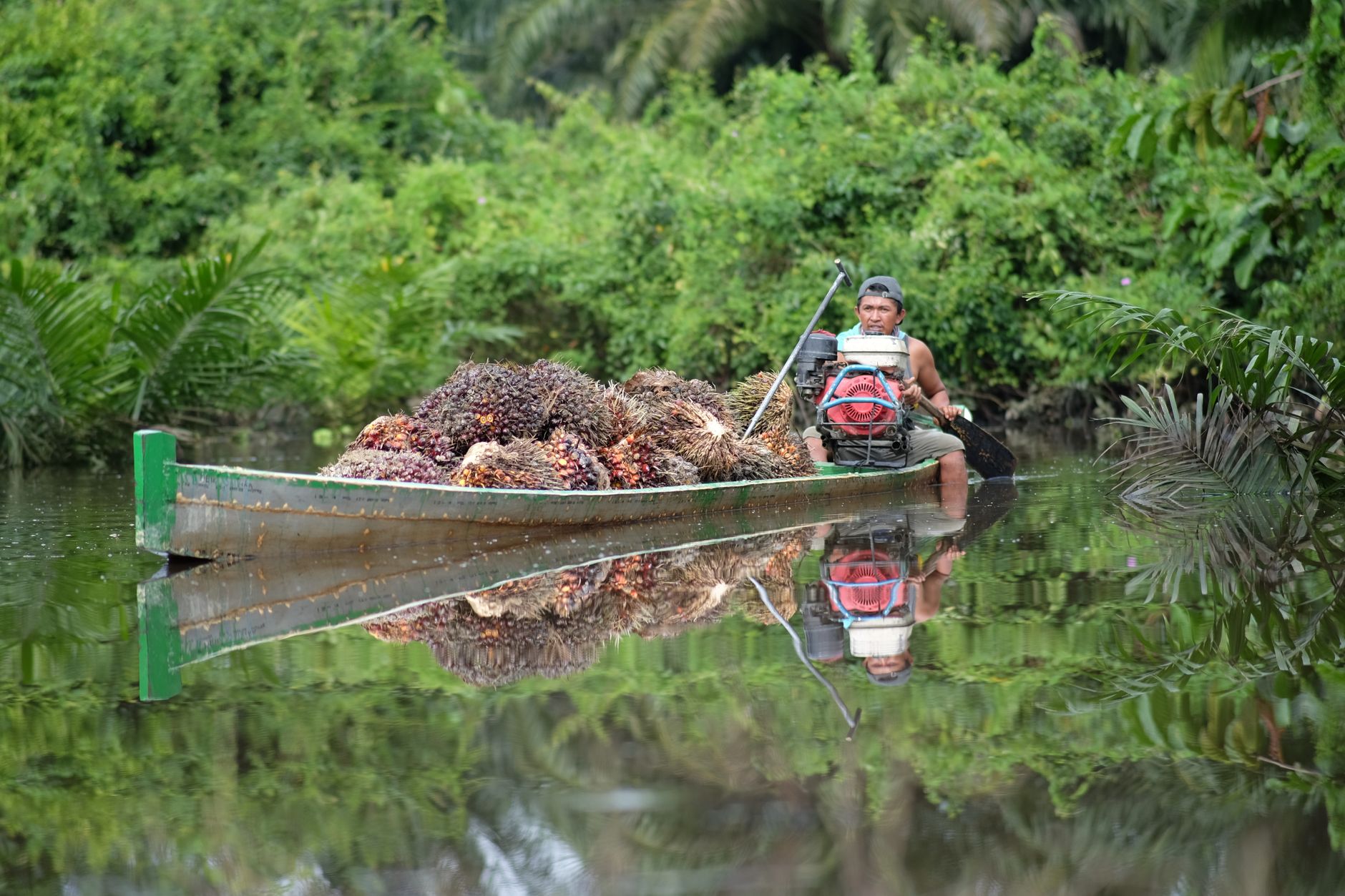
RSPO certification gives companies a framework for sourcing certified sustainable palm oil. It can be a useful signal, but a label is not proof by itself. Look for traceability, a public sourcing policy and evidence that forest clearing is excluded.
What Certification Actually Delivers
The Roundtable on Sustainable Palm Oil (RSPO) was created to address these problems. It certifies palm oil produced under standards that prohibit clearing primary forest and require environmental protections. In theory, buying products with RSPO-certified palm oil should support better practices. In practice, the picture is more complicated.
Studies have found that certification schemes often struggle with enforcement, traceability, and scope. Not all palm oil in a certified product may actually be certified. Some critics point out that RSPO covers only a fraction of global production. Greenwashing is a real concern here, and consumers deserve honest answers about what labels actually guarantee. Certification is not worthless, but it is not a silver bullet either.
That said, the direction of travel is positive. More companies are publishing supply chain data. More consumers are asking questions. Indonesia’s government has imposed moratoriums on new plantation permits in certain areas. The system is far from perfect, but it is moving. The challenge is making that movement fast enough to protect the forests that remain.
Start with the products and supply chains you use most. Our guides to rainforest products in everyday life, deforestation in Borneo and spotting greenwashing can help make those questions more practical.
What You Can Actually Do
Avoiding palm oil entirely is technically possible but practically difficult, given how many products contain it or its derivatives. A more realistic approach combines several strategies that push the system from different angles.
Start by looking for products that disclose their palm oil sourcing. Brands that name their suppliers and publish traceability reports are doing more than those that hide behind vague sustainability claims. Support organizations working to protect intact rainforest before it enters the supply chain. Direct rainforest protection, the kind Fund The Planet pursues in the Peruvian Ucayali region, keeps standing forest out of reach of agricultural expansion entirely.
Advocacy matters too. Push for stronger regulations on deforestation-linked imports. The EU’s deforestation regulation, which requires companies to prove their products are not linked to recent forest loss, is a step in that direction. Consumer pressure on brands has real effects when it is sustained and specific.
The palm oil problem is not going away overnight. But the forests that remain are still standing, and the choices made in the next decade will determine whether they stay that way. How to save the rainforest is not a mystery. It requires protecting what exists, demanding transparency from the industries that profit from its destruction, and supporting the people and organizations doing that work on the ground.



 EN
EN  DE
DE