A new FAO report makes a useful correction to how forests are often discussed. Forests are not only carbon stores, wildlife habitat or scenery around farms. They are part of food systems.
The report, published on September 15 by the Food and Agriculture Organization of the United Nations and the Landscape Alliance, is titled Forests for food: Nourishing people, sustaining the planet. It brings together evidence on forest foods, livelihoods and the services that support agriculture. Its point is practical: food security policies are weaker when they treat forests as separate from the systems that feed people.
Forest foods are already part of many diets
FAO’s launch announcement says forests and trees provide fruits, nuts, tubers, mushrooms, edible insects and wild meat. It reports that more than 50,000 wild species are used for food, medicine and other purposes, including at least 10,000 eaten directly as food.
Those numbers describe a food system that can be easy to overlook because much of it is local, seasonal or informal. For many families, forest foods are not a novelty. They are part of daily nutrition, income or a fallback when crops fail and prices rise.
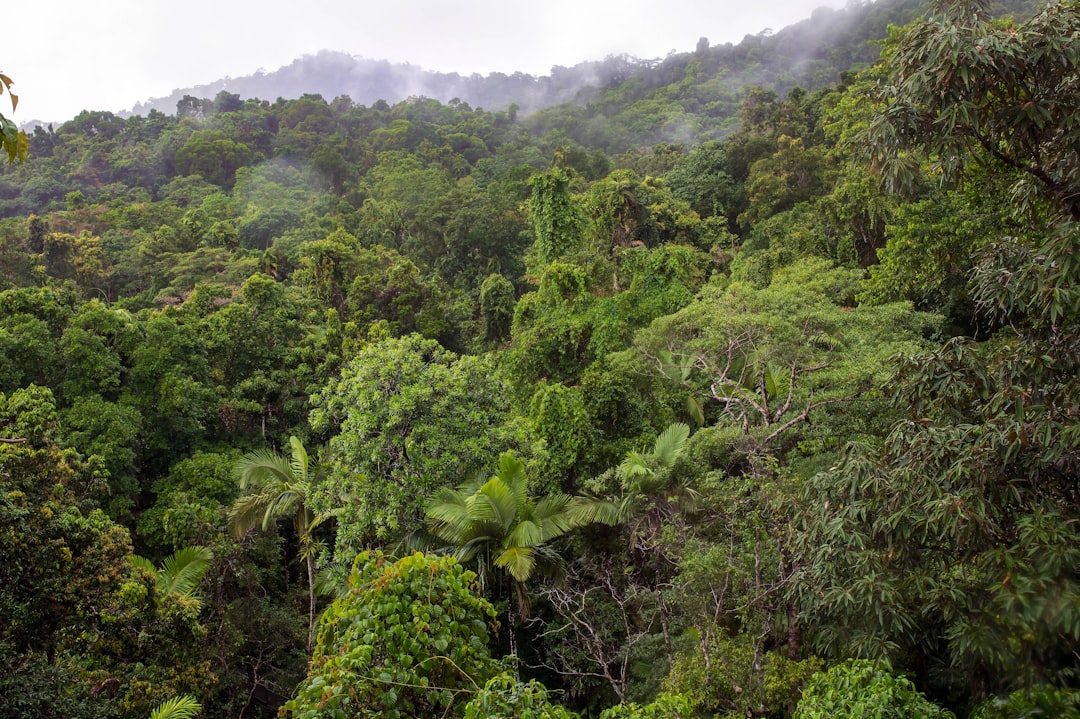
Caption: To be filled after licence-checked media selection.
The report is also careful to connect food with health. Forest plants contribute medicines, while forests support the water, soil and biodiversity that agriculture depends on. That does not mean every forest must be used as a food source. It means food policy should recognise the many ways living forests support diets and livelihoods.
The Amazon example is specific
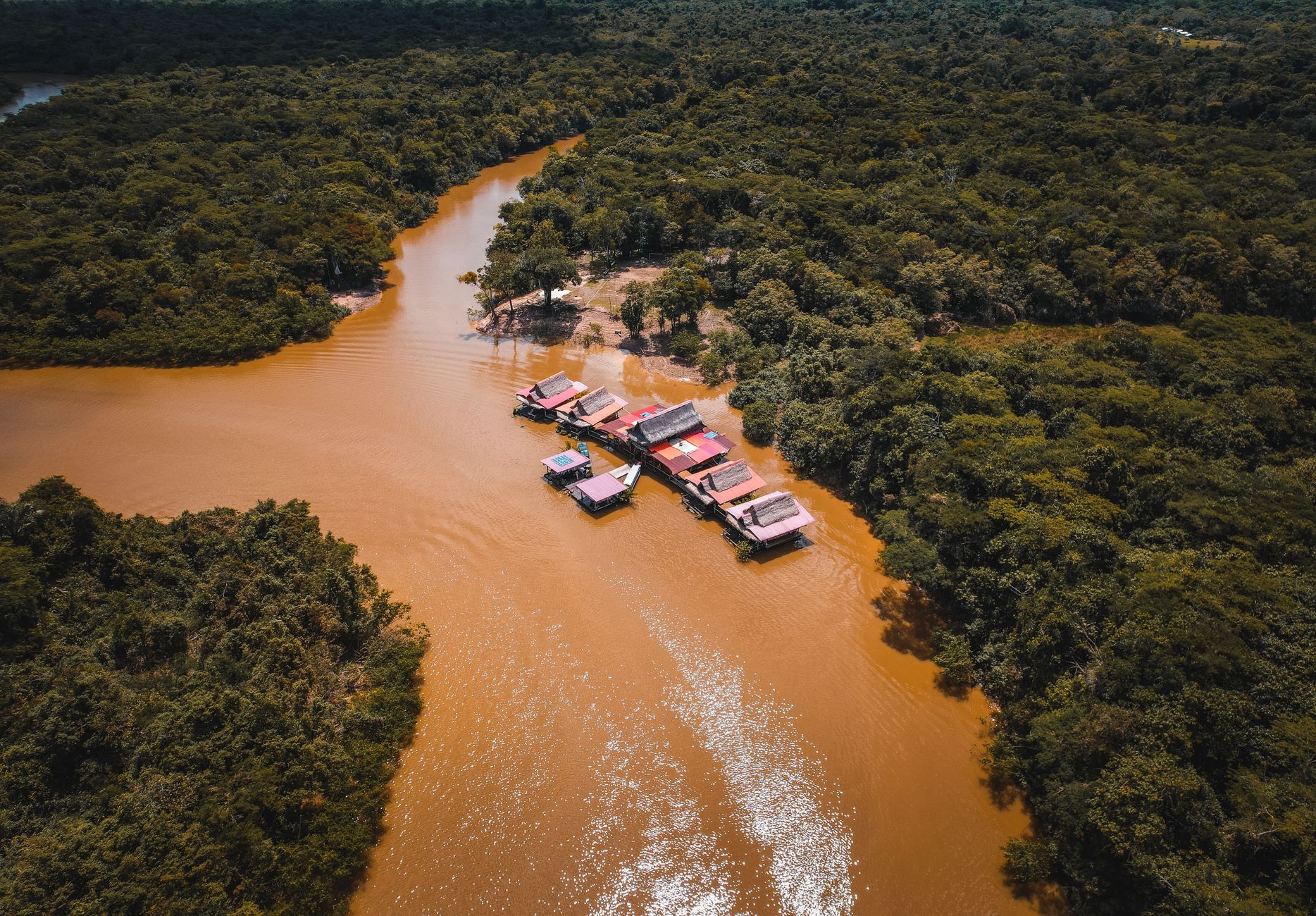
The FAO release gives an Amazon example rather than leaving the argument at a global level. It says fish account for 44 percent of food consumed by weight in the Amazon, alongside wild meat, Brazil nuts and açaí berries.
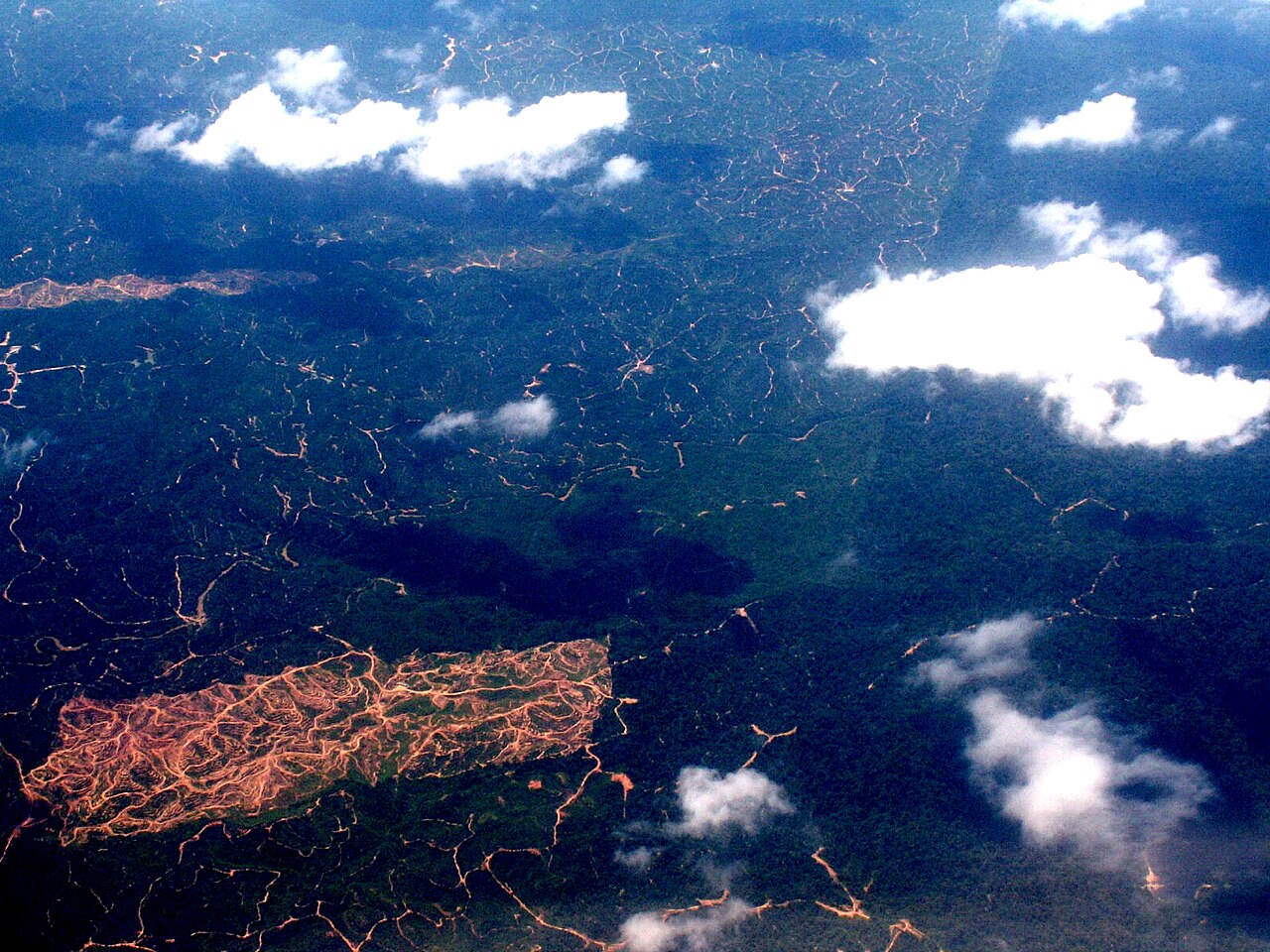
That is a useful reminder that forests, rivers and food are connected. Clearing forest can affect wildlife and tree products directly, but it can also alter water systems, soil protection and the wider conditions that support fishing and farming.

Caption: To be filled after licence-checked media selection.
Readers looking for a closer introduction to this relationship can explore how Indigenous peoples and the Amazon are connected and our overview of the Ucayali rainforest’s biodiversity, communities and conservation. The new FAO report does not turn those relationships into a single universal story. Food systems differ by place, and policies need to start from that reality. Rainforest conservation and reforestation are also different choices with different effects on food systems.
Protection supports farms too
The report describes forests as support systems for agriculture, livestock and fisheries. Forested watersheds help regulate water. Trees and forest cover can protect soil, cycle nutrients, support pollinators and provide shade or resilience in managed landscapes.
That is why forest protection should not be presented as a choice between people and food. In many places, losing forest can make food production less secure over time. The benefits may be less visible than a harvest, but they are still material.

Caption: To be filled after licence-checked media selection.
The report offers 12 recommendations across policy, management, information and governance. They include integrated, context-specific policy; sustainable management of forest foods; better data; public investment; and stronger institutional capacity. The detailed report is freely available under a Creative Commons Attribution 4.0 licence, so its evidence can be read directly rather than filtered through a headline.
What changes after this report
The report does not claim that forests alone can end hunger. It argues that food policy needs a fuller picture of the resources people already use and the ecological systems that make agriculture possible.
That is a sensible place to start. Protecting forests protects habitat and climate functions, but it can also protect access to food, nutrition and income. The next question is whether governments will carry that understanding into land-use, agriculture and food-security decisions, where it can make a real difference.
In summary, the FAO forests for food report 2026 emphasizes the integral role that forests play in global food systems. By highlighting the connections between forest resources and food security, the FAO forests for food report 2026 encourages policymakers to adopt a more holistic approach. As we move forward, it is crucial to integrate the insights from the FAO forests for food report 2026 into sustainable land-use practices. Ultimately, embracing the recommendations of the FAO forests for food report 2026 can lead to healthier ecosystems and more resilient communities, ensuring that forests continue to nourish both people and the planet.
In conclusion, the FAO forests for food report 2026 serves as a crucial reminder of the interconnectedness of forests and food security. By advocating for integrated policies that recognize the multifaceted benefits of forests, the FAO forests for food report 2026 encourages a holistic approach to food systems that prioritizes sustainability and resilience. As we move forward, it is essential for policymakers to embrace the insights from the FAO forests for food report 2026 to create a future where both people and ecosystems thrive together.

 EN
EN  DE
DE