Indonesia’s Javan rhinos appear to have come through the latest Anak Krakatau eruption without reported deaths. That is welcome news, but it is not a full all-clear. The species survives in one wild population at Ujung Kulon National Park, and its numbers are disputed.
The eruption began on September 4. Park authorities said on September 7 that vibrations and noise had had minimal effect on the rhinos’ habitat. A conservation researcher told Mongabay on September 10 that there had been no reports of rhino deaths linked to the eruption. “Appear safe” is the right phrase because it describes the available checks without pretending every animal has been individually accounted for.
What the eruption means for the rhinos now
NASA’s September 9 satellite account confirms that the Anak Krakatau eruption sent ash into the atmosphere, disrupted flights and worsened air quality. The volcano sits in the Sunda Strait, about 50 kilometres from Ujung Kulon.
The immediate concern was whether ash, vibration or disturbance had harmed the park’s rhinos. The answer so far is cautiously reassuring. Mongabay’s report says rangers remain on guard and that the habitat was minimally affected by the early eruption impacts.

Caption: To be filled after licence-checked media selection.
That does not make the population secure. A volcanic event can change quickly, and the bigger conservation problem has not changed: all wild Javan rhinos are concentrated in one coastal park.
One habitat leaves no room for a big mistake
Javan rhinos once ranged across parts of South and Southeast Asia. Today, Ujung Kulon is their only remaining wild home. A population concentrated in one place is exposed to disease, habitat change and disasters that a more dispersed species might survive.
A tsunami is the most frequently cited fear in this setting. Ujung Kulon’s coastal habitat was affected by the 2018 Sunda Strait tsunami, and conservationists have long argued for a second habitat away from the highest-risk zone. The current eruption has revived that question without proving that a tsunami is imminent.
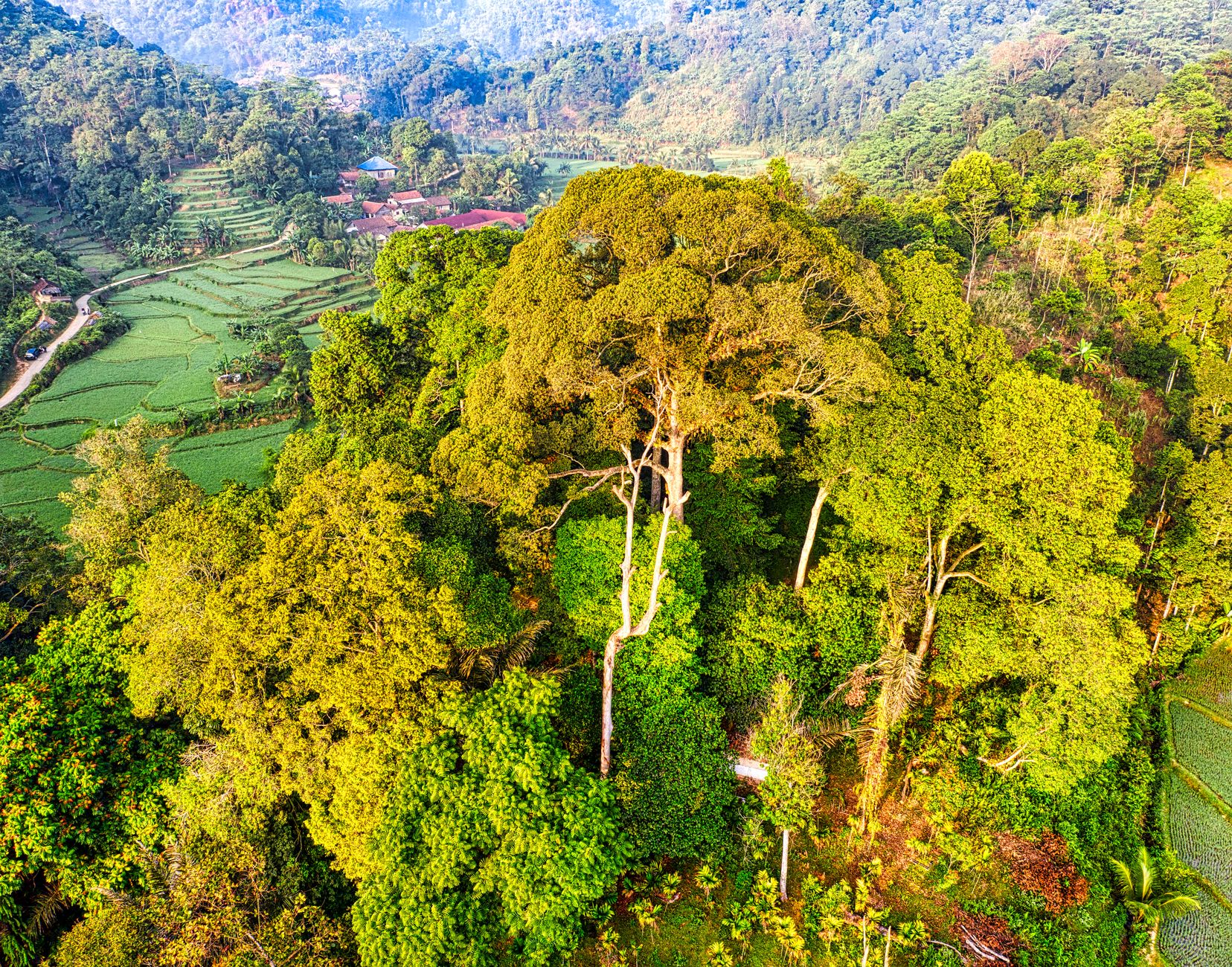
Caption: To be filled after licence-checked media selection.
This is why the news should not become a simple survival story. The rhinos appear safe after this eruption. Their survival still depends on reducing the risk that one event could harm the entire wild population.
The population number is not settled
Official and independent counts do not match. Mongabay notes that the IUCN estimates a current minimum population of about 50, while Indonesia’s forestry ministry has cited 87 to 100. Past reporting also raised questions about whether animals that had not appeared on camera traps for years were still included in official totals.
Those differences should not be used to make the species seem hopeless or to pick a convenient number. They are a reason for caution. Small populations need reliable monitoring because decisions about habitat, disease and any movement of animals depend on knowing who is still alive and where they are.

Caption: To be filled after licence-checked media selection.
The wider lesson applies beyond rhinoceroses. In rainforest biodiversity hotspots, the most vulnerable species are often those whose habitat has been reduced to fragments. Protecting endangered species through rainforest conservation means protecting enough connected habitat that a single disaster does not decide the future of a species. Protecting biodiversity in the Amazon offers another example of why monitoring matters before a population becomes harder to recover.
Safe today is not the same as safe enough
The immediate update is positive: no rhino deaths have been reported from the eruption, and park officials say the animals appear normal. That deserves to be said clearly.
It should also keep attention on the harder work. A second, safer habitat, strong monitoring and careful population management would give the Javan rhino more than one chance. For a species confined to one coastal refuge, that is the difference between getting through the latest emergency and being ready for the next one.
As we reflect on the Javan rhinos Anak Krakatau eruption 2026, it is crucial to remember that their survival hinges on proactive conservation efforts. While the initial reports are encouraging, the ongoing vulnerability of the Javan rhinos underscores the need for a comprehensive strategy that includes habitat expansion and rigorous monitoring. The Javan rhinos Anak Krakatau eruption 2026 serves as a reminder that today’s safety does not guarantee tomorrow’s security. Ensuring the long-term survival of these magnificent creatures requires us to act decisively, especially in light of the lessons learned from the Javan rhinos Anak Krakatau eruption 2026.



 EN
EN  DE
DE