Inhaltsverzeichnis
A single square kilometer of tropical rainforest is an intricate tapestry of life, hosting thousands of plant and animal species found nowhere else on Earth. These biodiversity hotspots, critical reservoirs of life, are vanishing at an alarming pace, threatening the delicate balance of global ecosystems and the essential services they provide.
Why does this matter? Rainforest biodiversity hotspots are not only teeming with unique species; they are indispensable for regulating Earth’s climate, maintaining freshwater cycles, and securing food resources. Their preservation is a cornerstone for environmental resilience and the prevention of widespread species extinction.
In this guide, we’ll uncover what defines these extraordinary areas, why even small fragments of rainforests hold profound conservation value, and how protecting them benefits both nature and humanity.
What Defines a Biodiversity Hotspot?
A biodiversity hotspot is a region with exceptional biological richness and high ecological value, facing significant threats to its survival. According to the widely accepted criteria established by Norman Myers in 1988, a region must meet two benchmarks to qualify:
- It must host at least 1,500 species of vascular plants as endemics, meaning species found nowhere else in the world.
- It must have lost at least 70% of its original vegetation, highlighting its vulnerability to further degradation.
These criteria emphasize the urgent need to protect areas where the loss of biodiversity would have an outsized ecological impact.
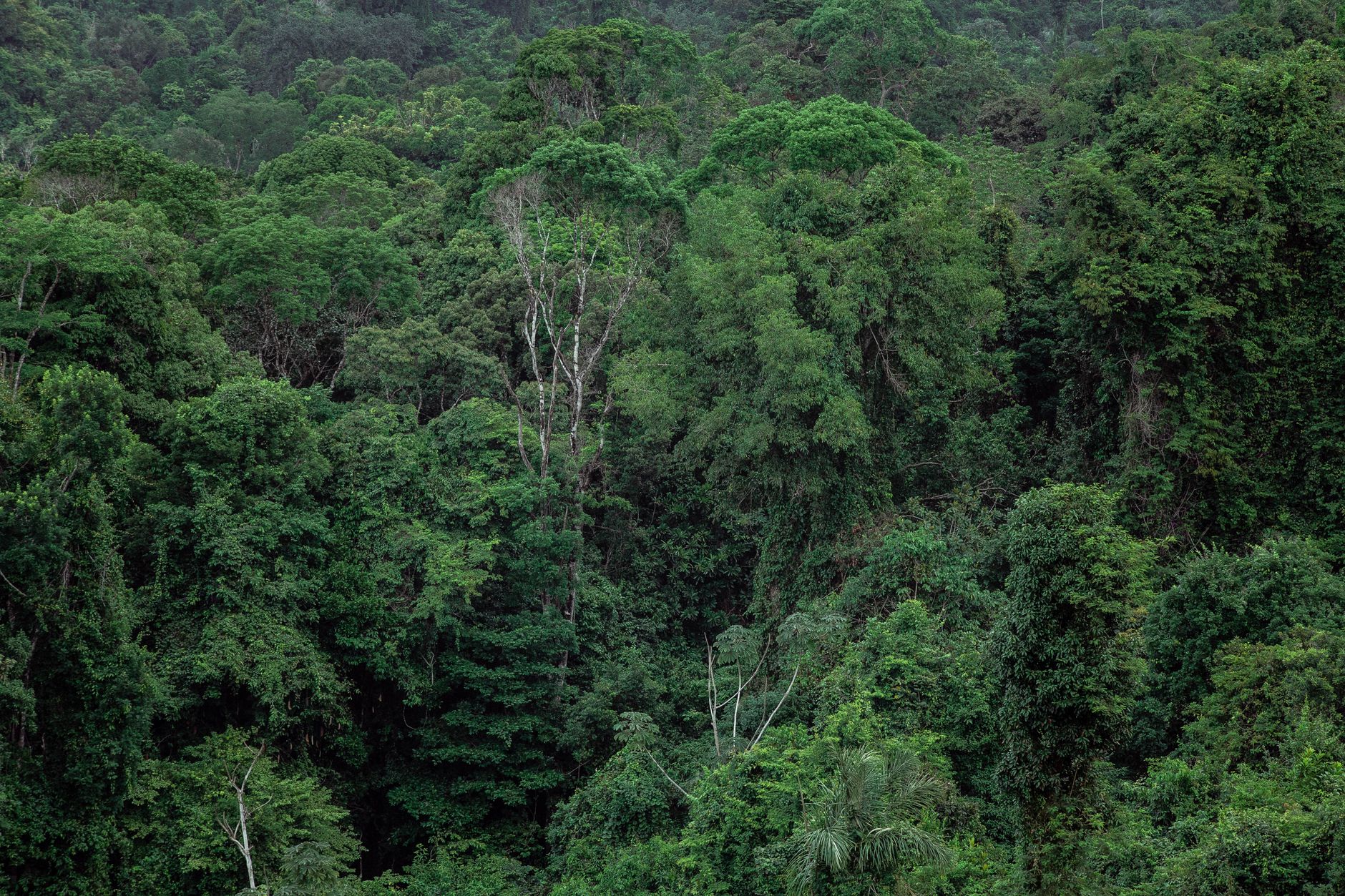
Why are rainforests integral biodiversity hotspots? Tropical rainforests are among the most biologically diverse ecosystems on Earth. For instance, the Amazon Rainforest is home to approximately 10% of all known species, ranging from jaguars to rare medicinal plants. Similarly, regions like the Sundaland Rainforest in Southeast Asia and the Eastern Himalayas support a wealth of life, including orangutans, tigers, and rhododendrons. These areas also provide critical services such as carbon storage, water filtration, and oxygen production.
However, the accelerating pace of deforestation combined with climate change threatens the survival of these ecosystems. Even small patches of rainforest are under pressure, underscoring the need for immediate and impactful conservation efforts.
Geographic Locations of Major Rainforest Biodiversity Hotspots

Rainforest biodiversity hotspots are scattered across the globe, each offering unparalleled ecological importance. Below are some of the most significant hotspots and their key characteristics:
1. Amazon Rainforest (South America)
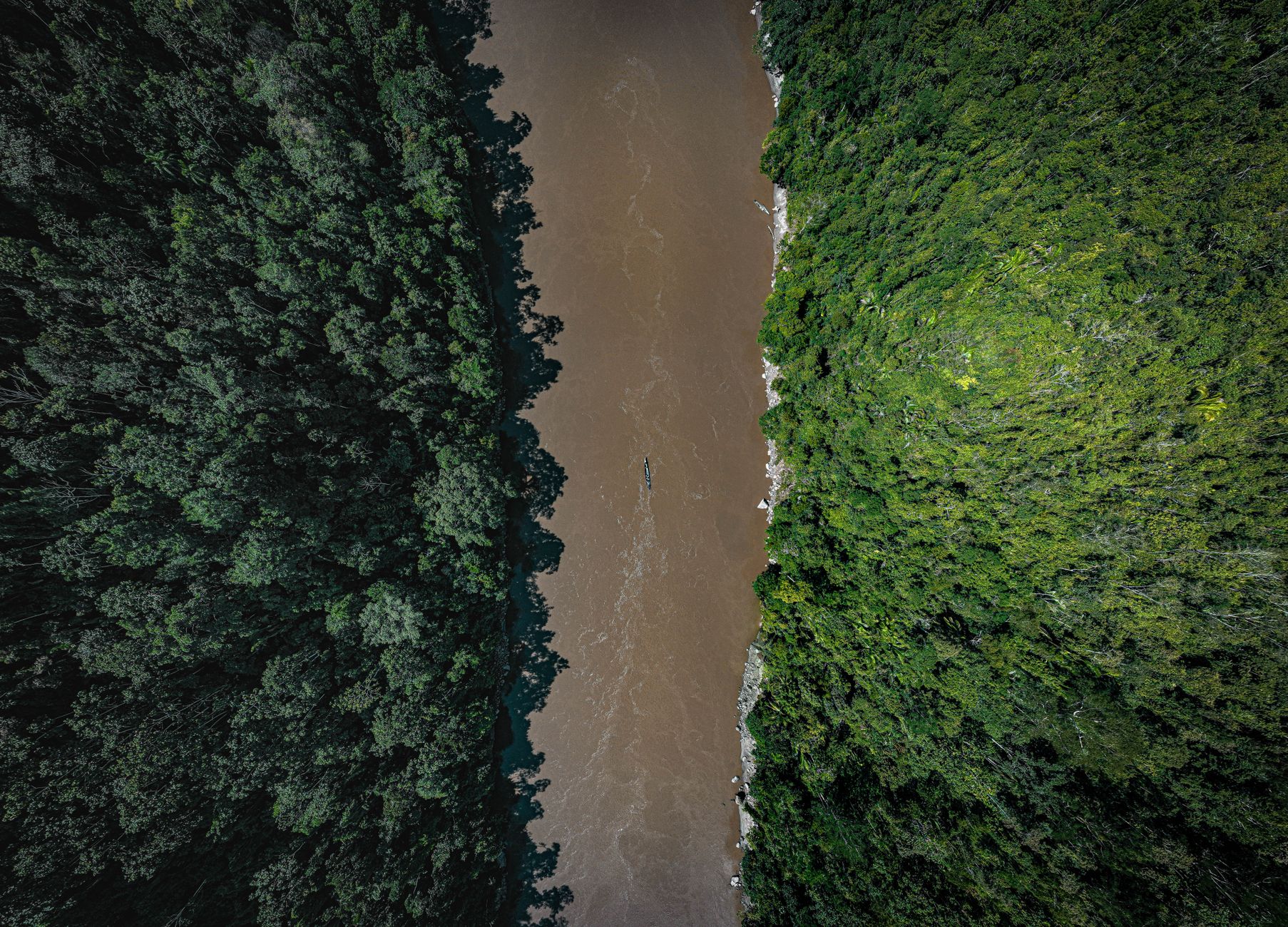
The Amazon spans nine countries, with the majority in Brazil. With more than 390 billion trees, it is one of the largest carbon sinks on Earth. The Amazon is home to emblematic species such as jaguars, harpy eagles, and pink river dolphins, while also accounting for 16% of the planet’s river discharge. Beyond its ecological significance, it plays a major role in stabilizing global weather patterns.
2. Congo Basin (Africa)
The Congo Basin, the world’s second-largest rainforest, supports endangered species like forest elephants, bonobos, and okapis. It also serves as a massive carbon reservoir, storing approximately 30 billion metric tons of carbon. The basin is a lifeline for over 75 million people, who depend on it for sustenance and livelihoods.
3. Indo-Malayan Region (Southeast Asia)
This region includes the Sundaland hotspot, covering parts of Indonesia, Malaysia, and the Philippines. It boasts endemic treasures such as the Sumatran rhinoceros and the proboscis monkey. Unfortunately, widespread deforestation, especially for palm oil plantations, has caused the loss of critical habitats, leaving many species on the brink of extinction.
4. Western Ghats-Sri Lanka (Indian Subcontinent)
The Western Ghats and the forests of Sri Lanka harbor incredible endemic species like the Neelakurinji flower, which blooms once every 12 years, and a wealth of amphibian diversity. However, urban sprawl and agricultural activities have reduced this biome’s original forest cover by nearly 75%, making conservation efforts all the more urgent.
Each of these hotspots illustrates the interconnectedness of biodiversity, ecosystem stability, and human survival. Their preservation not only safeguards endangered species but also maintains the health of the planet’s climate systems.
Conservation Challenges and Solutions in Biodiversity Hotspots
Despite their undeniable importance, tropical rainforest biodiversity hotspots face a range of escalating threats. Thankfully, solutions are emerging, demonstrating that conservation is a feasible and impactful endeavor.

Key Challenges to Conservation
- Deforestation and Habitat Loss: Industrial-scale agriculture, logging, and infrastructure expansion are the leading causes of habitat destruction. For instance, the annual deforestation rate in the Amazon reached alarming levels, partly driven by cattle grazing and soybean farming.
- Klimawandel: Increased temperatures and shifting weather patterns force species to adapt or relocate to cooler, fragmented environments, often resulting in population decline.
- Illegal Wildlife Trade: Hotspots are prime targets for illegal poaching and trafficking. Species such as pangolins, tigers, and parrots are pushed closer to extinction due to the lucrative global wildlife trade.
- Insufficient Funding: Conservation funding often fails to meet the financial demands needed for long-term, effective solutions, particularly in developing regions.
Innovative Solutions
- Community Involvement: Indigenous groups in the Amazon have implemented sustainable agroforestry practices that restored over . of degraded land between 2015 and 2020.
- Global Agreements: Initiatives like the UN Convention on Biological Diversity set clear global targets for biodiversity protection, driving cross-border cooperation to manage hotspots more effectively.
- Corporate Responsibility: The adoption of zero-deforestation policies among major corporations has shown promising results. For example, Brazil’s soy moratorium led to an 80% decline in deforestation rates since its inception in 2006.
- Technological Advancements: Drones, satellite imagery, and AI-powered monitoring systems are helping conservationists analyze and protect vulnerable habitats with unprecedented accuracy.
Practical Steps to Safeguard Biodiversity Hotspots
1. Integrated Land-Use Planning
Sustainable zoning policies can harmonize the needs of economic development with ecological conservation. Programs like Costa Rica’s Payments for Environmental Services (PES) reward private landholders for preserving forests, reducing deforestation, and maintaining critical wildlife habitats.
2. Lokale Gemeinschaften befähigen
Providing resources, education, and economic incentives for indigenous and local communities ensures grassroots participation in conservation efforts. Research shows that conservation programs are most effective when communities feel ownership over restored lands.
3. Promoting Global Collaborative Efforts
Transnational cooperation is key to managing biodiversity hotspots successfully. Countries must allocate greater investments to landscape restoration initiatives while fostering partnerships between governments, NGOs, and businesses.
4. Advancing Education and Awareness
Building public awareness around biodiversity’s importance can inspire greater collective action. Schools, media campaigns, and ecotourism programs are some methods that can deepen the public’s connection to conservation efforts.
Abschließende Gedanken
Rainforest biodiversity hotspots like the Amazon, Congo Basin, and Sundaland are lifelines for countless species—and humanity. These ecosystems are irreplaceable, regulating the planet’s climate, producing oxygen, preserving freshwater cycles, and housing species critical to scientific research and medicine. Yet, they face accelerating threats, from deforestation and habitat fragmentation to climate change and illegal exploitation.
Protecting these crucial areas requires bold, collective action. From integrated land-use planning to community-driven restoration and international accords, effective strategies are within reach. Costa Rica’s PES model and the Amazon’s community-led projects illuminate the path to success.
Ultimately, preserving biodiversity hotspots is more than an environmental obligation—it is fundamental to sustaining life on Earth. The stakes are immense, but so are the opportunities to safeguard these ecosystems for generations to come. Now is the time to act decisively, collaboratively, and sustainably.