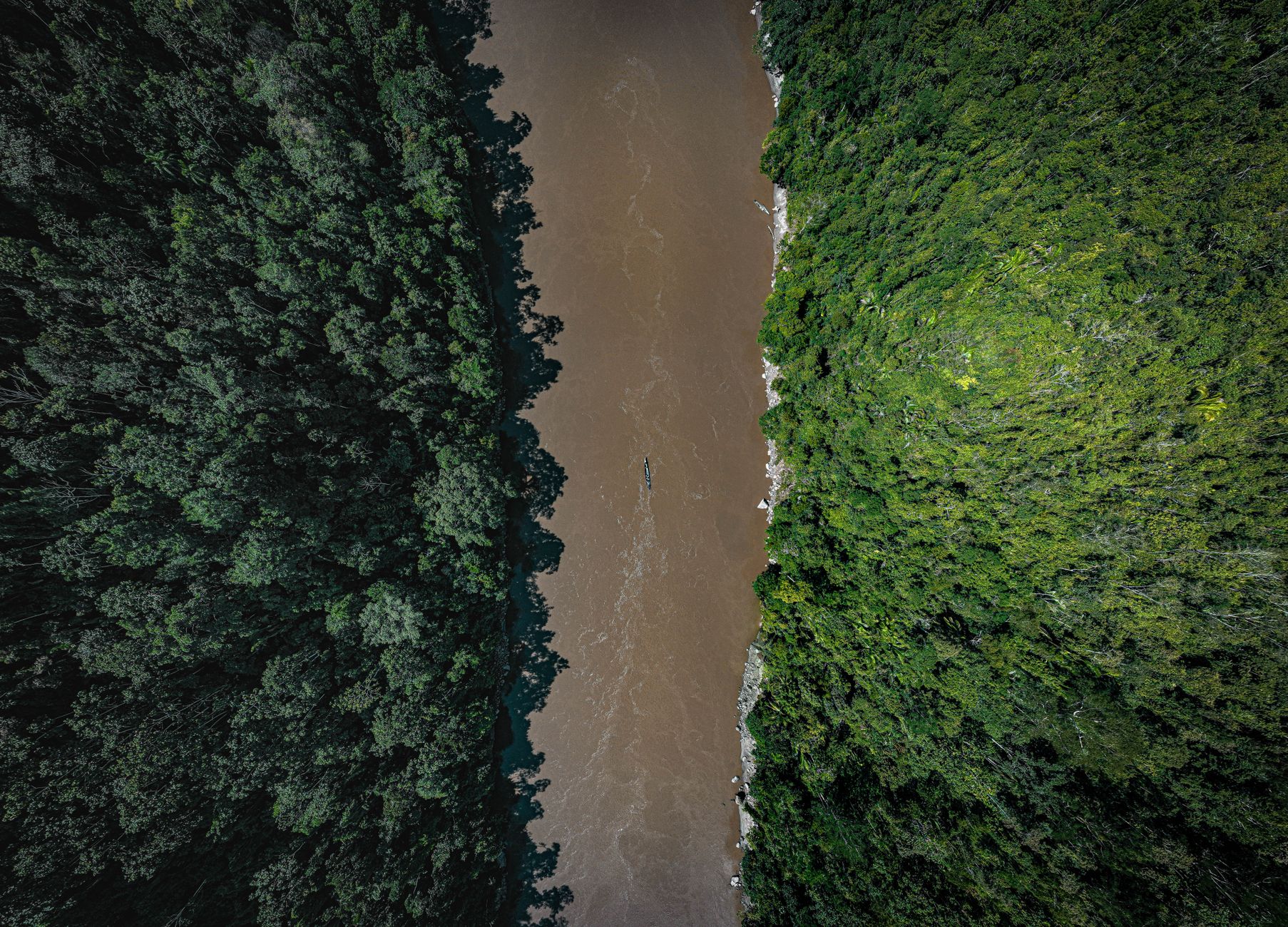
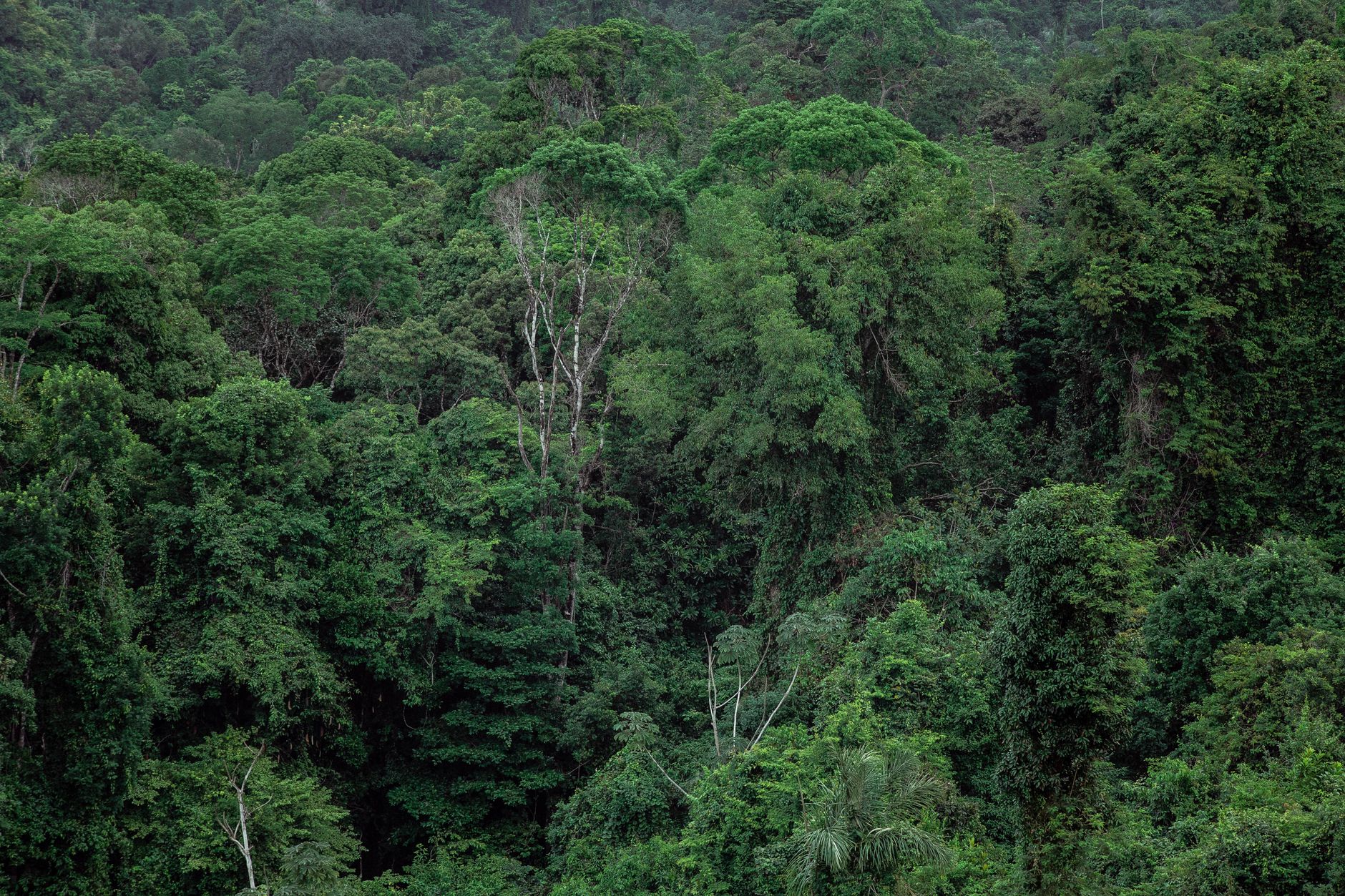
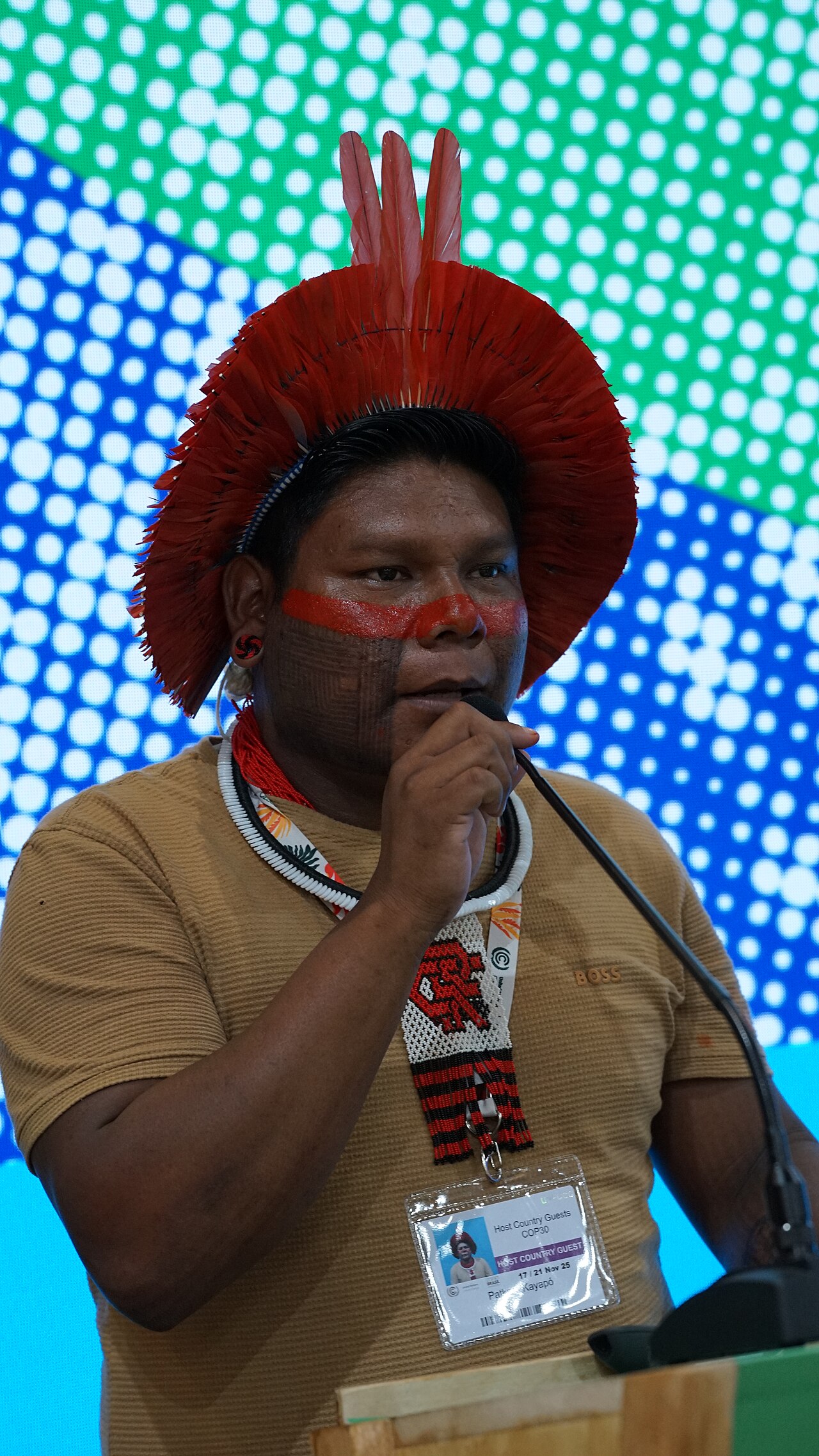
The Kayapó, also known as Mebêngôkre, are Indigenous people whose territories lie mainly in the Brazilian states of Pará and Mato Grosso. Their forest protection work is often discussed as a conservation success, but that description can hide the main point. The forest is not an abstract carbon store to the Kayapó. It is home, history, food, law, and responsibility. Protection is tied to the right to remain and make decisions on their own land.
Who are the Kayapó?
Kayapó is a name used for several Mebêngôkre communities. Villages, families, leaders, and organisations do not form one perfectly uniform group, and the safest writing avoids treating the people as a single character in a conservation story. What can be said clearly is that Mebêngôkre communities have defended large territories in the southeastern Amazon while maintaining distinct languages, ceremonies, social structures, and relationships with the forest.
Research on large-scale forest conservation with the Kayapó describes their case as an important example of Indigenous-led protection in a heavily pressured region. The point is not that traditional knowledge replaces modern tools. Kayapó organisations have used political advocacy, territorial monitoring, alliances, and public communication alongside knowledge passed between generations.
Defending the forest
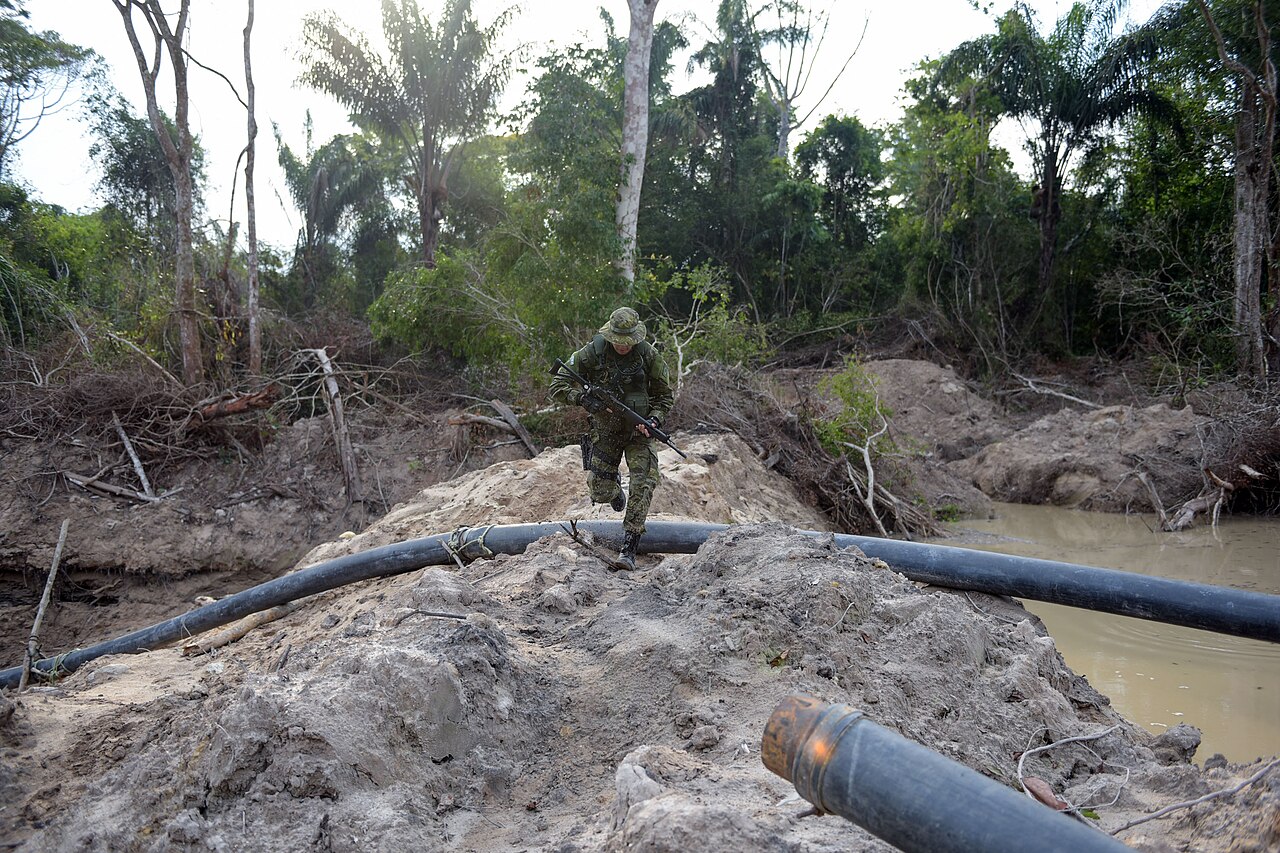
The pressure around Kayapó territories has included illegal logging, mining, roads, land grabbing, and large infrastructure projects. Forest protection therefore involves more than drawing a boundary on a map. It can mean monitoring access routes, documenting incursions, building relationships with public agencies, and challenging projects that threaten rivers or communities. The published Madre de Dios mining crisis profile offers a related example of how extraction pressure reaches Amazon communities.
The struggle around Altamira and the Xingu became a major public test of how Brazil treated Indigenous opposition to large dams. Historical research on Altamira and the Belo Monte region helps place those events in their local context. The story should not be reduced to one dramatic photograph or one confrontation. The important work happened through organising, political pressure, legal arguments, and continued resistance after the cameras left.
Culture is part of conservation
For the Kayapó, conservation is not a separate activity added to daily life by an outside organisation. Plants, rivers, hunting areas, village sites, ceremonies, and stories are connected. That connection can make protection durable because the reason to defend the forest is not limited to a grant period or a project target.
It is also important not to romanticise this relationship. Indigenous communities face violence, unequal political power, economic pressure, and gaps in enforcement. A community may be defending its territory while also dealing with schooling, healthcare, income, transport, and internal disagreements. Those realities do not weaken the conservation argument. They show why outside organisations should not turn Indigenous people into symbols while ignoring the decisions and resources that make protection possible. Stewardship does not remove those risks. It means that land protection is being carried by people with a direct stake in what happens to the territory.
The broader Kayapó account on Wikipedia is a starting point for names and historical context, not a substitute for community-led sources. A finished FTP article should keep adding primary or institutional references when it makes claims about a specific community, leader, or event.
Rights, enforcement, and the limits of recognition
Legal recognition matters, but a legal boundary does not stop a road, a mine, or an illegal logging operation by itself. Enforcement depends on institutions, budgets, political decisions, and the ability of communities to act without surrendering control over their own priorities.
This is why the Kayapó example should not be used to claim that Indigenous territories are automatically protected or that one group is the “most effective” guardian of the Amazon. A safer conclusion is more precise: Kayapó communities have built a powerful, locally directed form of forest defence, and their experience shows why conservation is stronger when Indigenous rights and decision-making authority are treated as part of the solution.
The lesson reaches beyond one territory. Forest protection works better when the people who live with the consequences can shape the rules, inspect what happens on the ground, and decide which outside partnerships serve their communities. The broader Indigenous connection to the Amazon is part of that same discussion. The Kayapó story is not a simple model to copy. It is a reminder that protection without rights is fragile, and rights without enforcement remain vulnerable. The published Yanomami profile provides another case where territory, identity, and pressure from outside interests meet.