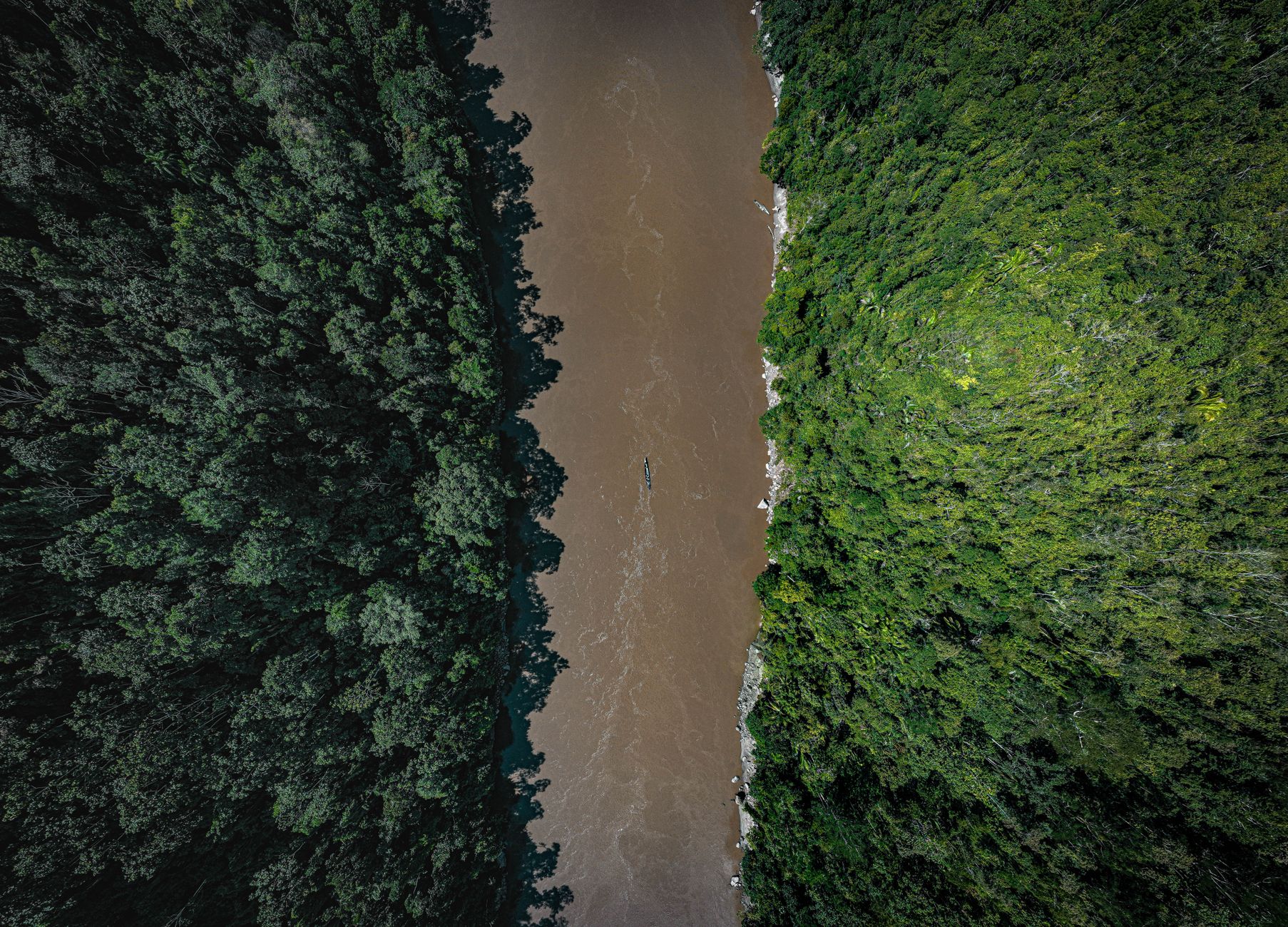
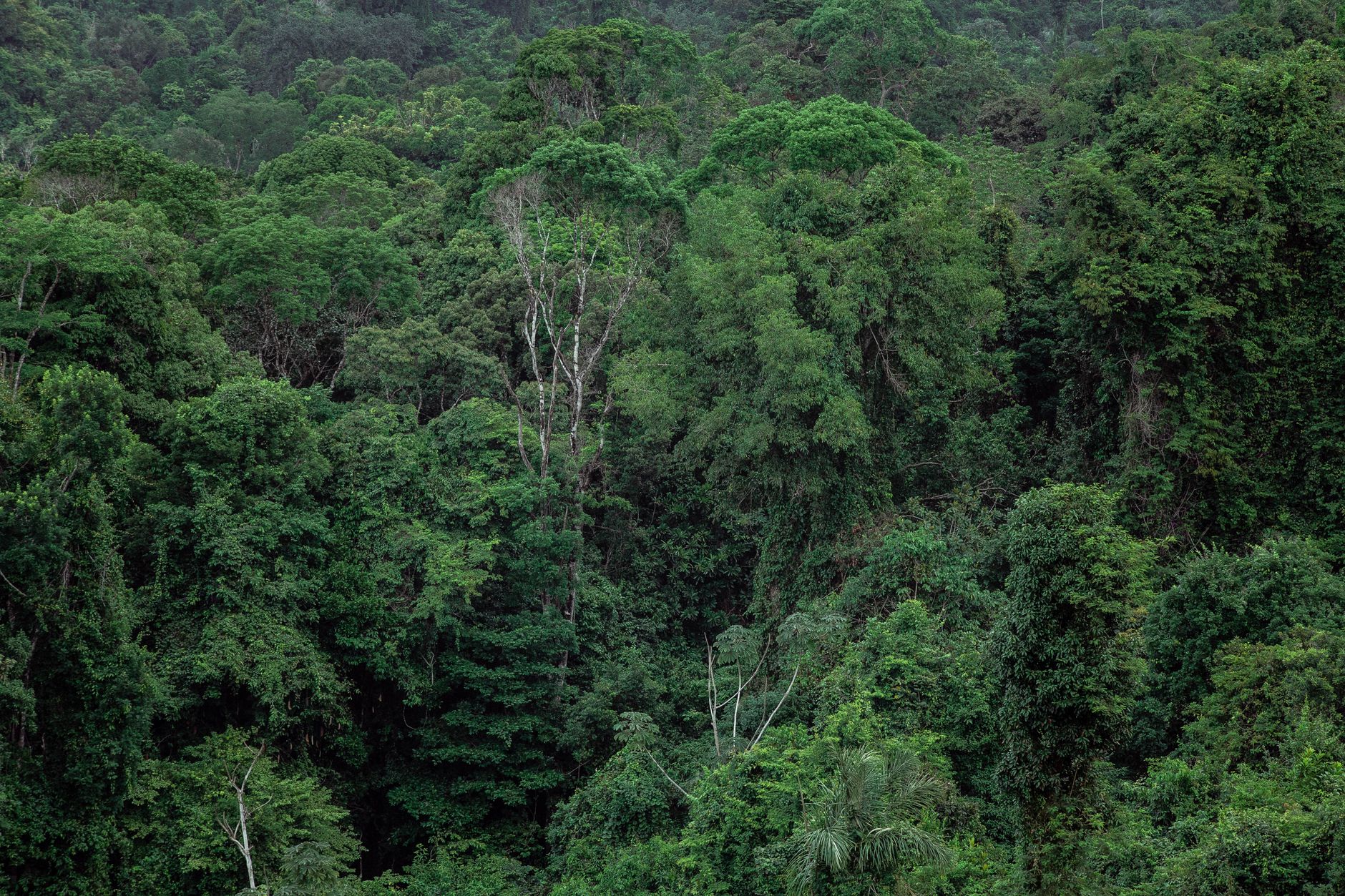
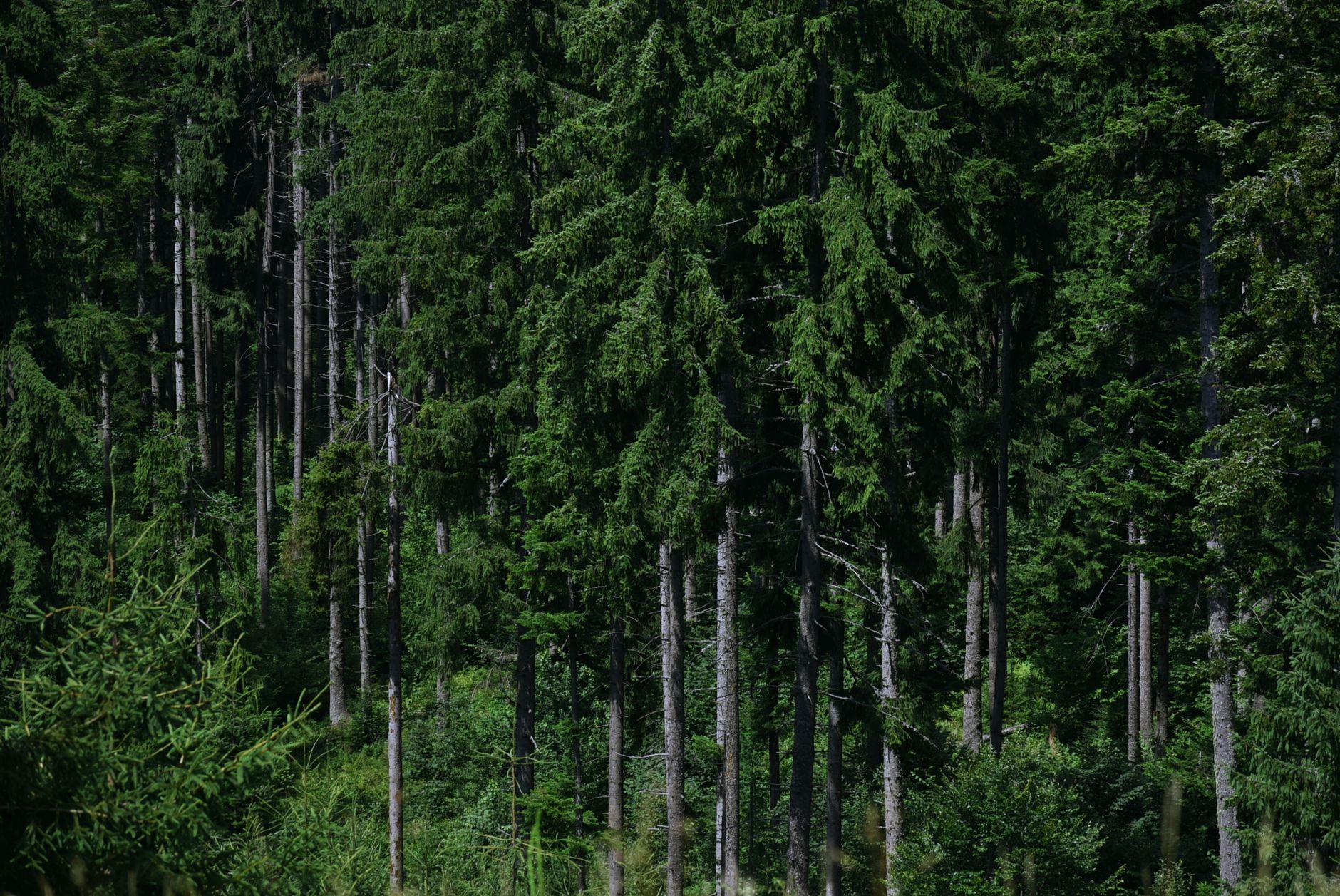
The Yanomami, one of the Amazon’s largest Indigenous groups, intricately connected to this land for millennia. Their home spans more than 9 million hectares across Brazil and Venezuela, a territory not merely inhabited but carefully stewarded through generations of wisdom and practice.
This harmony is no accident. The Yanomami Amazon stewardship territory stands as one of the strongest bulwarks against deforestation. Studies affirm that forests under Indigenous management experience far less destruction than unprotected lands. Yet, safeguarding these areas is no passive act; it is a daily resistance against threats like illegal mining, logging, and shifting policies. What makes their approach so effective when so many others fall short? And what lessons can the global community draw from their profound connection to the rainforest?
At its heart, this story is about the fusion of ancient knowledge and modern cooperation. The Yanomami show us that holistic conservation thrives when those who best understand a landscape are empowered to protect it. Their example is not one of isolation but collaboration, offering a path forward that integrates cultural wisdom with urgent global needs.
Understanding the Yanomami Amazon Stewardship Territory

Photo: Lucia Barreiros Silva
The Yanomami: Guardians of a Vast and Crucial Landscape
The Yanomami territory spans over 9.6 million hectares across Brazil and Venezuela:an area larger than Portugal. Over centuries, the Yanomami people have cultivated an intricate relationship with this land. To them, the forest is more than a resource: it is home, healer, and sacred space, deeply interwoven with their identity.
This connection epitomizes Indigenous land stewardship. The Yanomami’s profound understanding of the Amazon’s cycles enables them to engage with the forest in ways that sustain its health. Research consistently shows that forests under Indigenous care experience significantly less deforestation than those without protections. The vast, thriving expanses under Yanomami stewardship contribute not only to preserving biodiversity but also to stabilizing the global climate. Their role as protectors of the forest is not a luxury:it is essential.
Learn more about the ancient connection between Indigenous people and the Amazon rainforest.
How the Yanomami Approach Rainforest Conservation
Step beneath the towering canopies of the Yanomami territory, and you’ll encounter a world brimming with life. This extraordinary biodiversity stems from their deeply respected ecological knowledge, refined over thousands of years. Through practices like rotational gardening, sustainable hunting, and the protection of sacred sites, the Yanomami cultivate a delicate balance between use and renewal.
Their conservation philosophy contrasts sharply with extractive industrial models. Resources are allowed to replenish: wildlife is not overhunted, and plants are left to reseed naturally. The Yanomami’s oral traditions, including origin stories tied to specific places, pass down reverence for the forest from one generation to the next. These practices maintain ecological stability, guarding against crises such as soil degradation and water scarcity.
A compelling example is the Yanomami’s collaboration with scientists to map their territory’s biodiversity. By pairing ancestral knowledge with modern tools, they’ve identified areas most vulnerable to external threats. This partnership exemplifies how trust in Indigenous wisdom can unlock powerful, adaptable solutions.
Explore other impactful conservation initiatives in the Peruvian Amazon that protect biodiversity.
The Role of Indigenous Land Rights in Conservation
Legal recognition of Indigenous lands is foundational to effective conservation. For the Yanomami, this principle became a reality when Brazil legally demarcated their territory in 1992, securing over 9 million hectares from commercial exploitation. Research illustrates unequivocally that lands under Indigenous ownership have markedly lower deforestation rates. Community accountability and stewardship ensure these territories are carefully managed.
One key study by the World Resources Institute found that deforestation rates in legally recognized Indigenous territories in the Amazon can be up to 66 percent lower than in unprotected areas. Securing land tenure helps communities like the Yanomami implement long-term strategies, defend against encroachment, and hold industries accountable through legal channels.
Still, even legally recognized protections are vulnerable without enforcement. Illegal mining, or garimpo, poses an ongoing threat, as miners invade Yanomami land, contaminating rivers with mercury and razing sections of the forest. Yet, prosecutions against violators remain weak, hindered by political interests and systemic inefficiencies.
The Challenges Facing the Yanomami as Forest Guardians
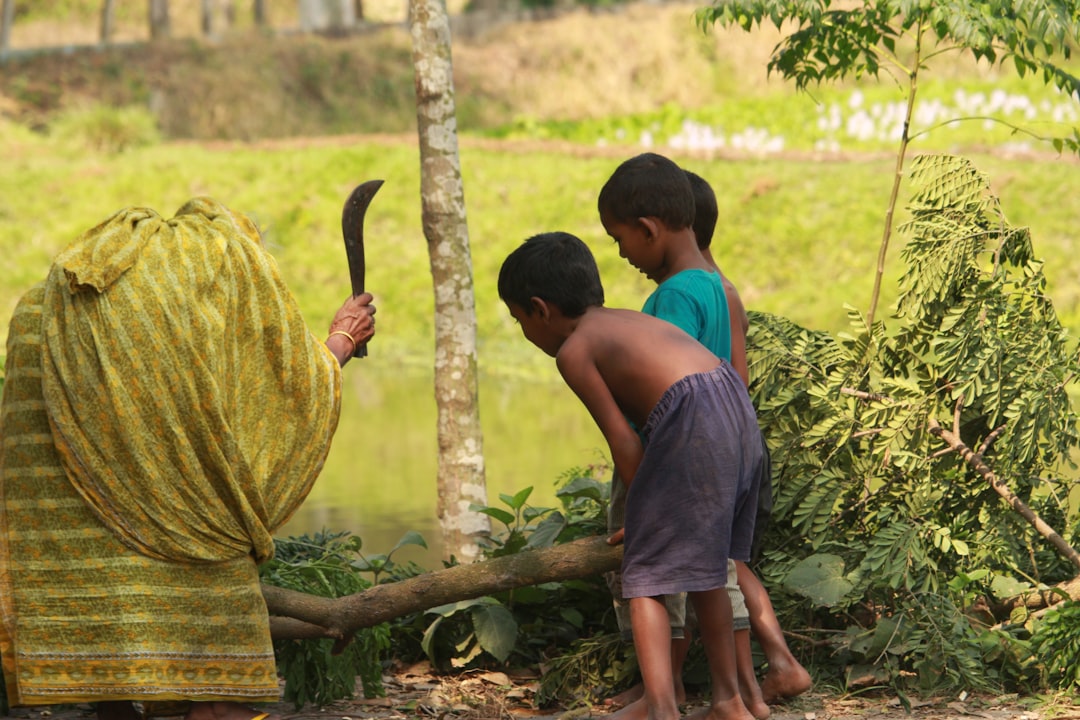
Photo: Imtiaz Ahmed Dipto
The Amazon’s challenges mirror its vastness: illegal logging, unregulated mining, and agricultural expansion devour its resources. For the Yanomami, the stakes are deeply personal. Gold mining leaches mercury into rivers, destroying aquatic life while putting community health at risk. With every ancient tree felled by illegal logging, habitats are shattered, leaving ecosystems eroded and vulnerable.
Explore the impact of deforestation on the Amazon rainforest to see how these threats unravel biodiversity.
The environmental destruction ripples through every aspect of Yanomami life. Hunting and fishing traditions falter as species become scarce. River contamination exposes families to health crises, disproportionately impacting the young and the elderly.
In the ongoing fight for the forest, Yanomami women serve as powerful leaders. Responsible for harvesting medicinal plants and overseeing food resources, they embody the frontlines of biodiversity conservation. These women preserve a wealth of ecological knowledge, ensuring that sustainable practices keep the forest resilient.
Increasingly, Yanomami women are raising their voices against industrial encroachment, advocating for stronger protections. Their leadership highlights that conservation is not just a political act:it is deeply personal, rooted in the interconnectedness of generations. By empowering women, these efforts gain insights infused with both ecological expertise and cultural wisdom.