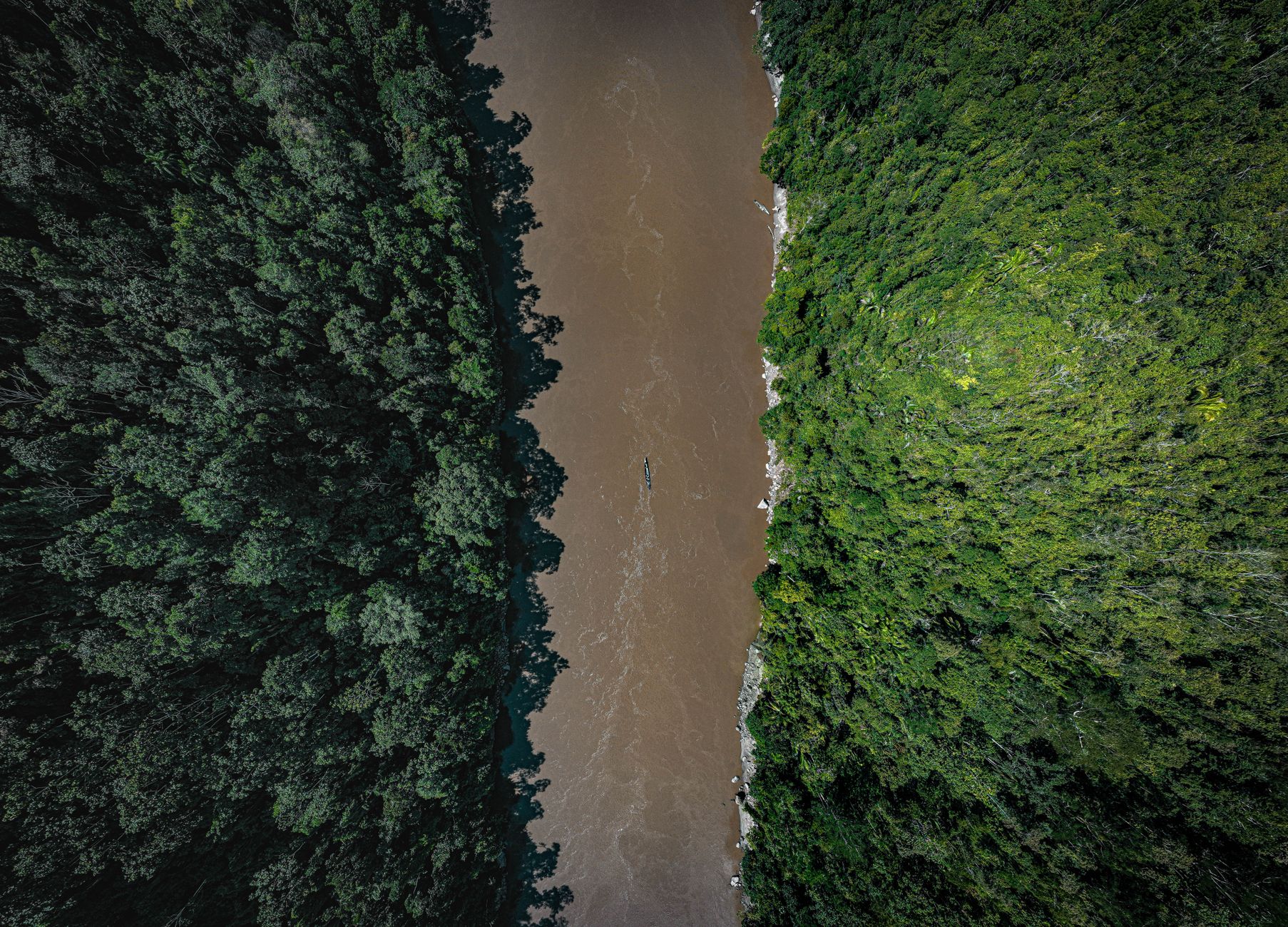
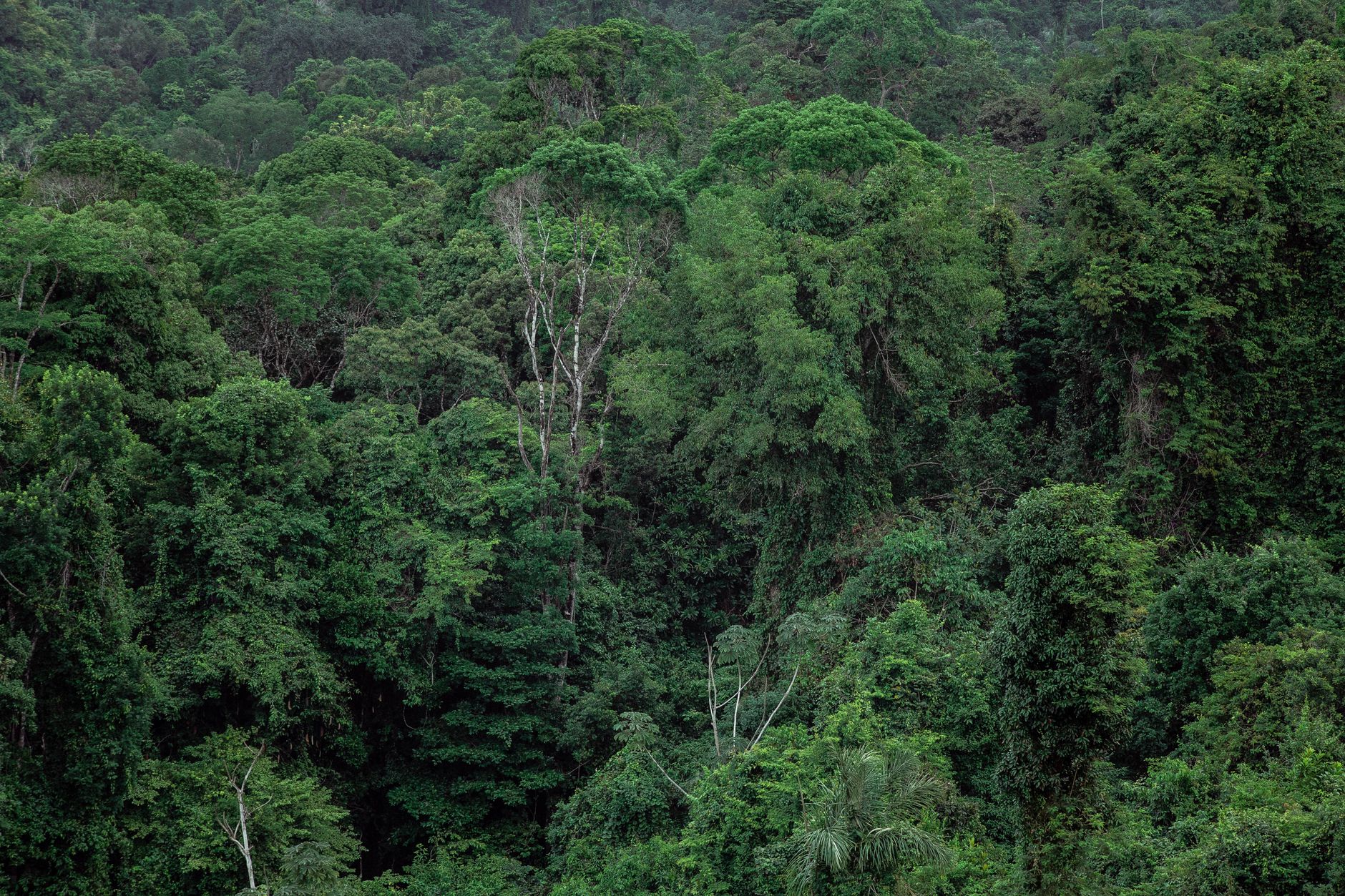
An Amazon food chain is not really a straight line. It is a food web, with plants feeding many animals, predators switching between prey, and nutrients returning to the soil after organisms die. A fruit may feed a fish, a monkey, or an insect. The animal that eats it may later become food for something else. When one relationship changes, the effects can travel through the forest.
Starting with plants of the Amazon
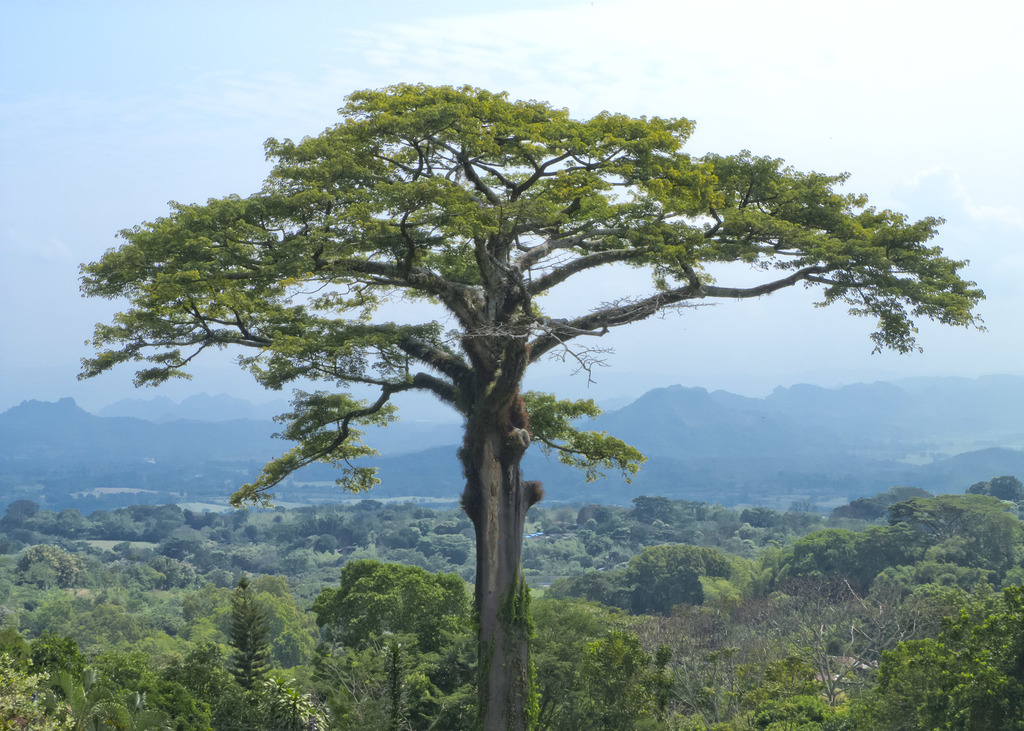
Plants are the foundation of the web because they turn sunlight into leaves, flowers, fruit, seeds, and wood. Tall trees such as the kapok support life at several heights. Insects feed on leaves. Birds and bats visit flowers. Mammals eat fruit. When branches fall, fungi, beetles, and microbes take over the work of breaking material down and returning nutrients to the soil.
The system is more varied than a simple producer-to-herbivore ladder. A fruiting tree can feed animals in the canopy and fish below when fruit falls into a river. A plant can be eaten directly, or it can support an insect that becomes food for a frog, bird, or reptile. That overlap gives the forest more than one route for energy and nutrients to move.
Herbivores, seed dispersers, and the middle of the web
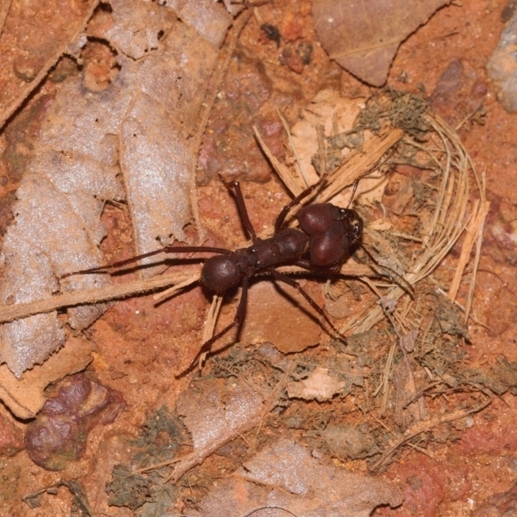
Leafcutter ants do not eat the leaves they carry. They use the material to grow fungi inside their nests, creating one of the Amazon’s clearest examples of animal farming. Their work also moves plant material and changes the soil around colonies.
Other herbivores browse, graze, or eat fruit. Howler monkeys feed in the canopy. Tapirs move through the forest and can carry seeds away from the parent tree. Fruit-eating fish connect flooded forest to rivers. Frogs and insect-eating birds then feed on smaller animals, while caimans and larger fish take prey near the water.
These roles overlap. A species can be a consumer in one part of the web and a seed disperser in another. That is why the loss of a large animal can affect plants several steps away from the original interaction.
Decomposers complete another part of the cycle. Fallen leaves, fruit, dead wood, and animal remains do not simply disappear. Fungi, bacteria, insects, and other organisms break them down, releasing material that plants can use again. The forest therefore moves energy forward while recycling nutrients back through the soil. A food web is easier to understand when both directions remain visible: animals eat, but the forest also returns what is left.
Predators at the top
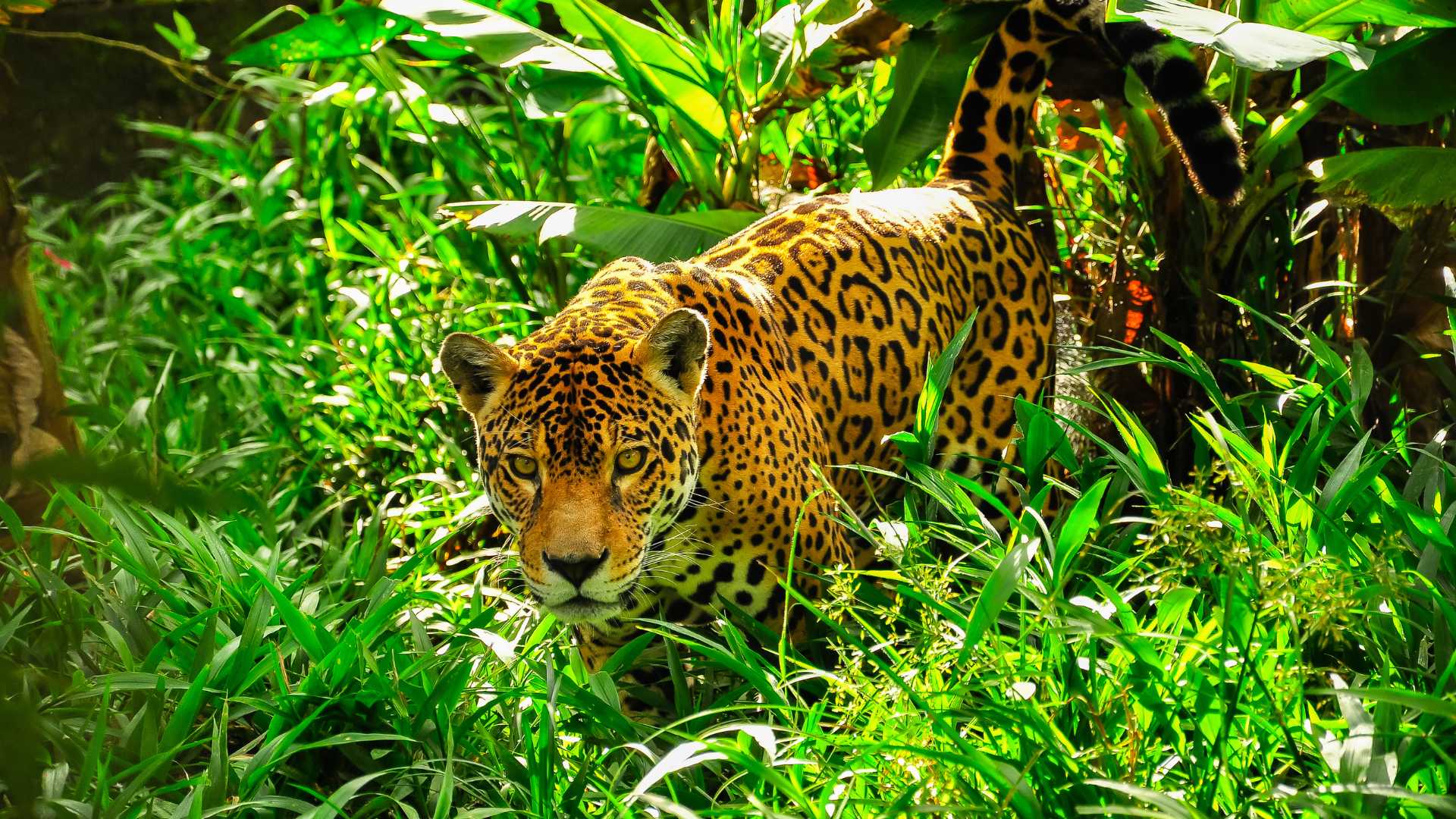
Jaguars, harpy eagles, anacondas, caimans, and large fish occupy different positions as top predators in different habitats. The jaguar hunts on land and near water. The harpy eagle depends on mature forest and prey in the canopy. Anacondas and caimans connect flooded forest to aquatic food webs.
Calling these animals “the top” does not mean the web ends with them. Predators still depend on plants, prey, water, shelter, and the animals that move seeds through the forest. Remove the base and the highest level loses its support.
What happens when links break?
Deforestation removes plants first, then changes the conditions for every animal that depends on them. Hunting can remove large seed dispersers without clearing a tree. The result is called defaunation, and research on large-vertebrate exclosures in the Amazon shows why the effects can reach seedlings and future forest regeneration.
A broader study of seed-dispersal collapse describes the same problem at a larger scale. When animals disappear, plants that relied on them may struggle to move or establish their seeds. The forest can remain green while its ecological relationships become poorer.
That is why protection has to cover connected habitat rather than a collection of isolated photographs or species lists. A legally protected rainforest keeps producers, herbivores, predators, decomposers, and seed dispersers in the same living system. The food web works because the links are still there.