Inhaltsverzeichnis
Illegal gold mining has transformed Madre de Dios, Peru, into one of the Amazon’s most devastating deforestation hotspots. This crisis extends beyond the destruction of vibrant rainforests; it threatens some of the most biodiverse ecosystems on Earth, contaminates waterways with toxic mercury, displaces indigenous communities, and undermines local livelihoods. Despite periodic government crackdowns, the complexity and scale of the issue demand far-reaching solutions that extend beyond short-term enforcement.
At stake is more than just the preservation of nature; this crisis highlights the serious tension between economic necessity and sustainable conservation. For Madre de Dios, resolving this issue is pivotal not only for Peru’s environmental future but also for the global effort to combat climate change and protect irreplaceable biodiversity. By unpacking the intertwined factors of illegal mining, artisanal operations, weak governance, and community-led conservation, we can uncover actionable solutions for this escalating environmental and social emergency.
This article delves into the far-reaching consequences of illegal mining in Madre de Dios, offering a detailed examination of deforestation, toxicity, human exploitation, and reform challenges. It also highlights grassroots conservation initiatives and the potential for formalization as a path toward sustainable coexistence between economic growth and environmental stewardship.
Illegal Gold Mining in Madre de Dios
Nestled in southeastern Peru, Madre de Dios has become the epicenter of illegal gold mining in the Amazon. Known as the “Amazon mining corridor,” the region accounts for 10% of Peru’s gold output, yet around 70% of this production is linked to unlawful operations. The allure of accessible alluvial gold deposits coupled with skyrocketing global gold prices has fueled an illicit, unregulated industry that wreaks havoc on the environment and local communities.
Root Causes of Illegal Mining Expansion
Efforts to curb illegal mining often fall short due to a combination of economic, geographic, and governance factors that fuel its proliferation:
- Rising Gold Demand: Global gold prices have been driven to record highs by economic uncertainty, making gold mining an appealing, albeit destructive, livelihood for impoverished communities.
- Economic Instability and Poverty: Limited access to diverse income opportunities forces many residents to turn to small-scale and illicit operations to sustain their families.
- Weak Governance and Corruption: Corruption, underfunded government agencies, and lax enforcement make it nearly impossible to monitor remote jungle regions effectively, enabling illegal operations to thrive.
- Geological Accessibility: The presence of alluvial gold in rivers and sediments makes extraction possible with basic tools and minimal investment, significantly lowering the barriers to entry for small-scale miners.
These factors combine to perpetuate illegal gold mining, creating a cycle of environmental degradation and socio-economic exploitation that is difficult to break.
Environmental Impacts: Deforestation and Mercury Contamination
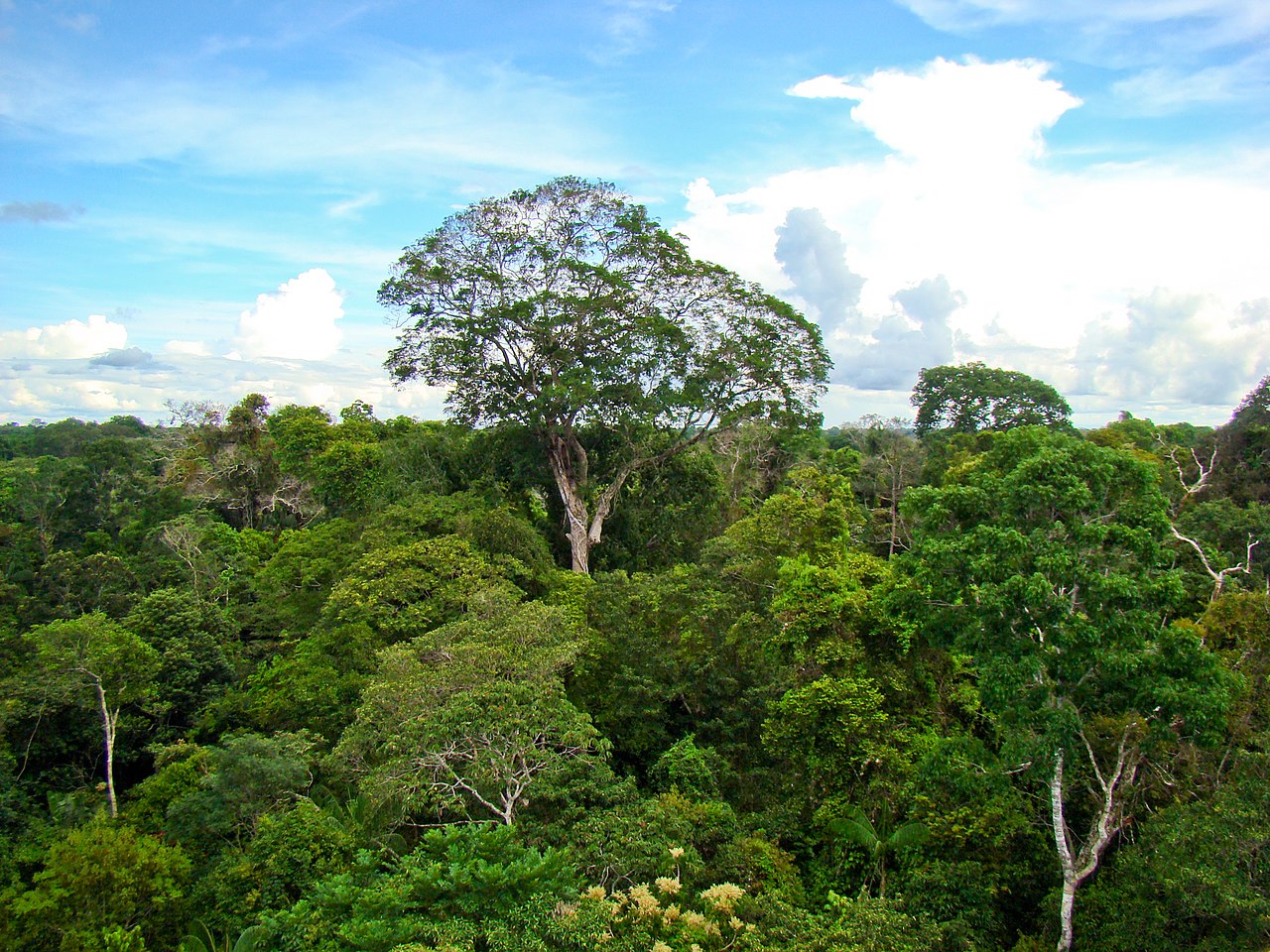
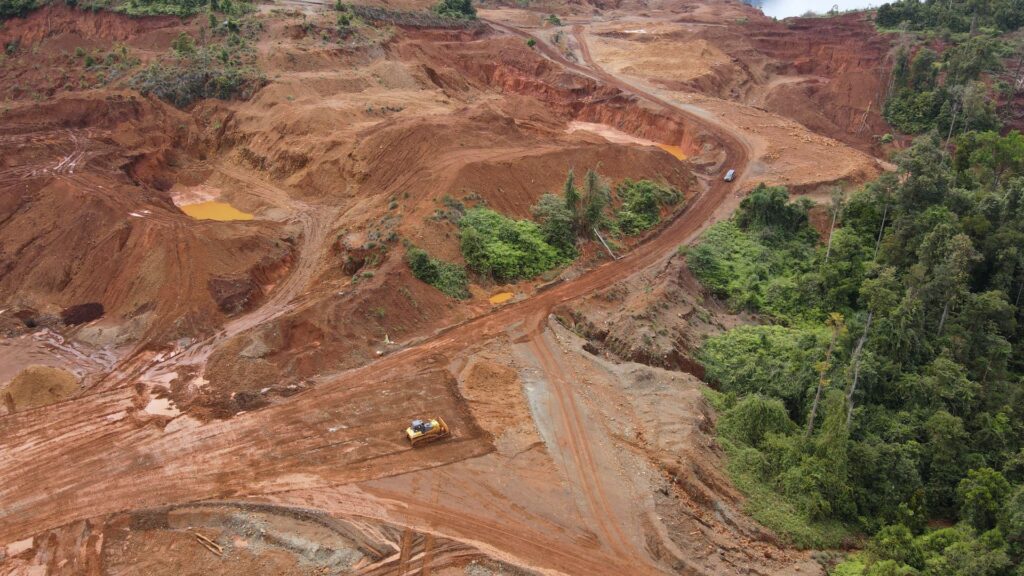
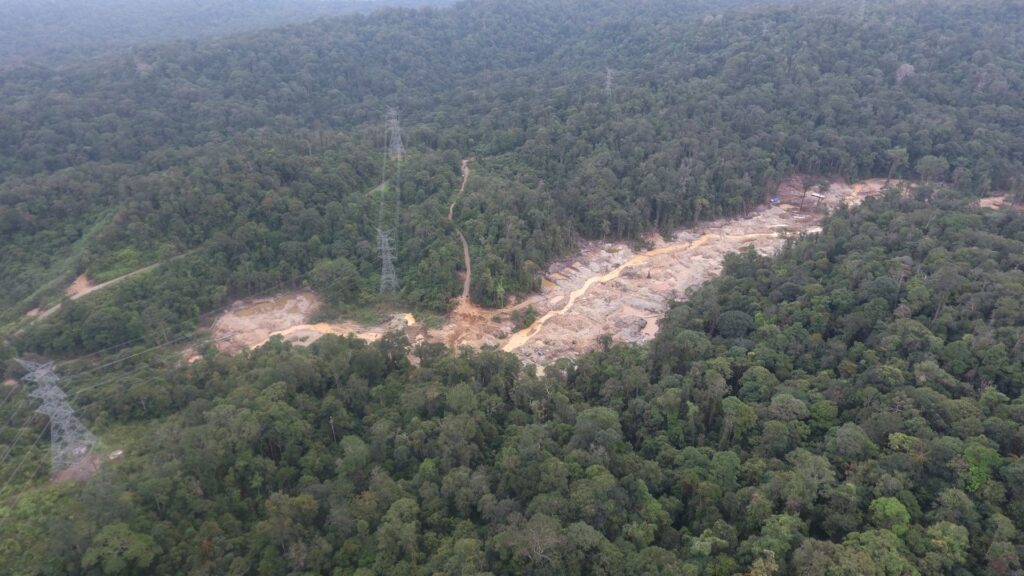
Illegal mining in Madre de Dios has catalyzed one of the most severe environmental crises in Peru. Over two decades, from 2000 to 2021, more than 100,000 hectares of protected Amazonian rainforest were destroyed, primarily due to unregulated mining. Areas such as La Pampa, once blanketed by pristine primary forests, have now become barren, moon-like landscapes incapable of supporting life.
Mercury’s Toxic Legacy
The environmental destruction extends beyond deforestation. Mercury, a toxic heavy metal used by miners to extract gold, has infiltrated the fragile ecosystems of Madre de Dios. Waterways are particularly vulnerable, with mercury levels in rivers and sediment contaminating local fish populations. Studies indicate mercury levels in certain fish species far exceed safe consumption limits, endangering food security for indigenous communities reliant on aquatic ecosystems for sustenance. Moreover, mercury exposure poses serious public health risks, accumulating in the food chain and affecting both human and wildlife populations for decades to come.
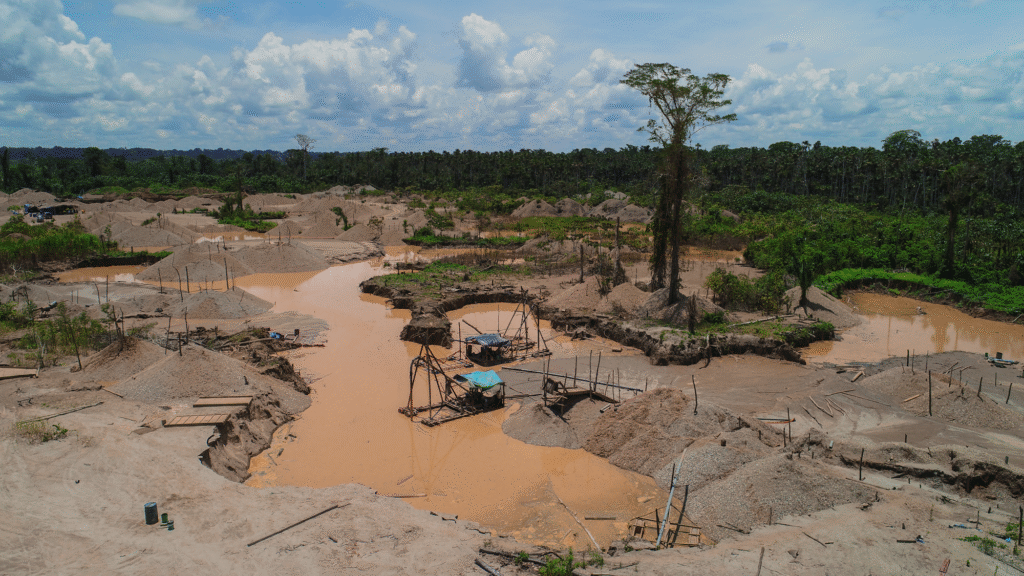
Aside from poisoning the environment, mercury contamination significantly threatens the Amazon’s biodiversity. From aquatic life to predator species that ingest mercury-laden prey, the ripple effects of toxic pollution extend far beyond what meets the eye.
Human Cost: Labor Exploitation and Social Unrest
The human toll of illegal mining highlights how deeply intertwined this crisis is with poverty and systemic inequality. Migrant workers, often lured by the promise of high wages, face abhorrent working conditions without legal protections. Reports of forced labor, human trafficking, gender-based violence, and child exploitation are widespread in mining settlements. Women and children are especially vulnerable, as illegal mining zones frequently operate under lawless conditions.
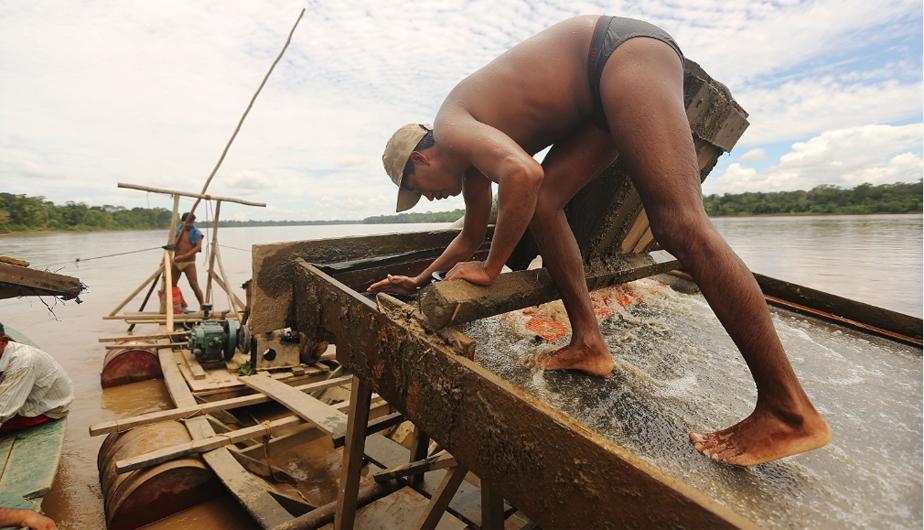
For communities living near these mining operations, the situation is equally dire. Toxic contamination of rivers and deforestation deprives them of natural resources essential for their survival while weakening their cultural heritage and sovereignty. Indigenous communities often find themselves displaced or encroached upon as miners expand into protected territories.
Artisanal Mining: Challenges to Formalization
Amidst the chaos of illegal mining lies artisanal mining—small-scale operations that could offer a sustainable alternative if properly formalized. Formalization seeks to regulate these miners, ensuring safer practices and better environmental oversight. However, persistent barriers hinder progress in transitioning miners to compliance.
Barriers to Formalization
- Unclear Land Tenure: Many artisanal miners lack legal ownership or access to claims, making it difficult to integrate them into regulated systems.
- Prohibitive Costs: The financial burden of formalization, including permits, environmental impact assessments, and necessary training, is often out of reach for small-scale miners.
- Distrust of Authorities: Due to years of perceived neglect and punitive policies, miners often view formalization initiatives as adversarial rather than collaborative.
- Lack of Resources: Formalization is a multi-faceted process requiring training in sustainable methods, financial assistance, and regulatory support—resources that are currently inadequate in scope and coordination.
The Role of Fairmined and Sustainable Programs
Programs like Fairmined certification offer a pathway for artisanal miners to comply with legal and environmental standards while accessing better markets. Co-managed mining zones, where miners work alongside local authorities and conservation groups, demonstrate how collaboration can curtail environmental damage while supporting economic development. By bridging the gap between informal miners and formal stakeholders, these initiatives create mutually beneficial opportunities for communities and ecosystems alike.
Community-Led Conservation: Grassroots Leadership
Indigenous and local communities in Madre de Dios are taking significant steps to combat deforestation and reclaim degraded lands. Through reforestation programs, sustainable agroforestry, and conservation strategies rooted in traditional ecological knowledge, these grassroots efforts are building resilience in the region. For example, indigenous organizations are implementing river-cleaning initiatives and advocating for policies that protect ancestral lands against encroachment by illegal miners.
Local NGOs and conservation groups often partner with these communities, providing the technical, financial, and educational resources needed to scale up their efforts. Empowering these communities is vital, as they are not only the stewards of the land but also the most directly affected by its exploitation.
Abschließende Gedanken
The illegal gold mining crisis in Madre de Dios exemplifies the intricate interplay of economic pressures, environmental destruction, and social injustice all happening in the Peruvian Amazon. While rising global gold demand and limited alternative livelihoods perpetuate this destructive industry, pathways for change do exist. Formalization initiatives, when paired with sustainable development programs, offer the potential to stabilize livelihoods while mitigating environmental harm.
The key to lasting solutions lies in collaborative efforts. Governments must prioritize resource allocation for enforcement and support formalization programs, while conservation groups and NGOs play a pivotal role in empowering community-led initiatives. Meanwhile, the global community must confront the ethical implications of gold consumption, enabling transparent supply chains and fostering sustainable sourcing practices.
Protecting Madre de Dios is more than just a local concern; it is a global responsibility. Its lush rainforests, rich biodiversity, and critical role in regulating the Earth’s climate make it a priceless asset that humanity cannot afford to lose. By addressing the root causes of illegal mining and empowering local stakeholders, we can pave the way toward a future where economic opportunity and ecological preservation thrive in tandem.