
Soy, palm oil, beef and timber appear in supply chains that can drive forest conversion. Their roles differ by place, and not every case of tree-cover loss is permanent deforestation. Still, Global Forest Watch identifies permanent agriculture and hard commodities among the major global drivers of forest loss. Looking at each commodity separately makes the problem easier to understand and harder to dismiss.
Annual loss figures need context. Fire, logging, temporary disturbance and permanent conversion are measured differently. MAAP’s Amazon analysis is useful because it separates several of those signals instead of treating them as one number.
How Much Rainforest Did We Lose in 2025?
The numbers from 2025 tell a mixed story. In the Amazon, total deforestation reached 736,484 hectares, with non-fire forest loss climbing to 1.03 million hectares, according to MAAP monitoring data. Across the Atlantic, Indonesia recorded 433,751 hectares of deforestation in 2025, a 66 percent increase that reversed years of declining forest loss. These are not abstract numbers. They represent real ecosystems, real species, and real communities losing their home.
The encouraging side is that Brazil’s Amazon deforestation dropped 30.6 percent in 2024, showing that sustained policy and enforcement can bend the curve. But progress in one region does not cancel out acceleration in another, and the global appetite for cheap commodities continues to push the frontier deeper into standing forest.
Nearly 132,000 hectares of the 2025 Amazon deforestation was illegal. That fact alone underscores how much of the problem sits outside any formal planning or permitting system. For many people, the products linked to this destruction are sitting in their kitchen or on their shelf right now. If you are curious about how close the connection really is, this piece on rainforest products you probably consume every day lays it out clearly.
Read the supporting explainers on beef production in the Amazon and palm oil and deforestation. IUCN’s palm-oil brief also explains why replacing palm oil with another crop is not automatically the lower-impact answer.
commodities driving rainforest loss : Cattle Ranching and Palm Oil
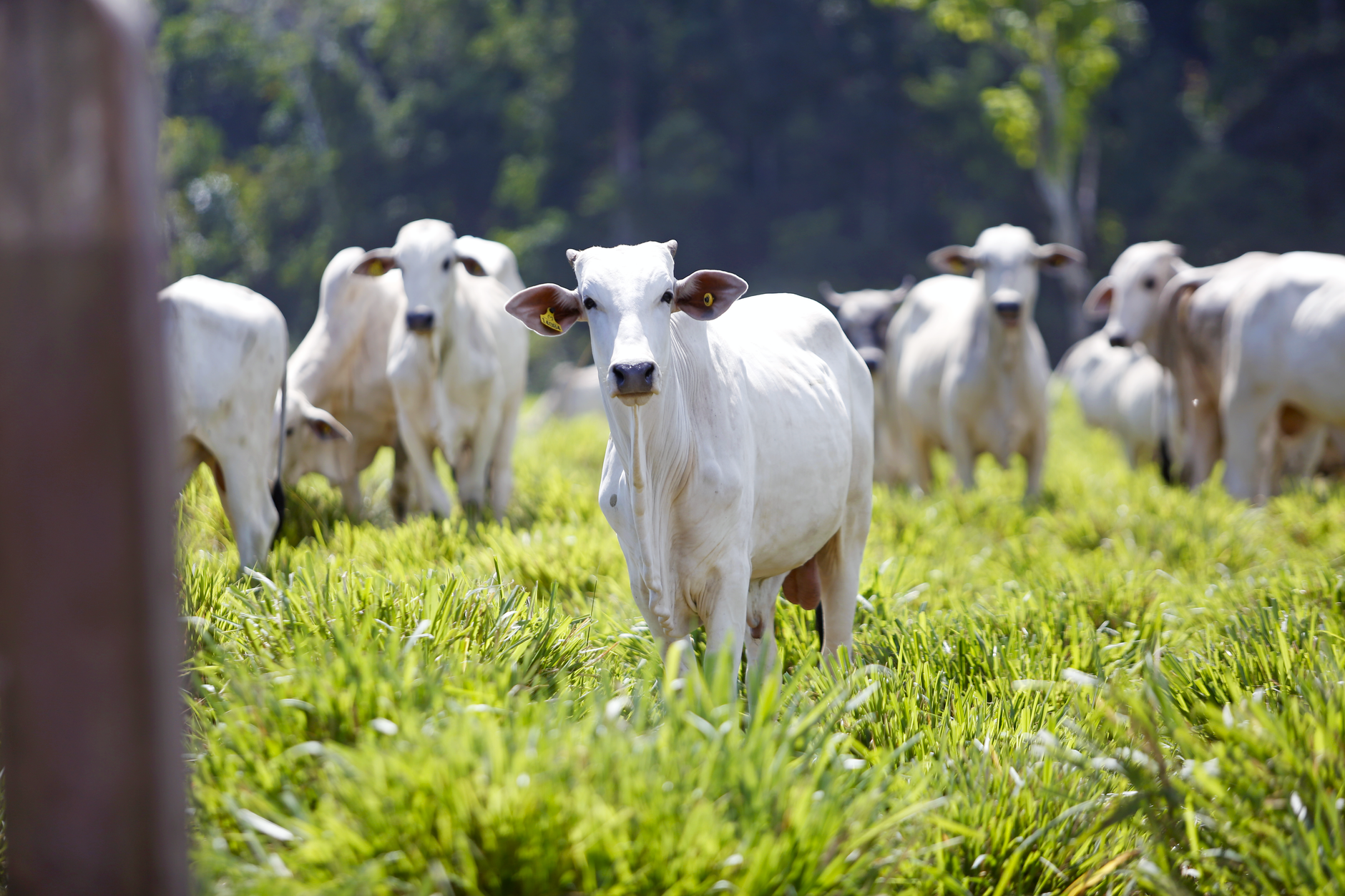
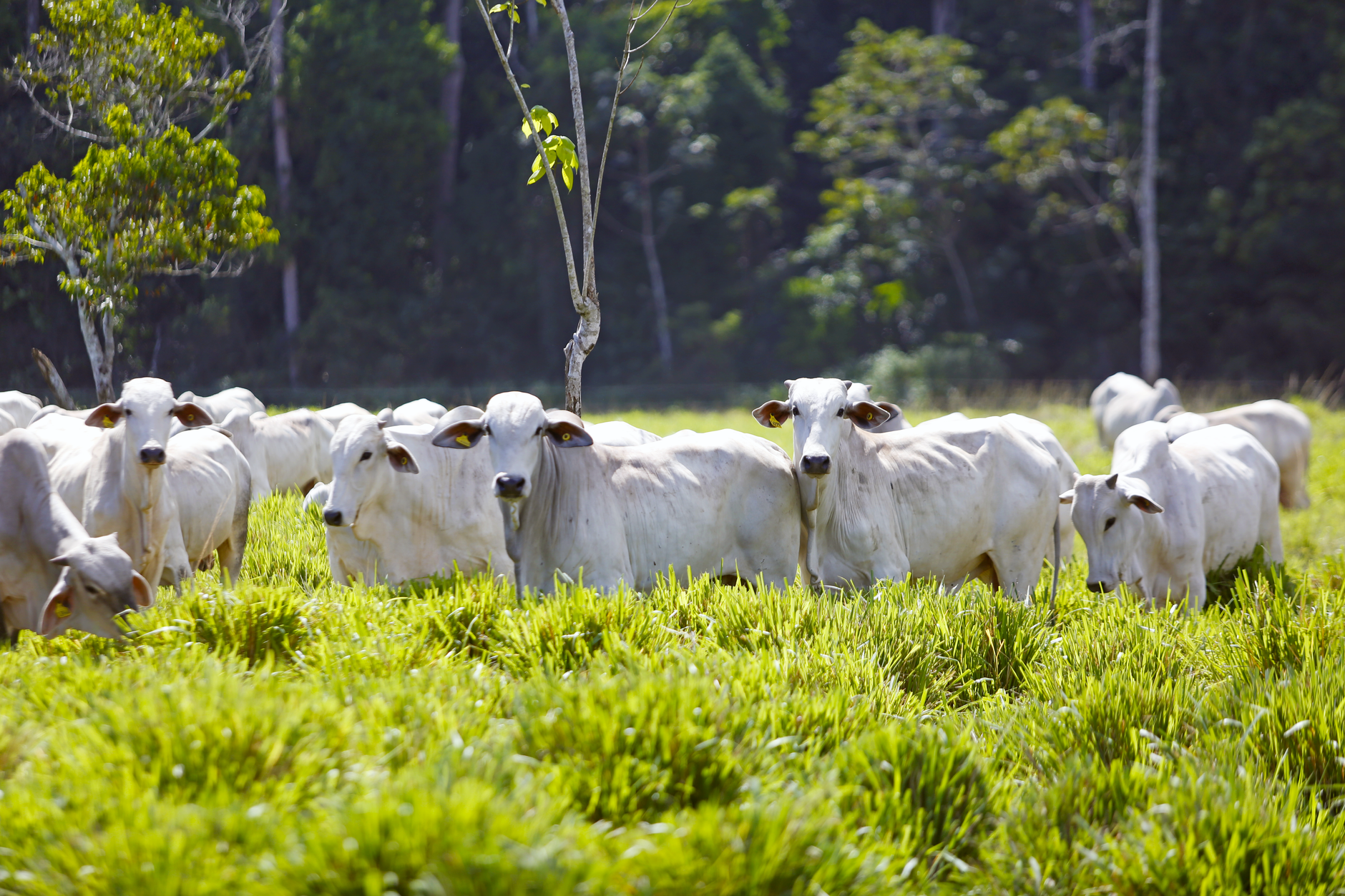
Cattle ranching is the single largest driver of Amazon deforestation. Across Brazil, Bolivia, and Peru, vast tracts of rainforest are cleared and converted to pasture. The economics are straightforward: global beef demand rewards expansion, and forested land is often the cheapest available. Even where deforestation rates have improved, illegal clearing persists. Of the 736,484 hectares lost in the Brazilian Amazon in 2025, nearly 132,000 hectares were classified as illegal, much of it tied to cattle operations that push beyond permitted boundaries.
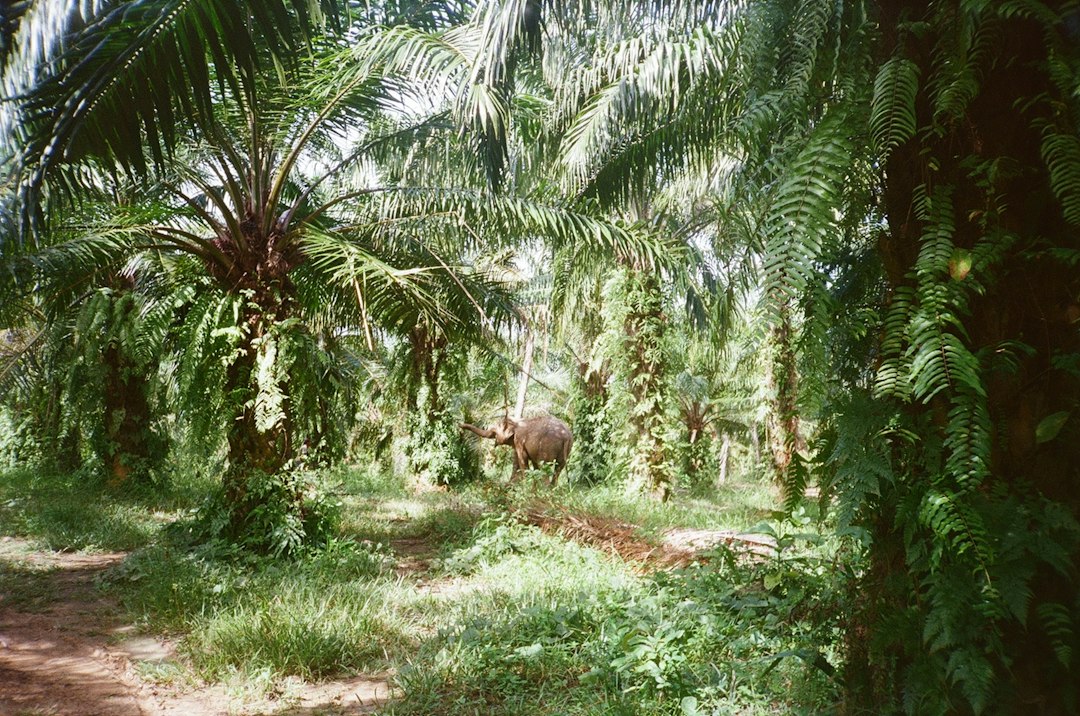
Palm oil presents a different but equally powerful dynamic. It produces 35 percent of all vegetable oil on less than 10 percent of oil crop land, an efficiency ratio that makes it nearly impossible for competing crops to displace. That same efficiency is what makes expansion so destructive. When new plantations go in, they go into forest. Indonesia’s 2025 deforestation spike to 433,751 hectares was driven in large part by palm oil expansion. In West Africa, the pattern is already devastating. Cote d’Ivoire has lost more than 90 percent of its forest since 1950, and Ghana has lost more than 65 percent, largely due to cocoa and oil palm cultivation.
The overlap between these two commodities and consumer goods is staggering. Palm oil appears in processed foods, cosmetics, cleaning products, and biofuel. Beef enters global supply chains through leather, gelatin, and meat products. Many of the everyday items linked to rainforest loss are explained in more detail in our guide on how to save the rainforest through actionable strategies.
Soy Expansion Into the Cerrado and West Africa
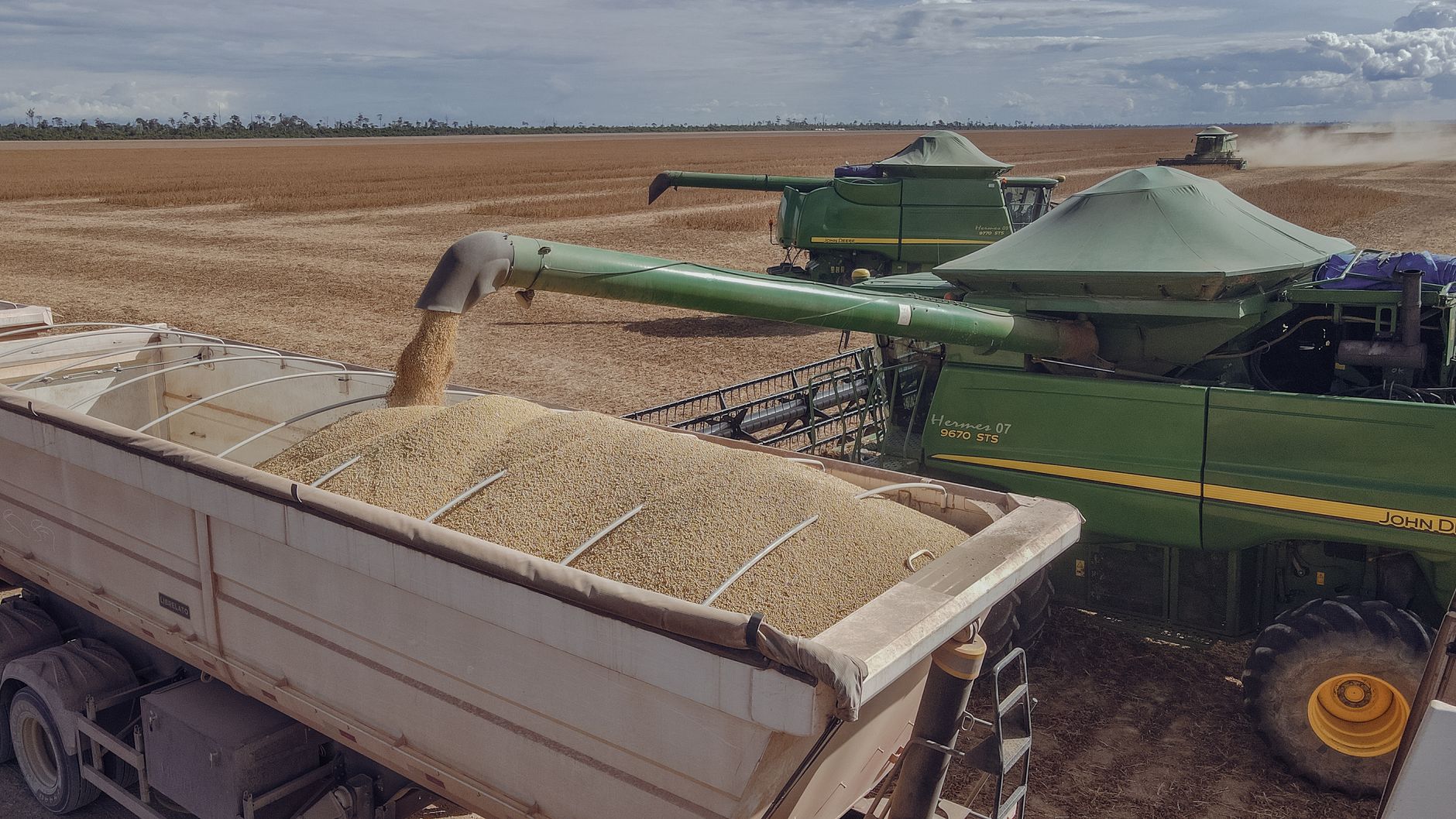
Soy does not always get the same attention as cattle or palm oil, but its footprint is enormous. In Brazil, soy cultivation is expanding rapidly into the Cerrado, a tropical savanna that holds remarkable biodiversity and acts as a critical water source for the Amazon basin. The Cerrado has already lost roughly half its native vegetation, and soy farming is one of the primary reasons. Much of that soy feeds global livestock, creating an indirect chain: the burger requires cattle, the cattle require feed, and the feed requires cleared land.
In West Africa, the story takes a different form. The region’s forests are being cleared not primarily for soy but for cocoa and oil palm, yet the underlying mechanism is the same. Global commodity demand pushes agricultural frontiers into standing forest because the economic incentive to clear outweighs the incentive to protect. When forested land is treated as a cheap input for production, the math always favors clearing.
For readers who want to understand the deeper regional dynamics, the case of Borneo deforestation offers a detailed look at how a single commodity can reshape an entire island’s forest cover. The pattern repeats across continents, even when the specific crop changes.
For related supply-chain risks, see our guides to cocoa and rainforest loss and illegal gold mining in the Amazon. The goal is traceable production and stronger protection of standing forest, not a simple boycott of every product that has a complex supply chain.
Timber, Illegal Logging, and What Comes Next
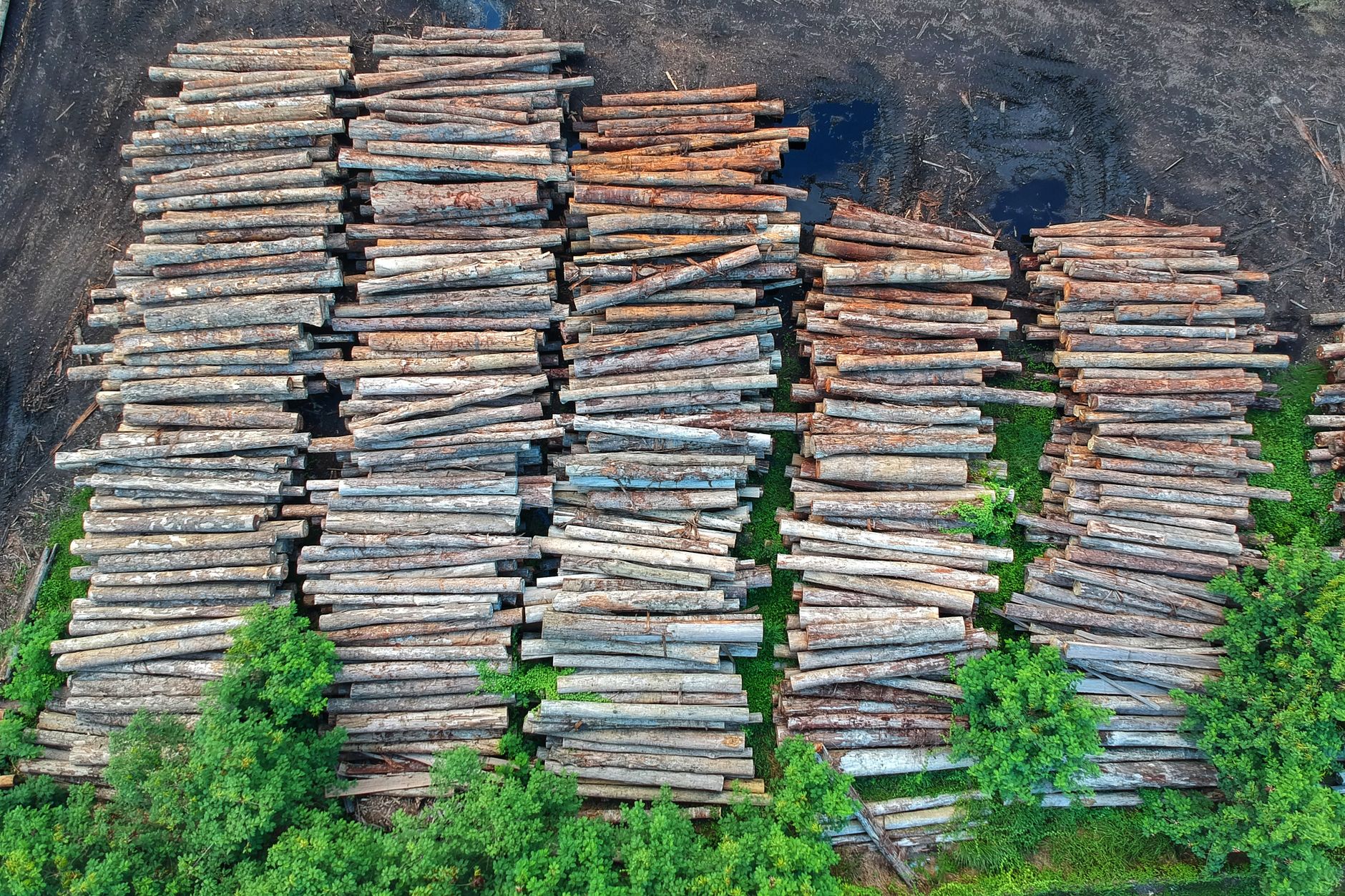
Timber operates differently from the other three commodities. Its supply chain is more fragmented, more opaque, and harder to trace. Legal timber harvesting exists under national forestry laws, but enforcement varies widely. In January 2026, the Environmental Investigation Agency found that illegal Amazon wood was still flowing into European and American markets despite existing regulations. The fact that this continues to happen in 2026 tells you something about the limits of voluntary compliance.
Illegal logging also acts as a gateway. Timber roads open access to previously intact forest, making it easier for cattle ranchers, soy farmers, and miners to follow. A logged forest is a forest under pressure, and the transition from selective logging to full clearing can happen within a few years. Of the 736,484 hectares of Amazon deforestation in 2025, a significant share began with logging access routes that preceded agricultural conversion.
None of this means the situation is hopeless. Brazil’s 30.6 percent drop in Amazon deforestation during 2024 shows that political will, monitoring, and enforcement can produce real results. The challenge is scaling those gains across every commodity frontier simultaneously. Rainforests store vast amounts of carbon and shelter a disproportionate share of global biodiversity. The comparison between rainforest carbon storage and planting new trees explains why protecting existing forest delivers far more value than replanting.
These four commodities will not disappear from global supply chains anytime soon. But the way they are produced can change. Certification systems, supply chain transparency, and direct conservation action all play a role. Fund The Planet is part of that picture, offering a way to protect rainforest directly in Peru’s Ucayali region. The land is purchased, legally secured, and monitored so that the forest stays standing. Every hectare that is protected is a hectare that cannot be converted to pasture, plantation, or logged timber. The scale of the problem demands many approaches working at once, and direct protection is one that delivers proof, not just promises.


 EN
 DE