
Beef supply chains are closely linked to forest conversion in the Brazilian Amazon. The scale changes from year to year, but MAAP’s 2025 Amazon analysis shows why cattle expansion remains central to the region’s forest story. The important question is not whether every beef product has the same footprint. It is whether suppliers can show where cattle were raised and whether forest clearing was involved.
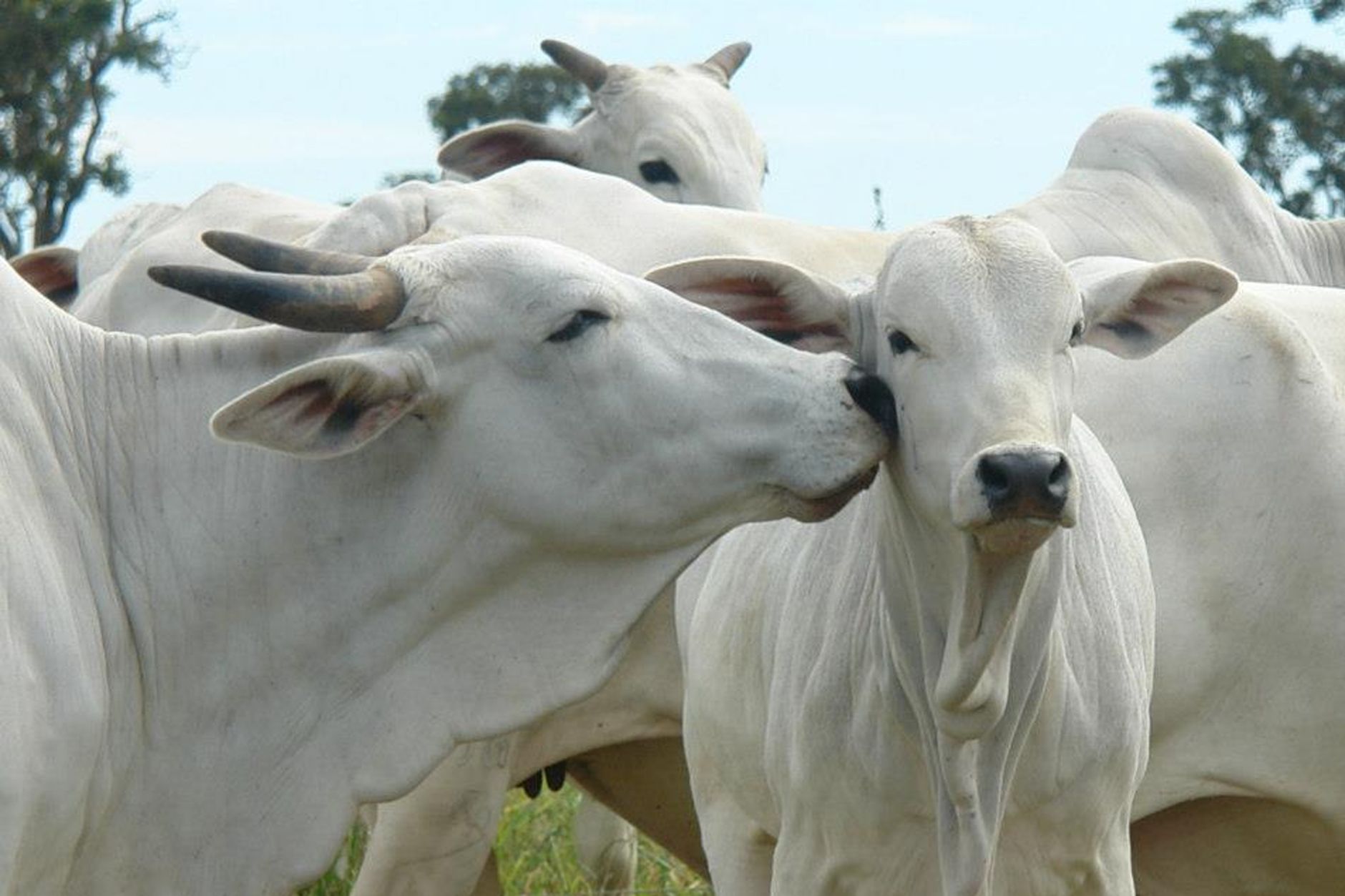
The Scale of Amazon Deforestation in 2025
The numbers from 2025 tell a complicated story. According to a new analysis by Mongabay and MAAP, total forest loss across the Amazon basin reached 736,484 hectares through direct deforestation. Fires caused an additional 1.51 million hectares of damage, bringing combined loss to well over two million hectares in a single year.
Non-fire forest loss, which serves as a proxy for human-driven deforestation, totaled 1.03 million hectares. This figure captures the clearing done by chainsaws, bulldozers, and machinery, much of it tied to expanding cattle operations and industrial agriculture. The distinction matters because fire-driven loss can be partly seasonal or accidental, while direct clearing reflects deliberate land-use decisions.
There is a sliver of progress in the data. Brazil’s Amazon deforestation dropped 30.6 percent in 2024, falling to 6,288 square kilometers according to WWF Brasil. That decline shows that policy enforcement and satellite monitoring can make a real difference. But the absolute numbers remain enormous, and the pace of loss still threatens the forest’s ability to sustain itself as a functioning ecosystem.
Nearly 132,000 hectares of 2025 deforestation occurred illegally inside protected areas and Indigenous territories. These are lands that existing laws already shield from development, yet enforcement gaps and political will allow the bulldozers in regardless. The main threats facing the Amazon rainforest today are not abstract. They are specific, measurable, and accelerating in certain corridors.
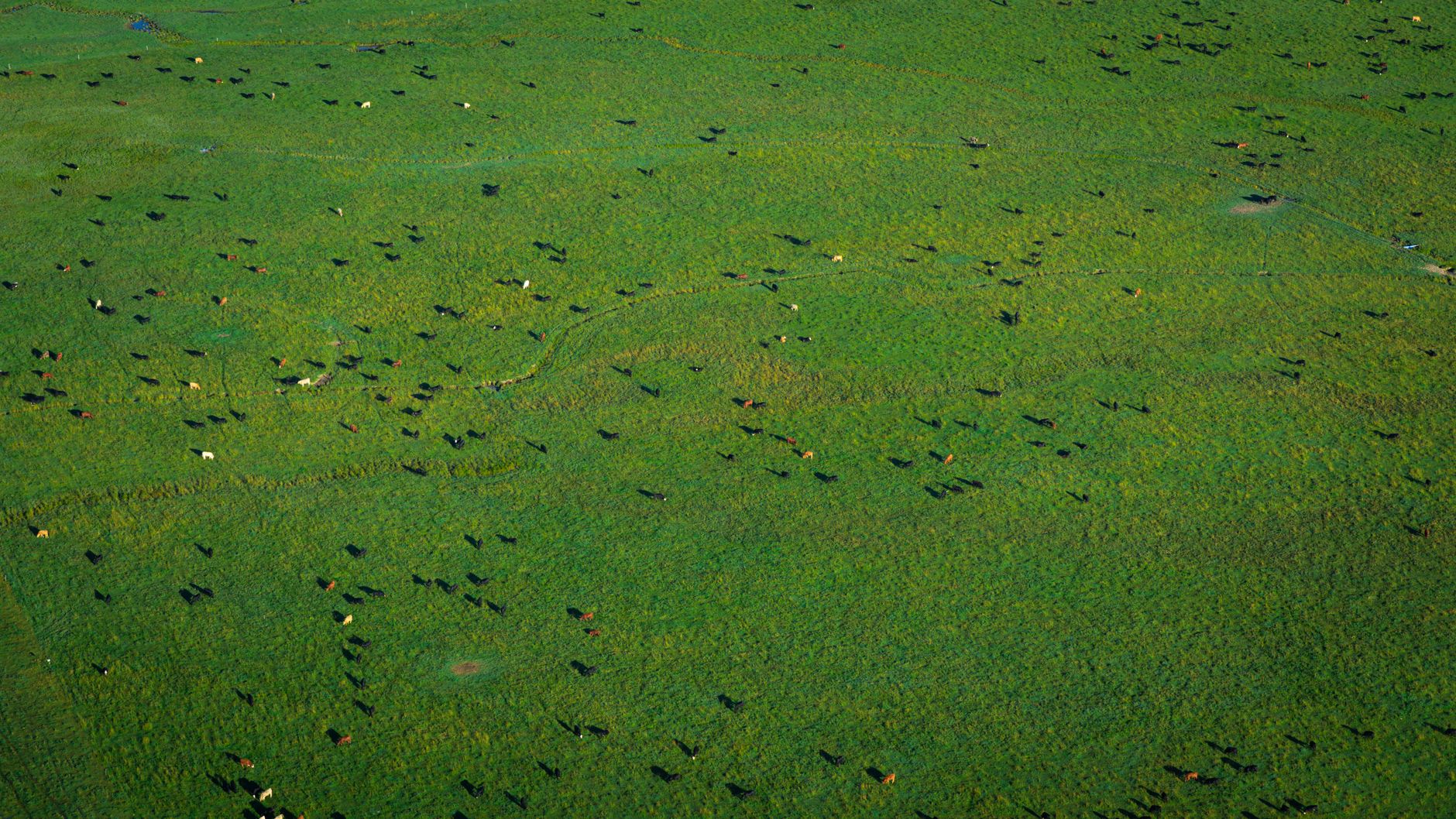
How Cattle Ranching Drives Forest Loss
Cattle ranching occupies roughly 80 percent of all deforested land in the Brazilian Amazon. The mechanism is straightforward: trees are cut or burned, grass is planted, and cattle graze until the soil is exhausted. Then the operation moves deeper into the forest. This cycle has consumed millions of hectares over the past five decades and continues to push the deforestation frontier northward and westward.
The economics reinforce the cycle. Global beef demand, particularly from China, the Middle East, and domestic Brazilian markets, makes clearing forest profitable for land speculators and ranchers alike. A hectare of cleared Amazon land can be worth five to ten times more as pasture than as standing forest, at least in the short-term calculus that drives individual decisions.
What makes the Amazon especially vulnerable is the feedback loop between deforestation and drought. As the forest shrinks, regional rainfall patterns shift. Less rain means drier conditions, which makes remaining forest more susceptible to fire, which further reduces forest cover. Scientists call this the savannification threshold, and parts of the eastern Amazon are already approaching it. The forest is not just losing trees. It is losing the conditions that allow it to regenerate.
The environmental cost extends far beyond carbon. Each hectare of cleared Amazon forest eliminates habitat for species found nowhere else on Earth, disrupts river systems that millions of people depend on for water and food, and weakens the continental weather patterns that keep rainfall flowing across South America. The loss is not contained to the immediate clearing site. Its effects ripple outward for hundreds of kilometers.
The Peruvian Amazon rainforest, a haven for endangered species, faces similar pressures from agriculture and cattle expansion, though at a different scale than Brazil. The Ucayali region, where Fund The Planet concentrates its conservation work, sits at the front line of this expansion.
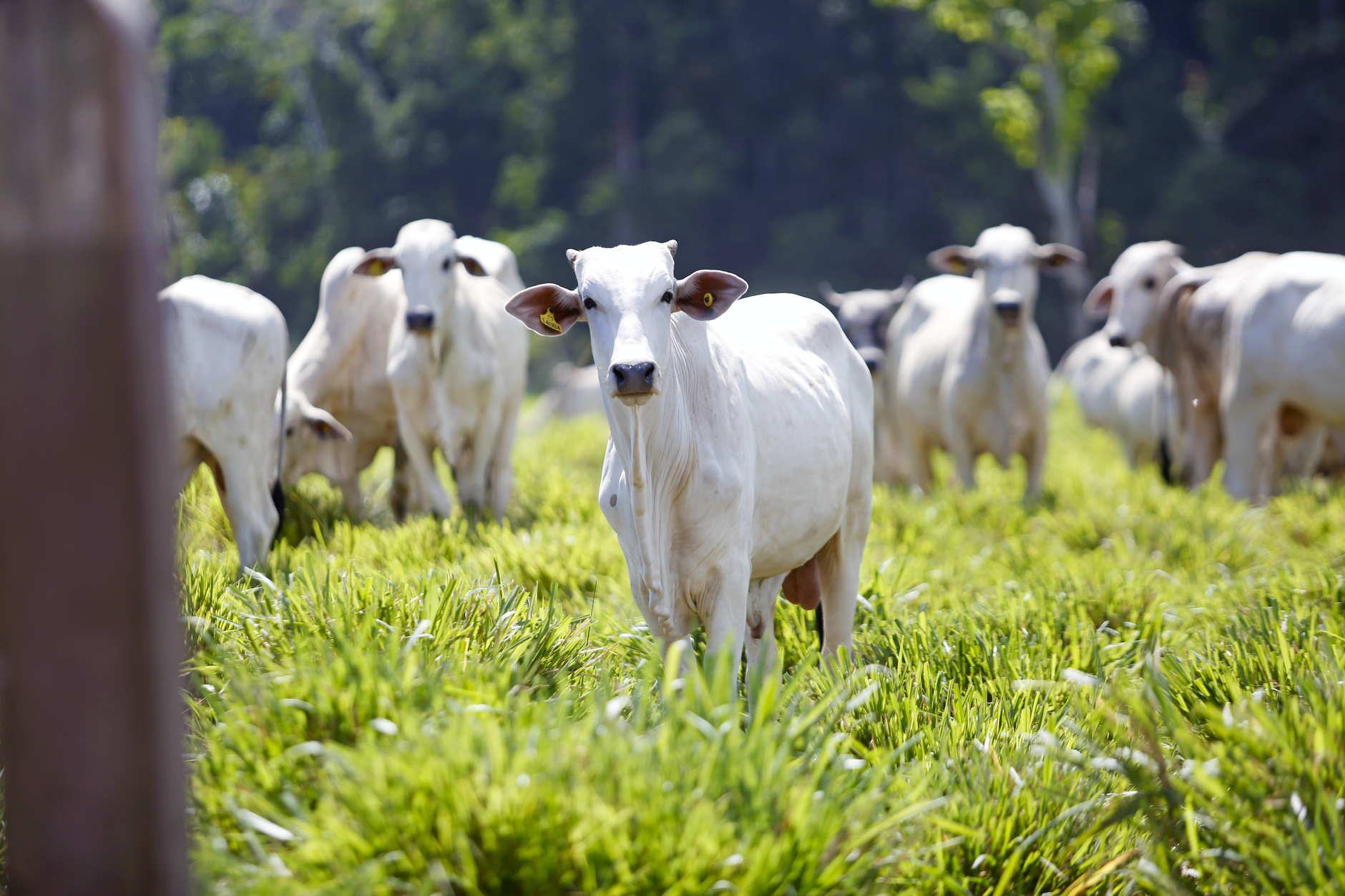
Supply Chains, Accountability, and the Global Forest Watch
The beef that ends up in global supply chains passes through a web of intermediaries that makes accountability difficult. Cattle raised on recently deforested land are often sold to fattening farms on legally cleared land before slaughter, effectively laundering the deforestation signal out of the supply chain. A 2025 report from the Global Forest Watch highlights the urgent need for changes in food supply chains to address this gap.
Brazil’s government has made strides in satellite monitoring through systems like DETER and PRODES, which detect deforestation in near real-time. But detection is only half the equation. Enforcement actions against illegal clearing remain inconsistent, and political pressure from the agricultural lobby frequently weakens environmental regulations. The result is a system that can see the problem clearly but struggles to act on what it sees. Criminal networks involved in illegal land-grabbing add another layer of complexity, sometimes using violence against environmental defenders and Indigenous communities who resist encroachment on their territories.
International markets are beginning to respond. The European Union’s deforestation-free product regulation, which entered into force in 2024, requires importers to prove that beef, soy, cocoa, and other commodities were not produced on recently deforested land. Whether this regulation survives industry pushback and implementation challenges remains an open question, but it represents the most significant attempt yet to connect consumer demand with forest outcomes.
Buying rainforest land for conservation is one direct approach to countering the economic logic that makes deforestation profitable. When forested land is protected and managed for its ecological value rather than cleared for short-term grazing, the economic equation shifts permanently.
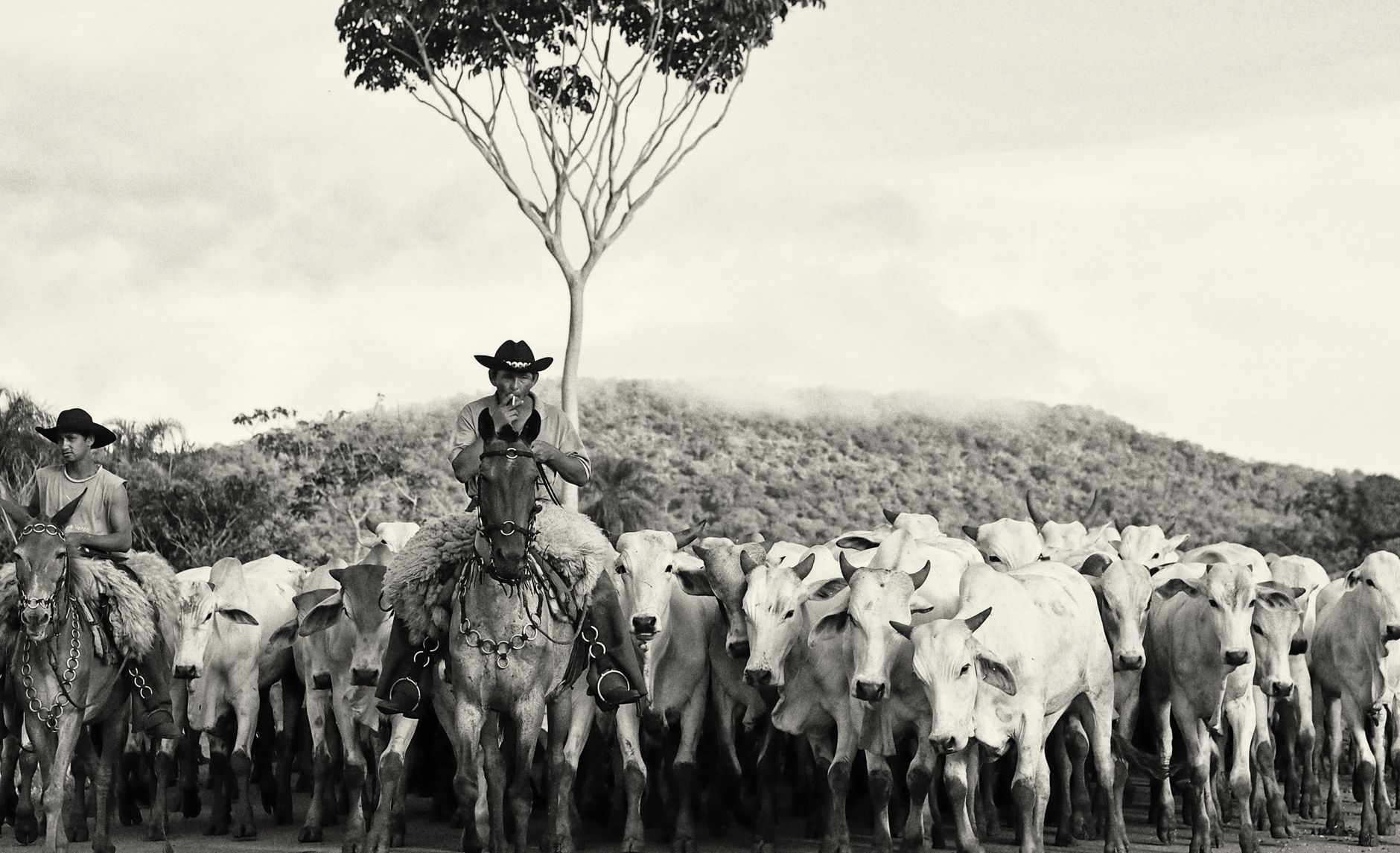
For a wider view of forest loss and its drivers, see Global Forest Watch’s global dashboard. The accompanying guides on palm oil and deforestation and the four major commodity drivers add the broader supply-chain context.
What Realistic Progress Looks Like
The 30.6 percent decline in Brazil’s Amazon deforestation during 2024 proves that the trend can be reversed. That drop came from a combination of renewed enforcement, satellite surveillance, and political will. It did not require new technology or untested policy. It required applying tools that already exist with greater consistency.
At the same time, the sheer scale of ongoing loss defies simple optimism. Over 736,000 hectares of direct deforestation and 1.51 million hectares of fire damage in a single year represent an enormous volume of destroyed habitat, carbon released, and biodiversity lost. Progress is real, but it has not yet brought the Amazon anywhere near a sustainable rate of forest loss.
Conservation models that combine direct protection with community partnership offer one path forward. The Ucayali Rainforest Reserve, supported by Fund The Planet members, protects thousands of hectares of primary forest in the Peruvian Amazon. This is not a carbon offset scheme or a distant donation. It is direct, traceable protection of specific land, verified through satellite data and on-the-ground partnerships with local communities.
Learning how to save the rainforest through actionable strategies starts with understanding that the problem is not hopeless and the solutions are not theoretical. Every hectare of forest that stays standing is a hectare that continues to cycle water, shelter wildlife, and store carbon. The connection between beef production and Amazon deforestation is direct and well-documented. The connection between informed action and forest protection is just as real. Every person who understands this connection is better positioned to support the solutions that are already working, whether through direct conservation, informed purchasing, or holding supply chains accountable for their environmental footprint.
Addressing beef production Amazon deforestation requires a multifaceted approach that prioritizes transparency and accountability within supply chains. As consumers become more aware of the link between beef production and Amazon deforestation, they can drive demand for sustainably sourced products. Governments and organizations must also enforce stricter regulations to prevent illegal land clearing and promote reforestation efforts. Ultimately, tackling beef production Amazon deforestation is not just an environmental imperative; it is a collective responsibility that involves consumers, producers, and policymakers working together to protect one of the planet’s most vital ecosystems for future generations.



 EN
 DE