
For the first time in history, an insect species has been granted legal rights; and this groundbreaking event is unfolding in the heart of the Amazon rainforest. Stingless bees, crucial pollinators and cultural cornerstones for Indigenous communities, now enjoy legal protections in Peru. This transformative decision transcends mere conservation; it challenges humanity to rethink its relationship with nature and redefines the very idea of legal rights.
Why do stingless bees matter so profoundly? Despite their unassuming size, these pollinators are instrumental in maintaining the Amazon’s immense biodiversity and play a pivotal role in sustaining Indigenous livelihoods through their unique honey production. By granting stingless bees legal rights, Peru has sent a powerful message: protecting even the smallest members of an ecosystem can trigger a ripple effect of positive environmental and societal change.
This article explores the far-reaching implications of Peru’s decision, its significance in environmental law, and how it could serve as a model for global species conservation efforts.
Why Stingless Bees Were Chosen for Legal Rights
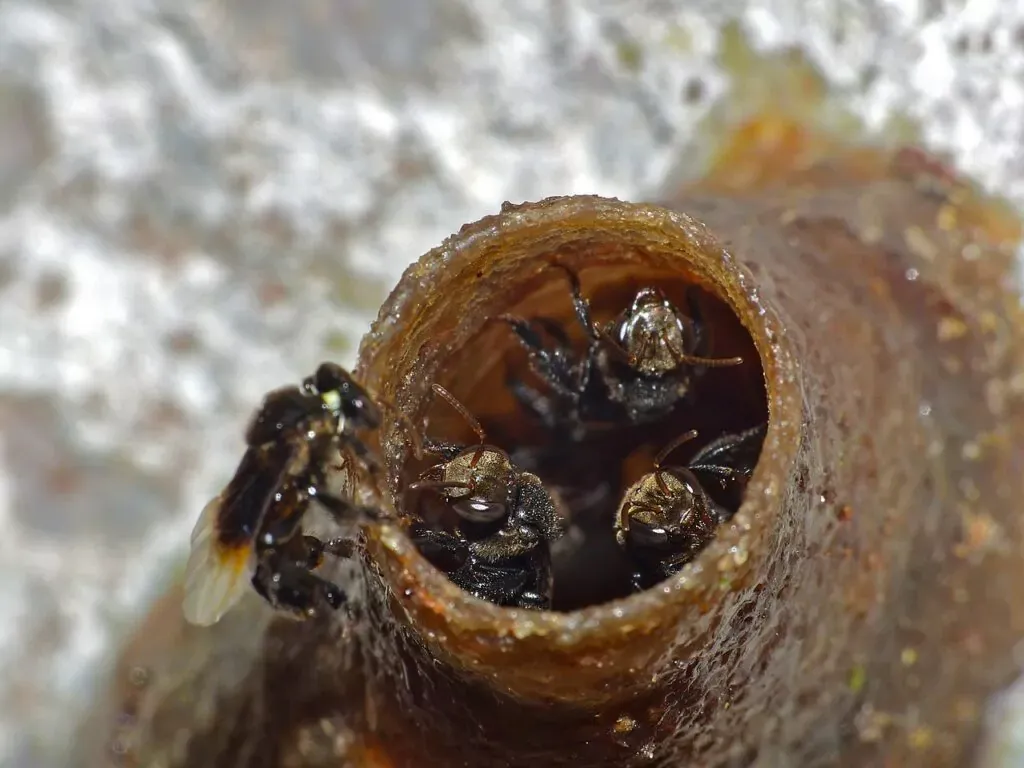
Stingless bees, scientifically classified as meliponines, are far more than just tiny pollinators. These bees serve as a keystone species in tropical ecosystems like the Amazon, playing an indispensable role in plant pollination and biodiversity maintenance. While their more famous relatives, honeybees, often claim the spotlight, stingless bees quietly contribute to pollinating a large share of tropical plants, including vital agricultural crops. Their ecological value is immense, research indicates they are essential to the survival of diverse plant species, many of which also provide food for humans and animals.
Despite their ecological indispensability, stingless bees face existential threats. Rapid deforestation, pesticide use, and climate change have caused alarming declines in their populations across South America. Peru’s decision to grant them legal rights stems from an understanding of their critical role in maintaining the intricate web of Amazonian life, as well as acknowledging their increasing vulnerability.
Cultural significance also played a vital role in this decision. Stingless bees have been sustainably managed by Indigenous communities in the Amazon for countless generations. Traditional meliponiculture, or beekeeping, showcases a unique relationship between humans and bees, where honey is harvested for medicinal and nutritional benefits without harming colonies. As such, granting legal rights to stingless bees is not merely a gesture of ecological awareness but a recognition of Indigenous knowledge and stewardship.
The Legal Framework: How Do Rights for Stingless Bees Work?
Peru’s decision to grant legal rights to stingless bees aligns with the emerging global movement to assign legal personhood to elements of nature. This legal innovation extends beyond treating nature as property and reframes it as a subject of rights. According to The Guardian, they face a deadly confluence of climate change, deforestation and pesticides, as well as competition from European bees.
The ordinance recognizes inherent rights of the bees and their ecosystems, including:
- the right to exist and thrive
- the right to maintain healthy populations
- the right to a healthy habitat free from pollution
- the right to ecologically stable climatic conditions
- the right to regenerate their natural cycles
- the right to be legally represented in cases of threat or harm
“This ordinance marks a turning point in how we understand and legislate our relationship with Nature,” Constanza Prieto, Earth Law Center, was quoted as saying.
Practically speaking, this pushes governments and industries to rethink activities that might harm stingless bees or their habitats. For instance, deforestation, unregulated agriculture, and industrial expansion that endanger their ecosystems could now face legal consequences. Local governments are tasked with integrating stingless bee protection into land-use planning, while enforcing penalties for violations.
To advocate for these newly granted rights, guardians, such as Indigenous leaders, conservation organizations, and environmental scientists, may act as legal representatives for the bees in court. Similar frameworks have been applied successfully elsewhere, such as New Zealand’s recognition of the Whanganui River as a legal entity and India declaring the Ganges and Yamuna Rivers as living entities. Peru’s initiative builds upon these precedents, signaling a transformative shift in how legal systems interact with natural ecosystems.
A Transformative Model for Conservation Law
Peru’s initiative redefines conservation by embedding ecological ethics into legal frameworks. Stingless bees, once viewed simply as natural resources, are now recognized as entities worthy of proactive care and protection. This monumental decision comes at a time when biodiversity loss continues to threaten the planet, underscoring the necessity of legal innovation in addressing environmental challenges.
The global community will watch closely as Peru implements this bold undertaking. Success here could spur wider adoption of similar frameworks, inspiring nations to weave ecological responsibility into their legal, social, and economic systems. Ultimately, this decision symbolizes a universal question: how can humanity build a legal and moral foundation that ensures the flourishing of both people and the planet?
Conclusion
Peru’s recognition of the legal rights of stingless bees represents a groundbreaking shift in conservation; one that transcends traditional, human-centered approaches. By valuing stingless bees for their ecological and cultural contributions, this decision embraces the interconnectedness of ecosystems and highlights the significance of Indigenous stewardship.
This legal innovation offers a model for protecting vulnerable species and ecosystems around the world. It challenges humanity to view biodiversity not only through the lens of utility but as an intrinsic facet of our shared existence. As the world reflects on Peru’s bold initiative, one pivotal question emerges: can the recognition of nature’s rights be the key to redefining our relationship with the planet and safeguarding its future?