Table of Contents
The Amazon river dolphin, with its mesmerizing pink hue and charismatic nature, is more than a natural wonder—it serves as a vital indicator of the health of the Amazon’s intricate freshwater ecosystem. Unfortunately, this fascinating species faces increasing peril, with mercury pollution, illegal fishing practices, and habitat destruction threatening its survival.
But why does the plight of this dolphin matter? Protecting Amazon river dolphins goes beyond safeguarding a single species. These animals play an essential role in the ecological balance of one of Earth’s most biodiverse regions, a habitat that also sustains countless species and communities. Their well-being reflects the health of the freshwater ecosystems that underpin the lives of millions across South America and beyond.
This article delves into the biology of Amazon river dolphins, the critical threats they face, and the strategies in place to offer them a lifeline. In doing so, it illuminates the interconnectedness of biodiversity, environmental stewardship, and human responsibility.
Biology of Amazon River Dolphins
Amazon river dolphins (Inia geoffrensis), affectionately called “botos,” are unique fresh water-dwelling mammals endemic to the Amazon and Orinoco river basins. Recognized for their vibrant pink coloration, these intelligent cetaceans showcase biology and behavior distinct from their marine relatives, with adaptations finely tuned to their freshwater habitat.
Key Biological Features
Amazon river dolphins exhibit physical traits and abilities that enable them to thrive in their dynamic environment:
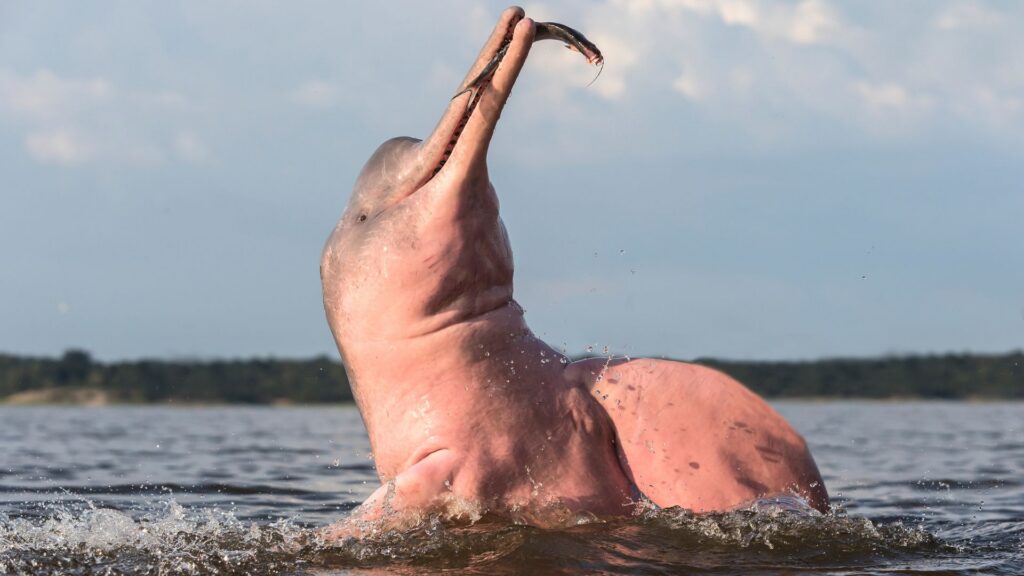
The Amazon River Dolphin aka the Pink River dolphin is famously known for its playful charm, its pink hue caused by its blood vessels is more visible among the matured male is a part of its courtship display and signifies social dominance.
- Flexible Bodies for Complex Navigation: Unlike marine dolphins, whose vertebrae are fused, Amazon river dolphins have unfused neck vertebrae, allowing extraordinary neck flexibility. This adaptation aids them in weaving through the dense, flooded forests and navigating the submerged obstacles of their habitat.
- Iconic Pink Coloration: The vibrant pink color, more pronounced with age, often signifies males’ social dominance or serves as part of their courtship displays. The coloration is thought to be influenced by blood vessel development, potentially accentuated by scar tissue from vigorous social interactions.
- Sharp Senses in Murky Waters: Equipped with small yet powerful eyes adapted for dim lighting, Amazon river dolphins also possess highly sophisticated echolocation. This advanced sensory tool enables them to hunt effectively and avoid obstacles in water often clouded with sediment and debris.
Diet and Role in the Ecosystem
These dolphins are opportunistic feeders and consume a wide variety of prey, including over 50 species of fish, crustaceans, and even small turtles. Their appetite for piranhas, catfish, and other aquatic species helps regulate fish populations, preventing outbreaks that could disrupt the broader ecological balance. As apex predators, they are critical to the health and functionality of the freshwater ecosystem.
Social Structures and Reproductive Behavior
Unlike their marine cousins, Amazon river dolphins tend toward solitary or small-group living arrangements, typically comprising two to four individuals. Despite this, their social interactions are vital for mating and reproduction. Mating often coincides with the ebb and flow of seasonal water levels, and calves rely heavily on maternal care for nourishment and protection throughout their formative months.
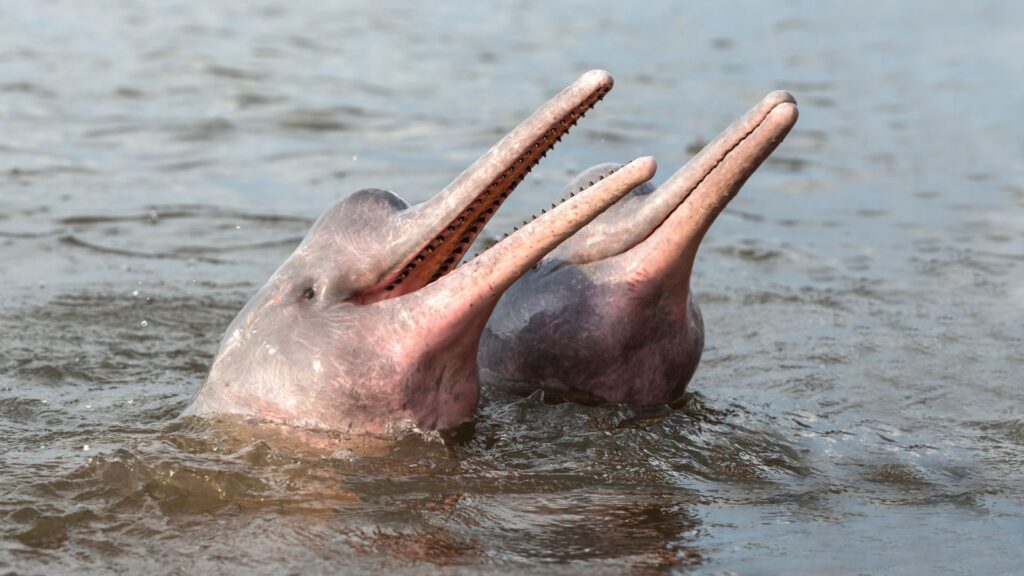
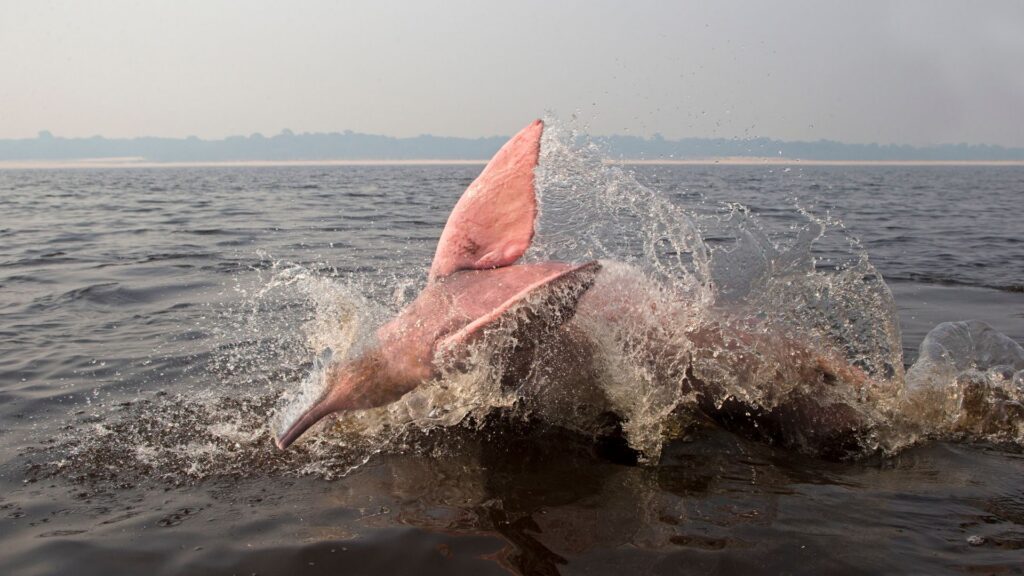
The fascinating biology and pivotal ecological role of Amazon river dolphins highlight their importance as both environmental ambassadors and guardians of their habitat. However, their unique adaptations also make them vulnerable to a host of human-induced challenges.
Threats Facing Amazon River Dolphins
Amazon river dolphins face an alarming array of threats, most of which originate from human activity. From mercury pollution due to gold mining to illegal fishing practices and habitat alteration, these pressures have placed the species on a precarious path toward endangerment.
Mercury Pollution from Gold Mining
One of the most acute threats stems from mercury contamination caused by small-scale gold mining, a widespread activity in the Amazon region. Mercury is used to separate gold from sediment, and the chemical often finds its way into rivers, where it wreaks havoc on aquatic ecosystems.
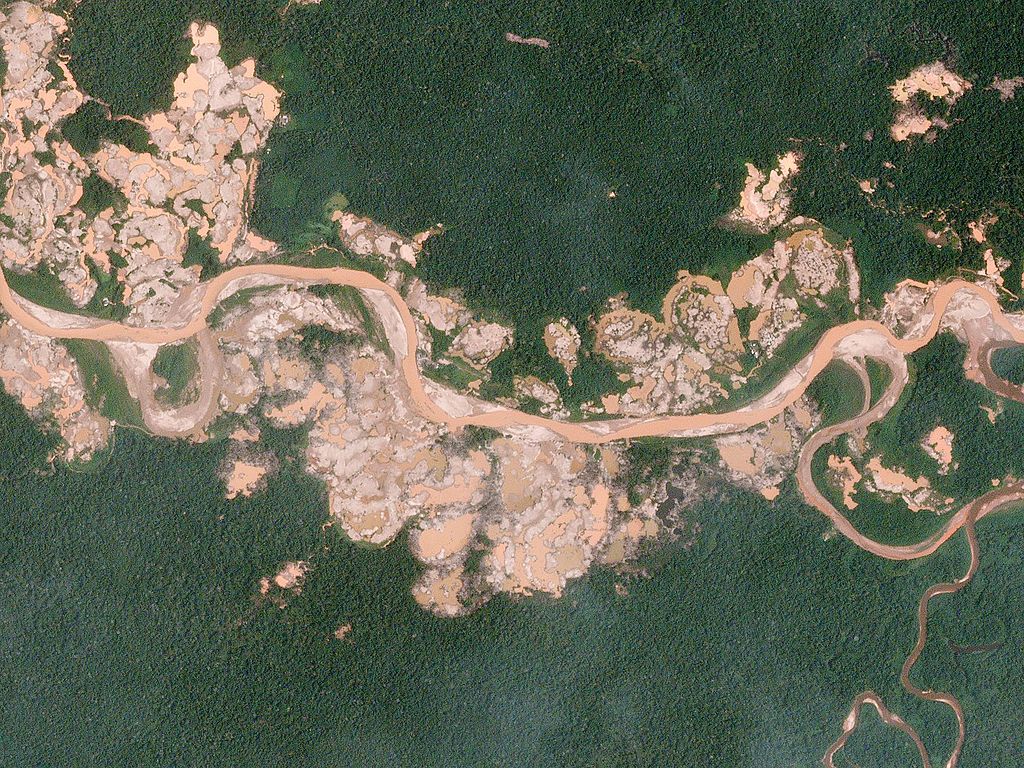
- Toxic Bioaccumulation in the Food Chain: Mercury enters the rivers, binding to microorganisms that are consumed by small fish, which are then eaten by larger predatory species. As apex predators, Amazon river dolphins accumulate dangerously high concentrations of mercury from their prey, leading to severe health consequences.
- Impact on Dolphin Health: Mercury poisoning in Amazon river dolphins has been linked to profound neurological damage, weakened immune defenses, and reduced reproductive success. Studies have revealed that mercury levels in some dolphins exceed safety thresholds for marine mammals by a factor of three, underscoring the urgency of intervention.
Fisheries Bycatch and Targeted Killing
The growing fishing industry in the Amazon also puts these dolphins directly in harm’s way.
- Unintentional Entanglement: Like many aquatic species, Amazon river dolphins often fall victim to bycatch, becoming entangled in fishing nets meant for their prey. Such incidents frequently lead to injury, suffocation, or death.
- Deliberate Hunting for Bait: Disturbingly, some fishermen in Brazil kill Amazon river dolphins intentionally. Their meat and oil are used as bait for the piracatinga, a commercially valuable species of scavenging catfish. This practice not only endangers dolphins but also perpetuates unsustainable and illegal fisheries.
Habitat Loss and Climate Change
Deforestation, dam construction, and climate change are reshaping the Amazon region, compounding the risks to aquatic wildlife, including its iconic dolphins.
- Deforestation and Floodplain Disruption: Logging and agricultural expansion reduce crucial floodplain habitats that serve as feeding and breeding grounds for river dolphins.
- Waterway Fragmentation from Dams: Hydropower dams disrupt the natural flow and connectivity of rivers, cutting dolphins off from essential parts of their habitat and limiting their movement by creating artificial barriers.
- Climate-Induced Changes in Ecosystems: Rising global temperatures are altering rainfall patterns and river dynamics, impacting fish populations and other food sources upon which the dolphins depend.
The cumulative effects of these threats are pushing river dolphins closer to extinction, underscoring the urgent need for targeted conservation efforts.
Conservation Initiatives and Strategies
Safeguarding Amazon river dolphins requires a coordinated global and local effort. Conservation strategies range from policy-driven mercury reduction programs to grassroots education campaigns designed to promote sustainable river practices.
Ongoing Conservation Efforts
Numerous organizations and international collaborations are working to protect the Amazon river dolphin and its habitat.
- Monitoring and Research Programs: Initiatives spearheaded by organizations like WWF and Instituto Mamirauá focus on population surveys, behavior studies, and engaging local communities to reduce harmful practices such as illegal fishing. These programs also advocate for stricter enforcement of protective legislation.
- Global Mercury Reduction: The Minamata Convention on Mercury is a pivotal global treaty aiming to limit mercury emissions and prevent its release into ecosystems. By tackling mercury pollution at its source, such efforts can play a critical role in protecting Amazon river dolphins and the broader aquatic environment.
- Indigenous Forest Management: Collaborations with indigenous groups and local communities through incentivising forest protection and habitat restoration; a model that Fund The Planet uses in protecting rainforest in the Peruvian Amazon.
Innovative Solutions and Future Directions
Emerging technologies, such as drone-based habitat monitoring and DNA water sampling, are also being explored to gather valuable data on dolphin populations and habitat conditions. Increased funding, corporate accountability, and public awareness campaigns are additional avenues for amplifying conservation impact.
Conclusion
The Amazon river dolphin is more than a keystone species; it is a powerful symbol of the intricate connections between biodiversity, cultural heritage, and environmental health. However, its survival is under threat from mercury poisoning, illegal hunting, habitat destruction, and climate change.
Protecting this remarkable creature requires bold action. From strengthening international agreements like the Minamata Convention to empowering local conservation initiatives, the time to act is now. These efforts do more than safeguard a single species—they preserve the health and vitality of one of the planet’s richest ecosystems.
The Amazon river dolphin’s fate is tethered to the broader well-being of the environment and the millions of lives it sustains. By committing to their conservation, we take a crucial step toward protecting our shared natural heritage for future generations. Let us embrace this responsibility and work tirelessly to ensure that these “guardians of the Amazon” continue to thrive.