If you kneel down on the forest floor in the Peruvian Amazon, the world condenses into a vivid mosaic of life. A single square meter reveals a microcosm teeming with activity: ants and beetles weave through the leaf litter, moss harbors microscopic mites, a slender sapling stretches toward shards of sunlight, and perhaps a darting frog catches your eye. Beneath the soil, an unseen network of fungal threads and bacteria hums with activity, weaving a hidden symphony that keeps this ecosystem in motion.
Rainforest biodiversity on this tiny scale is staggering and upends our sense of scope. How many organisms, how many connections, coexist in a space smaller than your kitchen table? Each layer, from the canopy to the underground, teems with life specific to its conditions, revealing unparalleled complexity. Understanding this density of life is more than wonder: it’s a key to preserving these essential ecosystems.
Each square meter tells its own story of survival and interconnectedness. Let us uncover those stories and delve into the layers of life within just one square meter. As we do, you may never see even the smallest patch of earth the same way again.
What Does “Rainforest Biodiversity per Square Meter” Really Mean?
Rainforest biodiversity per square meter may seem like an abstract idea. But imagine crouching in the wilderness of an Amazonian forest. Within a single square meter, you might find dozens of plant species, hundreds of insects, and uncountable microorganisms. Even those hidden from sight play critical roles in this community, cycling nutrients and maintaining balance.
Scientists often use these small-scale studies to unlock larger mysteries. Such focused examinations reveal how ecosystems function, how species interact, and how environments recover after disturbances. Interestingly, even though rainforests are iconic for biodiversity, smaller plots of temperate grasslands have been found to rival or surpass rainforests in plant species density. In areas under 50 square meters, grasslands can sometimes host more plant types. This phenomenon challenges our assumptions about rainforest complexity and underscores the uniqueness of every ecosystem. Learn more about such resilient landscapes in Rainforest Refugia: What They Are and Why They Kept Life Alive.
But comparisons aside, even just a square meter of rainforest reveals something profound. From the towering canopy to the soil beneath your feet, this small space reflects a seamless network of organisms: each one essential to the whole.
Layers of Life: Exploring the Microhabitats Within a Square Meter
The Canopy: Life Above the Forest Floor
The canopy of a rainforest forms a sprawling ceiling alive with movement. Among its branches, epiphytes: plants that grow upon other plants: create thriving pockets of life. Mosses, bromeliads, and orchids transform tree limbs into bustling mini ecosystems. Insects shuffle through leaves, frogs hide within petals, and vibrant butterflies trace pathways through beams of sunlight. Dive further into their world in Amazon Butterflies: A Colorful Guide to Rainforest Jewels.
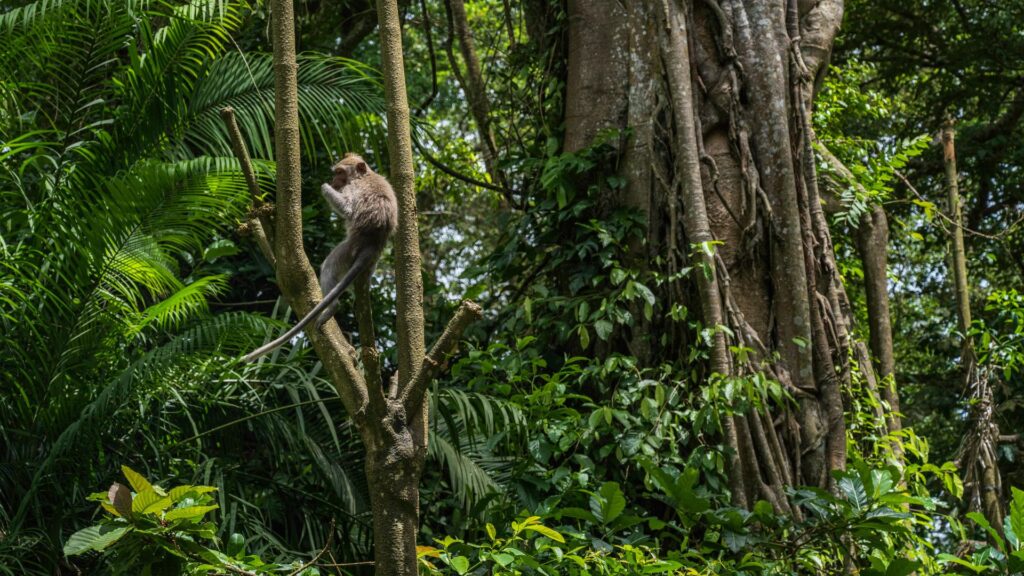
The canopy does not live in isolation. Every fallen leaf or fruit becomes a messenger, carrying nutrients back to earth. This movement links the canopy to the forest floor, creating a constant flow that nourishes life below. These movements remind us: no layer of the forest is truly separate. Each thrives as part of an intricate, interwoven whole.
The Forest Floor: A Teeming Ecosystem
Below the grand canopy, the forest floor comes alive in its own quiet way. Here, sunlight barely reaches, casting the space in soft shadow, but life persists with incredible vigor. Decaying leaves become hiding places for amphibians and hunting grounds for glistening beetles. Even the tiniest creatures are active: leafcutter ants leave trails as they carry bits of leaves to underground nests where they farm fungi, their primary food source.
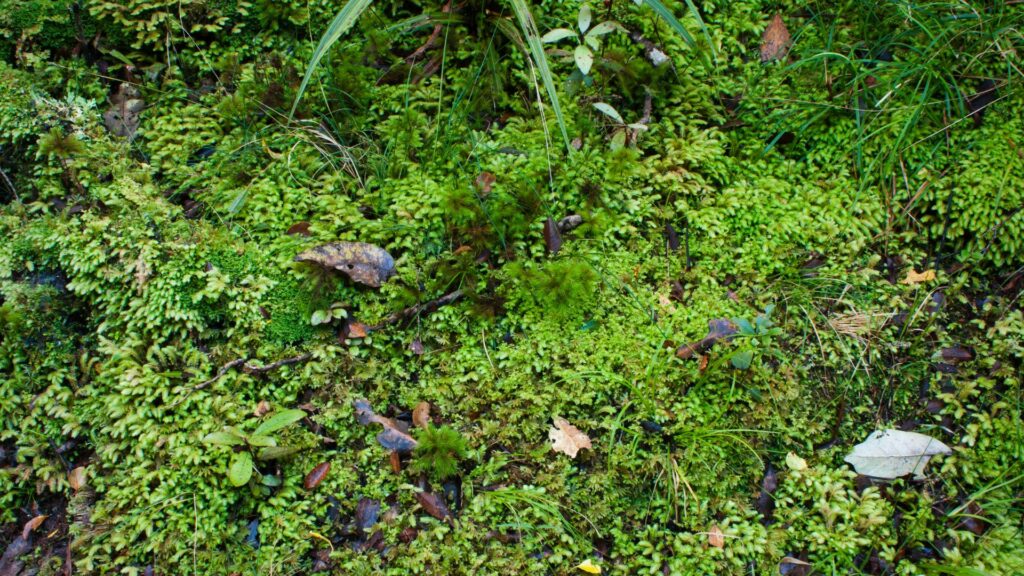
The forest floor becomes a stage where biodiversity’s dramas play out in miniature. Fallen logs become nurseries sprouting mosses and seedlings, tiny crevices become homes. Each square meter tells thousands of micro-stories: births, regenerations, and quiet battles for survival. Among them is the fascinating world of rainforest amphibians, explored in Poison Dart Frogs of the Amazon: Colors, Toxins, and Diversity.
The Hidden Underground: Soil as a Biodiversity Hotspot
Beneath the forest floor lies a hidden universe few truly consider. Beneath your feet, fungal networks called mycorrhizae spread out like a lacework, connecting tree roots and enabling nutrient exchange. Soil bacteria and tiny invertebrates tirelessly decompose organic material, replenishing the earth with nutrients that keep the forest alive.
These subterranean networks are not just support systems: they are the rainforest’s life force. Without this unseen foundation, the towering trees and thriving canopy would collapse. The incredible diversity of soil ecosystems is a quiet cornerstone of rainforest health, as highlighted in Biodiversity of the Amazon: Wildlife Discovered During Rainforest Conservation in Peru.
Small Spaces, Big Impact: The Power of One Square Meter
One square meter may seem insignificant, but these minuscule habitats are critical building blocks of entire ecosystems. Protecting microhabitats ensures that pollinators, decomposers, and seed dispersers: a rainforest’s essential workforce: can thrive. Conserving even a square meter spreads ripples of regeneration outward, sustaining the forest’s stability over time.
Fund The Planet is making this idea actionable. By allowing individuals to sponsor small sections of rainforest, they transform conservation into something tangibly personal. Sponsors don’t just hear about a difference: they can see and track the areas they’re helping to protect. Learn more about the power of land ownership in Buying Rainforest Land: The True Cost of Conservation.
Supporting rainforest conservation starts with simple steps. Fund The Planet’s Rainforest Explorer platform connects people around the globe with tangible, trackable conservation efforts. Every sponsored meter becomes part of a larger collective effort, turning individual contributions into powerful, real-world change.
Each small action: like sponsoring just one square meter: preserves countless lives and future possibilities. By sharing the importance of protecting microhabitats, you can ignite the curiosity and purpose needed to keep these ecosystems thriving.