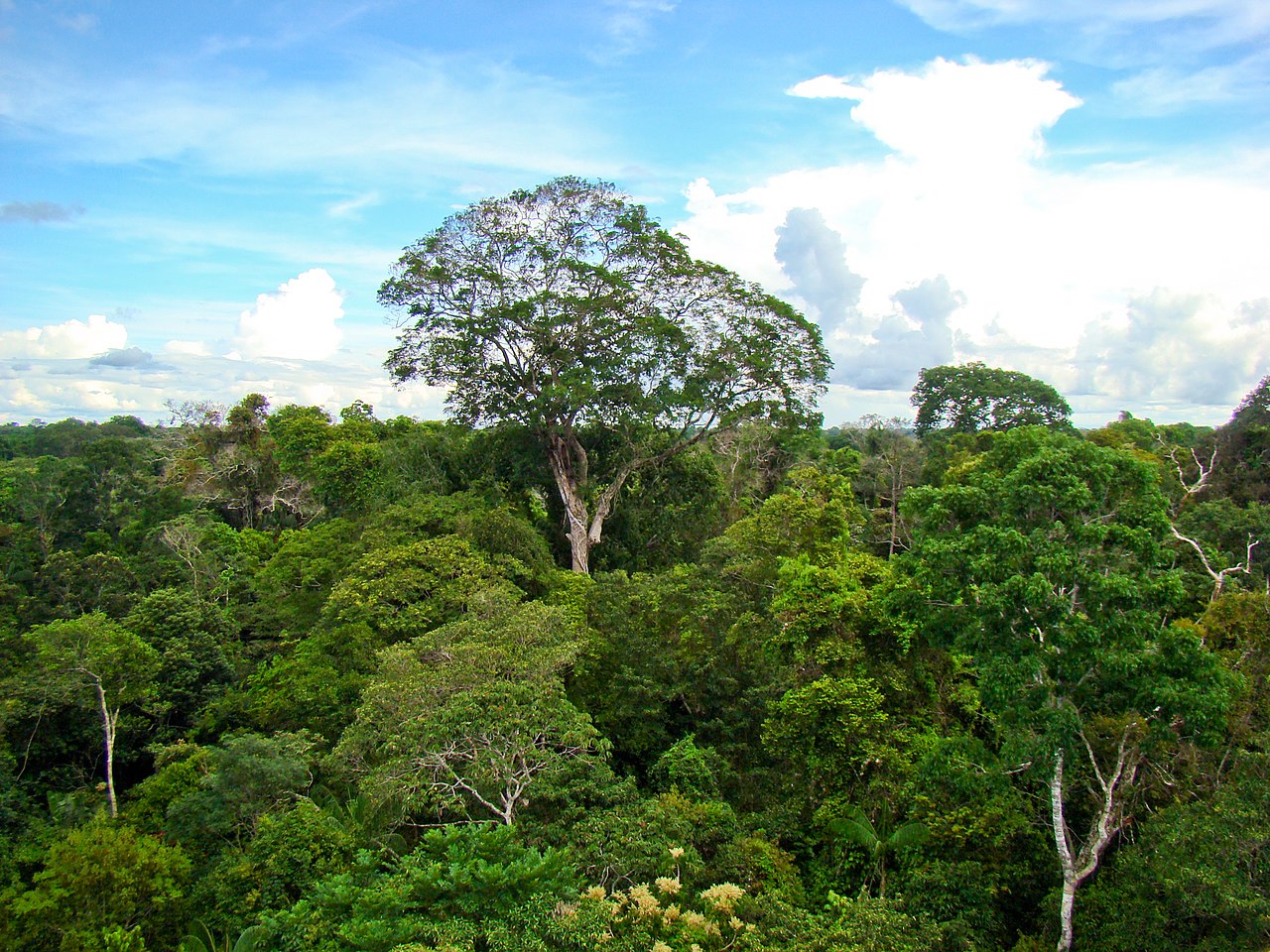
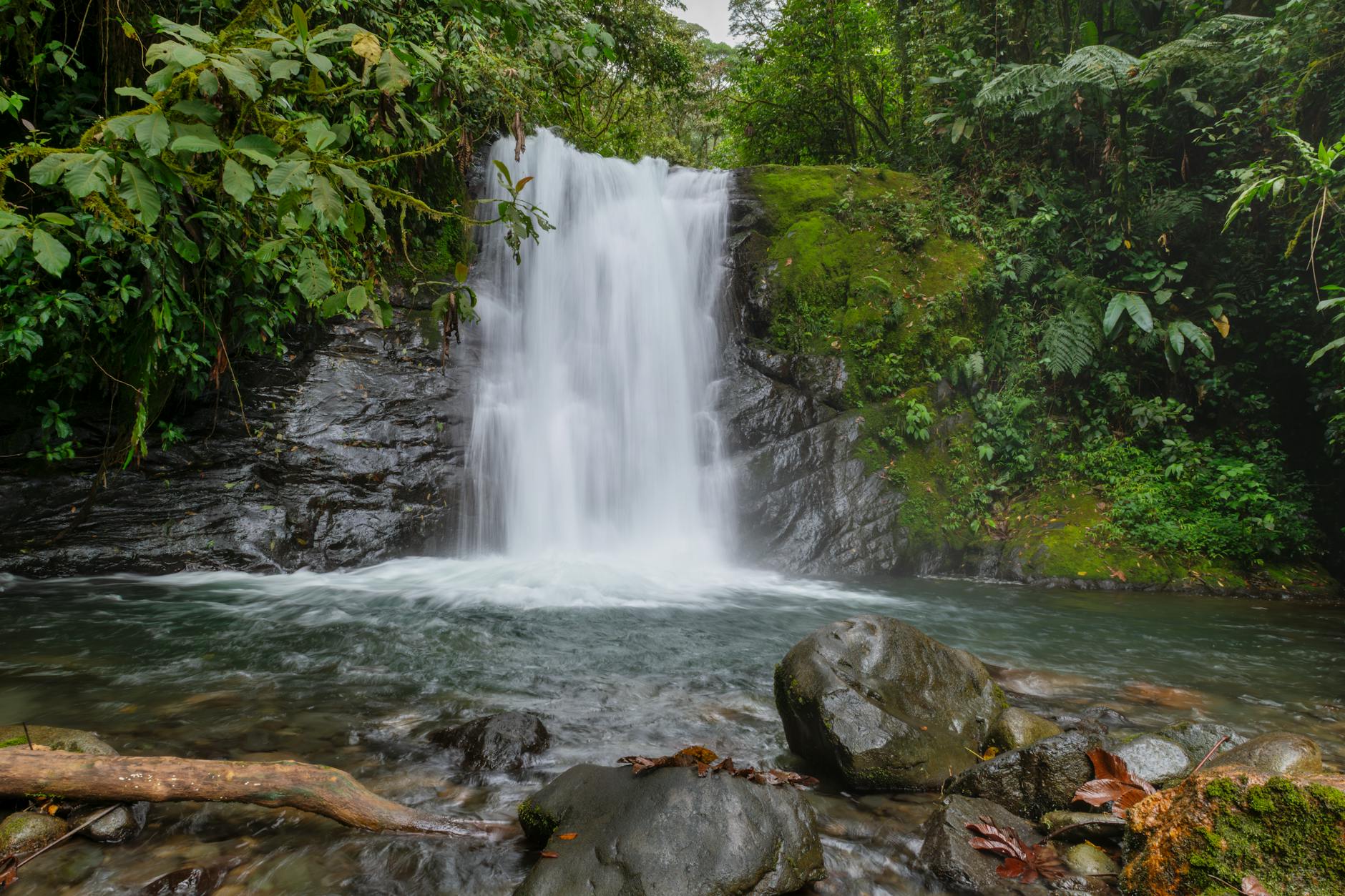
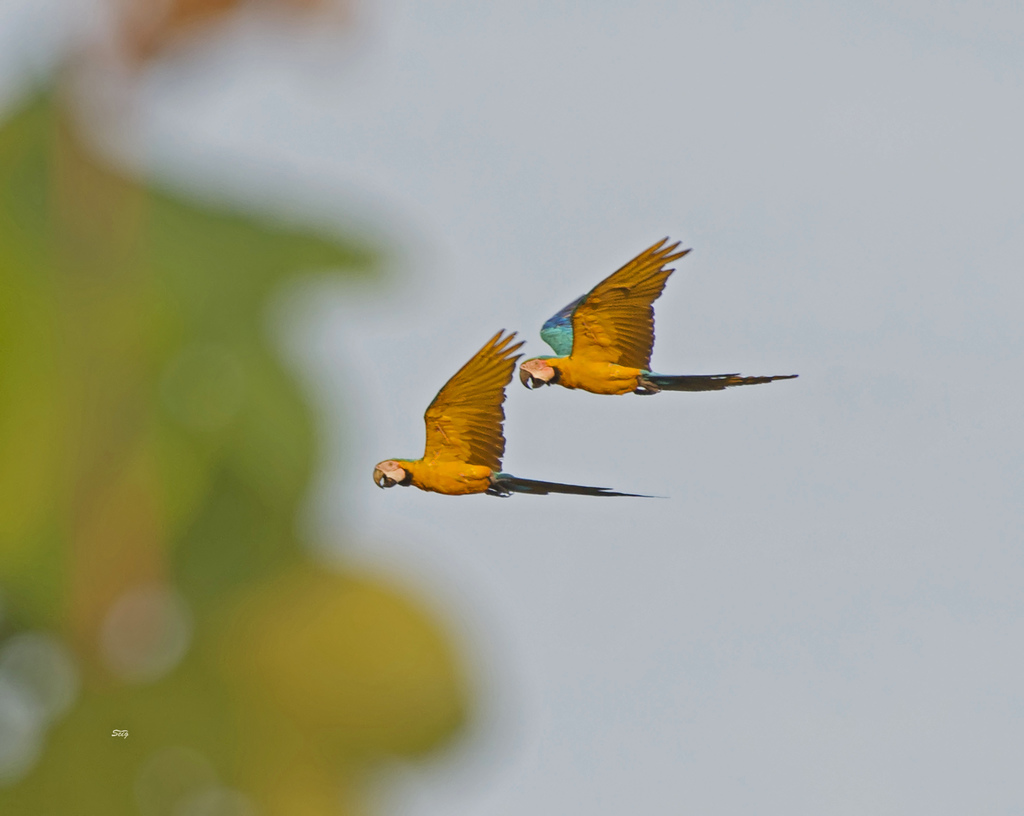
The Peruvian Amazon does not give up its secrets easily. In 2022, a team of researchers from Conservation International spent 38 days surveying the Alto Mayo region of northern Peru, a mosaic of cloud forest and lowland rainforest sandwiched between the Andes and the Amazon basin. When the findings were published, the tally stood at 27 species new to science, with another 49 species flagged as potentially new but requiring further study to confirm. Conservation International’s research team described the region as a landscape where “every ridge line and valley held surprises.”
Those numbers are not an anomaly. They are what happens every time someone looks carefully at a patch of Amazon forest that has not been surveyed before. Here are five of the most revealing species to emerge from the Alto Mayo expedition, each one a reminder of how much remains unknown in the world’s richest terrestrial ecosystem.
Chaetostoma breve
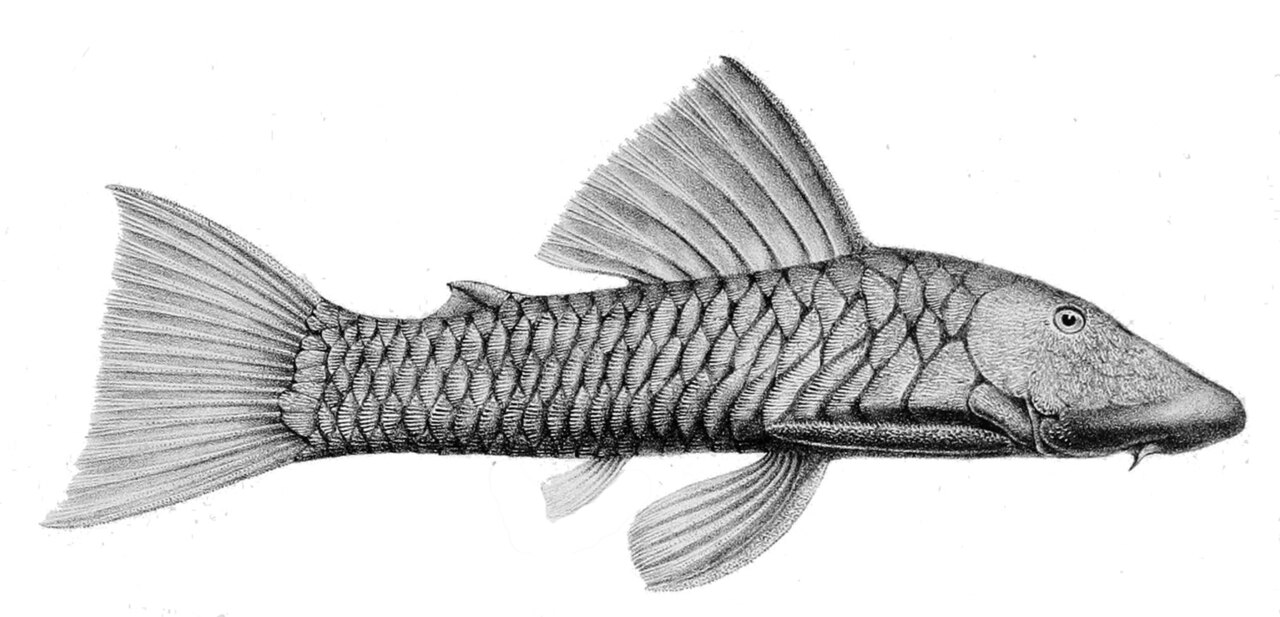
The fish that grabbed headlines from the Alto Mayo expedition is a type of armored catfish in the genus Chaetostoma. Its most striking feature is a bulbous, almost gelatinous enlargement at the front of its head. Researchers still do not know what the structure is for. It could be a sensory organ for detecting prey in murky water. It could be a product of sexual selection, a display feature that signals fitness to potential mates. Or it could be something else entirely, a function no one has thought to look for yet.
What makes this find especially interesting is where it was found. Chaetostoma catfish are typically associated with fast-flowing, oxygen-rich mountain streams in the Andes. Finding an undescribed species in the Alto Mayo, a transitional zone between highland and lowland ecosystems, suggests the region holds species from both worlds and possibly some that exist only at the boundary. Roughly 2,500 fish species are described from the Amazon basin, and scientists estimate at least another thousand remain undocumented. The diversity of Amazon fish is a catalog still being written.
Bolitoglossa peruviana
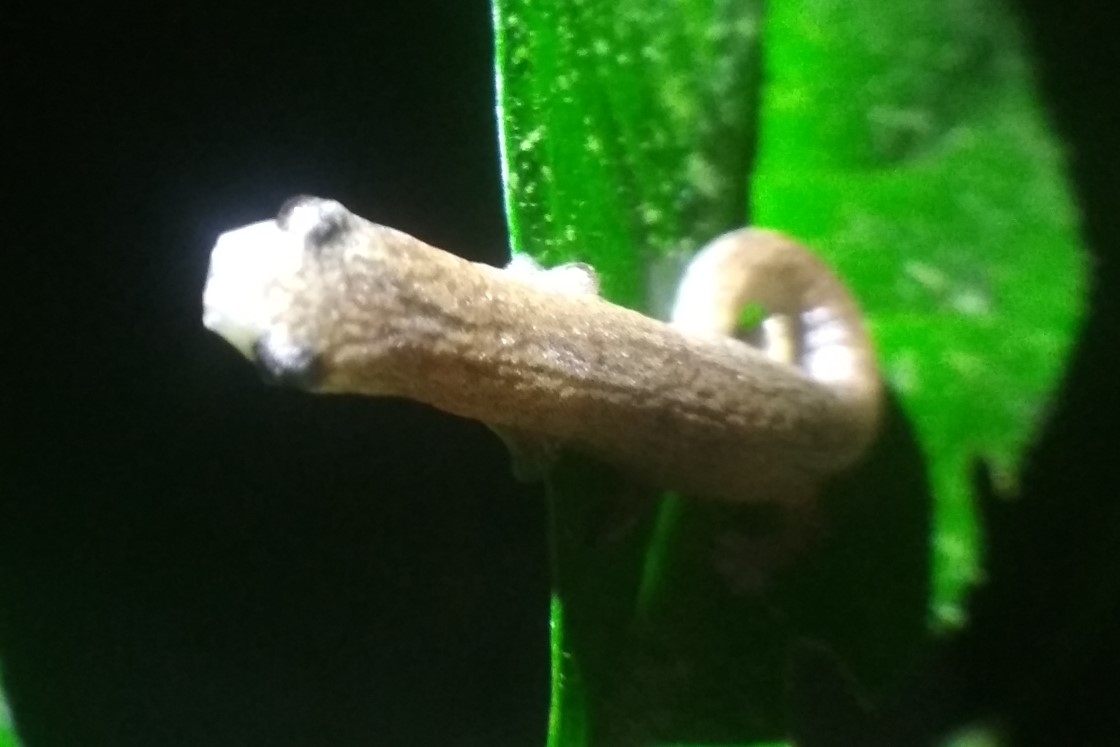
Salamanders are not what most people picture when they think of the Amazon. They are more commonly associated with cool, temperate forests in North America and Europe. Yet the Alto Mayo expedition turned up a climbing salamander in the genus Bolitoglossa, a group of tropical salamanders that live in trees and breathe through their skin rather than lungs.
Bolitoglossa salamanders are found across Central and South America, but each species tends to occupy a narrow geographic range, sometimes a single mountain slope or watershed. They need consistent moisture to keep their skin functional for gas exchange, which ties their survival directly to intact forest cover. When forest is cleared, humidity drops, and lungless salamanders disappear quickly, often before anyone has formally described them.
This makes them useful as indicator species. Finding an undescribed Bolitoglossa in Alto Mayo tells researchers that the forest patch still has the microclimatic stability these amphibians require. It also raises the question of how many other salamander populations are waiting to be found in Peru’s lesser-surveyed forest fragments before those fragments are cut.
Golden spiny mouse

Mice do not usually make the list of charismatic rainforest discoveries, but the spiny mouse found during the Alto Mayo survey earns its place. Belonging to the genus Scolomys, this rodent has stiff, bristly guard hairs mixed into its fur that give it a spiny texture, a rare adaptation among South American mice that probably helps deter snakes and other predators.
Scolomys species are poorly known even by rodent standards. They appear to be associated with undisturbed lowland forest in the western Amazon, and their limited distribution makes them vulnerable to habitat fragmentation. Small mammals often receive less conservation attention than their larger counterparts, but they perform ecological roles that jaguars and harpy eagles cannot: seed dispersal at fine scales, soil aeration through burrowing, and serving as the prey base for owls, snakes, and small wild cats.
The spiny mouse also illustrates a pattern common to Amazon discoveries. Researchers often find new species not in completely unexplored wilderness but in places that have been overlooked because the animals are small, nocturnal, cryptic, or otherwise easy to miss by anyone not specifically looking for them.
Sciurillus pusillus
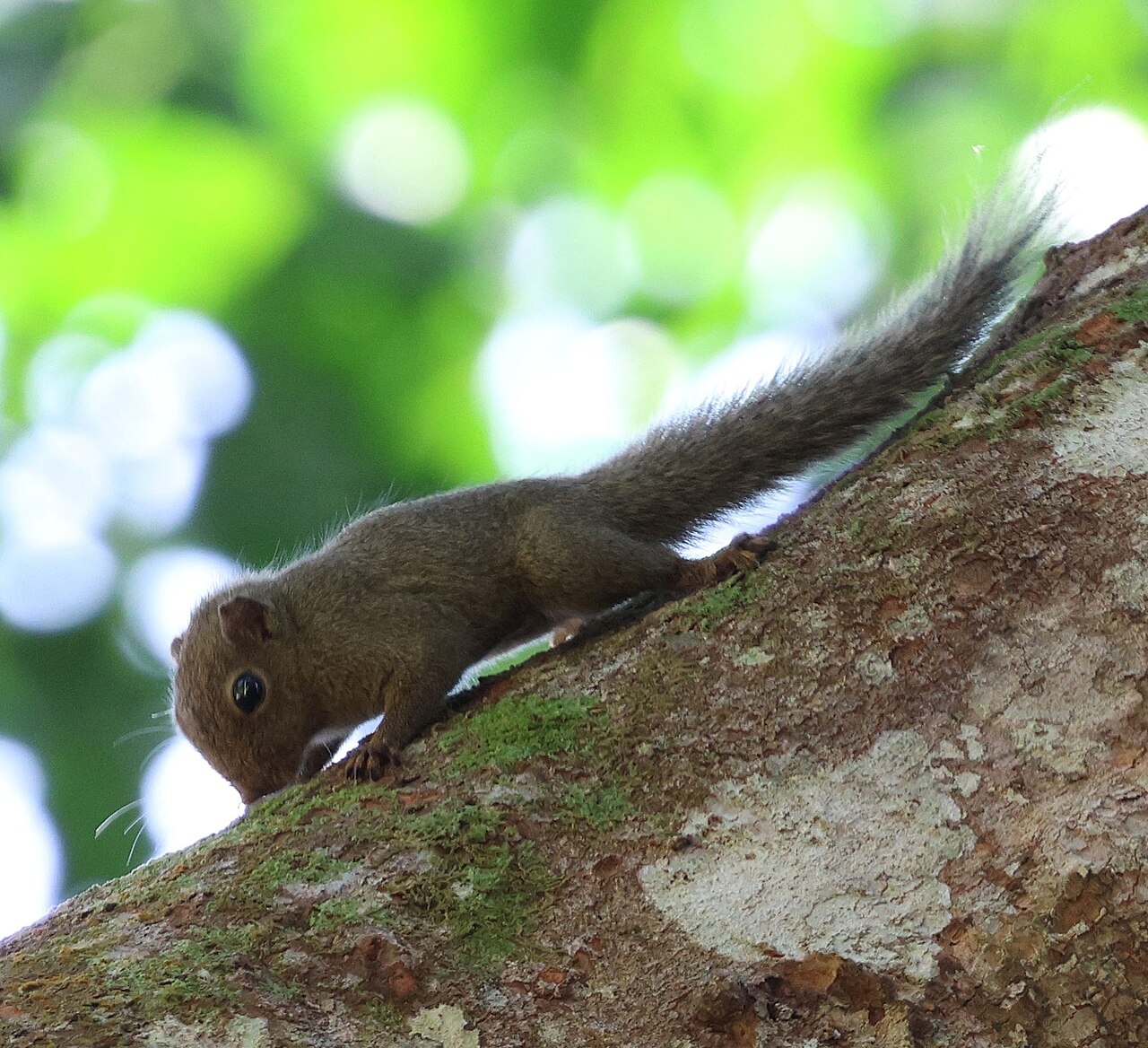
Among the mammals documented during the Alto Mayo survey was a dwarf squirrel so small and so fast-moving that it had evaded formal description despite living in trees above researchers’ heads. Dwarf squirrels in the genus Sciurillus are among the smallest tree squirrels in the world, weighing less than 50 grams as adults, roughly the weight of a golf ball.
Their tiny body size makes them exceptionally difficult to study. They are rarely captured in standard mammal traps, they move quickly through the upper canopy where observation is challenging, and their arboreal habits mean most ground-based survey methods miss them entirely. Most of what science knows about Sciurillus comes from scattered sightings and a handful of museum specimens collected over decades.
The presence of a healthy dwarf squirrel population is a quiet but meaningful indicator. These squirrels depend on continuous canopy cover to travel, feed, and avoid ground predators. Where the canopy is intact enough to support them, it is probably intact enough to support much of the forest community that depends on the same structural complexity.
Poison dart frog
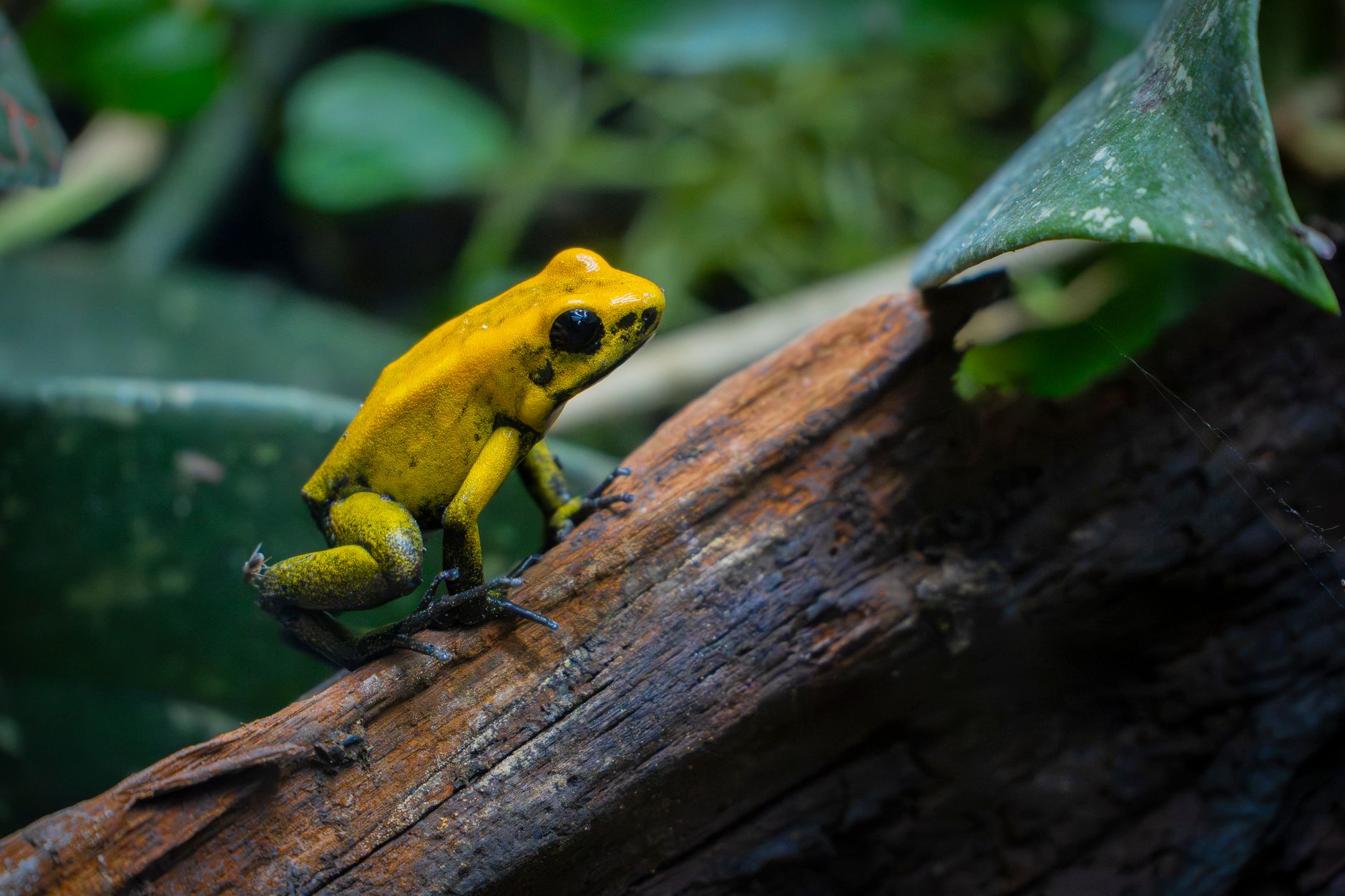
Poison dart frogs are among the most visually striking animals in the Neotropics, and the Peruvian Amazon continues to yield new members of this family. One of the frogs documented in Alto Mayo surveys is a small species whose turquoise coloration follows the familiar aposematic pattern: vivid color warns predators that the frog carries skin toxins best left alone.
Like other poison dart frogs, this species likely acquires its toxicity from alkaloids in its wild diet of ants, mites, and beetles, rather than producing the compounds itself. The exact chemical profile, whether the frog carries batrachotoxins like the better-known Phyllobates terribilis or less potent pumiliotoxins, will require laboratory analysis to determine.
The discovery matters for two reasons. First, each new poison dart frog adds to a group whose skin chemistry has already yielded compounds of interest for biomedical research, particularly in pain management and cardiac medicine. Second, amphibians are among the most threatened vertebrate groups globally, with habitat loss, climate change, and the chytrid fungus driving declines across every continent. The poison dart frogs of the Amazon represent both remarkable evolutionary diversity and acute conservation vulnerability.
The five species described here are a fraction of what the Alto Mayo expedition uncovered, and the Alto Mayo expedition is a fraction of what remains to be found in the Peruvian Amazon. The point is not the number 27 or 49 or any tally. The point is that even now, a few weeks of careful fieldwork in a single region can rewrite what science knows about Amazon biodiversity.
That carries a practical implication. Undescribed species cannot be protected by name, but they can be protected by place. When rainforest land is legally secured and kept intact, every species living on that land, named or unnamed, gets the same chance to persist. That is the logic behind direct land protection in the Peruvian Amazon, and it is why discovery and conservation are not separate projects. They are two sides of the same effort.