A blue-and-yellow macaw in the wild does not announce itself quietly. You hear it before you see it: a raw, carrying call that ricochets through the canopy, followed by a pair of birds breaking into open sky, wings flashing turquoise and gold against the green. They fly in tight, synchronized pairs, sometimes in small family groups, often returning to the same roosting and nesting trees for decades.

Range, Habitat, and What They Eat
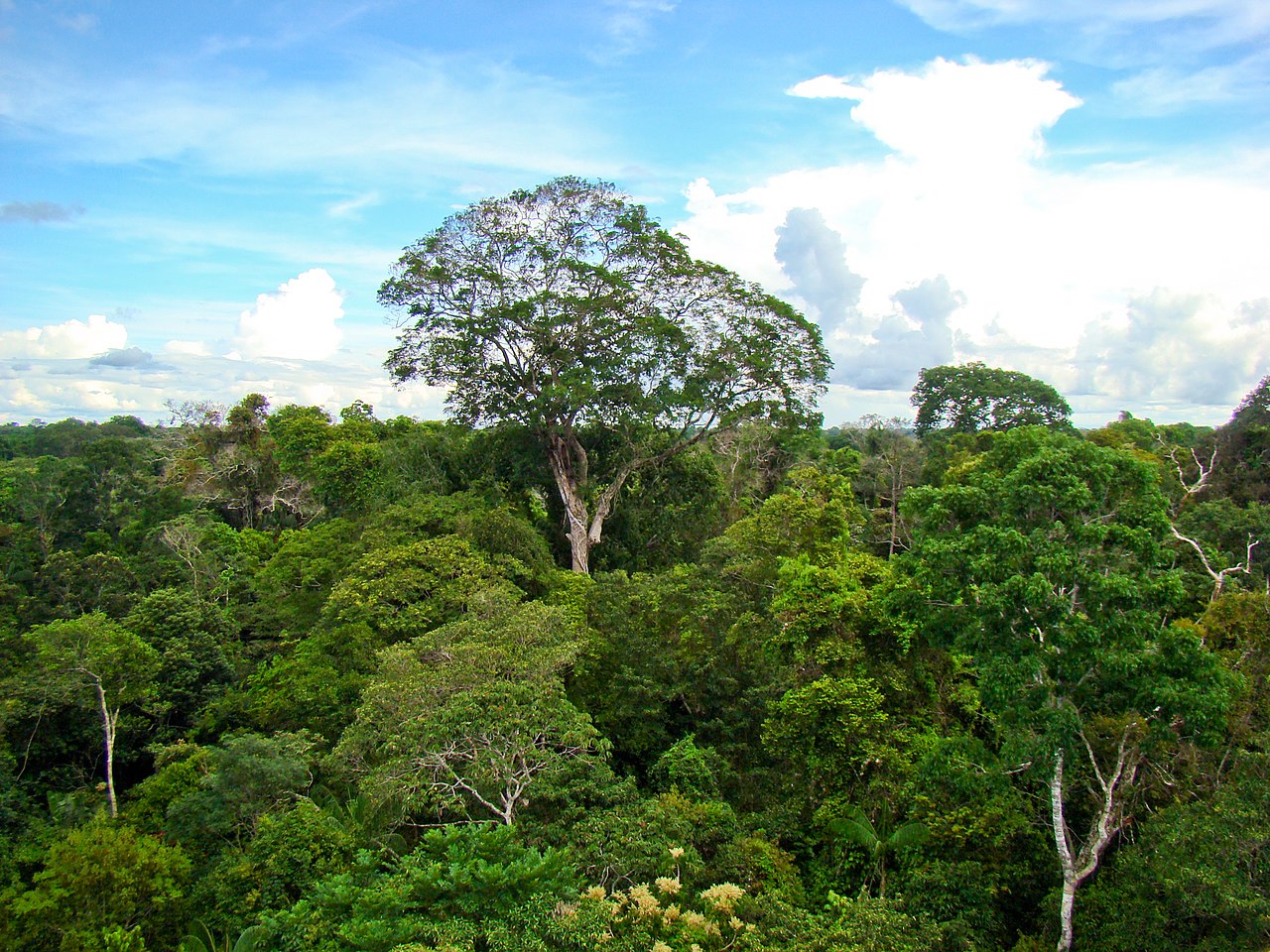
The blue-and-yellow macaw, Ara ararauna, ranges across most of northern and central South America. Its territory stretches from eastern Panama through the Amazon basin into Bolivia, southern Brazil, Paraguay, and Trinidad. It is a bird of lowland tropical forests, palm swamps, and seasonally flooded woodlands, wherever large trees stand and fruit is available through the year.
According to the Animal Diversity Web, their diet centers on fruits, nuts, and seeds, with a particular reliance on palm fruits. Like most parrots, they use their powerful curved beak to crack open tough shells that other animals cannot access. A single macaw can consume dozens of palm nuts in a morning, flying long distances between feeding trees and dispersing seeds across wide areas as it goes.
They are also regular visitors to clay licks along riverbanks, where they consume mineral-rich soil that helps neutralize plant toxins in their diet. These gatherings can attract dozens of macaws at once, and they have become one of the Amazon’s most photographed wildlife spectacles.

Nesting, Lifespan, and Family Life
Blue-and-yellow macaws are monogamous and typically mate for life. They nest in cavities, often in dead palm trees or large old-growth trees with natural hollows. A pair will reuse the same cavity year after year, laying two to three eggs per clutch. Incubation lasts about 28 days, and chicks remain in the nest for roughly 90 days before fledging.
In the wild, they live 30 to 35 years on average. Captive birds with consistent food and no predators can reach 50 to 60 years, which is why they have long been sought after in the pet trade.
Their nesting dependence on large old trees makes them vulnerable to selective logging. Even if a forest looks intact from above, removing the oldest emergent trees can wipe out nesting sites that pairs have used for generations. As the Rainforest Alliance notes, macaws are one of the species most directly impacted by the loss of old-growth forest structure.
Why Macaws Matter to the Rainforest
A blue-and-yellow macaw is more than a splash of color in the canopy. It is a seed disperser that helps shape the forest itself. Fruits consumed in one patch of forest get deposited, in viable form, kilometers away. The abandoned nest cavities they leave behind become homes for other birds, mammals, and insects.
This role of parrots as ecosystem engineers is well documented among conservation biologists. Protecting macaws means protecting the large, connected tracts of primary forest that sustain their feeding, nesting, and social behavior. That is the same forest that stores carbon, regulates rainfall, and shelters thousands of other species.
Macaws share the Amazon with other remarkable birds, from the iridescent flash of Amazon butterflies to the impressive hyacinth macaw, the largest parrot species on Earth. Together they form part of an extraordinary avian community that makes the Amazon one of the most colorful bird habitats anywhere.
The blue-and-yellow macaw is not currently endangered. The IUCN Red List classifies it as Least Concern, but with a population that is declining. Habitat loss in the Amazon, particularly the conversion of forest to pasture and cropland, continues to chip away at its range. A bird that needs large trees, intact forest, and long distances to thrive cannot survive in fragments. Every hectare protected is a hectare where a macaw pair can still find a cavity to nest in, return to it next year, and raise another generation against the odds.