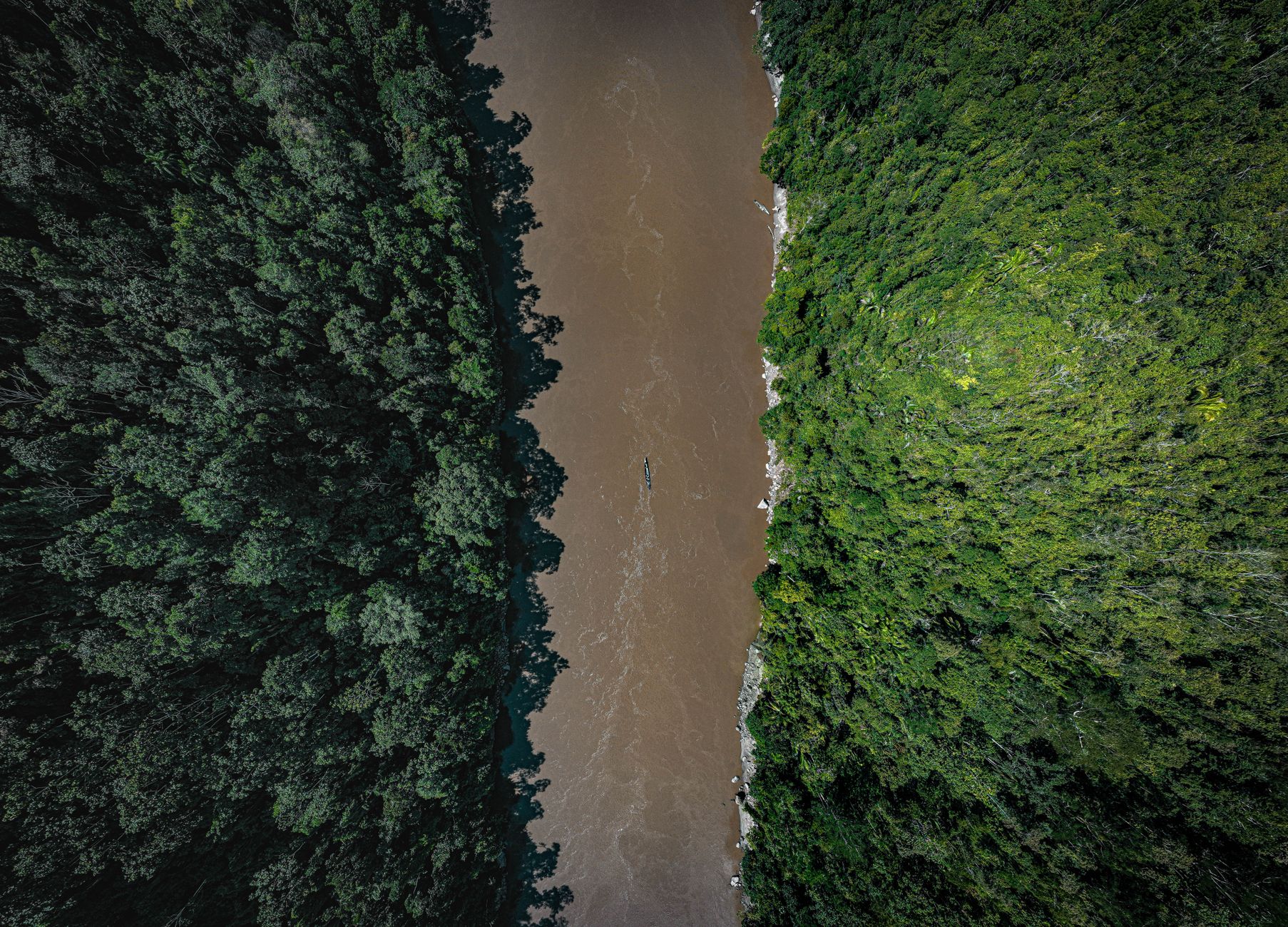
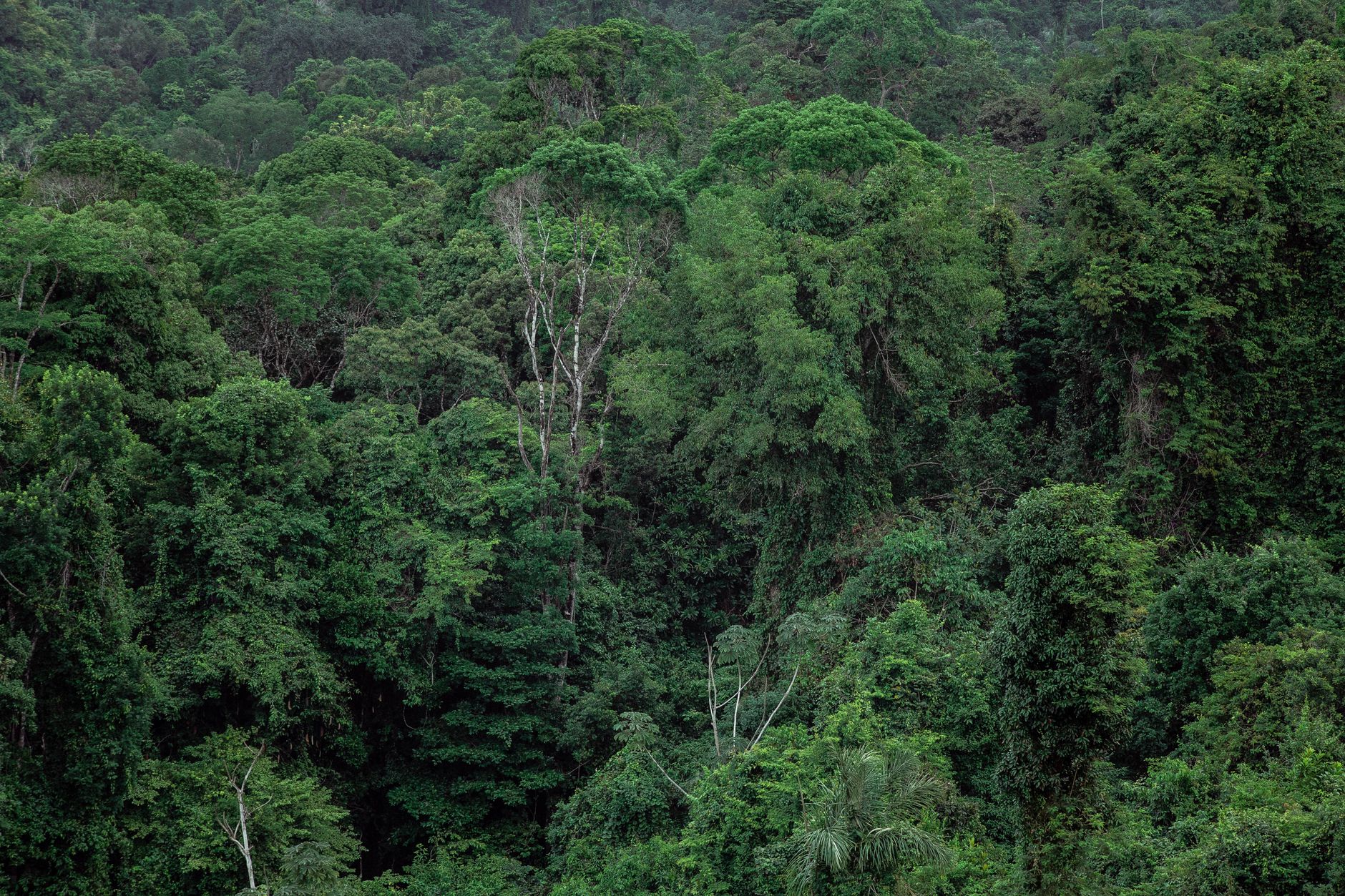
Where sunlight falters lives one of nature’s most striking creatures: the pink river dolphin. Its delicate, blush-tinted form moves with grace, navigating a labyrinth of submerged trees and roots, perfectly at home in an environment as challenging as it is extraordinary
How does the pink river dolphin thrive in such a world? The answer lies in remarkable adaptations, from echolocation that turns sound into sight to a uniquely flexible neck capable of navigating hidden obstacles. Their existence weaves through more than just the rivers; it stretches deep into the culture and folklore of Amazonian communities. Yet, their survival faces growing threats: deforestation, pollution, and climate change cast a shadow across their future.
Exploring the connection between pink river dolphins and the Amazon’s black waters reveals a story of resilience and harmony, but also one of vulnerability. By understanding their world, we take a necessary step toward safeguarding it.
The Mysterious Habitat: Amazon’s Black Waters
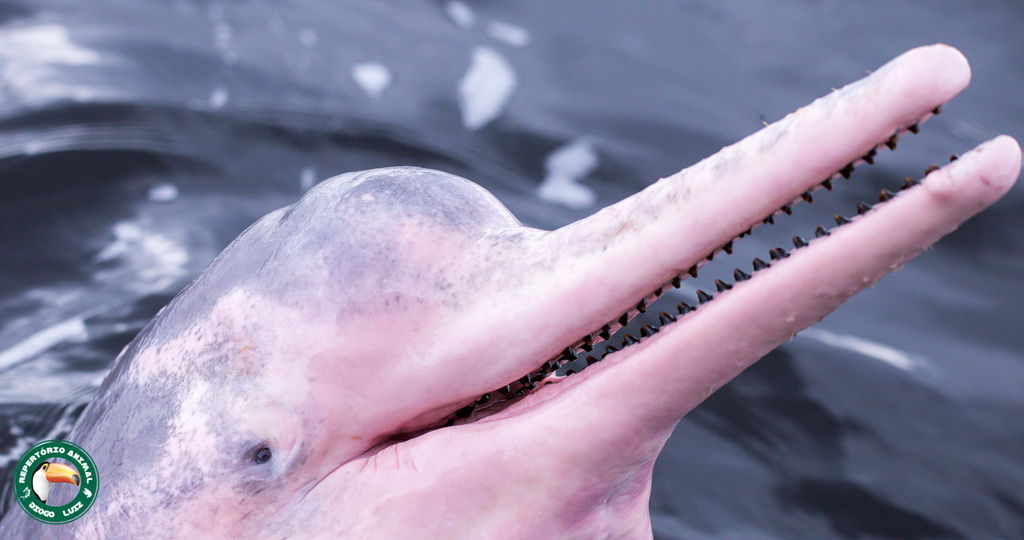
Photo: Diogo Luiz · iNaturalist
What Are Black Waters?
Imagine a river as reflective as polished graphite, its darkness born from the tannins of decaying forest leaves. This is the nature of black water rivers like the Rio Negro. Beyond their striking appearance, these waters are defined by low nutrient levels, minimal sediment, and high acidity. Such conditions forge ecosystems that demand extraordinary adaptability. Life here is a test of ingenuity and resilience, particularly in the oxygen-depleted, light-starved depths.
For aquatic life, black waters present a daunting challenge. Visibility is nearly nonexistent, food can be scarce, and the extreme acidity creates biochemical hurdles. Despite this, some species not only survive but thrive, forming intricate ecological connections. Among them, the pink river dolphin stands out as a marvel of adaptation to these enigmatic waters.
Why Do Pink River Dolphins Thrive Here?
Inextricably tied to these black waters, the pink river dolphin reflects the mastery of its environment. Known locally as “botos,” their unique pink hue is a vivid reminder of their evolution in a world untouched by marine competitors. Black water rivers, disconnected from coastal marine migrations, offer them unmatched dominion over their habitat.
These dolphins are not mere inhabitants; they are keystone species, vital to the balance of their ecosystem. By preying on fish and small invertebrates, they regulate the food web, while their movements distribute nutrients across submerged forests. Their survival here is a testament to nature’s interconnected systems, a living example of how every element plays a role in the Amazon’s complexity.
Learn more about their ecological importance in our detailed guide: Amazon River Dolphin Conservation.
Adaptations for Survival in Murky Depths
Here, pink river dolphins rely on a gift more powerful than sight: echolocation. Through bursts of clicks and whistles, they create an acoustic map of their surroundings. Sound travels faster and farther underwater than light, giving them the ability to detect obstacles, prey, and even subtle changes in submerged objects.
But echolocation is much more than a technique for navigation. It enables these dolphins to move effortlessly through flooded forest canopies and twisting waterways, sketching the contours of an otherwise hidden world. This extraordinary sensory ability transforms their murky habitat into a realm of clarity, proving that evolution has equipped them for survival where few others could endure.
While marine dolphins are streamlined for open seas, the pink river dolphin boasts a distinctive feature: an incredibly flexible neck. With unfused cervical vertebrae, they can twist and turn with agility through dense networks of submerged trees. This anatomical advantage allows them to adapt to the Amazon’s unpredictable flood cycles. When monsoons transform forest floors into waterways, pink river dolphins can explore these new aquatic corridors with precision and ease. 5 Rainforest Animals You’ll Swear We Made Up.
The Role of Pink River Dolphins in Amazonian Culture
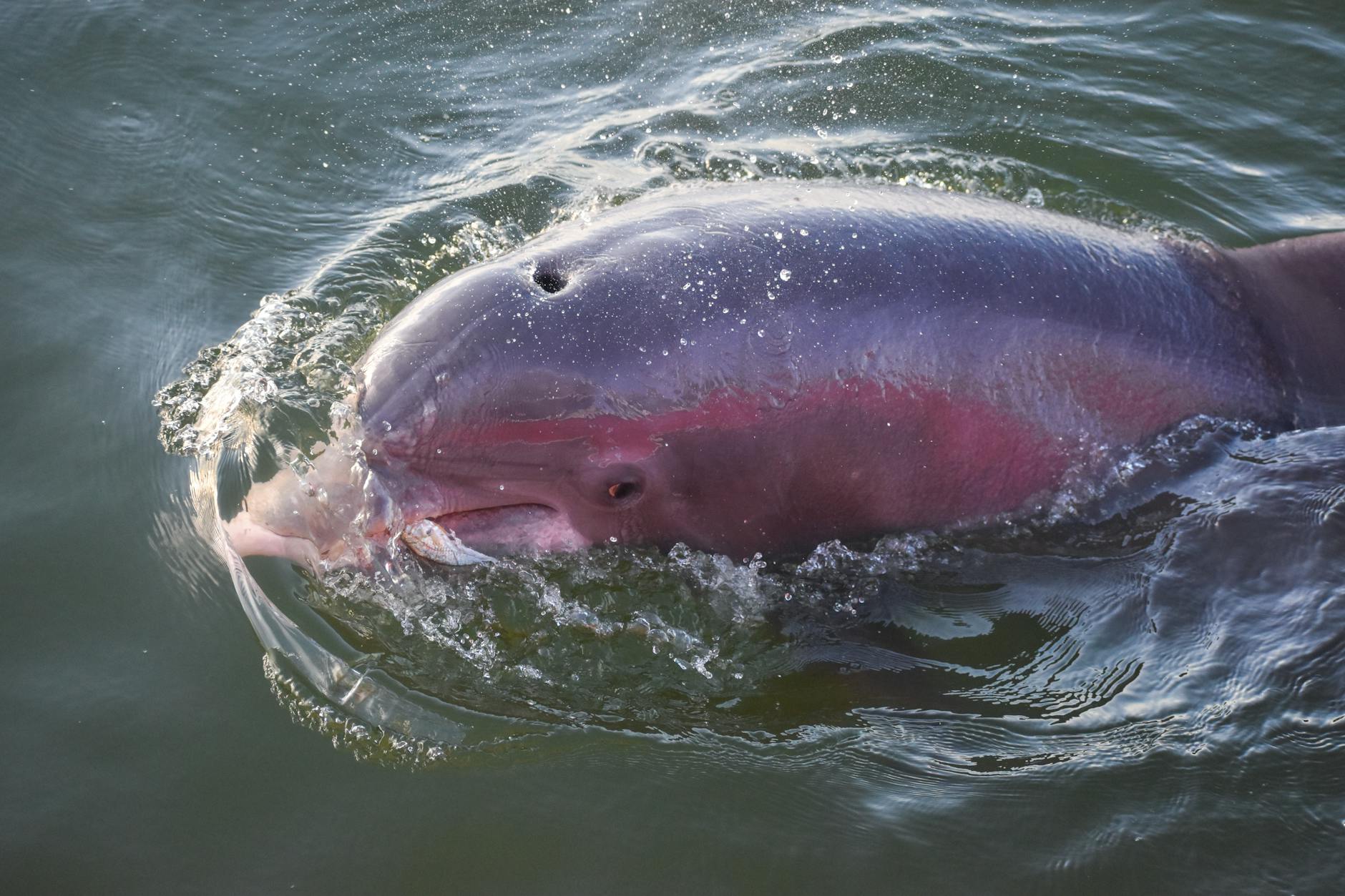
Photo: Jacob Willoughby · Pexels
Legends and Folklore
Under moonlit skies, Amazonian communities gather to share tales of rivers coming alive with mystery. One legend tells of the boto, a dolphin that transforms into a strikingly handsome man in white, emerging to capture hearts before vanishing with the dawn. For the people of the Amazon, these dolphins are more than animals:they are spiritual bridge creatures, rooted in myth and reverence.
These stories reflect a profound sense of connection to the river and its inhabitants. Pink river dolphins are seen as protectors, safeguarding the waterways and bringing their elusiveness to the realm of the divine. Their reverence underscores the bond between culture and ecology, a richness as intertwined as the roots of the forest itself.
Symbols of Harmony and Nature’s Balance
Beyond myth, the pink river dolphin holds a real and symbolic role in Amazonian life. Riverside communities view them as indicators of a healthy ecosystem:a visual assurance that nature thrives alongside human life.
The dolphins feature prominently in art, music, and ceremonies that celebrate harmony with the environment. Witnessing them breach the surface imparts hope and respect for the rivers that sustain so many forms of life. Their decline would not just be ecological:it would resonate culturally. For more on this bond, delve into Indigenous People and the Amazon.
Mounting Threats to a Vulnerable Species
Deforestation is reshaping the Amazon, carving away at the forest that sustains black water rivers. The loss of tannin-producing trees disrupts the delicate chemistry of these waters, directly threatening the pink river dolphin’s habitat. For the dolphins, this means isolation and diminishing resources. As human activity alters waterways, these adaptable animals face increasing struggles. Learn more about these impacts: The Impact of Deforestation on the Amazon Rainforest.
Pollution serves as another looming challenge. Mercury from illegal gold mining contaminates rivers, while unsustainable fishing practices harm dolphins directly and indirectly. Some are entangled in nets or hunted, while fish stock depletion affects their survival. These pressures show the damaging intersections of human livelihoods and ecological balance.
The pink river dolphin’s survival hinges on the health of its black water habitat. These distinctive rivers, shaped by forest tannins and intricate ecologies, are being reshaped by deforestation, pollution, and climate change. As the Amazon faces mounting pressure, so too do the creatures that depend on its delicate balance.
Yet, the interconnected nature of these ecosystems means that actions taken now will ripple outward. Protecting black waters isn’t just about these dolphins:it’s about sustaining a world where biodiversity and human culture remain deeply intertwined. Ensuring a future for the pink river dolphin reaffirms the promise of harmony between humanity and nature.