When most people picture the Amazon, they picture Brazil. That makes sense. Brazil holds roughly 60 percent of the entire Amazon basin, and its portion has dominated headlines for decades. But travel west across the border into Peru and you enter a section of the rainforest that is quieter in the global imagination but every bit as vital to the planet’s future. Peru holds the second-largest portion of the Amazon after Brazil, and the forest covers roughly 60 percent of Peru’s own national territory. This is not a distant green fringe. It is the defining geography of the country.
The Peruvian Amazon is not one monolithic forest. It spans three distinct regions – Loreto, Ucayali, and Madre de Dios – each with its own character, its own communities, and its own conservation story. Together they form a corridor of rainforest that feeds the Amazon River, houses extraordinary biodiversity, and sits at the center of one of the most urgent protection challenges on Earth. Understanding why this region matters means understanding what lives there, what threatens it, and what is already being done to keep it standing.
The Scale and Significance of Peru’s Amazon
The numbers tell a story worth paying attention to. According to the Wikipedia entry on the Peruvian Amazon, Peru’s Amazon rainforest spans approximately 782,880 square kilometers, making it the second-largest national portion of the Amazon basin. This forest covers nearly 60 percent of Peru’s land area but contains only about 5 percent of the country’s human population. The imbalance is striking: most Peruvians live along the arid coastal strip or in the Andean highlands, while the vast eastern half of the country remains a rainforest frontier.
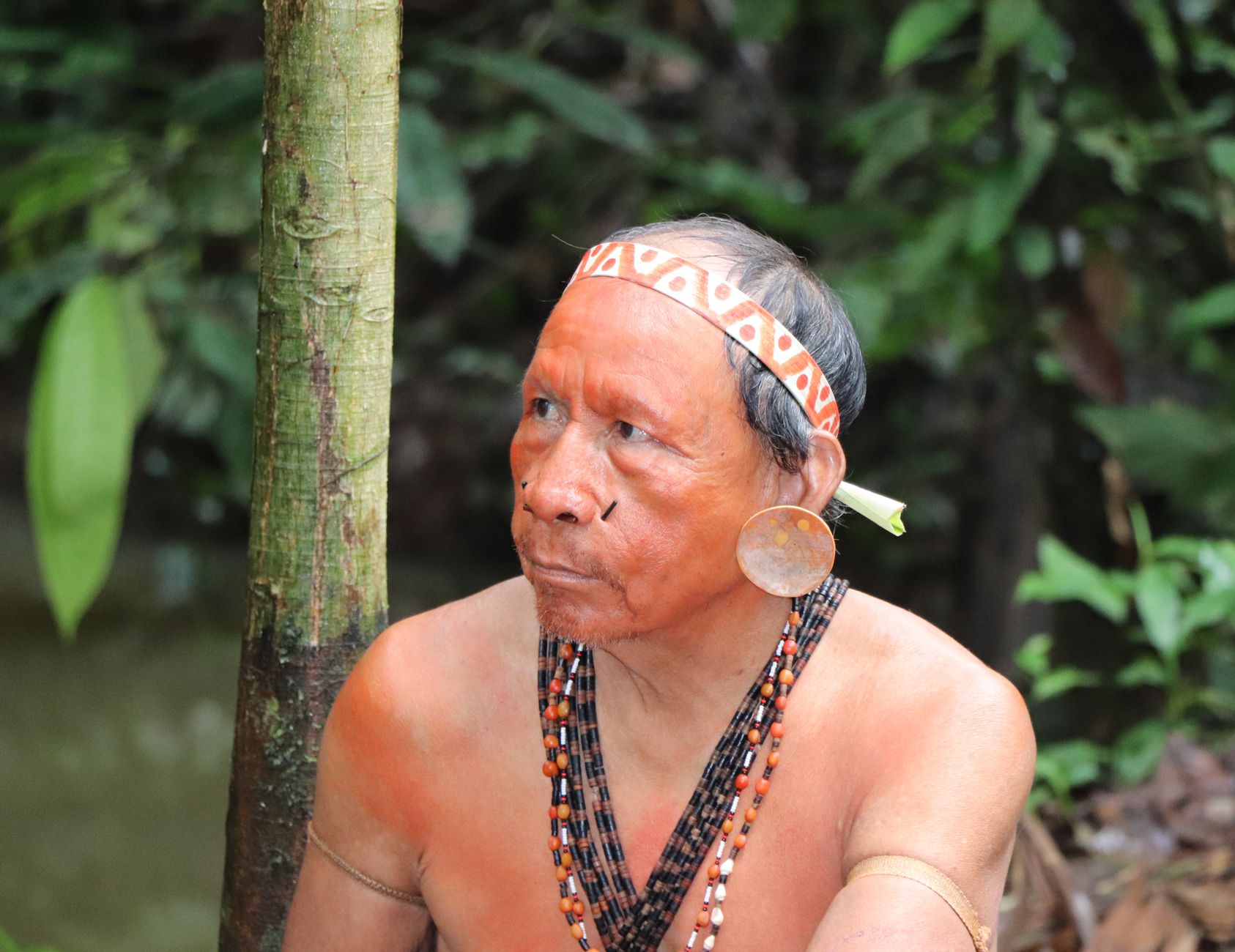
This low population density does not mean the forest is empty. It is home to dozens of Indigenous groups, riverine communities, and a network of towns and cities – Iquitos, Pucallpa, Puerto Maldonado – that serve as gateways into the jungle. The three key Amazonian departments of Loreto, Ucayali, and Madre de Dios together cover an area larger than France. Loreto alone is Peru’s largest region and is so remote that its capital, Iquitos, is the largest city in the world unreachable by road. Everything that arrives there comes by river or by air.
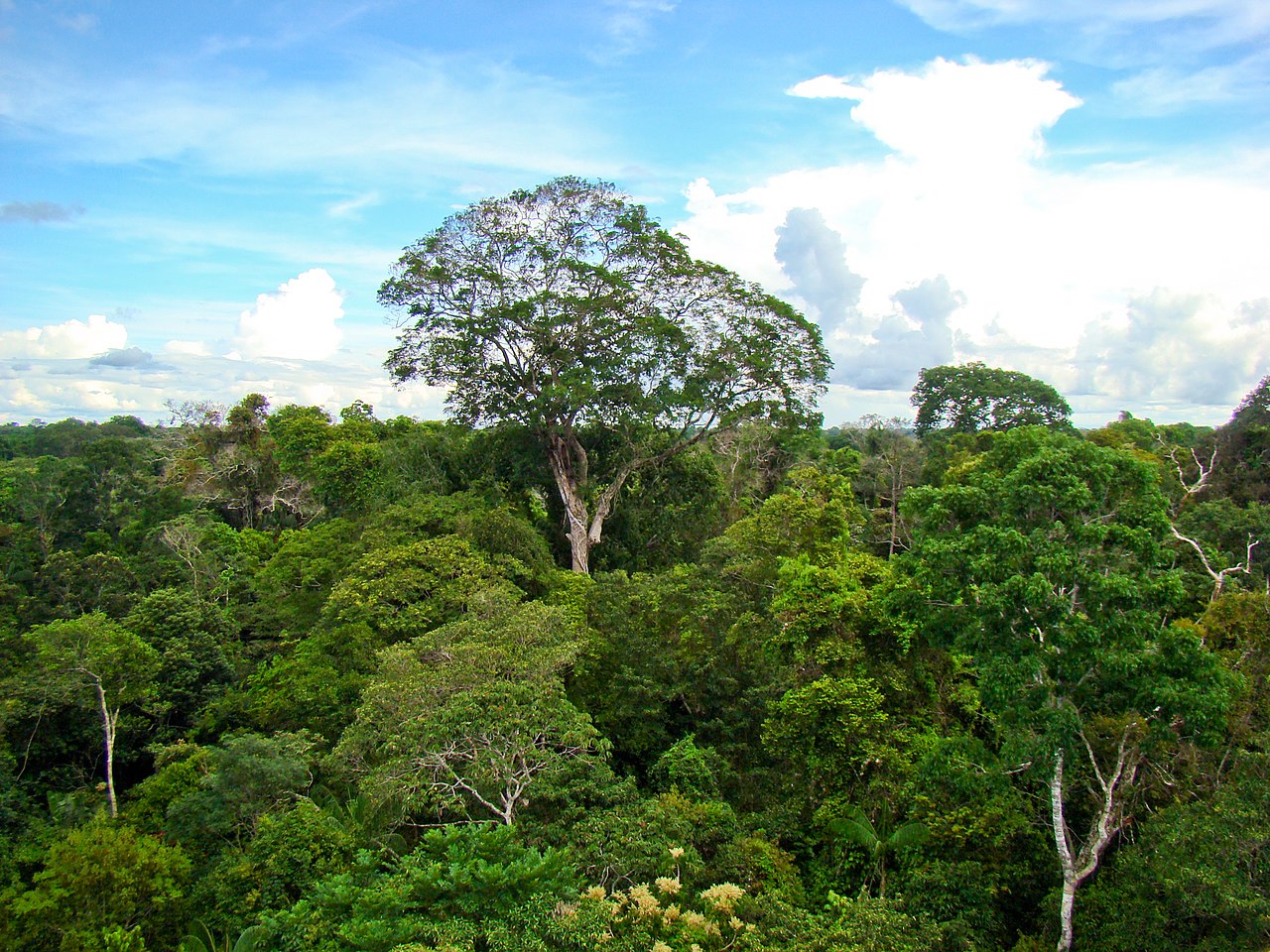
This geographic isolation has been a quiet form of protection. The forest here is not as fragmented as in parts of the Brazilian Amazon, where the “arc of deforestation” has carved deep into formerly intact habitat. Peru still has large, connected blocks of primary rainforest, particularly in the remote interior of Loreto and the protected areas of Madre de Dios. That continuity matters because large, unfragmented forest is better at storing carbon, regulating rainfall, and supporting species that need big territories. It is easier to protect a forest that is still whole than to rebuild one that has already been broken into pieces.
A Biodiversity Powerhouse
The Peruvian Amazon is not simply a large forest. It is one of the most biodiverse places on the planet, and the numbers back that up. Peru as a whole ranks among the top ten most biodiverse countries in the world, and the vast majority of that richness is concentrated in its Amazonian regions. The Manu Biosphere Reserve in Madre de Dios alone has recorded more than 1,000 bird species, over 200 mammal species, and an estimated 15,000 plant species within its boundaries. To put that in perspective: a single reserve in Peru holds roughly 10 percent of the world’s bird species.
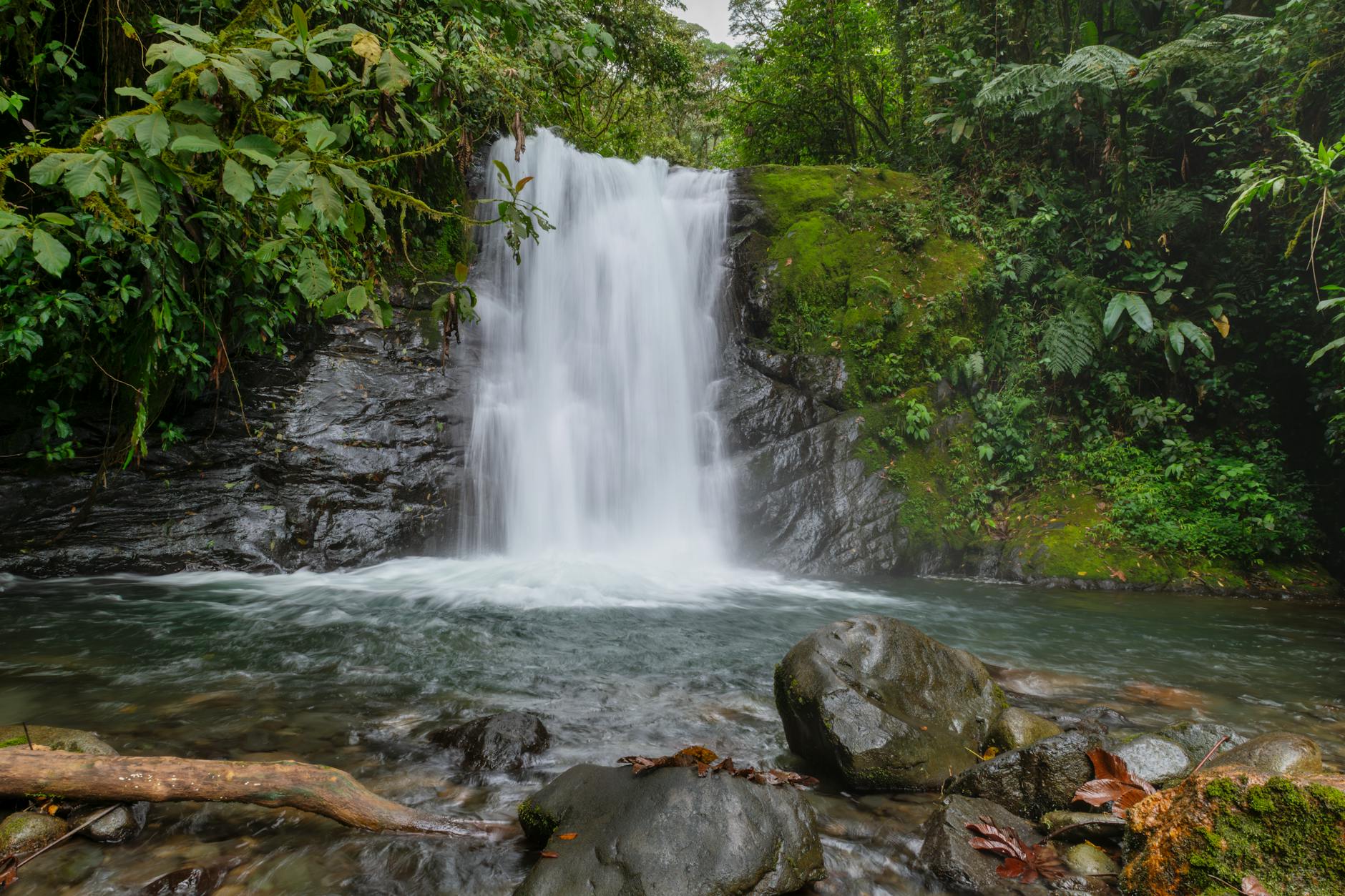
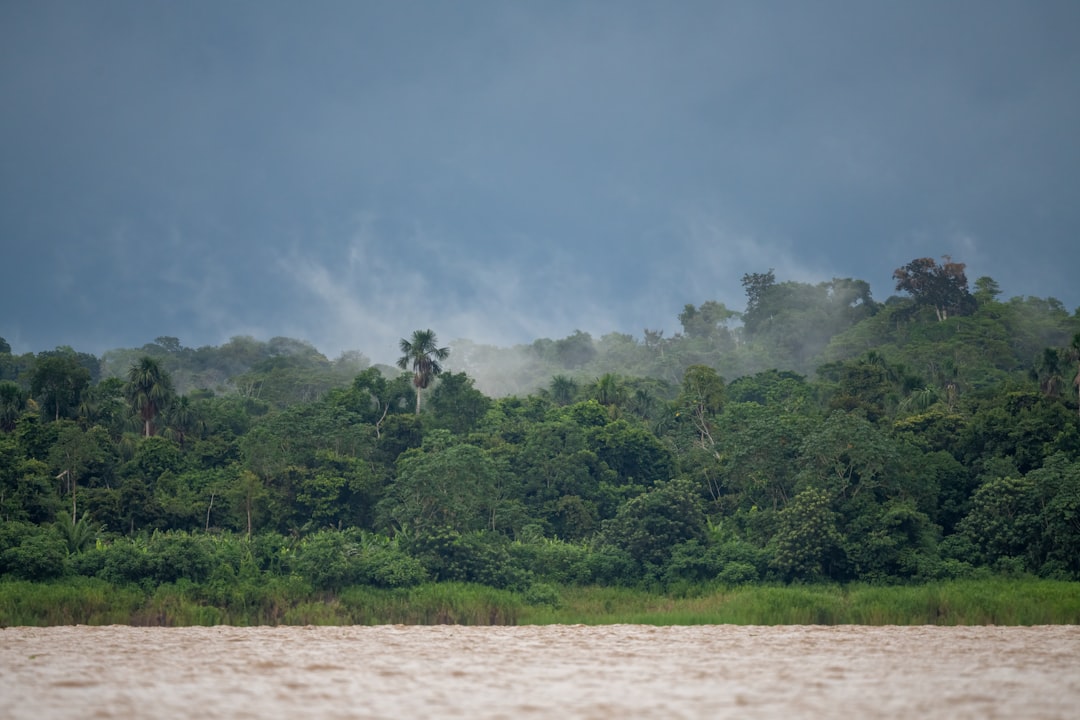
What makes this region especially rich is its variety of habitats. The Peruvian Amazon ranges from lowland floodplain forests that are seasonally inundated by the Amazon’s tributaries, to terra firme forests on higher ground that never flood, to the cloud forests that climb the eastern slopes of the Andes. Each of these zones supports a different community of life. The lowland rivers hold pink river dolphins, giant otters, black caimans, and some of the most diverse freshwater fish assemblages on Earth. The forests are home to jaguars, tapirs, harpy eagles, and at least thirteen species of primate. The transition zone where the Andes meet the lowlands is especially fertile ground for endemic species – creatures that exist nowhere else.
Botanically, the richness is almost incomprehensible. A single hectare of rainforest in Loreto can contain more tree species than the entire United Kingdom. Many of these plants have never been catalogued by science, and some are known only to the Indigenous communities who have used them for food, medicine, and materials for centuries. The forest here is not a backdrop. It is a living library, and most of its volumes have never been read.
Threats on the Ground
For all its scale, the Peruvian Amazon is not secure. The pressures are real, well-documented, and accelerating in certain corridors. The most visible threat in recent decades has been illegal and informal gold mining, particularly in the Madre de Dios region. High gold prices turned remote rivers into mining camps, and the resulting deforestation and mercury pollution have been severe. We have covered the scale of this crisis in detail in our article on Madre de Dios mining and its conservation impact, but the short version is this: mining has consumed tens of thousands of hectares of primary forest, poisoned waterways with mercury, and created a public health emergency for downstream communities. The Peruvian government has launched enforcement operations, and some areas are recovering, but the problem is far from solved.
Oil extraction is another long-standing pressure. The northern Peruvian Amazon, particularly in Loreto, sits atop significant oil reserves. Exploration and extraction have opened forest to roads, pipelines, and settlement, and oil spills have contaminated rivers and soils. The legacy of poorly managed extraction stretches back decades, and communities in affected areas continue to push for cleanup, compensation, and a voice in decisions about their land.
Logging and agricultural expansion add further strain. Road construction, both legal and illegal, is one of the most reliable predictors of future deforestation. Once a road penetrates a forest block, it brings settlers, loggers, and speculators. The proposed expansion of the Interoceanic Highway and other infrastructure projects could open currently remote areas to the same pressures that have reshaped parts of the Brazilian Amazon. The challenge is not that any one of these threats is unstoppable. It is that they often reinforce each other. A road enables mining. A mine attracts settlers. Settlers clear for agriculture. The forest recedes step by step.
Protection That Works
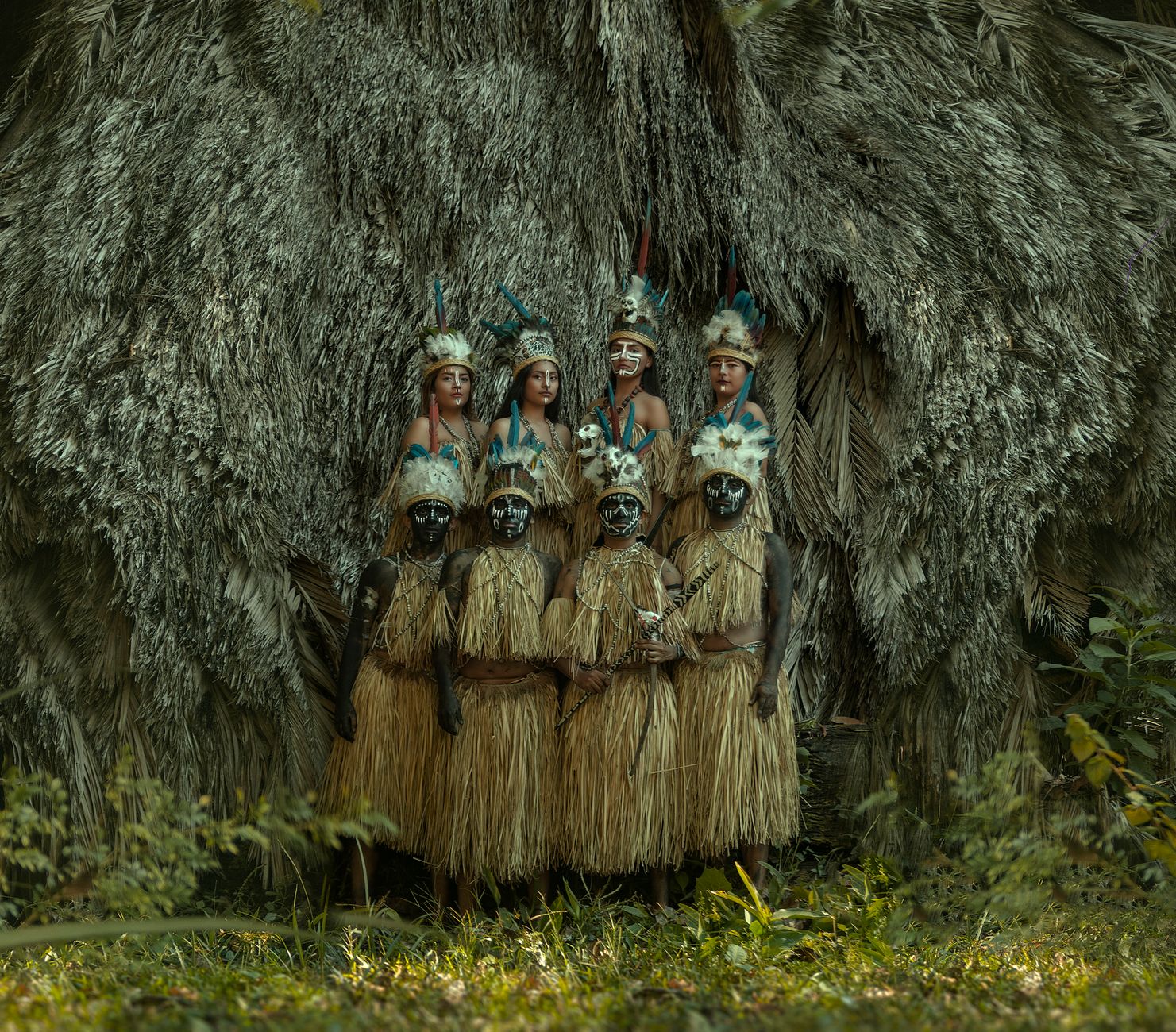
The picture is not all grim. Peru has a strong legal framework for protected areas, and the country has designated dozens of national parks, reserves, and communal reserves across its Amazonian territory. Places like Manu National Park and the Pacaya-Samiria National Reserve are globally recognized conservation successes. Indigenous territories, which cover a significant portion of the Peruvian Amazon, have been shown to be among the most effective barriers to deforestation. When communities have secure land rights and the resources to manage their forests, the forests tend to stay standing.
Our article on why the Yanomami are the Amazon’s most effective forest guardians explores this dynamic in depth: the data consistently show that Indigenous-managed lands have lower deforestation rates than surrounding areas.
This is where Fund The Planet’s work fits in. The organization focuses its direct protection efforts in the Ucayali region, a strategic area of the central Peruvian Amazon that sits between the more remote forests of Loreto and the more threatened landscapes of Madre de Dios. Ucayali is biodiverse, ecologically connected, and under growing pressure from roads, agriculture, and informal land use. Protecting forest here means holding a critical link in the Amazonian corridor.
Fund The Planet’s approach is straightforward: purchase rainforest land and secure it for permanent conservation. The land is legally protected, monitored, and managed with the involvement of local partners. This is not a carbon-offset scheme or a distant promise. It is a direct, land-based conservation model that puts forest into protected hands while it is still intact. Members of Fund The Planet contribute to this work through membership fees, and the result is a growing network of protected hectares in one of the most important rainforest regions on Earth. The full story of this work, including the communities and biodiversity involved, is detailed in our Ucayali Rainforest Reserve profile.
The Peruvian Amazon is not a lost cause. It is a living forest that still functions, still breathes, still shelters species that science has barely begun to understand. The threats are real, but so are the tools to counter them: legal protection, secure land tenure, community management, enforcement, monitoring, and the kind of direct conservation that puts real hectares into permanent safekeeping. Every hectare protected in Ucayali, every enforcement action in Madre de Dios, every Indigenous territory secured in Loreto adds to a mosaic of protection that, piece by piece, keeps the Peruvian Amazon standing.
If the Amazon is the planet’s green lung, Peru holds one of its most vital chambers. Protecting it is not just a Peruvian responsibility. It is a global one, and it is work that is already underway.