Why Scarlet Macaws Gather at Peru’s Clay Licks Every Morning
Scarlet macaws visit Peru’s clay licks for minerals, social cues, and survival. Learn how Tambopata’s riverbanks reveal rainforest ecology in action.


Scarlet macaws visit Peru’s clay licks for minerals, social cues, and survival. Learn how Tambopata’s riverbanks reveal rainforest ecology in action.
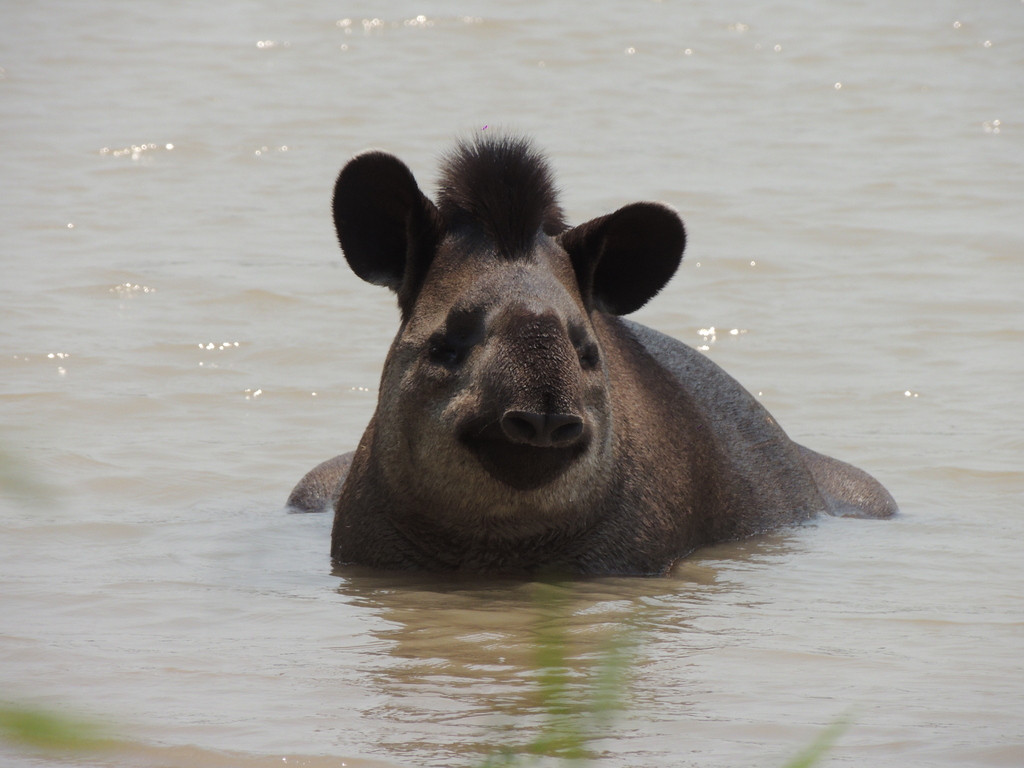
Lowland tapirs move seeds through Amazon forests, helping regeneration after disturbance. Learn why this Vulnerable mammal matters for rainforest recovery.
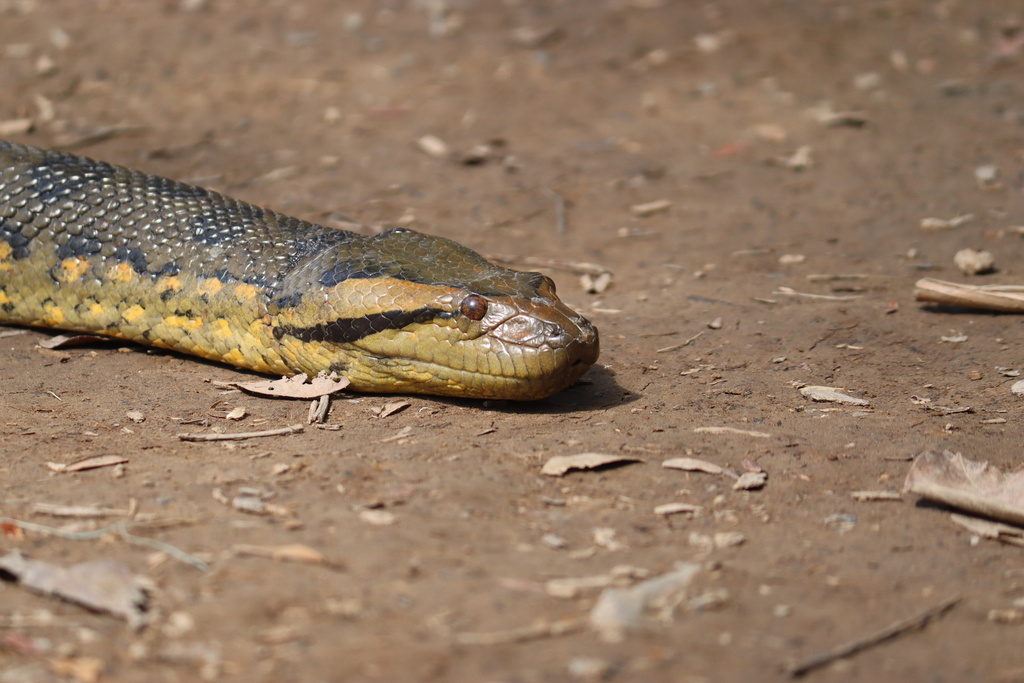
Discover the green anaconda, the world’s heaviest snake: its Amazon habitat, hunting, breeding ball behavior, size, diet, and the conservation threats it

Discover the Andean Cock-of-the-rock, Peru’s national bird: its brilliant orange plumage, lekking displays, cloud forest habitat, and why its protection matters.

Discover the Amazon parrot genus: 30 species of intelligent, green-plumed birds of the tropical Americas, their habitat, threats, and why forest protection

In the dense heart of the Peruvian Amazon, sunlight trickles down and an ancient giant rises to meet it. The kapok tree,

The hoatzin bird, a creature so unique it defies easy comparison: equal parts prehistoric oddity and specialized marvel of evolution. Known locally
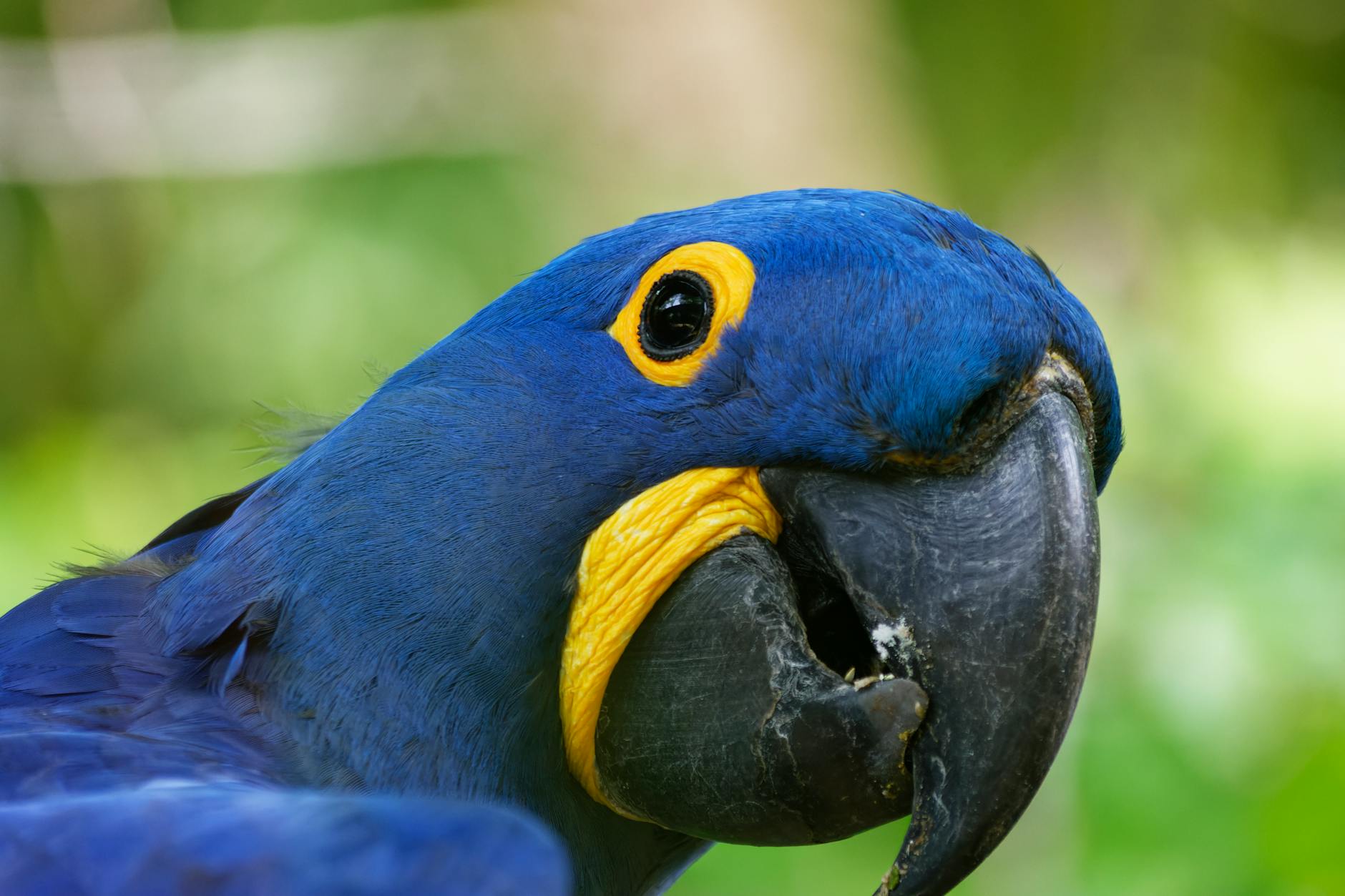
Picture a flash of brilliant blue slicing through the lush emerald canopy of the Amazon rainforest. It’s not just the vibrant color

In the still, shadowy waters of Amazonian rivers,the mata mata turtle lies in wait, perfectly still. Its jagged shell could be mistaken

Where sunlight falters lives one of nature’s most striking creatures: the pink river dolphin. Its delicate, blush-tinted form moves with grace, navigating
 EN EN
EN EN  DE
DE