
A new Bangka slow loris study has brought a critically endangered Indonesian primate back into scientific view, using a decade of rescue records rather than a sudden discovery in the wild. The study documents more than 90 Bangka slow lorises rescued on Bangka Island between 2015 and 2025, evidence that the species survives despite decades of limited scientific attention.
Reuters coverage on 20 October 2026 did not mark the first time people on Bangka had seen the animal. Local residents and the Alobi Wildlife Rescue Center had encountered it for years. Alobi researchers and co-authors affiliated with Haus des Meeres Aqua Terra Zoo in Vienna and Taman Safari Prigen Conservation Breeding Ark analysed the records and published them in Spixiana.
The Bangka slow loris, Nycticebus bancanus, is listed as Critically Endangered (Possibly Extinct) on the IUCN Red List. It is a small, nocturnal and venomous primate, but the headline is not simply that a rare animal has survived. It is also a story about what sustained local rescue work can reveal when records from the ground are brought into the scientific record.
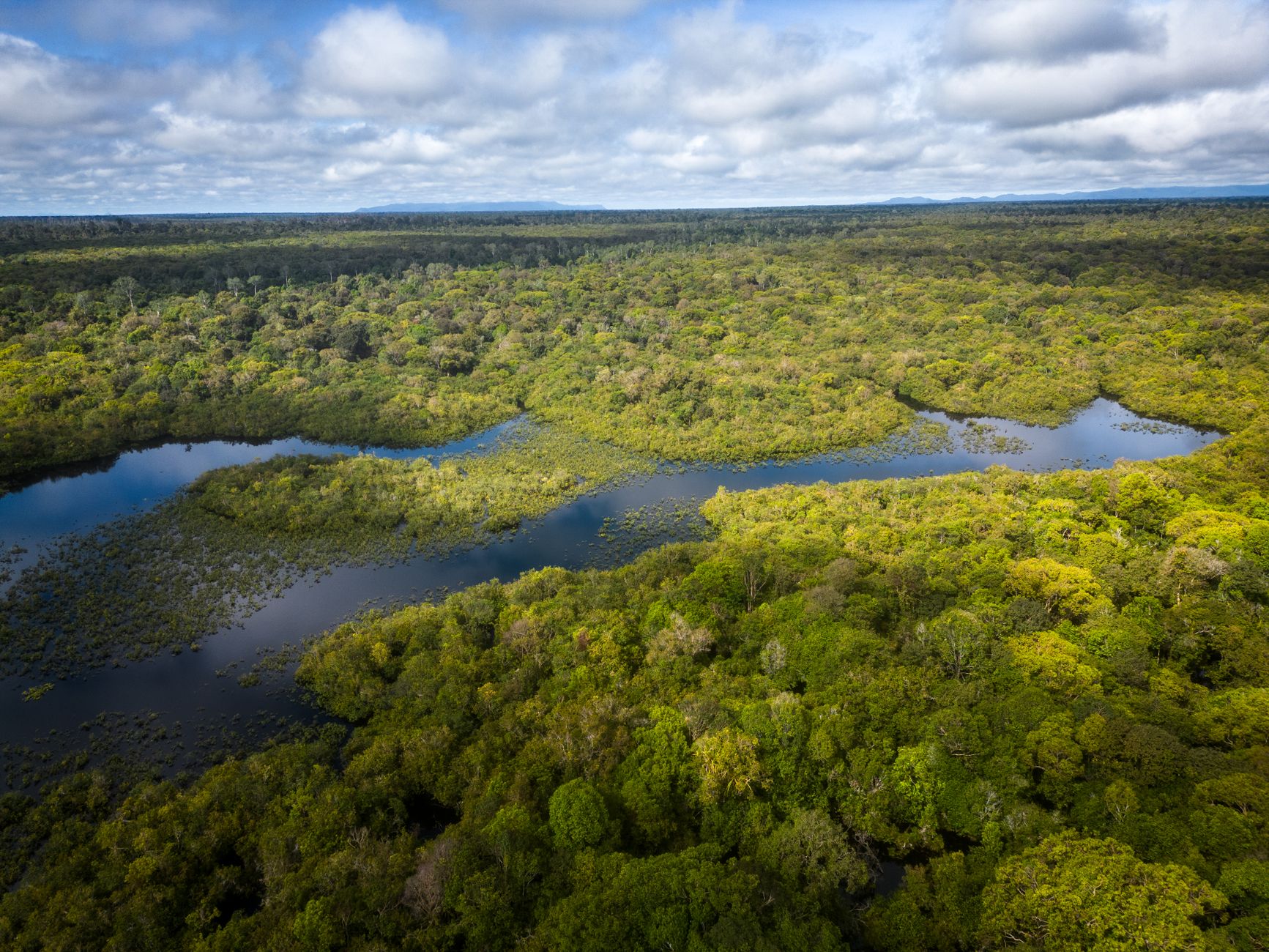
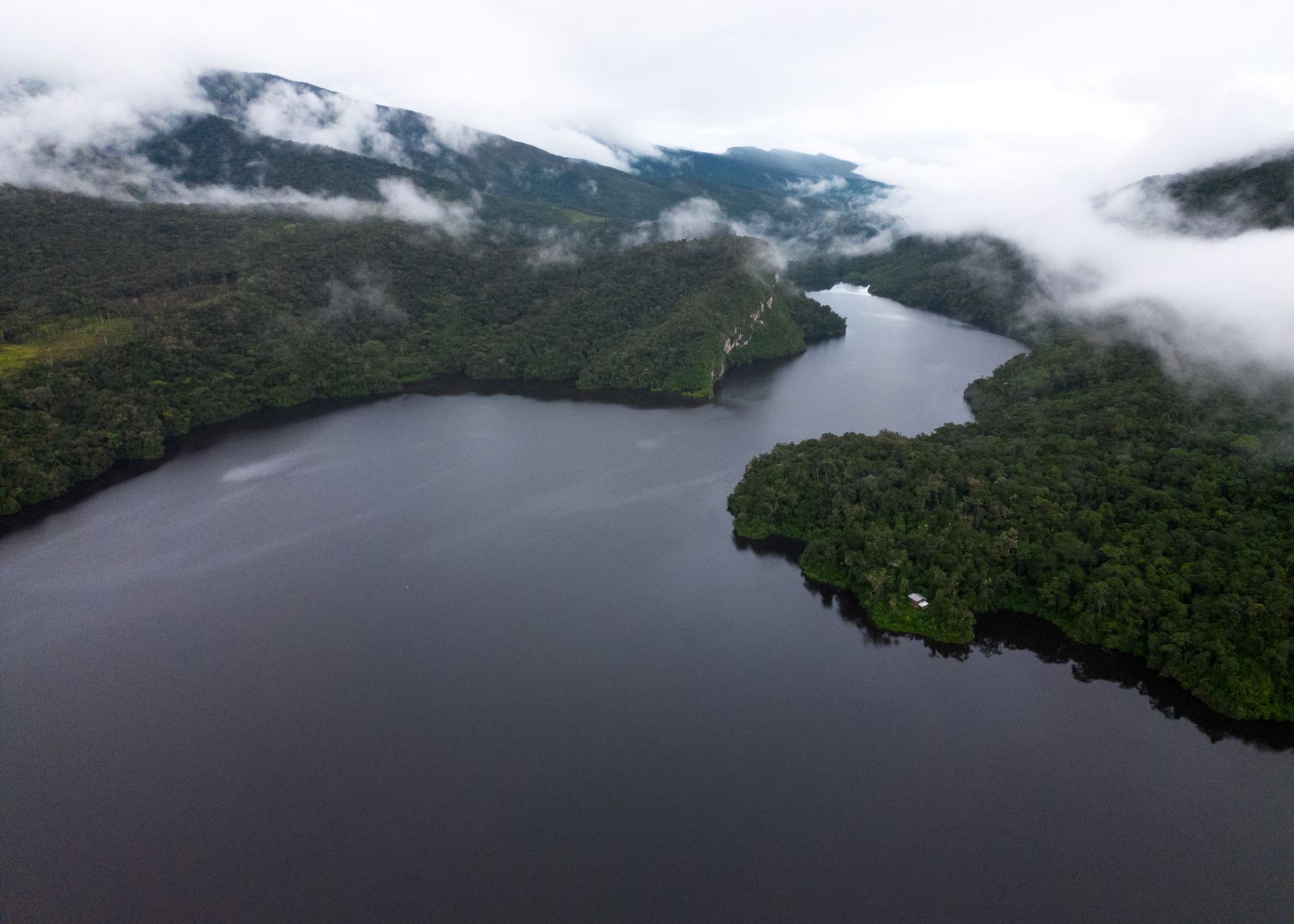
The findings offer reason for careful attention, not a declaration that the species is safe. Much of Bangka’s natural habitat has been altered by tin mining, oil palm plantations and settlements. The research makes clear that the next task is to learn where viable populations remain and protect the forest fragments they still use.
Rescue records supplied the evidence scientists were missing
The paper, “Neglected but still alive”, draws on data collected by the Alobi Wildlife Rescue Center. Between 2015 and August 2025, Alobi rescued more than 90 Bangka slow lorises after people or authorities contacted the centre. Eighty-six animals were later released on Bangka Island after recovery.
For 43 animals rescued from 2021 onwards, the researchers had detailed information about circumstances and, for most, locations. The records show why rescue data are so valuable but also why they cannot replace a full population survey. Many animals were found in houses, gardens, roadsides or other places where people were likely to notice them, so the records are shaped by where the rescue centre operates and where reports are made.
Even with that limitation, the spread of rescue locations is meaningful. Animals were recorded from all four regencies of Bangka Island and from the city of Pangkal Pinang. The researchers say this suggests the species may still occur across much of the island, while cautioning that a rescue location is not always the same as the place where an animal was originally captured.
The published evidence corrects a gap in scientific attention, not a gap in local knowledge. As Re:wild’s account of the announcement notes, the species had never disappeared from the lives of people on Bangka. The study gives those encounters a form that can guide future surveys, protection plans and decisions about how to help the species recover.
A primate can be familiar locally and absent from science
The Bangka slow loris was first scientifically described in 1906 and was recognised as a distinct species in 2013. The paper discusses historical specimens that may have been collected in the early 1930s, while the IUCN assessment gave 1937 as the year it was last seen. The authors explain that the exact date of the last historical record remains uncertain, which is one reason it is better not to turn that date into a simple disappearance story.
“Lost” in this context describes a loss from the scientific record, not proof that an animal vanished from an island or from local memory. That distinction is central to this news. Alobi’s rescue records document encounters over a decade before the new paper assembled them into a published dataset.
The species is distinctive. Like other slow lorises, it can combine a secretion from glands on the inside of its upper arm with saliva and deliver it through a bite. Its large eyes support nocturnal life, and its specialised lower teeth form a toothcomb used in grooming. These features make it memorable, but they do not tell researchers how many lorises remain or whether their populations are connected.
Scientific attention can change what conservation teams are able to do next. A published record can help focus surveys, bring together expertise and make unresolved questions visible. In this case, the paper calls for population surveys and genetic work, including work to clarify the species’ taxonomy and distribution beyond Bangka.
What the rescue data reveal about pressure on Bangka’s wildlife
The records give a close view of how often the lorises come into contact with human activity. Of the 43 animals with detailed rescue circumstances, 16 were found after entering houses or gardens. Others were recovered from roads, plantations or captivity, while seven had injuries consistent with electrical shock. Several rescued animals died despite treatment.
Those numbers should not be read as a complete ranking of threats across the whole population. The authors explicitly note that opportunistic rescue reports are biased towards settlements, roads and other places where animals are encountered. Still, the pattern shows that surviving lorises are moving through a fragmented landscape where power lines, roads and human activity can become immediate dangers.
The wider habitat picture is equally serious. The paper describes a landscape of forest fragments, plantations, mining areas and settlements, and reports that the species’ forest habitat decreased by 62% between 2000 and 2012. Remaining natural forest is not interchangeable with any tree cover. For a threatened nocturnal primate, the quality, location and connection of habitat all affect whether it can feed, move and avoid danger.
This is why rainforest protection needs to account for species as well as hectares. A useful introduction to rainforest biodiversity hotspots shows how exceptional concentrations of life can depend on particular habitats. On Bangka, the study points to a practical need: protect suitable forest, understand where lorises still live and reduce the risks that push them into dangerous contact with people and infrastructure. As the discussion of conservation versus reforestation makes clear, protecting existing forest and rebuilding lost tree cover are related but different tasks.
Habitat protection and monitoring come next
Alobi selected seven release sites for recovered lorises, concentrating on larger forest fragments that appeared to offer suitable habitat and some degree of legal or practical protection. The authors recommend habitat protection combined with monitored releases following IUCN Species Survival Commission guidance.
That is important, but release is not the final measure of success. The researchers state that post-release survival data for N. bancanus have not yet been collected. Their discussion notes that other slow loris translocations have faced risks including territorial conflict, predation and infection. Monitoring is therefore part of the work, not an optional extra after a release photograph is taken.
The authors also propose an ex situ breeding initiative for animals unsuitable for release, while stressing the need for molecular work to confirm taxonomic status and guide planning. These are proposals, not finished programmes. Their value lies in showing how the rescue records can become the basis for a fuller conservation strategy rather than remaining isolated cases.
Reuters covered the study on 20 October 2026, bringing wider attention to a primate that had received little scientific attention for decades. That attention matters if it supports the people already doing the detailed work on Bangka, rather than reducing the story to a brief rediscovery headline.
The Bangka slow loris has survived in a pressured landscape, but survival is not the same as recovery. The study provides a stronger map of what researchers and local conservationists need to find out next: where the populations are, how fragmented they are and which forest areas can keep them viable.
Its most useful lesson may be simple. Local rescue records can hold evidence that science has not yet assembled, and listening to the people who work with wildlife every day can change what becomes visible. For a species still classified as Critically Endangered (Possibly Extinct), that visibility should lead to careful surveys, habitat protection and long-term follow-through.

 EN
 DE