
On 25 September 2026, organizers publicly launched the South America Fire Fund, a three-year effort built to prevent, detect and contain destructive fires across parts of the Amazon, Pantanal and Chiquitano dry forest. The fund aims to raise $100 million. Its first test will cover six landscapes in Brazil, Bolivia and Peru, including Iñapari and Tahuamanu in the Peruvian Amazon.
The announcement is substantial, but the numbers need careful reading. The $100 million figure is a fundraising goal, not cash already spent. Organizers say the initiative starts with $35 million in commitments from the Gordon and Betty Moore Foundation and the David and Lucile Packard Foundation. The Associated Press reported the launch independently during New York Climate Week.
What the new fire fund plans to test
The fund is designed around a practical idea: fire prevention, early detection and local response work better when they are planned together. Its program includes incentives for safer land management, support for restoration after fires, satellite and sensor-based detection, better decision tools, and trained community and Indigenous brigades.
The six initial landscapes include Santarém, Paragominas and Cruzeiro do Sul in the Brazilian Amazon; Corumbá in the Pantanal; Roboré in Bolivia’s Chiquitano dry forest; and Iñapari and Tahuamanu in the Peruvian Amazon. That range should give the program a chance to compare different fire conditions rather than assume one solution will work everywhere.
Organizers have also set measurable goals. Their dated launch release says the program will target a 50% reduction in escaped fires and in ignitions during high-risk periods across the selected landscapes. It also proposes a standard 14-person brigade in each target landscape. These are targets for the coming three years, not results that have already been achieved.
Why this is more than a firefighting story
Many damaging Amazon fires begin with a human ignition, often where land is being cleared or managed, then escape into dry vegetation or degraded forest. Drought and heat can make that spread harder to contain. This is why the fund’s prevention work matters as much as its firefighting equipment.
That context also connects the launch to the wider set of threats facing the Amazon rainforest. Roads, clearing, logging and forest degradation can open forests and dry their edges. A response that waits for flames to become large emergencies is already late.
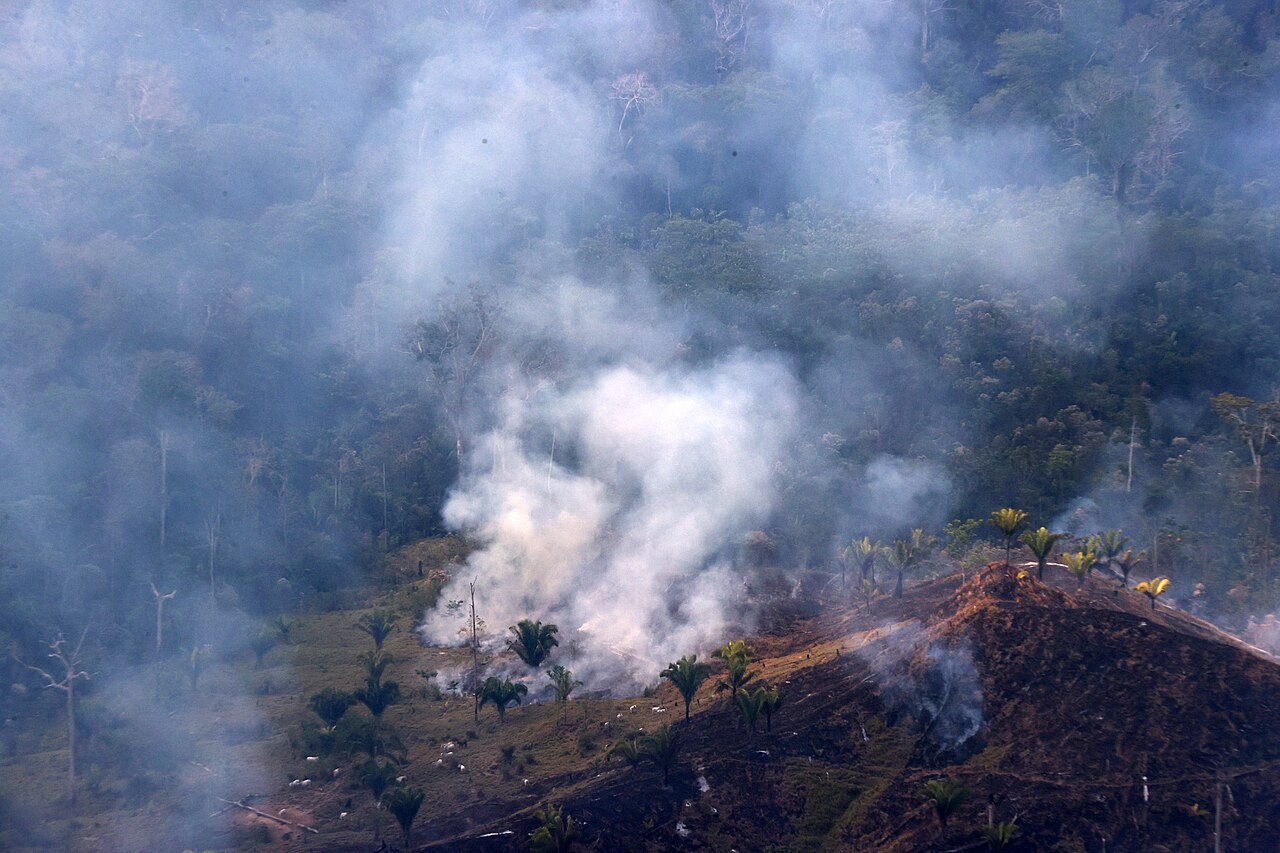
The new fund says it will work on the decisions that precede a fire, including agricultural incentives, burn-window guidance and access to finance. It will also support rapid restoration before invasive grasses establish after a burn. That detail is important because a damaged forest can become easier to burn again.
Technology will only matter if people can use it
Satellites, drones, sensors and cameras can shorten the time between ignition and response. The fund points to a camera network in Brazil’s Pantanal that can detect fires within minutes. It also plans to connect risk models and active-fire information to tools that brigade leaders can use in the field.
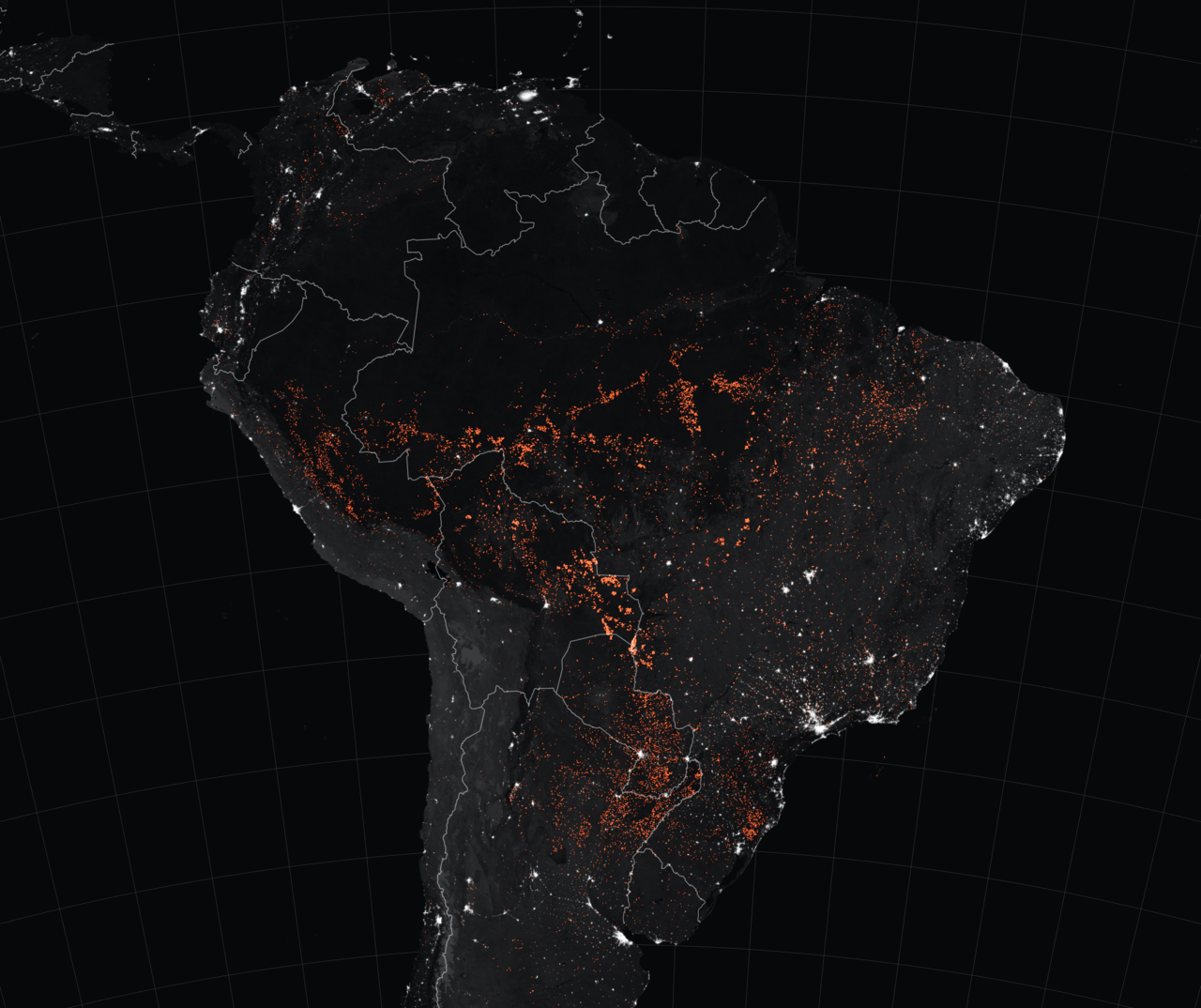
Detection alone does not put out a fire. Alerts need to reach trained teams with transport, communications, protective equipment and authority to act. The program’s emphasis on community and Indigenous brigades recognizes that local responders often hold the most useful knowledge about access routes, water sources and changing conditions on the ground.
The same caution applies to data. The launch materials say the Packard Foundation’s support includes data-sovereignty principles. That should mean communities have a meaningful say in how information about their lands and livelihoods is collected, shared and used. The quality of that practice will be one of the details worth watching.
What success would look like
The fund is different from broader mechanisms intended to pay countries for keeping forests standing. Fund The Planet recently explained how the Tropical Forest Forever Facility still depends on real commitments and safeguards. The South America Fire Fund is narrower: it aims to test coordinated action against destructive fire in specific high-risk landscapes.
Its strongest feature may be that it invites measurement. Over the next three years, readers should look for transparent baselines, independent evaluation, clear reporting on money committed and spent, and evidence that local organizations shape decisions. A reduction in escaped fires would matter. So would faster detection, safer response and fewer repeated burns in the same places.
There are limits. Six landscapes cannot represent every tropical forest, and a regional fund for South America does not solve the serious fire risks facing Africa or Southeast Asia. The program also cannot replace stronger public enforcement or sustained action on the conditions that make forests drier and more flammable.
Still, the launch puts a specific proposition on the table: destructive forest fire is not simply an annual disaster to endure. It can be prevented earlier, detected faster and fought with better local capacity. The next test is whether the announced commitments become durable work in the six landscapes, including the Peruvian Amazon, before the next severe fire season arrives.



 EN
 DE