
Featured image: Agami heron (Agamia agami), a species recorded in the inventory. Illustrative species photograph, not taken at Rio Cautário. Photo: NINA WENÓLI / iNaturalist, CC0 1.0. Source.
A study published on 15 October 2026 in Ornithology Research reports 516 bird species in an inventory centred on Brazil’s Rio Cautário State Extractive Reserve. The open-access research article draws mainly on fieldwork since 2020, alongside documented historical records.
The researchers began field inventories in 2020 and used more than one way of looking and listening. Direct searches, passive acoustic monitoring and camera traps each pick up different parts of a bird community. Together, they produced what the authors describe as the most extensive avifaunal inventory for a site in the Rondônia Center of Endemism.
The birds were documented across forest, floodplain and savanna habitats. Our overview of Amazon rainforest biodiversity explains how this variety of environments supports different forms of life.
What the researchers recorded at Rio Cautário
The peer-reviewed study reports 516 recorded species across 73 bird families. The figure came from an accumulating inventory, not from a short visit or a new designation for the reserve. Most records came from the authors’ surveys, while one listed taxon came only from a documented historical management-plan record. A species list describes what researchers have documented, while the work of identifying every species present can continue for years.
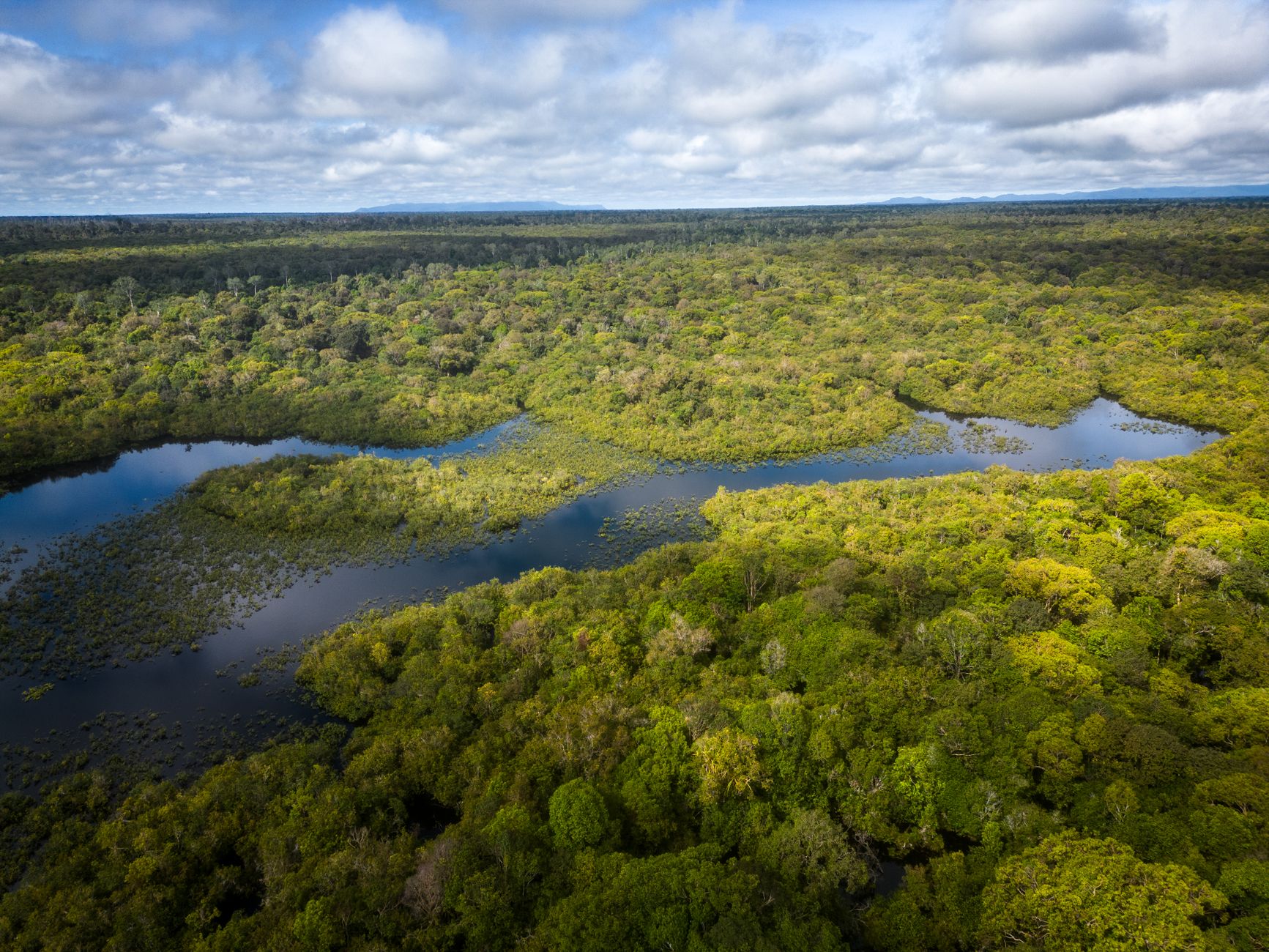
The reserve lies in the southwest of Rondônia, in the Brazilian Amazon. The paper places it in the Rondônia Center of Endemism, also described as the Madeira-Tapajós interfluve, a region important for Amazonian bird endemism. The authors say this part of the Amazon has major knowledge gaps, which makes a systematic local inventory particularly valuable.
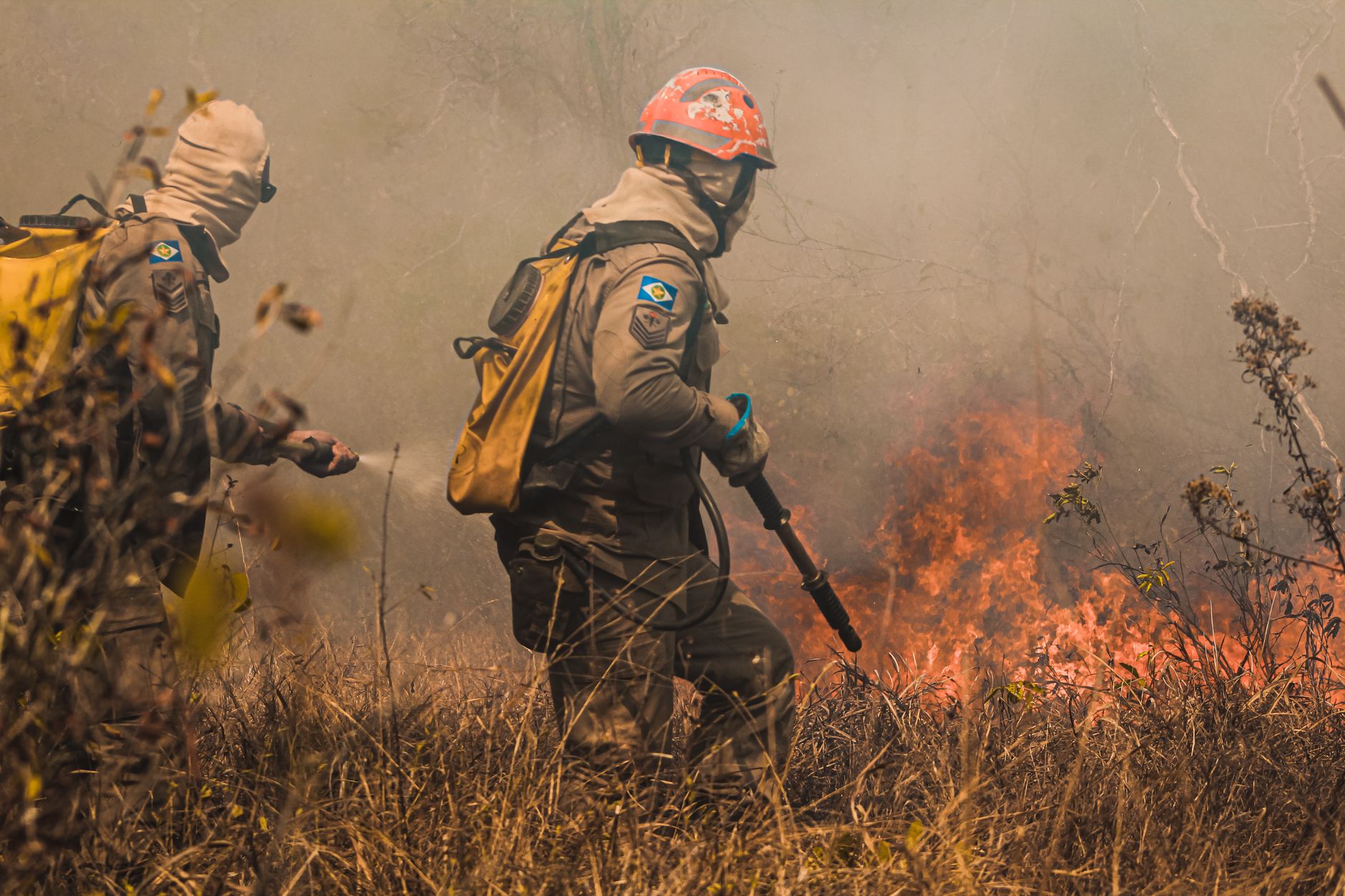
The recorded community includes endemic taxa from that regional center, nine species classified as globally Vulnerable under the 2025 IUCN Red List used by the study, and birds vulnerable to hunting or sensitive to forest loss and fragmentation. Those categories do not mean that every species faces the same pressure or requires the same response. They do show that the reserve’s birdlife includes species for which disturbance, habitat change and continuing monitoring are especially relevant.
Among the birds discussed in the paper are the harpy eagle and the green-winged trumpeter, both named by the authors among species vulnerable to hunting and human disturbance. The harpy eagle is a vivid example of a bird whose life is tied to large forest systems, as our profile of the harpy eagle in the rainforest canopy explores. The study does not claim that one inventory settles the conservation outlook for these species, but it creates a stronger local record from which to begin.
Why one reserve can hold such a varied bird community
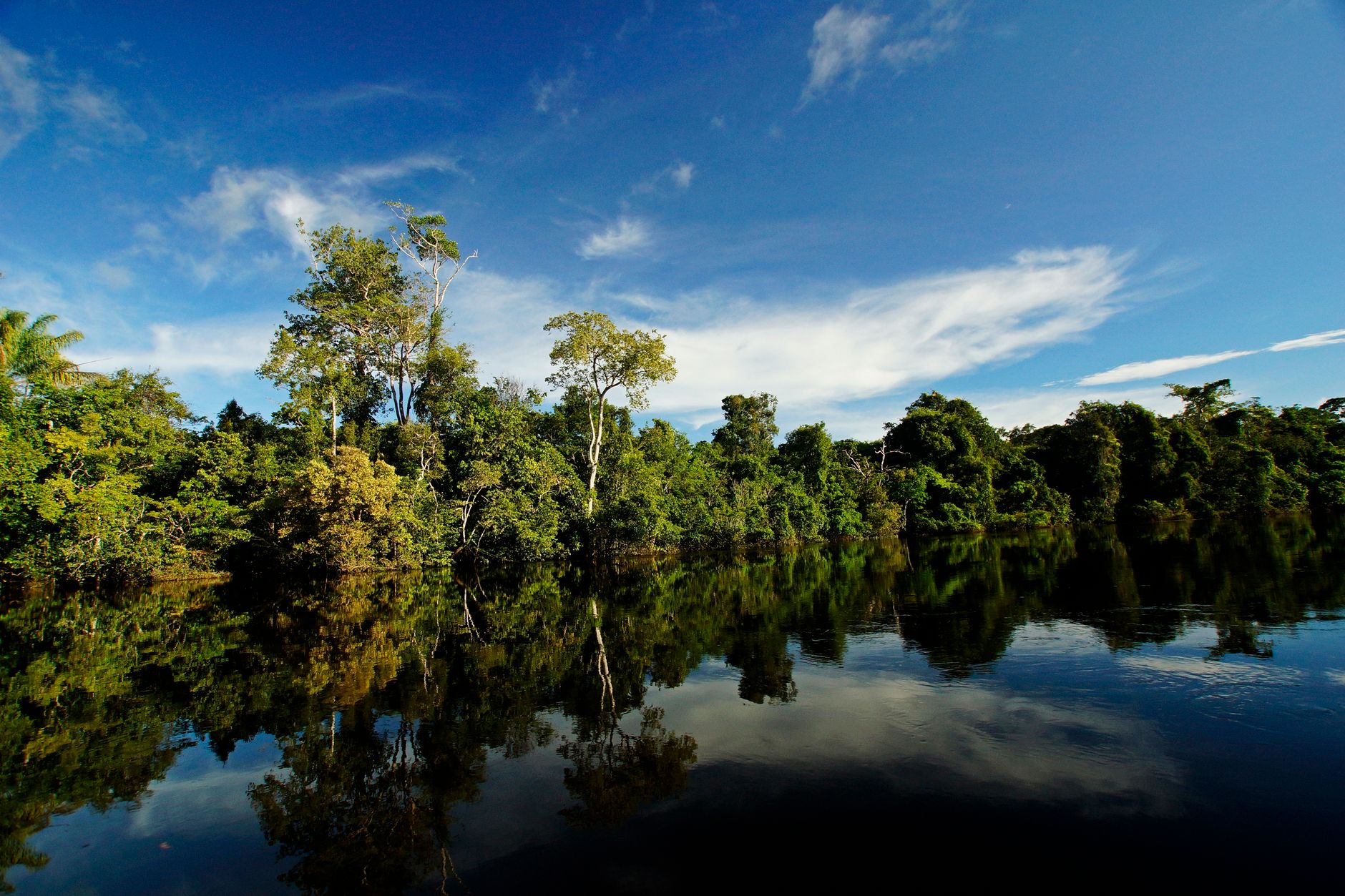
A large species count does not emerge from one uniform stretch of trees. The researchers link the reserve’s high bird richness to ecological integrity and habitat heterogeneity, meaning that its environments differ in vegetation, structure and conditions. Forest types, floodplains, savanna and seasonal river environments can create different places to feed, shelter and breed.
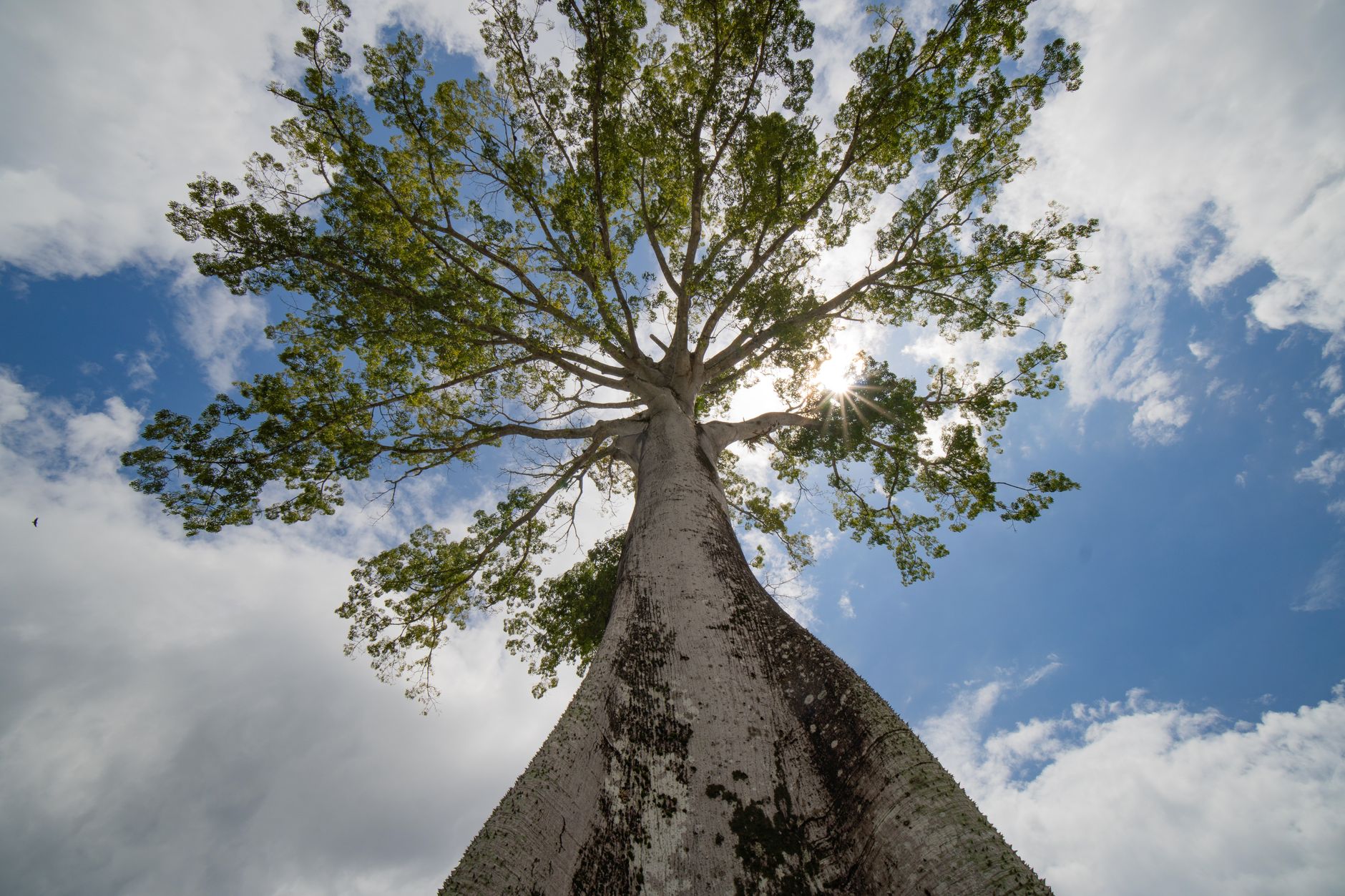
The paper specifically describes terra firme forest, floodplain forest and savanna, as well as temporary environments such as sandbanks along the Cautário and Guaporé rivers. It also notes savanna and campinarana enclaves associated with rock outcrops, shallow soils and waterlogged white-sand patches. Naming this variety matters because “rainforest” can sound like a single habitat when it is better understood as a connected mosaic.
Different habitats can support birds with different ecological needs, rather than adding interchangeable names to a checklist. A riverbank used during the dry season may matter to one group, while a dense forest interior matters to another. A healthy inventory therefore gives conservationists more than a headline number: it shows why protecting a landscape means protecting its variation as well.
That is also why a bird list can be useful beyond birdwatching. Birds often move through the forest in ways that reflect food, vegetation and disturbance, while some species are particularly sensitive to fragmentation. The authors identify several forest-dependent species vulnerable to degradation and fragmentation, making the inventory a baseline for following change rather than a final verdict on the reserve.
How the inventory was built and what it cannot prove
The team combined active searches, passive acoustic monitoring and camera trapping. Some ad hoc observations came from within a five-kilometre buffer outside the reserve, so the total is an inventory of the reserve and its surroundings, not a strictly inside-boundary count. Permian Brasil provided scholarship, financial and logistical support, and two authors are affiliated with Permian Global.
The authors expect further fieldwork to add species. Rare, low-density birds can be missed, and Amazonian inventories may take decades to stabilise.
Long-term monitoring can make the inventory more useful over time. Repeated listening and observation can reveal whether particular species remain present, become harder to detect or appear in new parts of the landscape. The study argues that this information can support local management and regional conservation planning, especially where the Amazon’s ecological communities face continuing human disturbance.
What this record says about protecting Amazon habitats
For people who want to look beyond one reserve, our guide to rainforest biodiversity hotspots provides wider context on why places with exceptional biological richness require thoughtful protection. Rio Cautário adds a recent example: 516 species documented in the reserve and its surroundings through field surveys and historical records.
Four species were detected only through passive acoustic monitoring, showing what the recorders added to the inventory. The researchers recommend continuing to monitor endemic and threatened birds.
The inventory gives future surveys a baseline for tracking changes in the reserve’s bird community. The authors say those records can help guide local management and regional conservation planning. Start protecting rainforest with Fund the Planet.


 EN
 DE