Nature reserve or national park? Which protects wildlife better? The label alone cannot answer the question. A national park may cover a vast landscape but lack staff or enforcement. A private nature reserve may be smaller but sit in a vital corridor with a clear management plan. An Indigenous territory may protect biodiversity through local governance that does not look like either model.
The better comparison is practical: what is the area trying to protect, who governs it, what rules apply, how connected is it, and what happens when those rules are tested?
The names describe different things
National park is an IUCN management category. It generally refers to a large natural or near-natural area that protects large-scale ecological processes while allowing environmentally and culturally compatible activities such as research, education, and recreation. A strict nature reserve has a different emphasis, with access and human impacts tightly controlled to protect its conservation values.
Nature reserve is used more broadly in everyday language and national law. In one country it may refer to a strict area with little public access. In another, it may include active habitat management, seasonal use, or a private conservation property. The same name can therefore hide different rules.
Ownership is a separate question. IUCN recognises governance by governments, private owners, Indigenous peoples and local communities, and shared arrangements. A national park is usually associated with public authority, but the surrounding landscape may contain private land or community-governed territory. A private reserve may be small, yet it can be part of a larger conservation network.
When a national park has an advantage
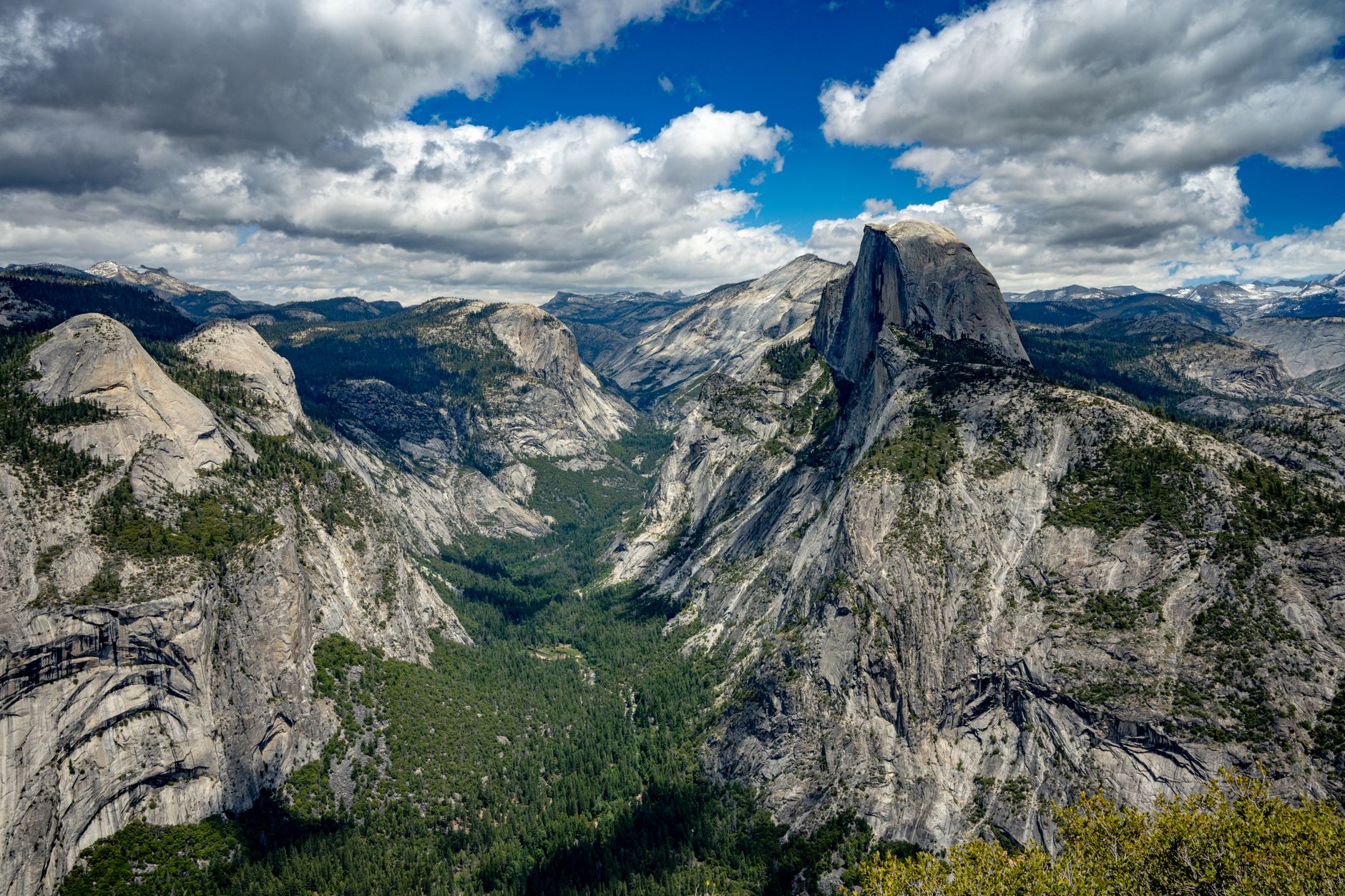
National parks can protect large ecological processes that a small landholding cannot. A broad park may contain watersheds, migration routes, different elevations, and enough habitat for wide-ranging species. Public designation can also place conservation inside national planning, budgeting, and enforcement systems.
National parks can support research, education, and carefully managed tourism. The first US national park, Yellowstone, was established in 1872, and its creation helped establish the modern idea that a large landscape could be protected for public benefit rather than divided for private development.
But public status does not remove practical problems. A park can face illegal logging, mining, fires, roads, staff shortages, political pressure, or conflict over land and access. The name national park cannot substitute for a working institution.
When a private or local reserve has an advantage
Private reserves can move quickly and target gaps. A conservation organisation can acquire a threatened parcel, secure its legal status, and begin monitoring without waiting for a new national designation. A local or Indigenous governance system may also respond to threats with knowledge of the land that an outside agency lacks.
The IUCN’s guidance on privately protected areas describes them as a large and growing part of the protected-area picture. It also stresses clear objectives, sustainable financing, adaptive management, communication, and coordination with other protected areas. A private reserve is strongest when it adds something to a wider system rather than becoming an isolated green island.
Local participation matters in both models. People living near a protected area often understand seasonal access, fire, wildlife movement, and changing threats better than a distant office. Conservation that ignores local rights may create conflict and weaken protection, even when the map looks impressive.
The better question is whether the system works
Protected Planet’s 2024 global report shows why coverage is not enough. It records that only 8.52% of land is both protected and connected according to its indicators, and it calls for more information about governance, management, and conservation outcomes. The measure is global, but the lesson applies to local comparisons too.
A reserve may protect a rare habitat while a national park protects a larger landscape. A national park may provide scale while a private reserve closes a gap in a corridor. The strongest conservation systems use different governance types together.
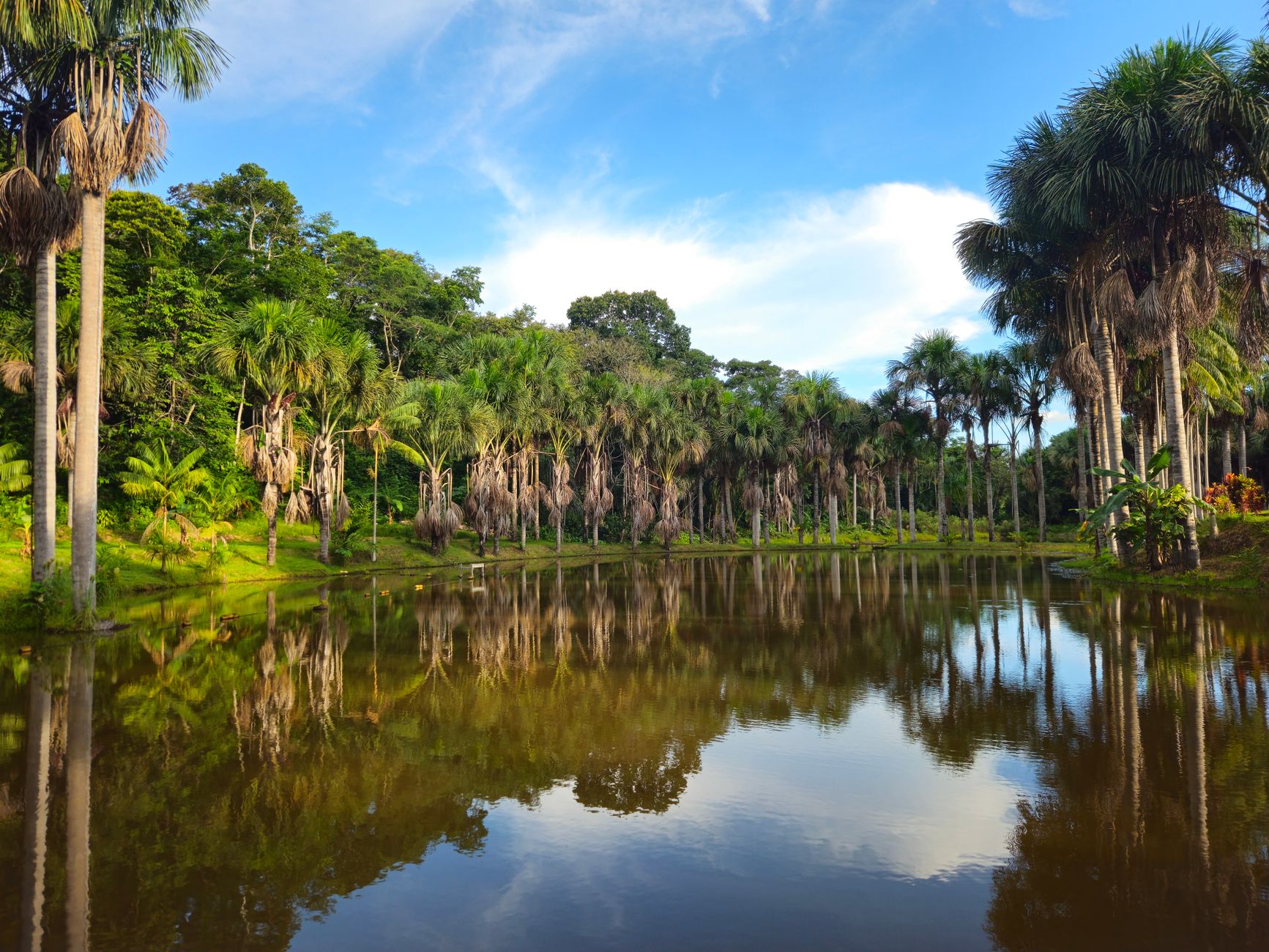
Fund The Planet’s Ucayali rainforest reserve offers a place-based example. Its legal protection explainer addresses the question that every reserve has to answer: what keeps the protection in place after the launch story is over? The article on rainforest conservation versus reforestation adds the older-forest perspective.
Nature reserve versus national park is not a contest with one universal winner. Wildlife does better when the protection tool matches the landscape, the people, the threats, and the money available to manage it.
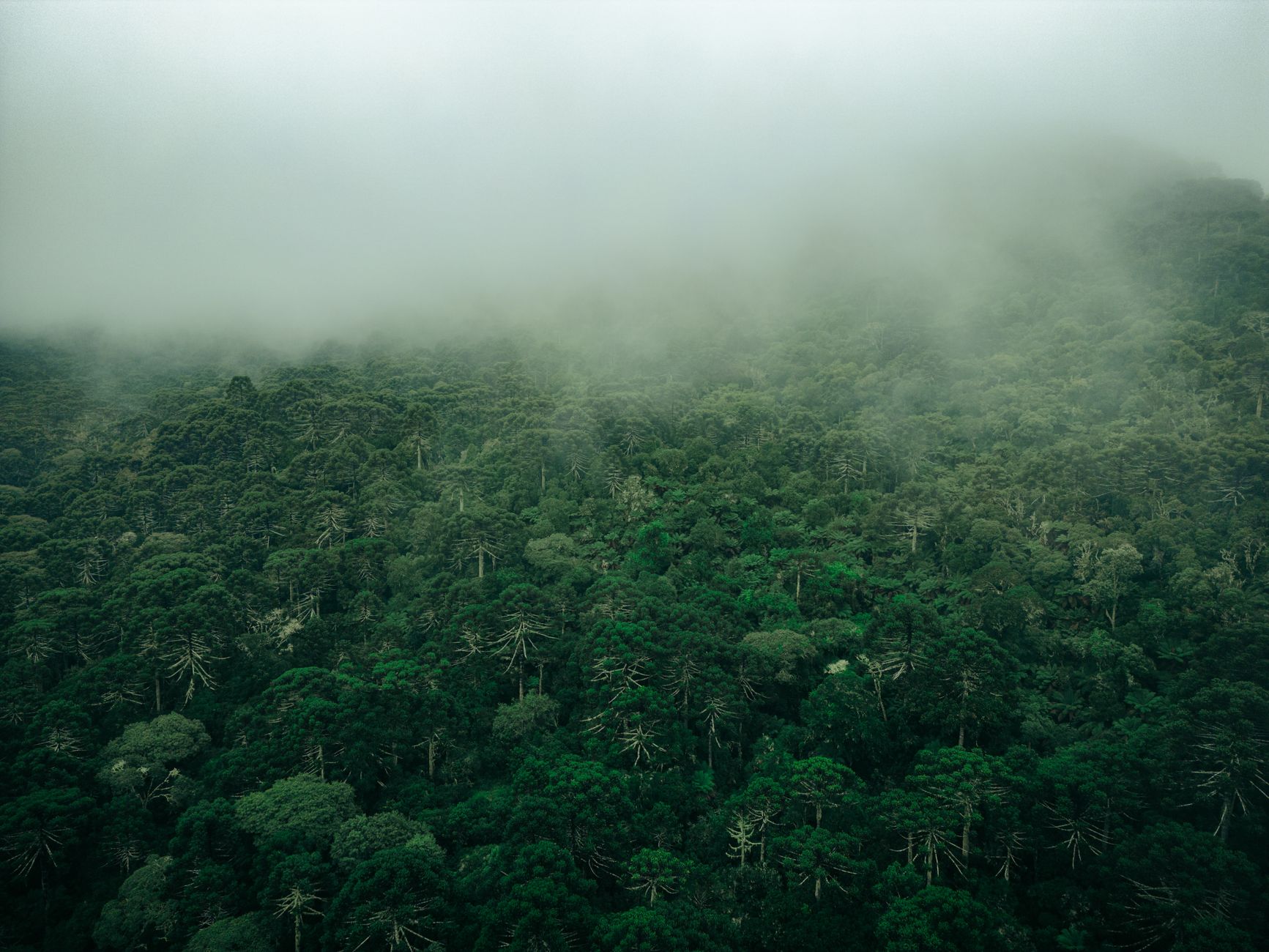
If you are looking for a practical model rather than a label, Fund The Planet shows one route: privately acquired rainforest land, long-term legal protection, monitoring, and a digital way for members to follow the area they help protect. It is not a replacement for national parks or Indigenous territories. It is one example of how private protection can add another layer to a wider conservation system.