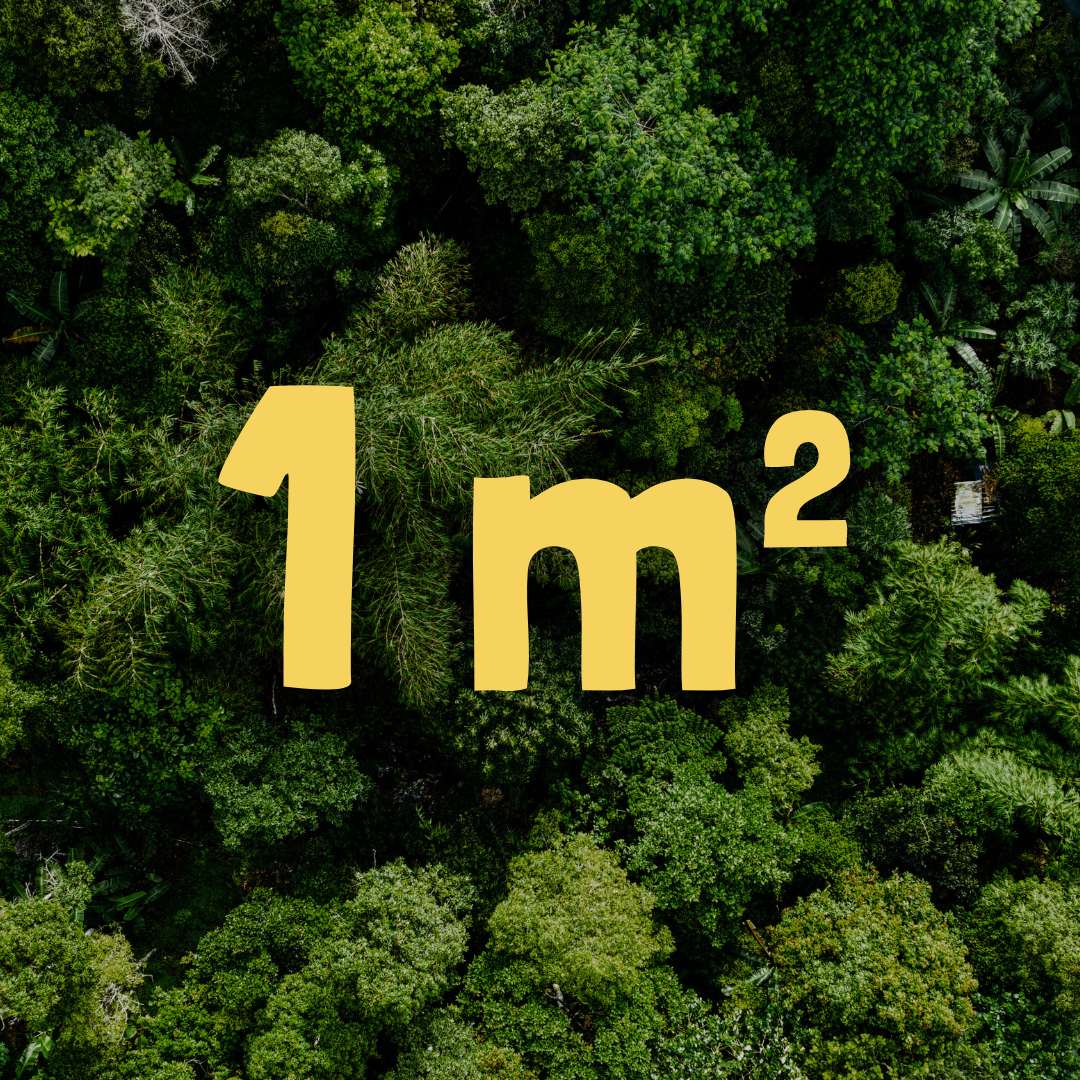
You’re scrolling through your phone when a photograph makes you stop. Where there should be a canopy of trees, there is bare earth. You’ve seen images like this before, but the feeling is familiar: you want to do something, something more than shake your head and keep scrolling. Then you start looking for a way to help, and suddenly you’re reading about digital wallets, blockchains, and NFTs.
For someone interested in that technology, this might be exciting. For someone who simply wants to protect a forest, it can feel like being asked to learn a new language before being allowed to take part. At Fund The Planet, that gap between caring about nature and understanding the technology is one reason we changed our approach. We began with Rainforest Tokens. We later introduced a membership model, keeping the idea of a personal connection to the rainforest while making participation more familiar.
Why We Started with Rainforest Tokens
When we introduced Rainforest Tokens in 2021, we wanted to make rainforest conservation feel less distant. The Amazon is thousands of kilometres away from many of the people who care about its future. Supporting its protection can feel abstract when you cannot see the place involved or understand how your participation connects to it. We wanted people to be able to find that place on a map.
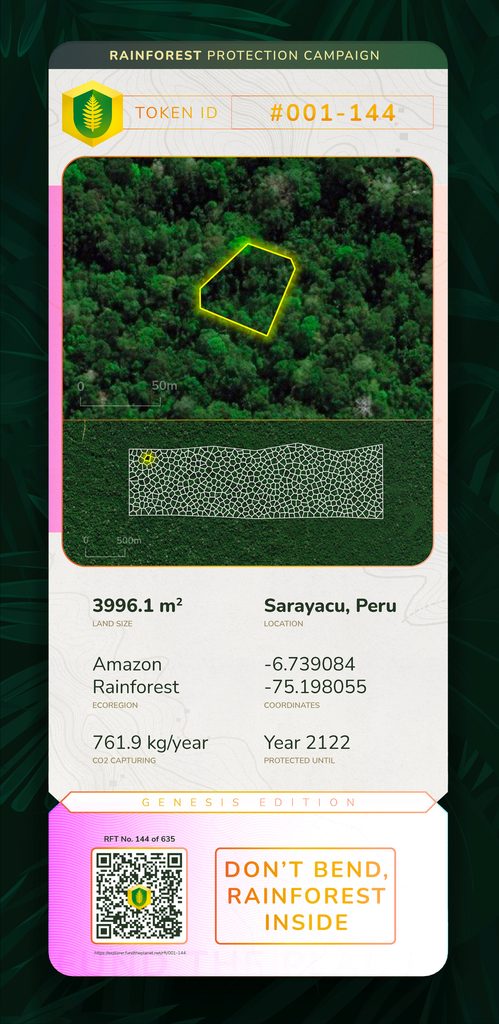
Rainforest Tokens used NFTs, unique digital records stored on a blockchain, to make that connection. Instead of a piece of digital artwork, a token carried information associated with a particular rainforest area, including its size and coordinates. Through the Rainforest Explorer, people could view the location and learn more about the forest connected with their token. The intention was to put a real place behind something that might otherwise remain a distant idea.
Our early materials described rainforest-linked NFTs, trading on OpenSea, and a system of rewards. Those materials also used investment and environmental-compensation language. Those descriptions are part of our history, and explaining the change honestly means acknowledging them rather than suggesting the early model was only ever about easier access to conservation.
When the Technology Becomes a Barrier
Imagine explaining the idea to a friend. You start with the rainforest, the trees, the wildlife, and the importance of keeping it standing. Your friend is interested. But then the conversation turns to wallets, marketplaces, and acquiring an NFT. Before they can act on the part they care about, they have to understand the part they may never have wanted to learn.
There was a financial barrier as well. The early offer involved entry purchases starting at around €500. That was the offer described then, not the price of membership today, but it helps explain why the early model was a different proposition from a smaller, recurring contribution. Interest in rainforest conservation does not necessarily come with either a crypto background or the budget for a larger purchase.
We wanted a more inclusive way for people to participate. That meant rethinking what we were asking them to do before they could join. The ability to see a particular forest area was worth keeping. Making an NFT the entry point was something we could change.
In 2024, we introduced the membership model. The aim was to make joining more straightforward for people who cared about the rainforest but did not want to engage with a crypto product. This was a change in how people could participate, not proof that a different payment method would, by itself, protect the forest better. The work in Peru still had to stand on its own.
A Familiar Way to Join, a Forest You Can See
Today, Fund The Planet’s membership uses recurring contributions linked to an allocated rainforest area. Members can view that area in the Rainforest Explorer and see it grow over time as their membership continues. The personal connection remains, but acquiring an NFT is no longer the starting point for this offer. You can approach it as someone interested in nature, rather than someone interested in crypto.
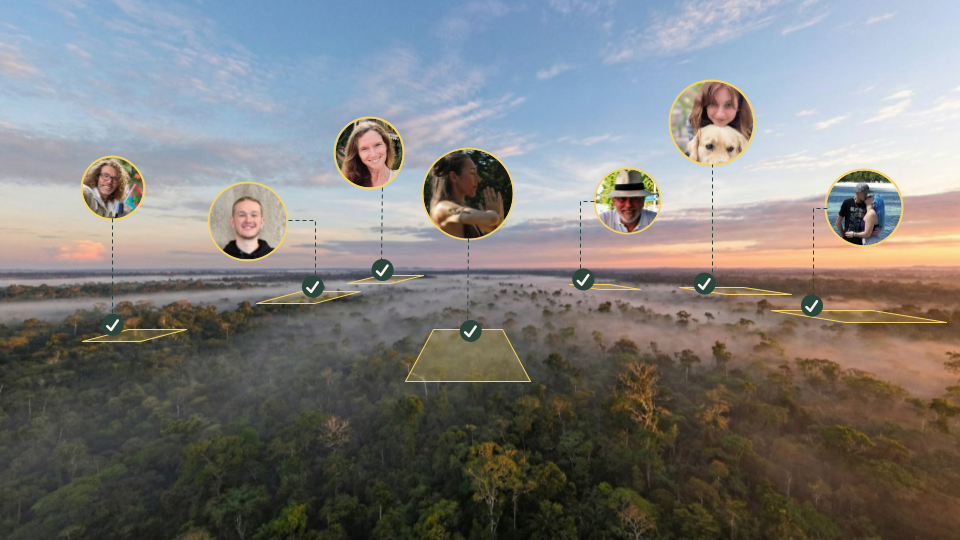
There is something valuable about being able to point to a place. Rainforest protection becomes easier to understand when you can see where the area is and how large it is. That visibility was part of the original idea, and it remains part of the membership approach. It gives people a way to explore the forest associated with their participation instead of relying only on a broad promise about conservation somewhere in the world.
Regular contributions also provide a more predictable basis for planning long-term conservation. Forest protection requires attention beyond the moment someone joins, and the membership model is designed around that continuing relationship. Our transparency page brings together purchase documents, the environmental study, and links to project reports. Those materials help explain the work behind the area shown on a screen.
Keeping the Forest at the Centre
The change reflects a practical choice about participation. We wanted to keep the visible connection to a rainforest area while removing the need to acquire an NFT to use the newer offer. Technology can help people explore and understand the project, but it should serve their interest in conservation rather than become a separate requirement they have to overcome.
The next time an image of forest loss makes you stop scrolling, you should be able to explore what you can do without first becoming a crypto enthusiast. You can look at the forest, read about the work, and decide whether the membership is right for you. The place that matters is still in the Peruvian Amazon, beyond the screen.
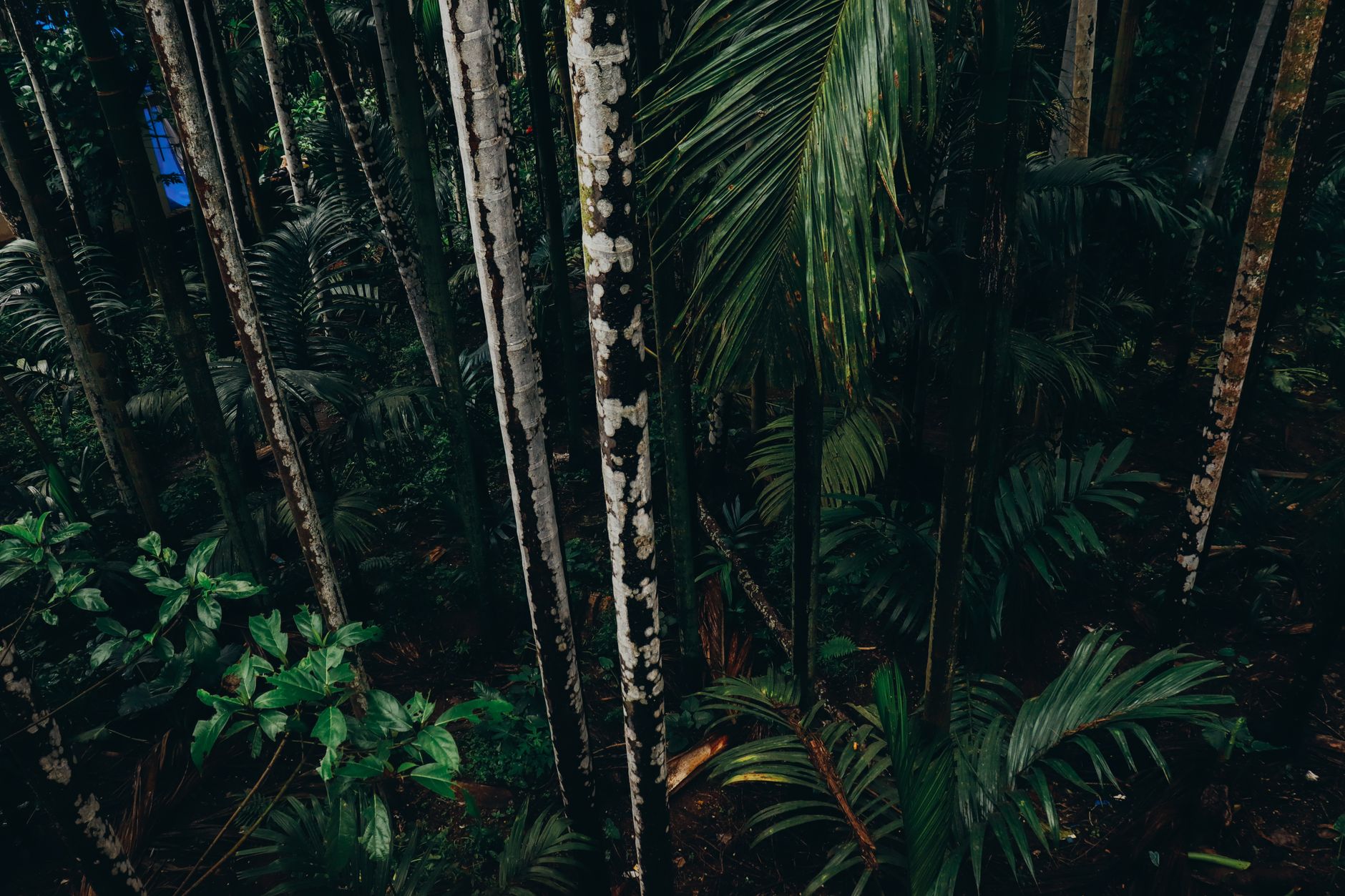
Featured image: Elif Ilkel via Pexels. Pexels License.

 EN
EN  DE
DE