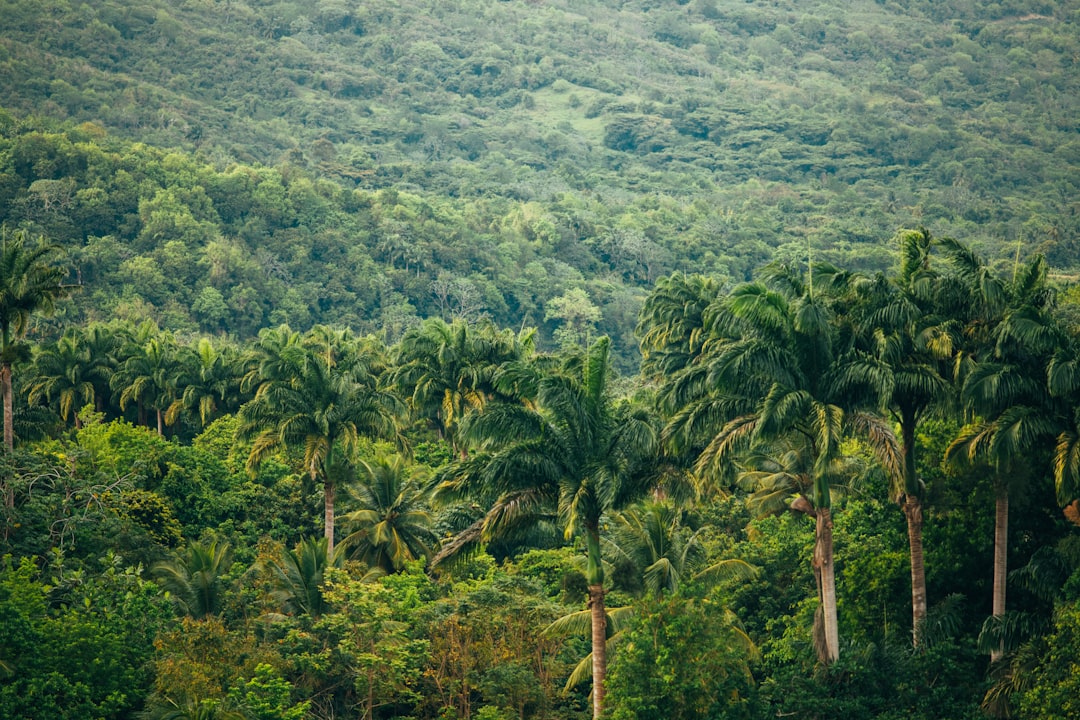
The Amazon rainforest is home to a remarkable range of snakes. Some spend most of their time in water, some move through the canopy, and others live close to the forest floor. Most are difficult to see and even less interested in people. The danger usually comes from a surprise encounter, not a deliberate attack. The World Health Organization’s overview of snakebite envenoming also makes an important distinction: venomous snakebites are a serious public-health problem, but fear is a poor way to understand snake ecology.
The giants: anacondas and boa constrictors
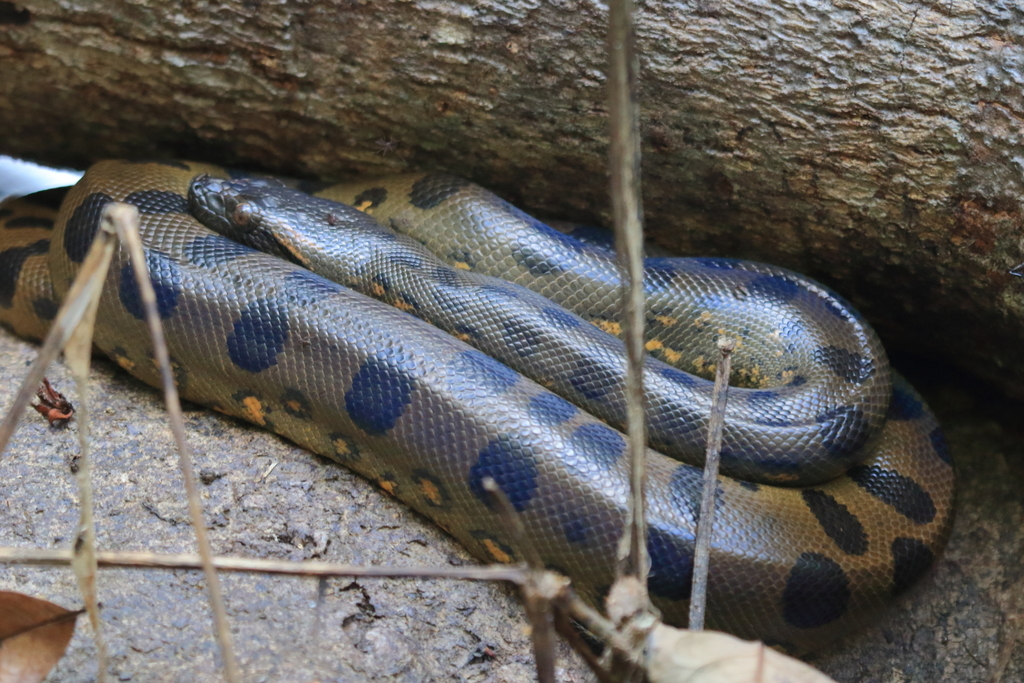
The green anaconda is a heavy-bodied, semi-aquatic snake associated with swamps, slow-moving rivers, and seasonally flooded forest. It hunts by ambush. A snake can remain almost hidden in shallow water, with its eyes and nostrils positioned high on the head, then strike when prey comes close. Its size is impressive, but its behaviour is usually cautious. The published green anaconda overview is a useful reference for separating documented biology from the larger measurements repeated in adventure stories.
Anacondas are not the only large constrictors in the Amazon. Boa constrictors use both trees and the ground, and their diet includes birds, mammals, and reptiles. Their bodies are built for restraint rather than venom, which means their hunting style is easy to describe badly. Constriction is a rapid circulatory and respiratory challenge for prey, not a theatrical crushing routine.
The Amazon already has a published profile of the anaconda, Anaconda in the Amazon Rainforest: The Giant Snake Explained. This broader article should send readers there for a closer species account instead of repeating the same profile.
Venomous residents: pit vipers and coral snakes
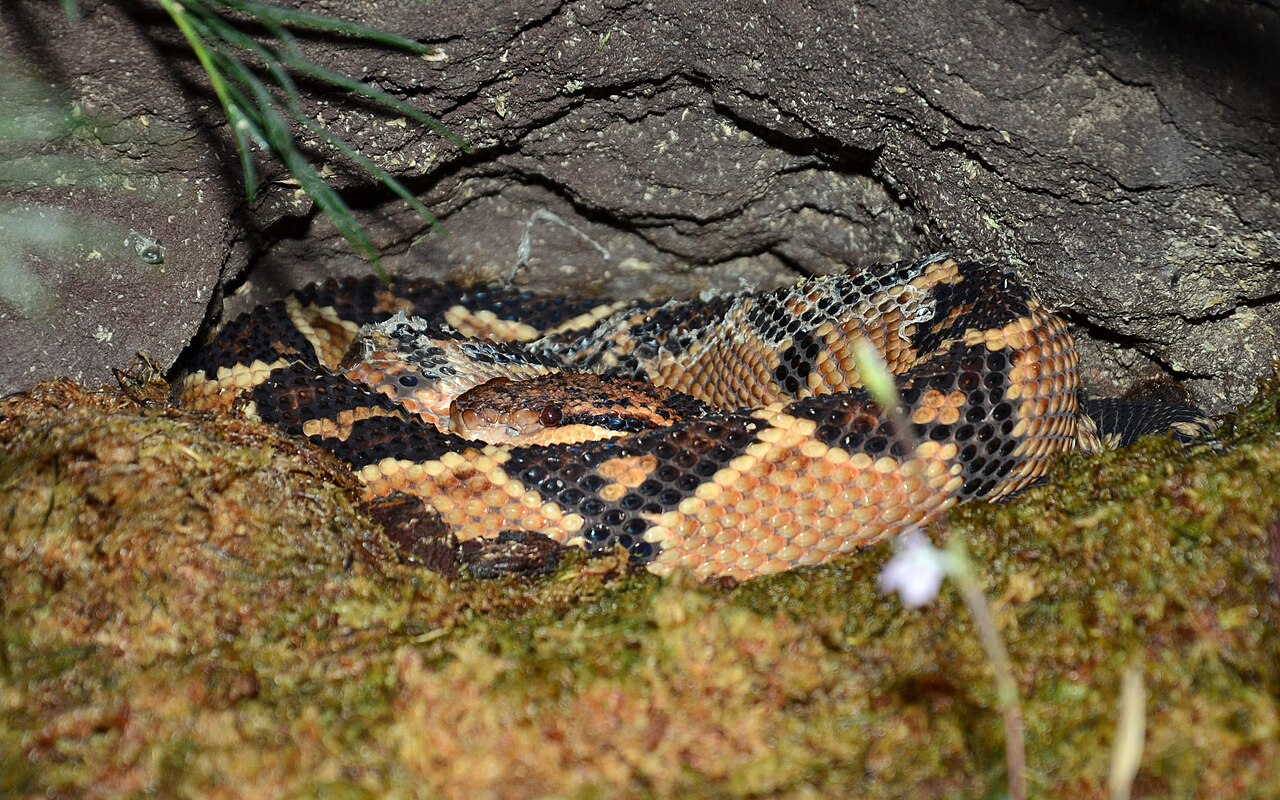
The Amazon is also home to venomous snakes with very different hunting strategies. Bushmasters and lanceheads are pit vipers. They use heat-sensitive pits near the eyes to detect warm prey, then rely on venom to begin the process of immobilisation and digestion. Lanceheads often live in places where forest and agriculture meet, so habitat change can increase the chance of an encounter without making the snake itself unusually aggressive.
Coral snakes belong to a different family. Their warning colours are striking, but colour rhymes are not a safe identification method. Pattern variation is common, harmless mimics exist, and people should never handle a snake to decide whether it is dangerous. The safest response to an unfamiliar snake is distance, not a closer look.
Snakebite prevention depends on practical measures: wearing footwear in high-risk areas, using a light at night, keeping hands away from holes or fallen logs, and seeking urgent medical treatment after a suspected bite. Those steps matter more than memorising a rhyme.
Why the myths persist
Snakes invite exaggeration because they are hard to observe. Stories about giant anacondas swallowing cattle or actively hunting people have travelled much farther than ordinary encounters in which a snake retreats into vegetation. The real animals are more interesting than the myths. Anaconda hunting is shaped by water, camouflage, and patience. Coral-snake warning colours are part of an evolutionary conversation between predators and prey. Mimicry adds another layer, because harmless species can resemble dangerous neighbours.
A useful rule for writing about rainforest snakes is to separate three things: what has been observed, what is biologically plausible, and what belongs to folklore. That keeps the article exciting without turning uncertainty into a monster story.
Snake conservation is rainforest conservation
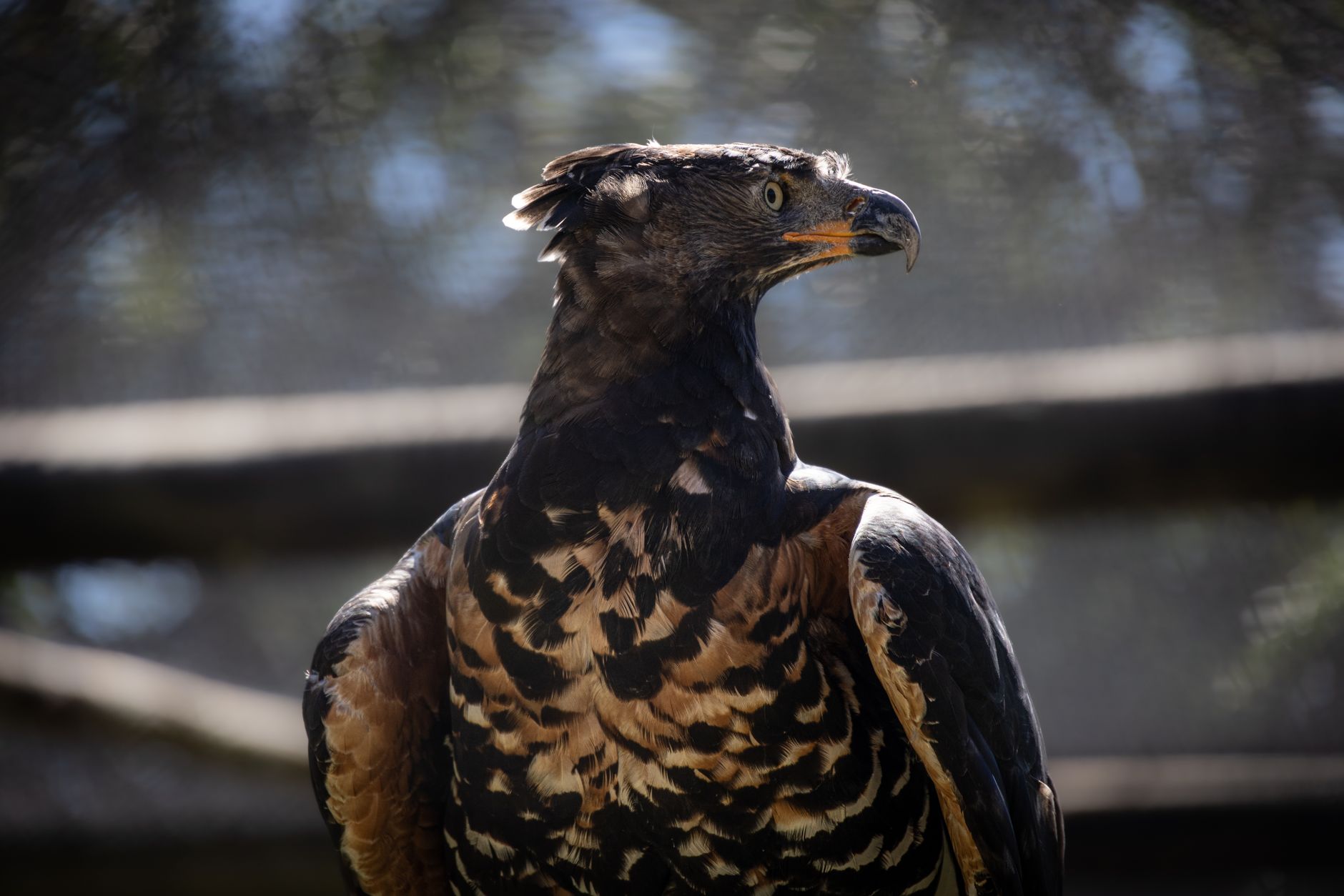
Snakes occupy several places in the Amazon food web. They prey on rodents, frogs, birds, fish, and other reptiles, while larger predators such as harpy eagles feed on snakes in turn. When forests are cleared, snakes lose shelter and prey. New edges also put them closer to farms, roads, and homes, where encounters become more likely.
The wildlife trade creates another pressure. An older study of the Amazon wildlife trade shows why trade should be treated as a conservation issue rather than a colourful side story. Collection, transport, and demand can remove animals from already stressed populations, especially when buyers want rare or visually distinctive reptiles.
Protecting a legally secured nature reserve in the Ucayali protects more than the species visitors find beautiful. It keeps the wet ground, tree cover, prey populations, and hiding places that less celebrated animals need. Snakes are part of that whole system.
The forest is safer for them when it remains connected, and healthier for people when encounters are less forced by habitat loss.
Snake conservation also depends on better information. A species that is feared is more likely to be killed when it crosses a path or appears near a home. Clear guidance can reduce that reaction: do not corner the animal, do not try to identify it by handling it, and give trained local responders enough space to work. Records of where snakes occur, which habitats they use, and how often people encounter them help conservationists focus on real pressures instead of dramatic anecdotes.
For readers, the most useful takeaway is simple. Learn the safety advice for the place you are visiting, respect the distance a wild animal needs, and remember that a forest without snakes is not a healthier forest. It is a forest with one of its ecological links missing.