
Nine private funders and conservation organisations have committed more than $500 million over five years to species recovery through the new Species Recovery Alliance. Announced in Yerevan, Armenia, on 16 October 2026 during COP17 of the Convention on Biological Diversity, the alliance brings together nine founding members around a shared aim: helping threatened species move away from extinction risk.
The figure is a five-year commitment, not a report of disbursements or a new pooled fund. Each member will continue to make its own investments, while coordinating where it funds work, sharing knowledge and reporting progress. That distinction matters because species recovery is rarely a quick intervention. It often depends on patient work by local conservationists, researchers and communities over years.
The alliance will focus on species listed by the IUCN as extinct in the wild, critically endangered or endangered. Its members say they will support actions suited to particular species and places, from restoring habitat and reducing immediate threats to breeding, reintroduction, disease work and genetic rescue where those approaches are appropriate.
The announcement links funding for individual species with protection of the places they need. Forest protection remains essential, especially in tropical regions where many threatened species live. Yet protecting a forest does not automatically solve every danger facing a small or declining population.
What the Species Recovery Alliance announced at COP17
The alliance was launched by Ayers Wild Cat Conservation Trust, Bezos Earth Fund, Colossal Foundation, Critical Ecosystem Partnership Fund, Fondation Segré, Franklinia Foundation, Rainforest Trust, Re:wild and WildLives Earth. According to the Re:wild announcement, the members have committed more than $500 million over the next five years to prevent extinctions and recover the world’s most threatened species.
The group is not setting up one central pot of money. Instead, its members plan to align their individual funding and conservation efforts, work with local partners and share lessons from the projects they support. That approach could make it easier to see where support is already going, where important gaps remain and whether several funders can back complementary stages of a recovery effort rather than repeating the same work.
The alliance also says it will use the IUCN Red List and Green Status of Species when assessing its collective impact. Using both places extinction risk and recovery in the same reporting framework. It also sets out how the alliance says progress will be tracked, rather than leaving recovery as an undefined promise.
The launch coincided with, but is separate from, the Coalition of Action to Recover Endangered Species. CARES is a government coalition led by Colombia and Armenia, while the Species Recovery Alliance is a commitment by private funders and organisations. They share an interest in accelerating species recovery, but they should not be treated as one programme or one funding stream.
Why habitat protection and species recovery must work together
A protected or restored habitat can provide the conditions wildlife needs to persist, but some species also face pressures that do not disappear when a boundary is drawn on a map. A population may be too small or too isolated to recover on its own. It may be affected by disease, invasive species, poaching, conflict with infrastructure or the loss of a particular food plant, nesting place or breeding site.
The alliance cites research on 7,784 threatened and Extinct in the Wild species from comprehensively assessed groups, which found that at least 57% would need targeted recovery actions alongside broader conservation measures. Those interventions can look very different depending on the species. They may involve removing an invasive predator from an island, protecting nests during a breeding season, treating disease, improving connectivity between forest fragments or carefully releasing animals after rehabilitation or conservation breeding.
This does not reduce the importance of intact habitat. For tropical wildlife, habitat loss and fragmentation can still be the underlying pressure that makes every other challenge harder to address. The point is that recovery plans need to begin with the actual obstacles facing a species, rather than assuming one response fits all. A small amphibian confined to a few streams and a wide-ranging forest cat will not need the same kind of support.
Species-focused work can also make a broad conservation challenge tangible. A recovery plan asks specific questions: where does this species still occur, what is reducing its chances of survival, and what evidence would show improvement? Those questions can bring urgency and discipline to decisions without pretending that wildlife can be separated from the ecosystems it depends on.
What coordinated funding could change on the ground
One of the most difficult parts of species recovery is continuity. Field teams may need repeated surveys before they know where a species persists. Communities and local organisations may need reliable support to maintain monitoring, restore habitat, respond to threats and evaluate whether an intervention is working. Short projects can produce important knowledge, but recovery usually needs a longer horizon.
The alliance says its members will direct sustained investment towards actions that can reverse decline. Its founding organisations will coordinate their funding rather than pool it, so the practical test will be whether that coordination improves the consistency and reach of support for locally led work. Public reporting against recognised IUCN measures could also make it easier to understand what the alliance is learning over time.
The announcement builds on the Phoenix Species Project, a partnership between Bezos Earth Fund and Re:wild that focuses on recovering 100 of the world’s most threatened species across 30 countries. The new alliance is broader than that existing partnership, but it points to one reason coordination matters: species recovery can combine scientific knowledge, local experience and practical conservation across many sites without turning every project into the same template.
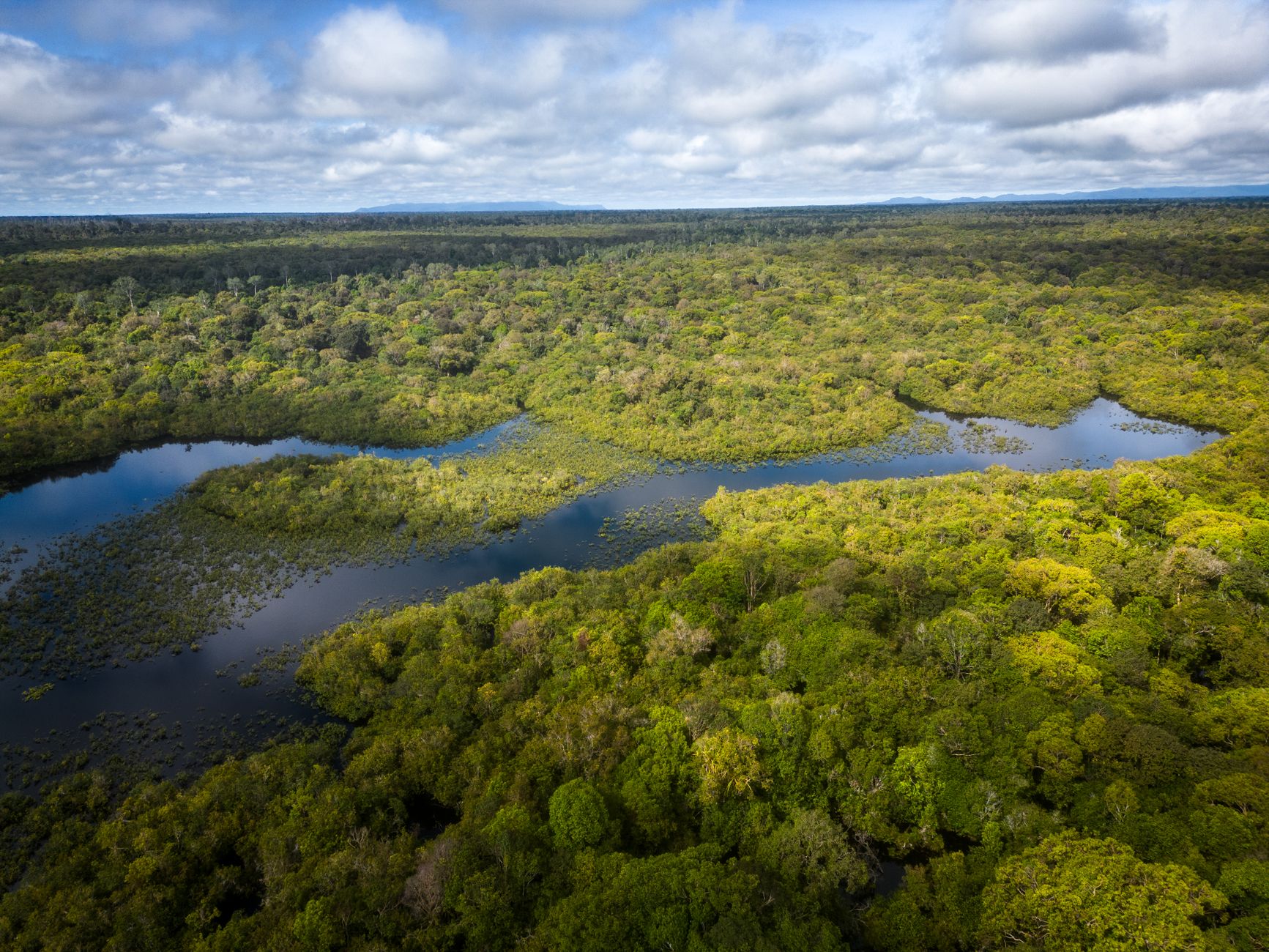
Rainforest conservation is particularly relevant here. Tropical forests hold extraordinary biodiversity, yet a threatened species may depend on one forest fragment, one river catchment or a particular mix of old trees and surrounding habitat. An overview of rainforest biodiversity hotspots helps show why protecting a diversity of places matters, not only the most famous landscapes.
The alliance has invited additional philanthropic organisations and funders to join. Its five-year commitment creates a clear benchmark, but the most meaningful outcomes will be measured in the condition of species and ecosystems, not in the size of an announcement. Funding is useful when it reaches the people and actions able to reduce real threats in the places where wildlife survives.
How the alliance plans to measure recovery
More than $500 million is a substantial stated commitment, and it signals that several large funders want species recovery to receive more coordinated attention. It is not, however, a record of money already deployed. Nor does it mean that all participating organisations will fund the same species, regions or conservation methods.
The announcement does provide useful detail about how the members intend to work. They plan to coordinate investments, share knowledge, work with local partners and report progress using the IUCN’s Red List and Green Status. Those are promises that can be followed over time through the projects supported and the evidence the alliance makes public.
The story is a reminder that conservation is not a choice between saving species and saving ecosystems. Both are necessary. A healthy rainforest depends on the relationships among its plants, animals and people, while a threatened species may need attention precise enough to respond to its own biology and immediate risks.
A practical way to follow the next five years is to look for clear evidence: which recovery actions are backed, who is leading them locally, what threats they address and how progress is assessed.
The Species Recovery Alliance has made a large, time-bound commitment. Its value will rest on whether coordinated support helps more threatened species hold on, recover and continue to belong in the ecosystems that shaped them.

 EN
 DE