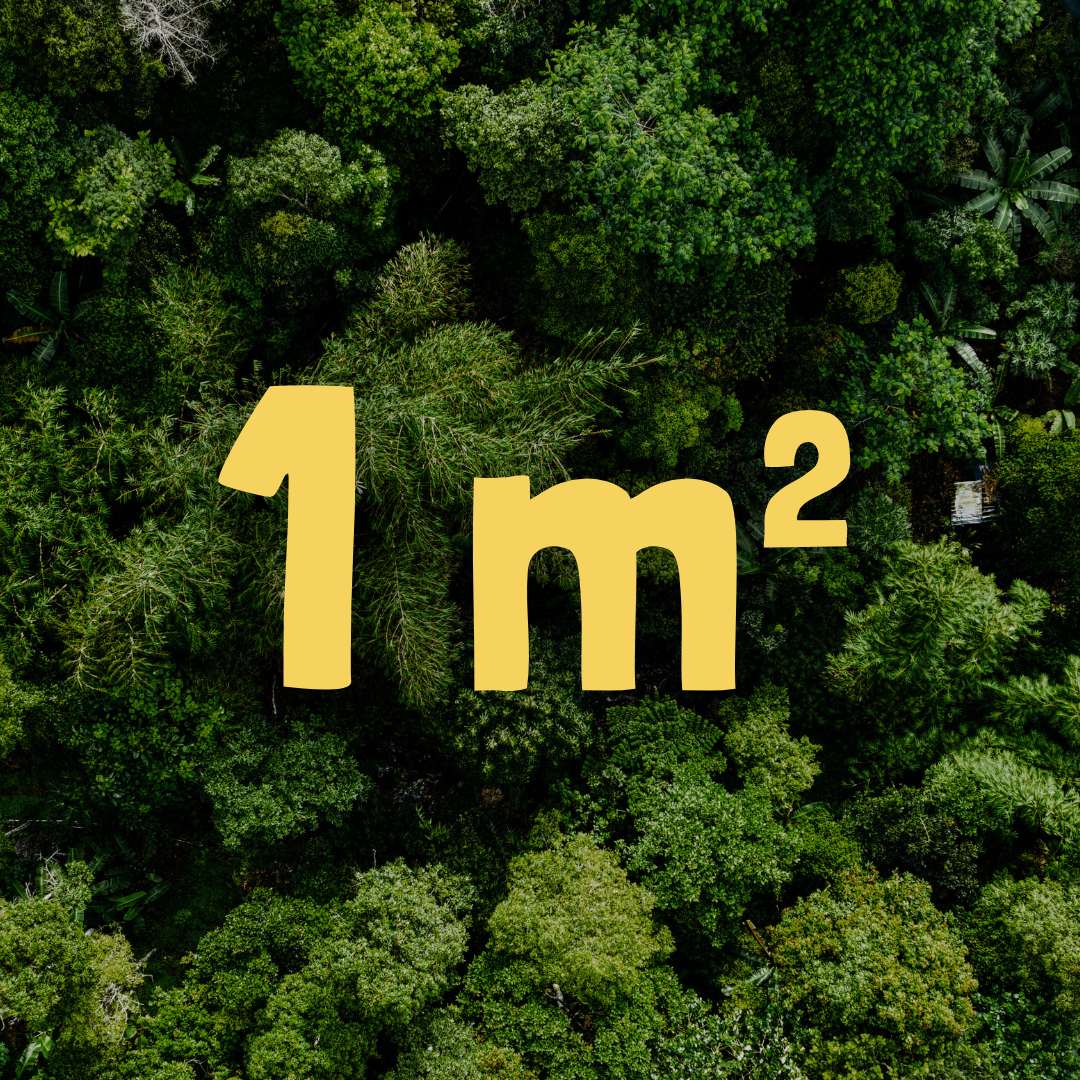
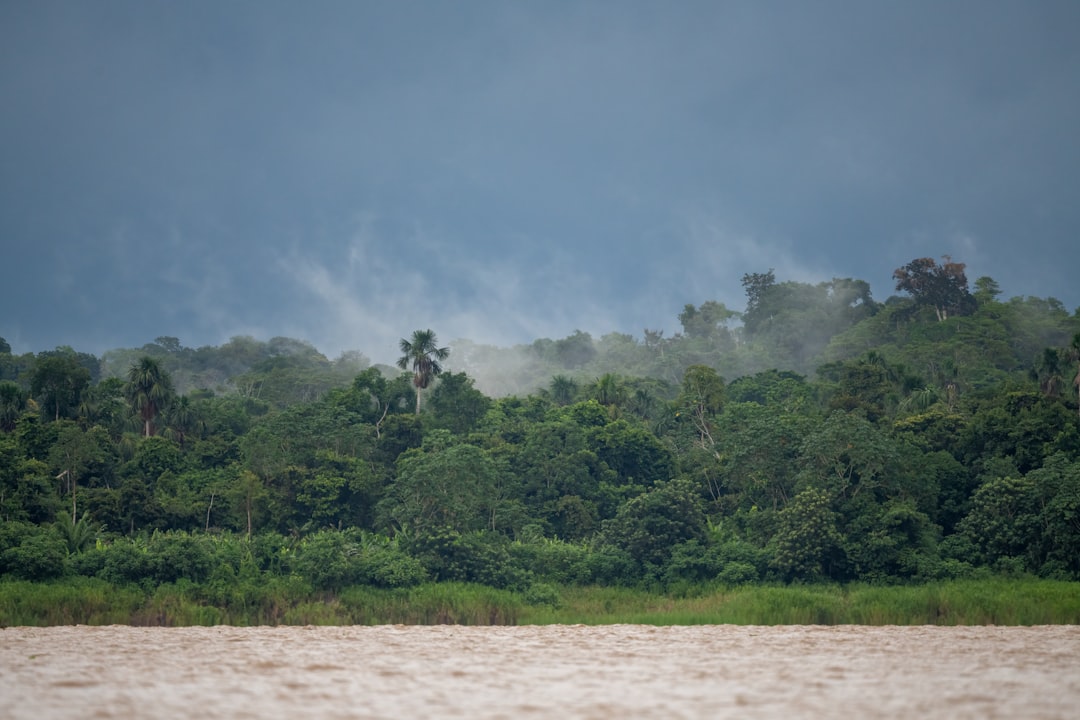
When you walk through an Amazon rainforest, you experience only the lower part of the system. Above the ground, tree crowns meet to form a living roof. The canopy catches light, holds water, supports animals, and connects trees that may never touch the forest floor. It is not a single flat layer. It is a three-dimensional habitat with different conditions at different heights.
What is the Amazon canopy?
The canopy is the zone formed by the crowns and branches of mature trees. In many forests it sits tens of metres above the ground, with taller emergent trees rising above it. The understory below receives less light. The upper surface receives direct sun, wind, and rapid changes in temperature and moisture.
That difference creates several habitats in a small vertical space. A branch exposed to full sun supports different organisms from a shaded fork lower down. A tree hollow, a vine-covered trunk, and a pool held by an epiphyte each offer another place to feed, rest, reproduce, or hide.
The word canopy can sound tidy. The real structure is not. Gaps open when trees fall. Vines cross between crowns. Animals move up and down during the day, linking the canopy to the ground, streams, and nearby trees.
A world in the trees
Plants set the terms of life in the canopy. Leaves convert sunlight into energy, while flowers, fruit, seeds, and young shoots feed insects, birds, mammals, and other animals. Epiphytes grow on branches without drawing their roots directly from the soil. Bromeliads and other plants can hold small amounts of water, creating damp pockets in places that would otherwise dry quickly.
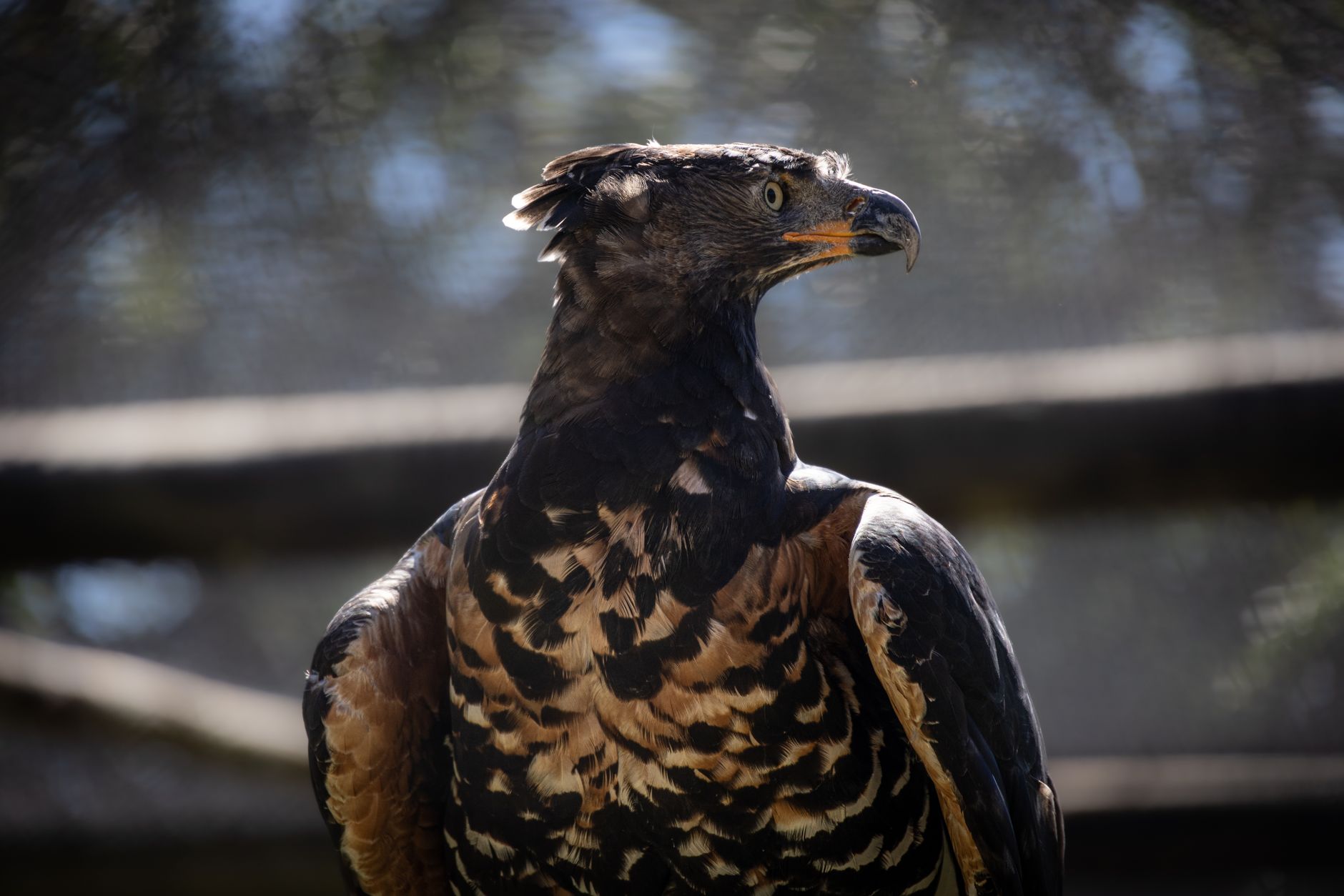
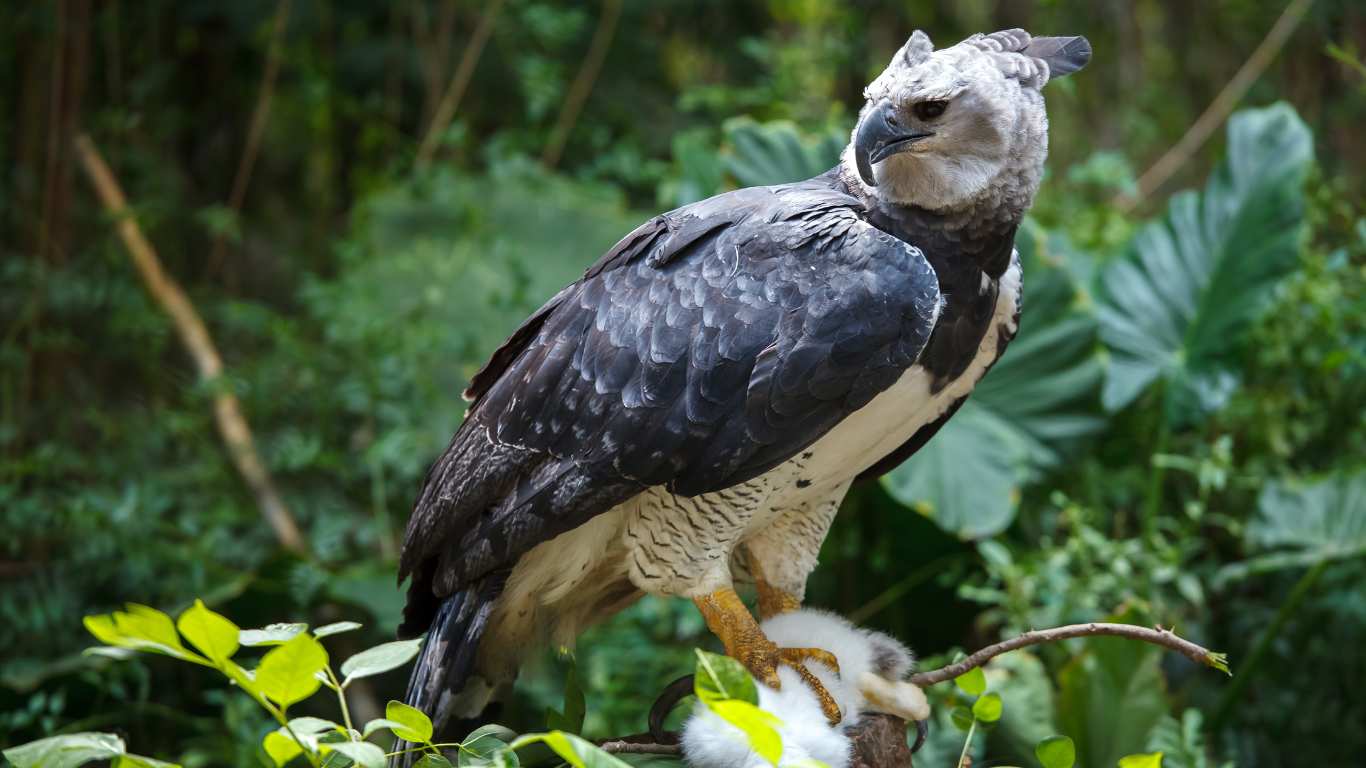
Animals use the structure in different ways. Howler monkeys move through the branches while feeding on leaves and fruit. Sloths depend on the canopy for food and cover. Macaws and toucans use the fruiting trees, while predators such as the harpy eagle need enough connected forest to find prey and raise young.
This is why a canopy photograph can be beautiful without explaining very much. The important detail is the network behind the green surface: host trees, insects, pollinators, seed dispersers, nests, fungi, and the animals that move between them.
The canopy and the water cycle
Leaves do more than collect sunlight. They intercept rainfall and return water vapour to the atmosphere through transpiration. Forest researchers now study that exchange through measurements of rainfall, soil moisture, energy, and water movement across the basin. Recent work on evapotranspiration and water feedback in the Amazon treats the forest as part of a connected hydrological system, not as a passive surface beneath the clouds.
Rain also changes as it moves through the trees. Some water stays briefly on leaves and branches. Some runs down trunks. Some reaches the soil in smaller, delayed flows. Research on rainfall partitioning in Amazon forest helps explain why the shape and condition of the canopy matter for the ground below it.
The canopy’s water role does not mean that one tree can be assigned a simple daily rainfall number. Water moves through the whole forest. Its effects depend on tree size, weather, season, soil, and the condition of the surrounding landscape.
What happens when the canopy is broken?
That complexity is one reason canopy research combines field observation with remote sensing, towers, climbing systems, and measurements taken above and below the leaves. Researchers are not looking for one spectacular number. They are trying to understand how a change in tree cover alters shade, humidity, rainfall interception, and the movement of animals. Those details matter when a forest is fragmented, because a narrow strip of surviving trees may still look green while functioning under much harsher conditions.
Clearing a patch of rainforest removes the roof and changes the conditions around the remaining trees. More sunlight reaches the ground. Air becomes hotter and drier. Wind reaches places that were once sheltered. Species adapted to humid, shaded conditions may disappear even when a small fragment of forest remains.
Fragmentation also breaks relationships. A pollinator may no longer reach a flowering tree. A seed disperser may avoid an exposed edge. A predator may need more connected habitat than the remaining forest can provide. The kapok tree is a useful example of why a large tree should not be treated as an isolated object. Its value comes from the living community that grows around and through it.
Protecting the canopy means protecting the trees that hold it up, the ground that feeds them, and the links between forest patches. The Ucayali rainforest reserve shows why that protection has to include an entire living system. The green roof above us is only as durable as the system underneath it.