Das Volk der Huaorani: Waldwissen im westlichen Amazonasgebiet
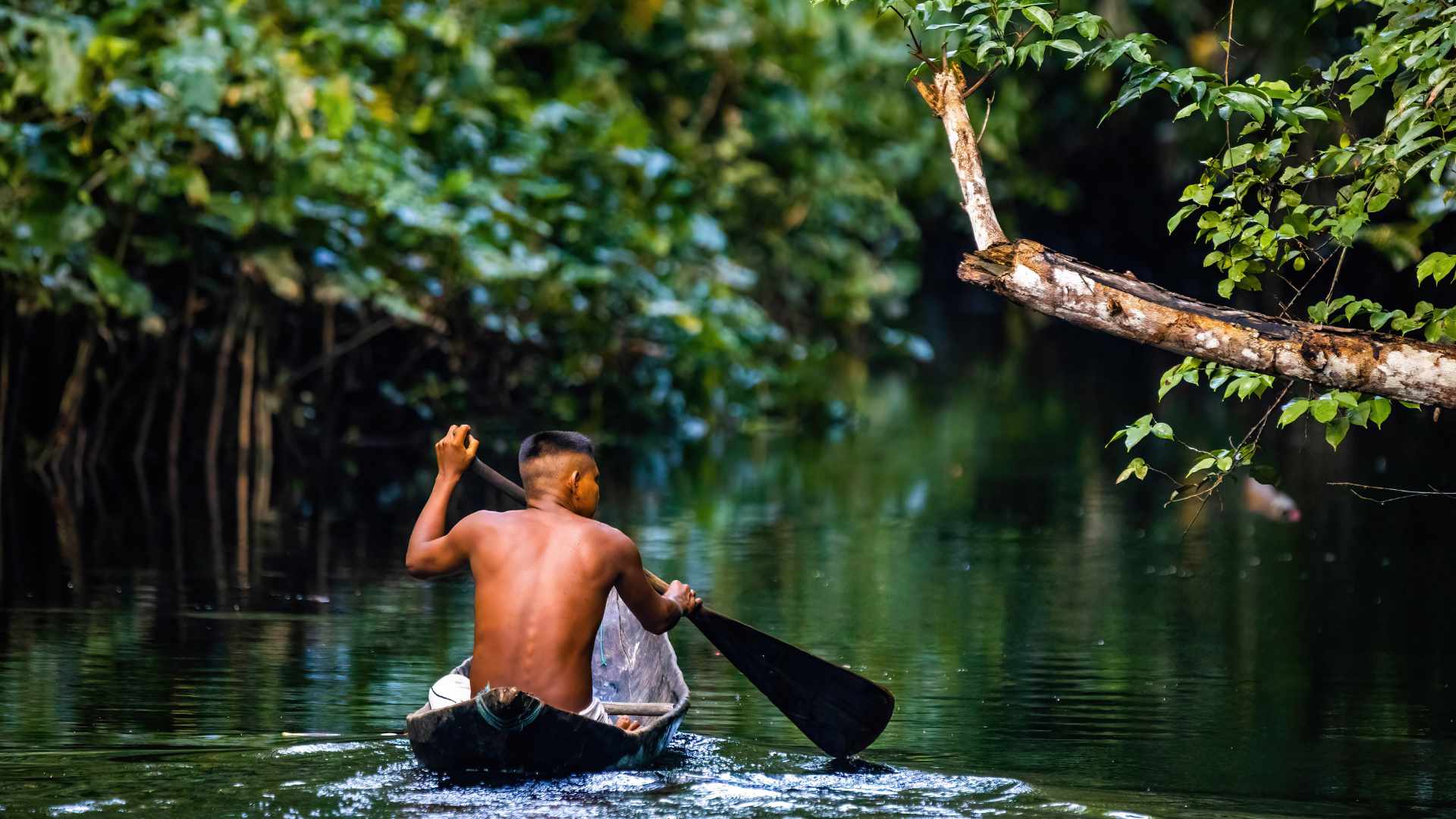
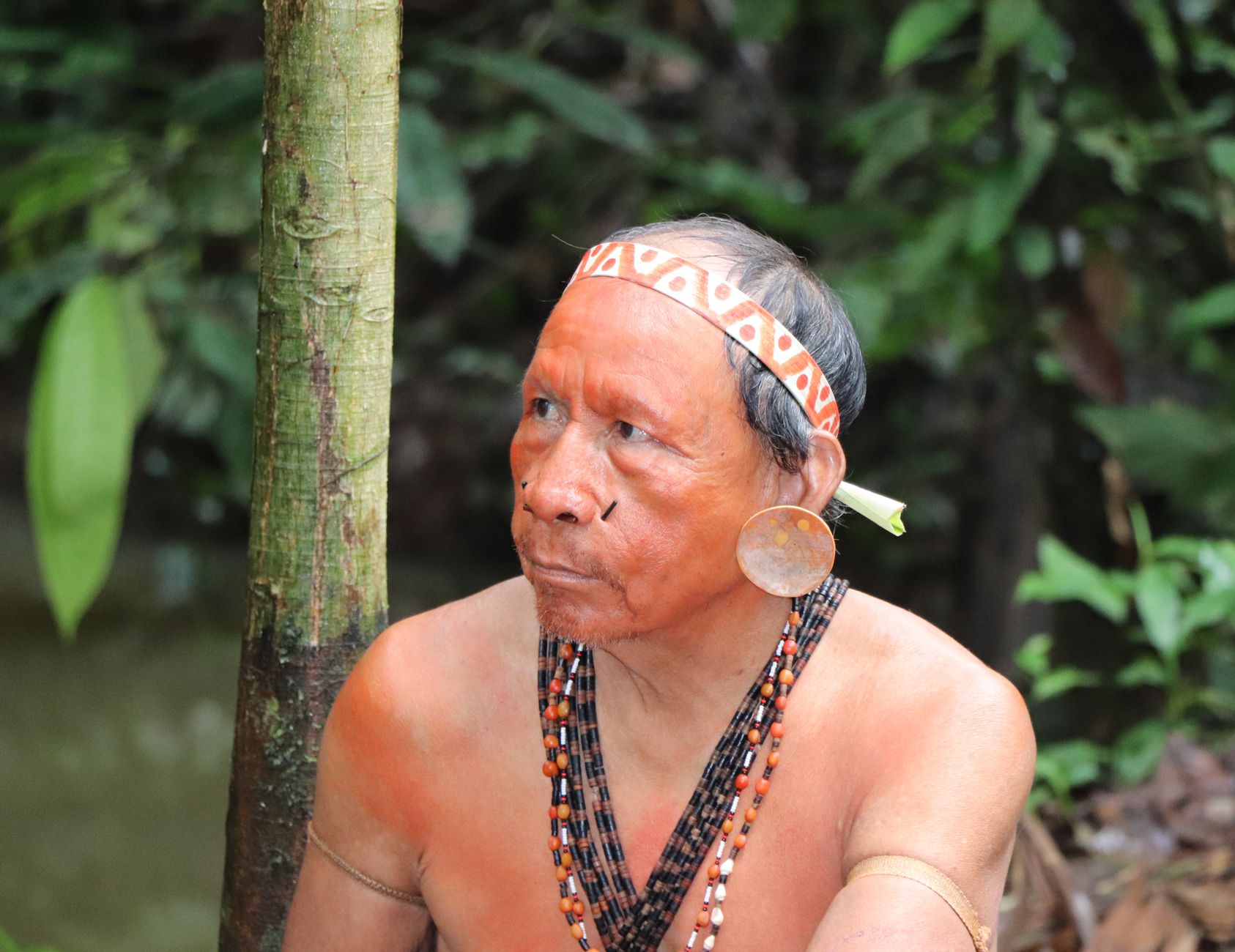
The Huaorani people of the western Amazon possess centuries of forest knowledge. Learn about their territory, land rights victory, and role as
Indigenous rights are part of rainforest protection because forests, territories, livelihoods and cultural continuity are deeply connected. Knowledge of local forests is often built through generations of living with changing seasons, waterways, plants and wildlife. That knowledge is specific to place and should not be reduced to a generic conservation story. Responsible conservation does not treat communities as a backdrop to nature. It recognises that people, place and forest stewardship are closely connected.
When forests are disrupted, the effects can reach across livelihoods, food and water systems, cultural continuity and local wellbeing. Protecting rainforest landscapes therefore also means paying attention to who is affected by forest loss and whose rights need to be respected. It requires care with how outside organisations describe, photograph and engage with communities. A durable approach to rainforest protection makes space for community leadership as well as ecological integrity.
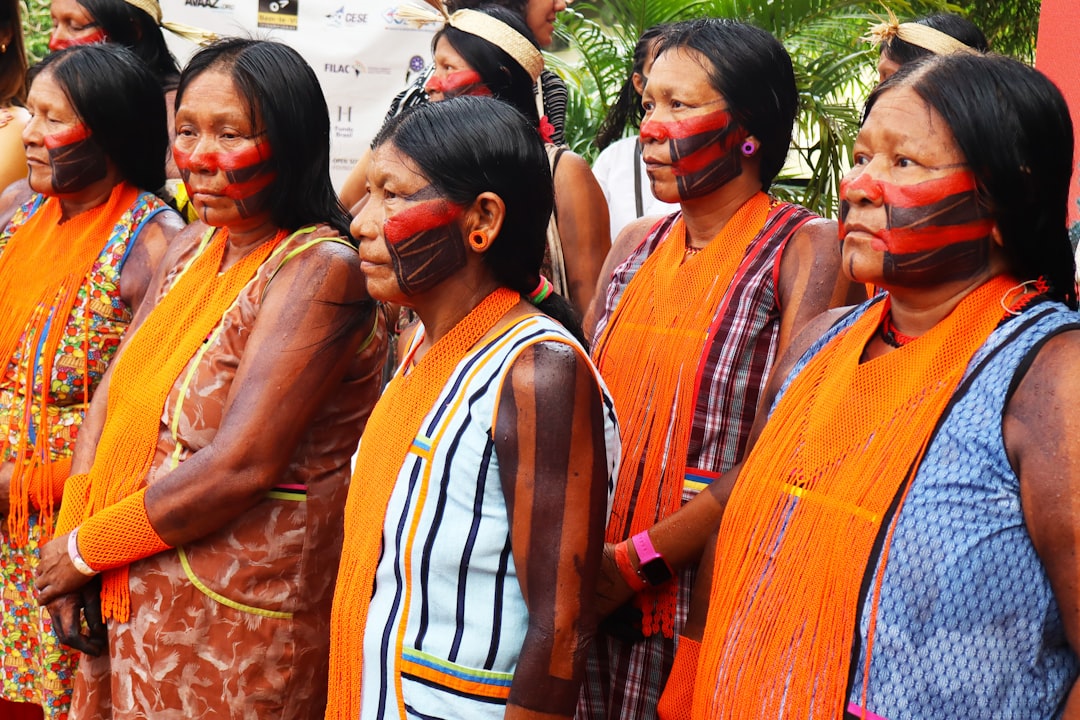
Patkore Kayapó speaking at COP30. Photo by Xuthoria via Wikimedia Commons, CC BY-SA 4.0. This image does not depict a Fund The Planet partner or protected site.
Community leadership is specific to each people, place and history. The articles below introduce different perspectives, from long connections between people and the Amazon to Huaorani forest knowledge and Indigenous women’s leadership.

The Huaorani people of the western Amazon possess centuries of forest knowledge. Learn about their territory, land rights victory, and role as

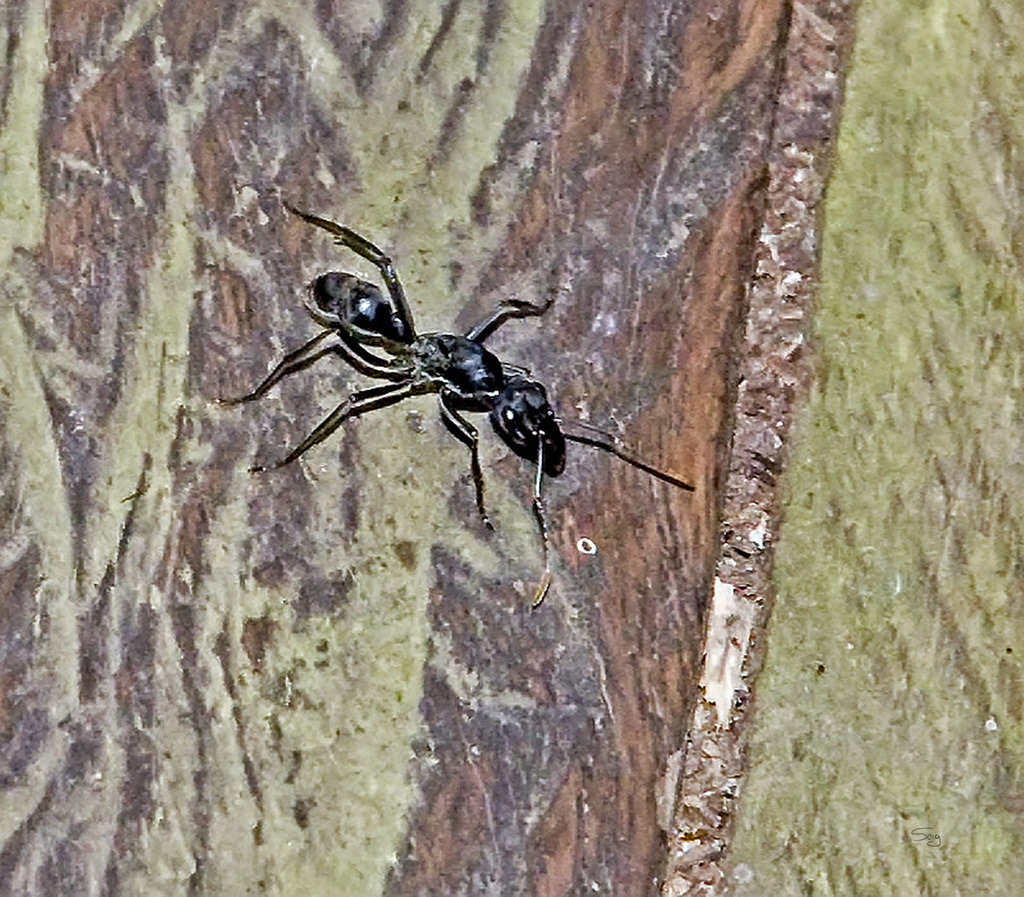
The bullet ant delivers the most painful insect sting on Earth. Discover what makes its venom so potent, its role in Sateré-Mawé

Indigene Frauen im gesamten Amazonasgebiet schützen die Wälder durch Landrechte, traditionelles Wissen, Agroforstwirtschaft, Überwachung und kulturelle Führungsrollen.

The Yanomami, one of the Amazon’s largest Indigenous groups, intricately connected to this land for millennia. Their home spans more than 9

[rank_math_breadcrumb] A startling statistic from the World Wildlife Fund reveals that indigenous people and territories in the Amazon encompass an area larger