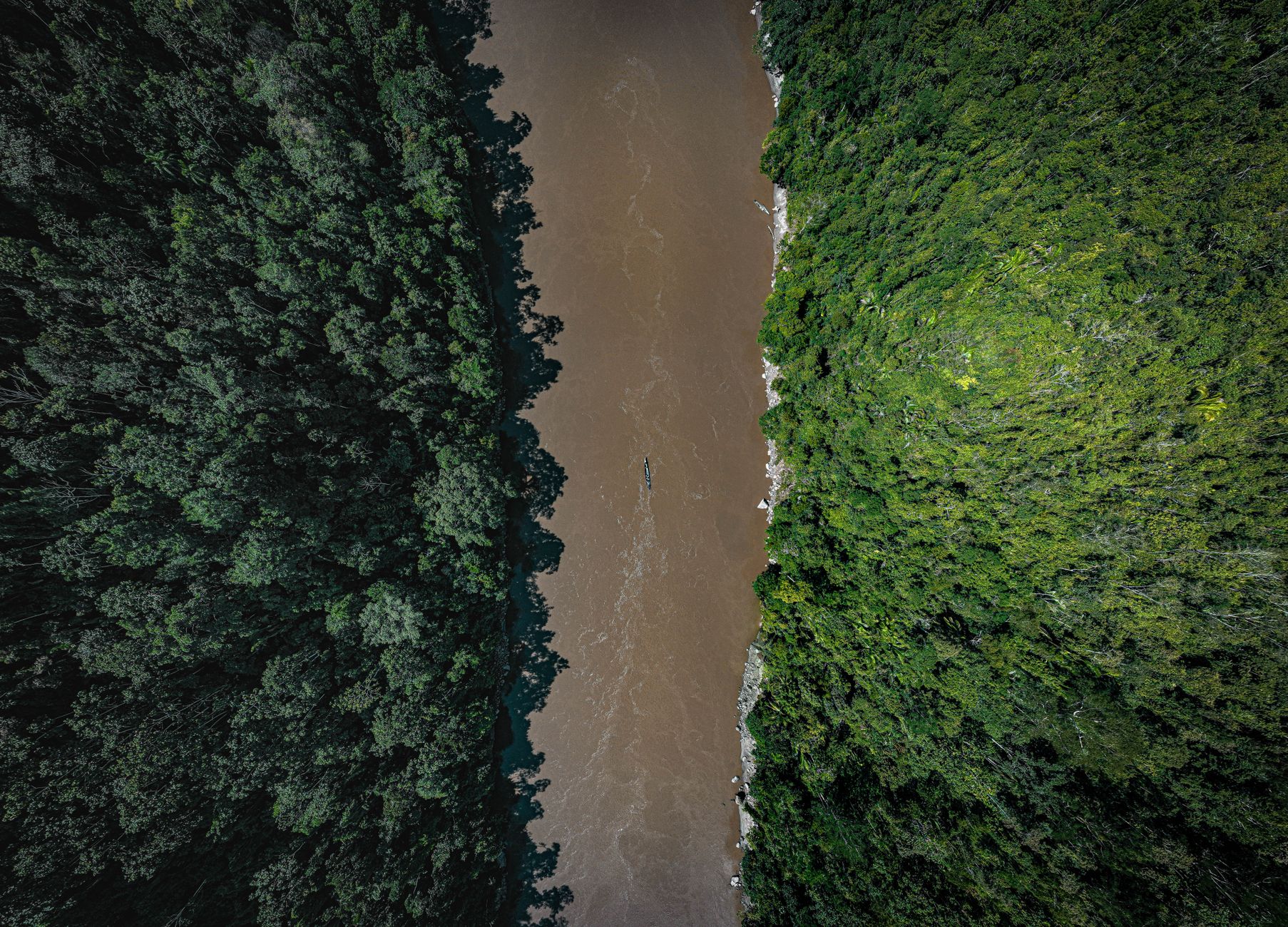
The Amazon River is not a postcard of blue. It is brown, silt-thick, and opaque, carrying the dissolved Andes across a continent. Beneath that surface, where visibility measures in inches, lives one of the densest concentrations of vertebrate life on Earth. The animals here do not rely on clarity. They rely on vibration, electroreception, and finely tuned instinct for survival in water that reveals nothing.
Pink River Dolphin
The pink river dolphin, or boto, does something no other dolphin does: it blushes. When excited, fighting, or courting, blood rushes to capillaries near its skin and the animal turns visibly pinker, a living mood ring navigating the flooded forest. Botos have unfused neck vertebrae, letting them turn their heads side to side and weave through submerged tree roots during the annual flood.
As apex predators, botos regulate fish populations across the flooded forest, consuming over 50 species including armored catfish and piranhas. These dolphins survive the Amazon’s blackwater rivers thanks to sophisticated echolocation and tolerance for conditions that would strand marine mammals.
Conservation work targets the boto’s biggest threats: mercury contamination from illegal gold mining, dam construction fragmenting populations, and deliberate killing for bait in piracatinga fisheries. Populations decline by roughly 10 percent per decade. Protecting them means community patrols and securing critical habitat corridors.

Black Caiman
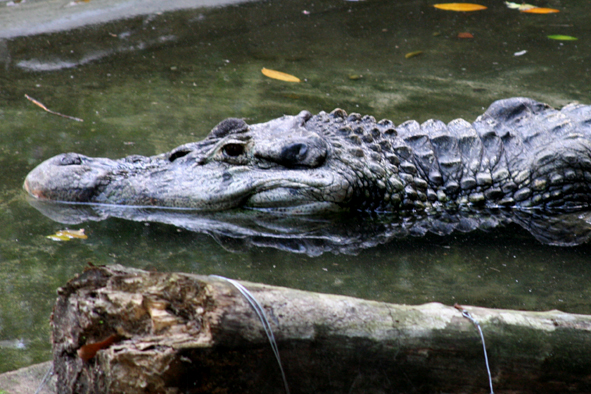
The black caiman is the Amazon’s heavyweight champion, the largest predator in the basin, reaching over five meters. Unlike smaller spectacled caimans, this species takes everything: fish, capybaras, anacondas, and occasionally livestock at the river’s edge. At night, its eyes reflect red in a flashlight beam, two embers in absolute darkness.
As the basin’s top aquatic predator, the black caiman structures the entire food web, suppressing mid-level predators and controlling fish populations to maintain the balance that allows species diversity to flourish. Remove the caiman, and cascading effects ripple through everything from fish abundance to bird nesting patterns.
By the 1970s, black caimans had been hunted to near-extinction for their skins, with an estimated 99 percent wiped out. Strict protection and managed reserves in Brazil and Peru have allowed a partial recovery. Their comeback is one of Amazon conservation’s quieter success stories, proof that enforcement and local economic alternatives can reverse catastrophic declines.
Giant River Otter
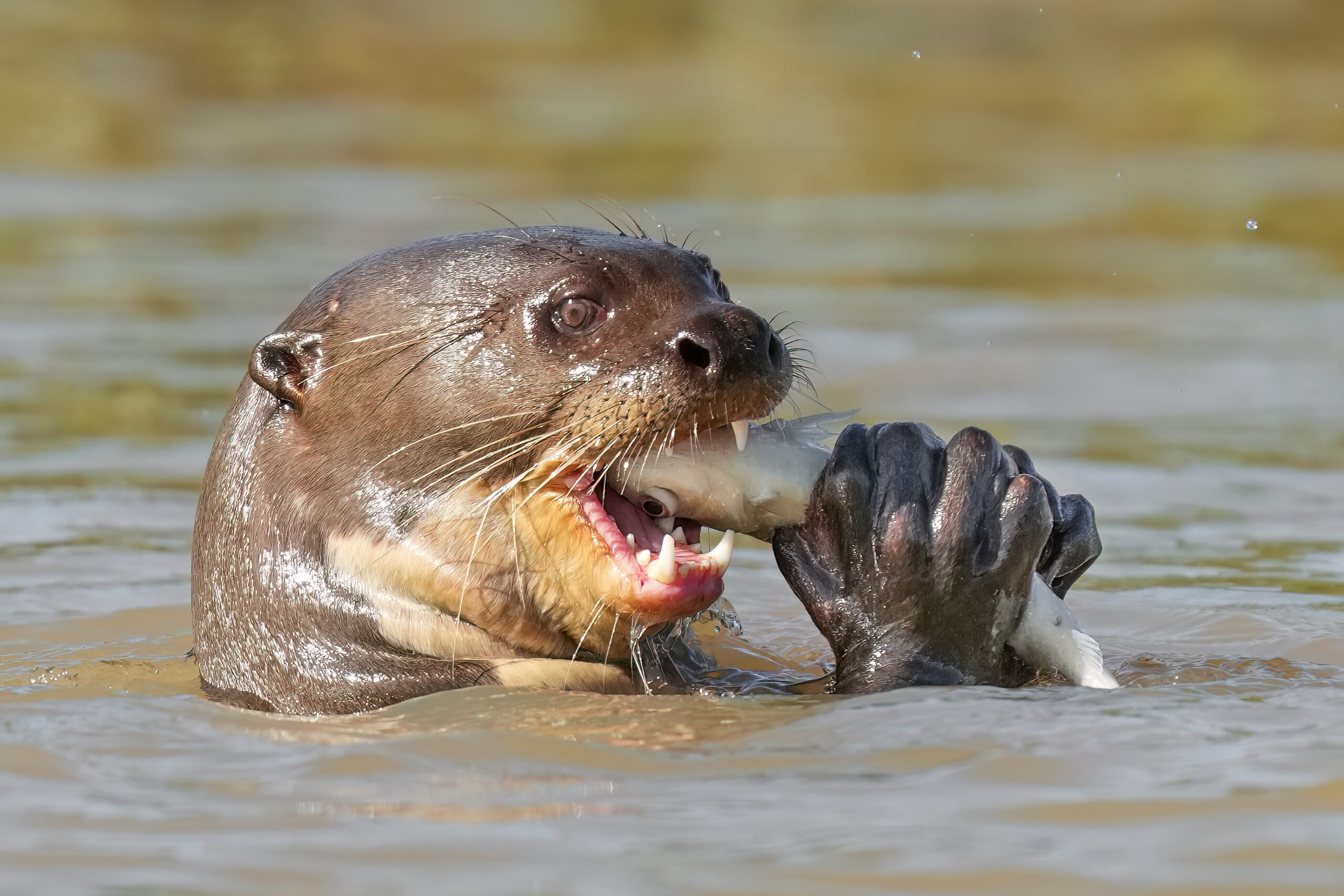
A giant river otter family surfacing together is one of the Amazon’s most arresting sights. These animals reach 1.8 meters and weigh over 30 kilograms, moving in tight, chattering family groups of up to ten. Each otter carries a cream-colored throat marking as individual as a fingerprint, used for identification without tagging.
Giant otters are obligate fish-eaters, consuming up to four kilograms daily and serving as reliable indicators of healthy fish stocks and clean water. As an umbrella species, protecting their habitat automatically shields dozens of other species sharing the same waterways. The World Wildlife Fund tracks giant otter populations as a benchmark for Amazon freshwater health.
Hunted for their pelts throughout the 20th century, giant otters vanished from much of their range. Today, habitat destruction from gold mining and agricultural expansion poses the greater threat, with mercury accumulation affecting reproduction. Fewer than 5,000 remain. In Peru’s Manu National Park, community-based monitoring has stabilized local populations, pairing scientific rigor with local employment.
Arapaima
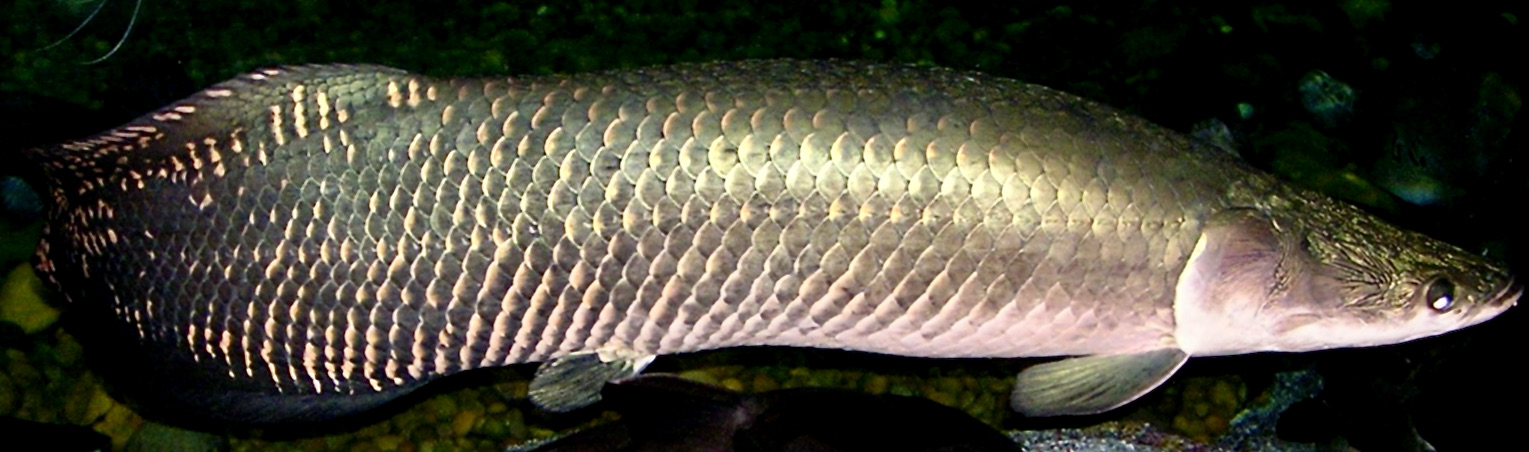
The arapaima is a fish built from superlatives. Among the largest freshwater fish on the planet, it can exceed three meters and weigh over 200 kilograms. Its modified swim bladder functions as a primitive lung, forcing it to surface for air every 10 to 15 minutes. In oxygen-poor Amazon floodplain lakes, this is a superpower, letting it thrive where gill-breathing competitors suffocate. Learn more about the arapaima’s biology.
A dominant predator in floodplain lakes, the arapaima shapes fish community composition through predation. Its need for surface air makes it vulnerable to harpoon fishing, a technique indigenous communities have practiced for millennia during the dry season.
Commercial fishing collapsed many arapaima populations by the early 2000s. The turnaround came through community-managed fisheries, particularly in Brazil’s Mamiraua Reserve, where communities set harvest quotas, enforce no-take zones, and conduct annual counts. Where these programs operate, arapaima numbers have rebounded, sometimes increasing fivefold within a decade. Conservation works when people who live alongside a species have both the authority and the economic incentive to steward it.
Electric Eel
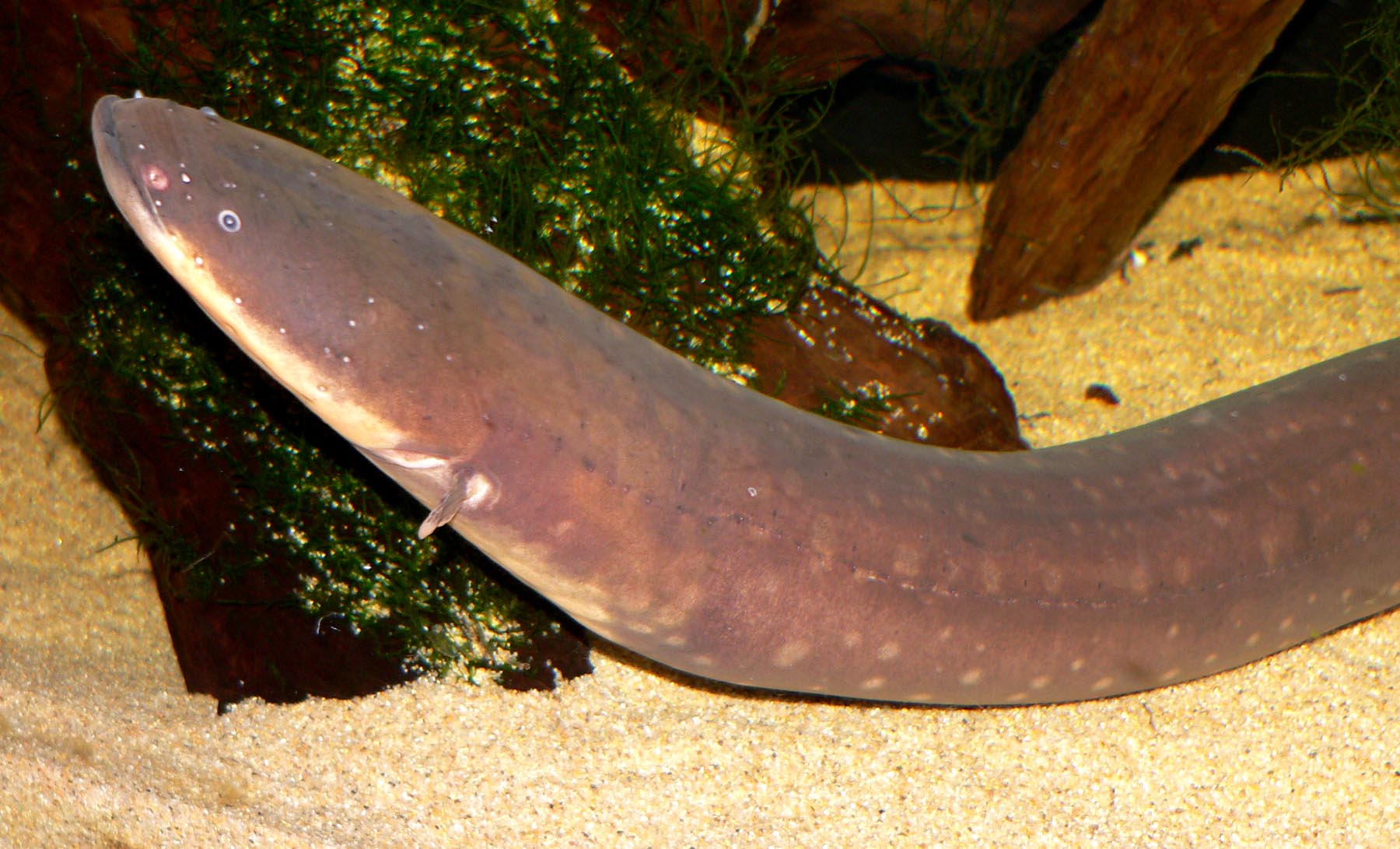
The electric eel is not an eel at all. It is a knifefish, more closely related to catfish, carrying the most powerful bioelectric weapon in the animal kingdom. A full-grown specimen can discharge up to 860 volts, enough to incapacitate a horse, and they sometimes leap from the water to deliver a concentrated shock to perceived threats.
In the murky Amazon, where vision is nearly useless, the electric eel navigates using low-voltage pulses to locate prey in darkness, then switches to high-voltage volleys to immobilize. It occupies a niche no other predator can fill, hunting in the oxygen-starved margins of floodplain swamps.
Electric eels are not currently threatened, but their dependence on healthy floodplain habitat makes them vulnerable to dam construction and deforestation along waterways. They are a reminder that even the Amazon’s most formidable creatures are bound to the rhythms of intact forest.
Red-Bellied Piranha
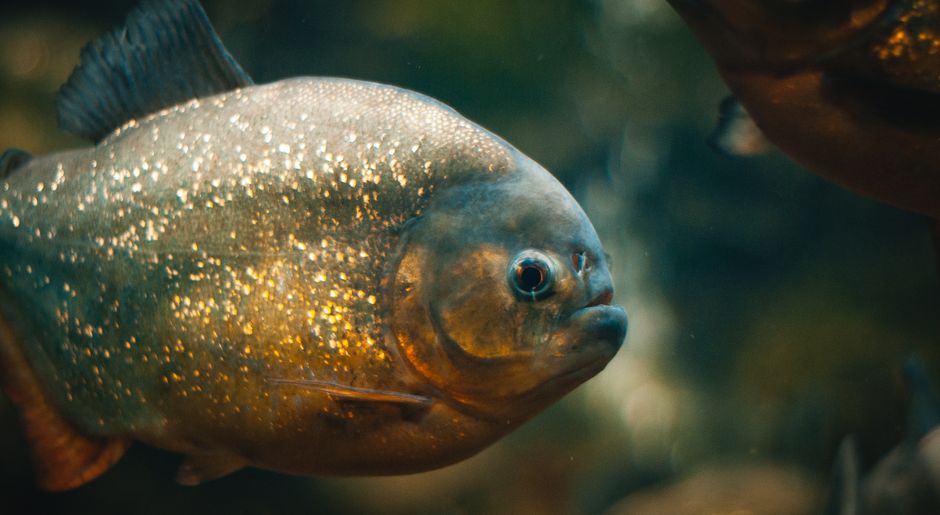
The red-bellied piranha has a reputation wildly disproportionate to its ecological reality. Far from ravenous swarms, piranhas spend much of their time scavenging, nipping fins, and fleeing predators. Their teeth, sharp as surgical tools and interlocking like a zipper, serve primarily for opportunistic feeding and defense. The schooling that looks menacing is a survival strategy: piranhas cluster together because they are prey for dolphins, caimans, and larger fish.
As scavengers, piranhas perform essential ecosystem housekeeping, stripping carcasses, controlling smaller fish populations, and cycling nutrients. Their abundance makes them a critical food source for dozens of Amazon predators.
Piranhas face no immediate conservation crisis, but their role as a food fish for rural communities ties their fate to waterway health. Overfishing of larger species can shift piranha populations upward, while mercury accumulation affects reproduction. A river full of piranhas but empty of everything else is not a healthy river.
Amazon Manatee
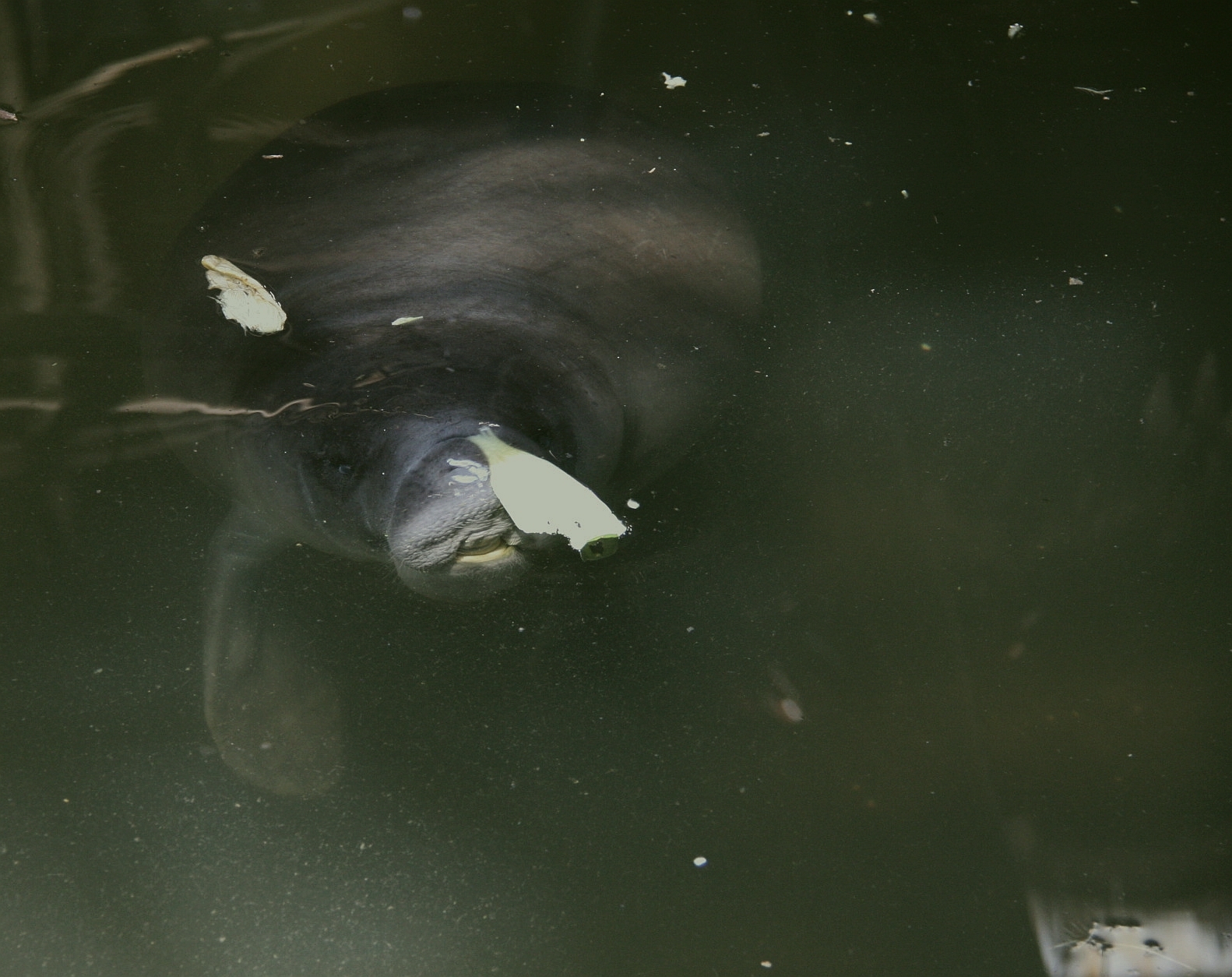
The Amazon manatee is the only manatee living exclusively in freshwater, never venturing into the sea. Entirely herbivorous, it grazes on floating meadows of aquatic vegetation, consuming up to eight percent of its body weight daily. During the dry season, they can fast for months on fat reserves built during the flood.
These herbivores are the Amazon’s aquatic gardeners. By consuming vast quantities of plants and recycling nutrients, they prevent waterways from choking with vegetation and maintain open channels other species depend on. Their movements between floodplain lakes and main channels distribute seeds and nutrients across the landscape.
Amazon manatees were hunted intensively for meat, oil, and hide from the 17th century through the mid-20th century. Though protected since 1967, poaching continues and the species is classified as Vulnerable. Boat collisions, net entanglement, and dams represent modern threats. In the Peruvian Amazon, rehabilitation centers nurse injured manatees back to health, but the long-term solution lies in protecting connected waterways for migration and feeding.
Mata Mata Turtle
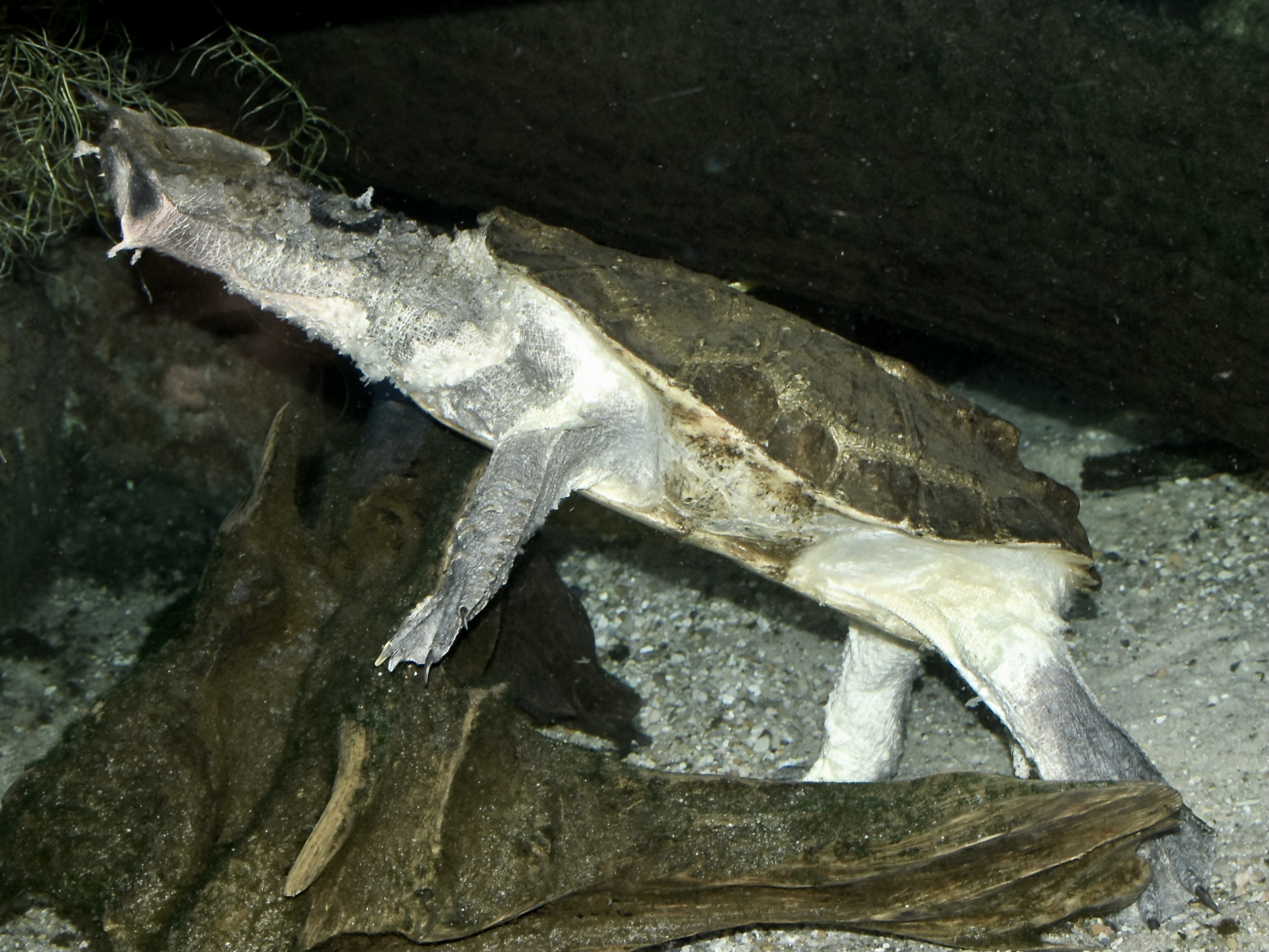
The mata mata turtle looks like something the river assembled from fallen leaves and submerged bark. Its head is flat and triangular, its shell ridged and algae-furred, its skin carrying flaps and fringes that break up its outline completely. This is not passive camouflage. The mata mata is a specialist ambush predator that has turned stillness into a hunting strategy, sitting motionless on the river bottom until a fish swims close enough to be vacuumed into its mouth with a sudden throat expansion.
The mata mata’s suction feeding opens its mouth so rapidly that water rushes inward, carrying prey with it in a fraction of a second. This ties it to the murky shallows where leaves collect and small fish forage, making it integral to the benthic food web.
Mata matas face growing pressure from the international pet trade, where their bizarre appearance commands high prices. Collection for export and habitat degradation from mining have led to declines in accessible areas. Several Amazonian countries now regulate their export under CITES Appendix II. The mata mata’s survival depends on intact, leaf-littered river margins, habitat that disappears when riparian forest is cleared.
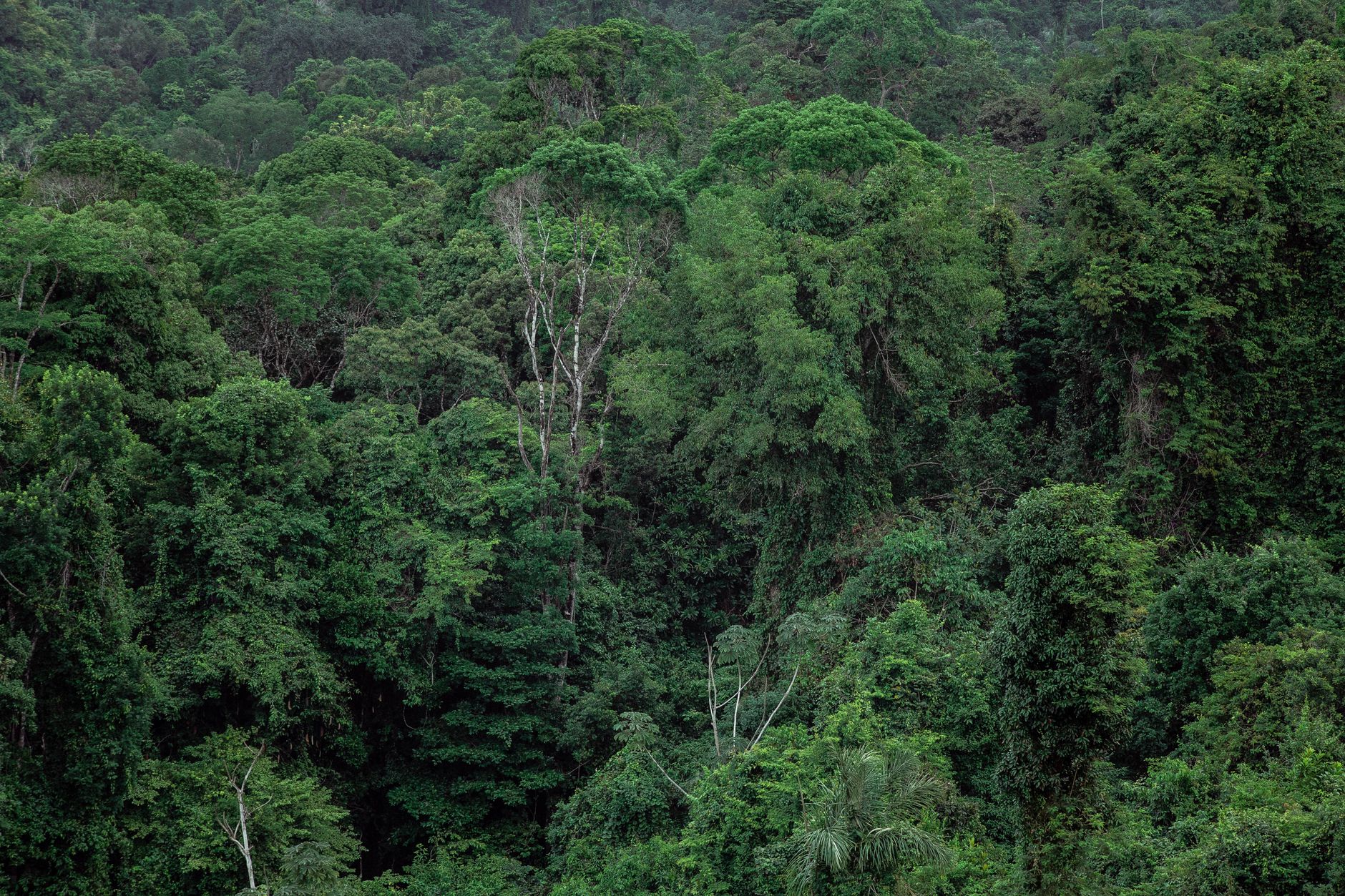
The Amazon at night is a different river. Beneath the brown water, black caimans patrol, pink dolphins echolocate through submerged branches, electric eels pulse search signals into the dark. A mata mata turtle, indistinguishable from leaf litter, waits for a fish that cannot see it coming. Each species depends on the connected system: the flooded forest, the seasonal pulse, the forest shading the water and the water feeding the forest. When Fund The Planet protects a hectare of rainforest in the Peruvian Amazon, that hectare shades tributaries, stabilizes riverbanks, and keeps mercury-laden sediment from channels where dolphins hunt and otters fish. The animals beneath the brown water never see the forest above them, but they feel every change to it.
—