BRICS leaders have called for ambitious contributions to the Tropical Forest Forever Facility, or TFFF. The call appeared in the New Delhi Declaration issued at the September 12 to 13 summit. It is a meaningful political signal, but it is not the same thing as money being committed, transferred or spent in forest countries.
That difference is the heart of this story. Tropical forests need long-term finance that makes standing forest worth more than short-term destruction. A declaration can help build that case. It cannot protect a hectare on its own.
What the New Delhi Declaration says
Auch official New Delhi Declaration includes support for the Tropical Forest Forever Facility and calls for its capitalisation. The TFFF has been proposed as a mechanism to reward countries that keep tropical forests standing, with benefits intended to reach Indigenous Peoples and local communities as well.
The wording is important. It is a call for ambitious contributions. It does not announce a BRICS funding total, a timetable for payments or a list of projects that have received funds. Readers should be wary of headlines that blur those steps together.

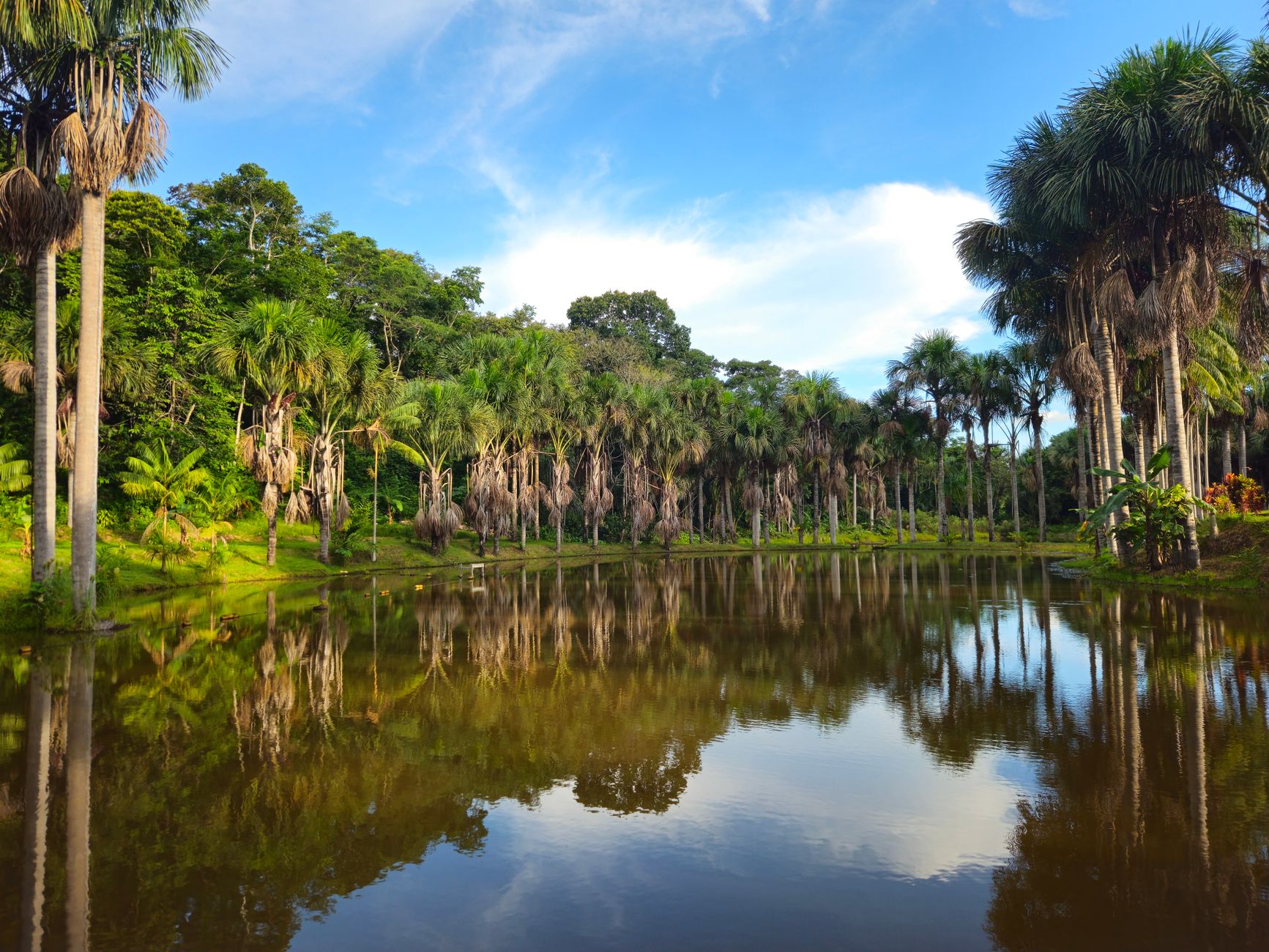
Caption: To be filled after licence-checked media selection.
The declaration puts forests alongside climate resilience, energy and development. That makes sense because tropical forests sit inside all of those questions. They support biodiversity, water cycles and livelihoods, while forest loss can create costs far beyond the place where trees are cut.
Why a funding call still matters
Forest countries often face a blunt economic choice. Clearing land can generate immediate revenue. Keeping intact forest standing provides wider benefits, but those benefits are not always paid for fairly or reliably. International finance is supposed to narrow that gap.
World Resources Institute’s response to the summit welcomed the TFFF language, while making the next step plain: governments still need to put serious money behind it. That is a reasonable test. A facility’s promise depends on its capital, its safeguards and whether money reaches the people who live with the consequences of forest policy.
The idea has already attracted some movement. Earlier this month, the United Kingdom announced a £400 million loan linked to the facility, according to WRI’s September 3 statement. That is background, not the news from New Delhi. It also should not be counted as a BRICS disbursement.

Caption: To be filled after licence-checked media selection.
What good forest finance would need to prove
The TFFF is built around a simple aim: create durable incentives to keep tropical forests intact. The difficult work is in the details. Finance needs clear rules, independent monitoring and safeguards for Indigenous Peoples and local communities. It also needs to avoid rewarding paper promises while forests continue to disappear on the ground.
This is not an argument against funding forests. It is an argument for being precise about what has happened. The BRICS declaration moves the discussion forward. It does not complete the job.
Forest finance also cannot replace national enforcement, land rights or strong protection of threatened places. It can support them. A payment mechanism that ignores who holds rights, who makes decisions and who bears the risks would repeat old mistakes.

Caption: To be filled after licence-checked media selection.
Existing evidence from the Amazon reinforces why community safeguards matter. Indigenous peoples and the Amazon are not an add-on to forest policy. Their territories, knowledge and rights are central to how many forests are protected. The same is true of the legal and operational choices behind lasting rainforest protection. It also belongs beside the practical debate about how to protect the rainforest.
A declaration is a starting point, not a result
The New Delhi Declaration gives tropical forest finance a place in a major diplomatic conversation. That is useful. It may make future commitments easier to build and harder to ignore.
But the responsible headline remains modest. BRICS called for more funding to keep tropical forests standing. It did not announce that the money has arrived. The next meaningful evidence will be actual commitments, transparent rules and verified benefits for forests and the people who protect them.



 EN
EN  DE
DE