
Inhaltsverzeichnis
Bright, deadly, and no larger than your thumb—poison dart frogs of the Amazon are nature’s most dazzling paradox. Their vivid colors, ranging from electric blues to fiery oranges, captivate the eye while warning predators of the potent toxins these tiny amphibians carry. They are living symbols of nature’s balance, where beauty and danger coexist. But have you ever pondered the source of these toxins or why their colors vary so dramatically between species?
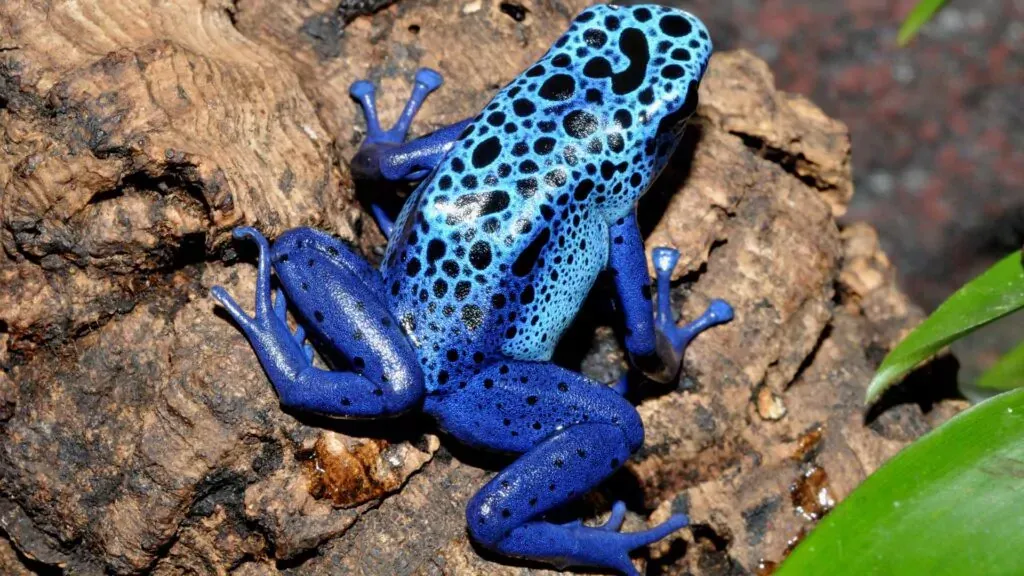
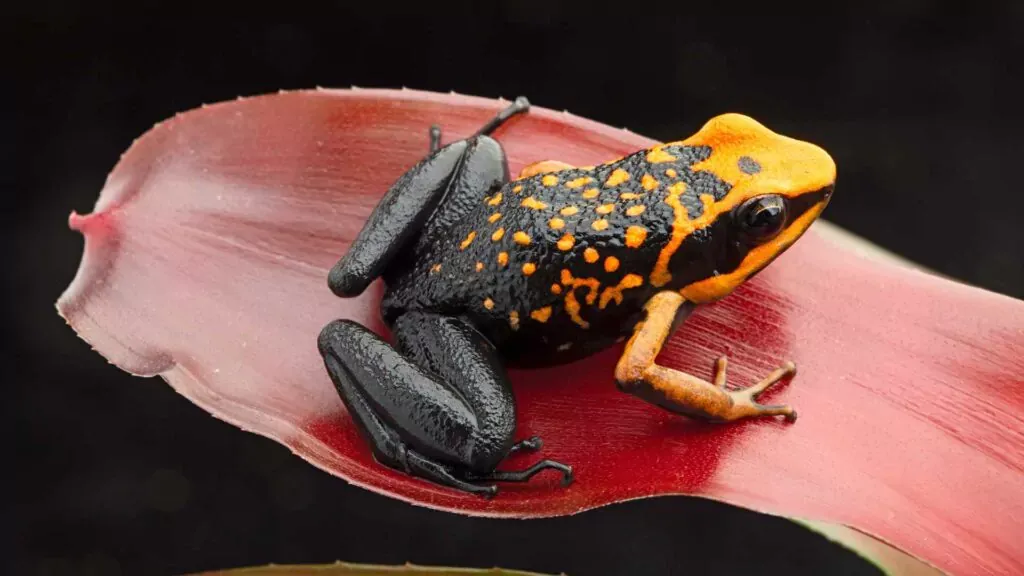
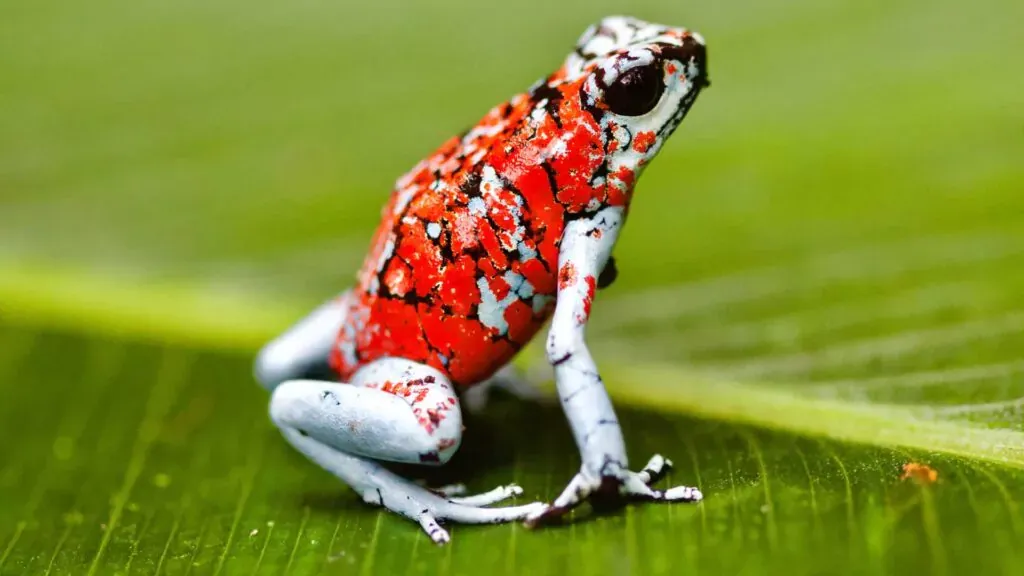
Nestled deep within the Amazon rainforest, these extraordinary creatures serve as both ecological sentinels and key players in maintaining the delicate rainforest ecosystem. By controlling insect populations, they support balance within their habitats, while their vibrant palette and intriguing behavior draw the attention of scientists, photographers, and wildlife enthusiasts. However, their existence faces growing peril from habitat destruction, climate change, and the illegal wildlife trade, making their conservation not just a matter of ecological importance but a race against time.
As we explore the fascinating worlds of poison dart frogs—from their dazzling displays of aposematic coloration to their toxic defenses, unique parenting strategies, and the challenges threatening their survival—we uncover not only their ecological significance but also the broader story of what these tiny creatures can teach us about preserving nature’s most intricate ecosystems.
The Power of Color: Aposematic Signaling in Poison Dart Frogs
The vivid hues of Amazon poison dart frogs—radiant yellows, electric blues, fiery reds, and striking oranges—are more than just visual spectacle; they are nature’s warning signs. These vibrant colors are an example of aposematic coloration, an evolutionary defense mechanism that signals predators to stay away. Amid the lush green of the Amazon rainforest, where predators like snakes, birds, and larger amphibians hunt primarily through sight, these hues function as a vital survival strategy.
Research has demonstrated a strong correlation between poison dart frogs’ striking colors and their toxicity. Species such as Dendrobates tinctorius, commonly known as the dyeing dart frog, and Phyllobates terribilis, the notorious golden poison frog, produce potent alkaloid toxins in their skin. These substances can cause paralysis or death upon contact, effectively deterring potential predators. Interestingly, even inexperienced predators, such as young birds lacking prior exposure, instinctively avoid attacking these frogs, relying on evolutionary hardwiring to avoid danger.
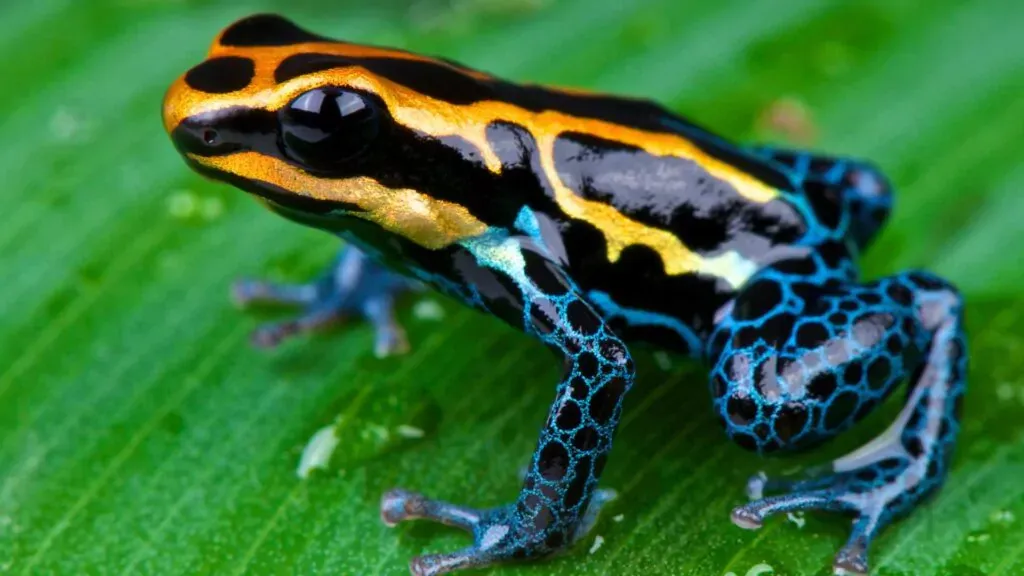
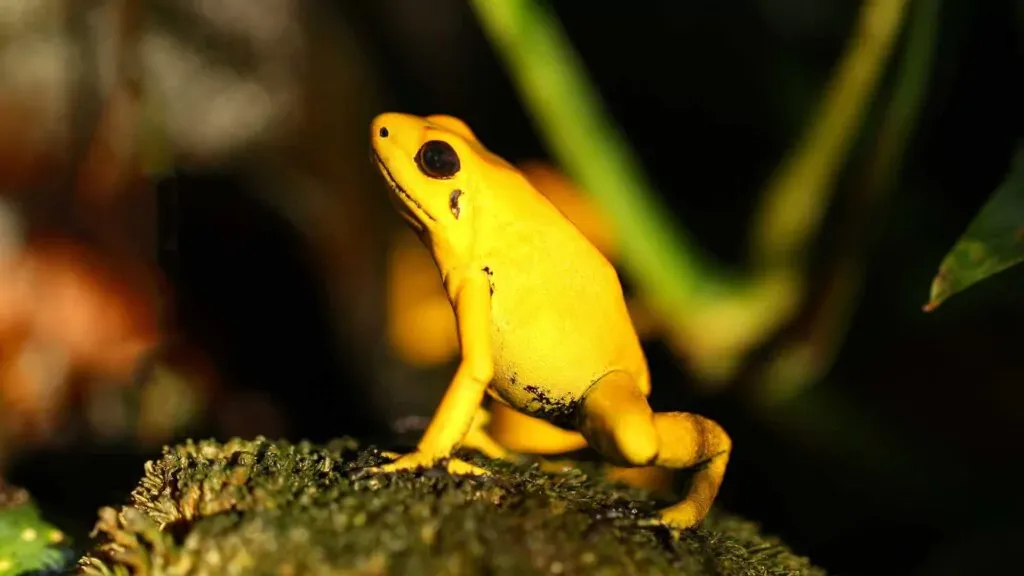
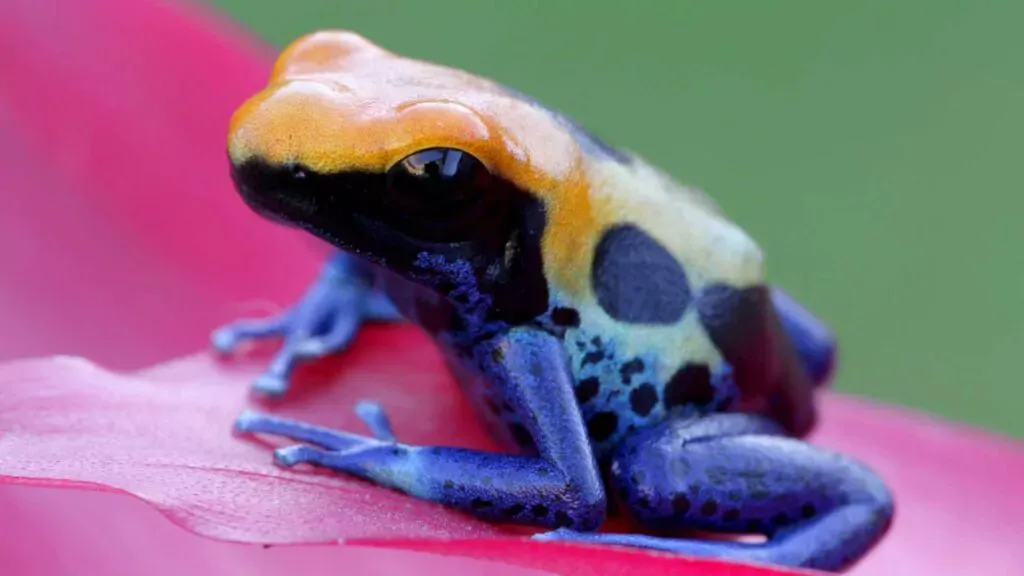
The intensity and design of these visual warnings vary based on the species and their specific environments. For example, Ranitomeya amazonica maintains a more subdued display of intricate blue-and-black patterns, balancing its need to warn predators while blending into its surroundings. Such variations in coloration underline the intricate ways these frogs adapt to different ecological niches.
Their vibrant warning signs lead to another compelling question: where does their lethal chemical arsenal originate? This inquiry invites us to uncover the fascinating relationship between poison dart frogs’ diet and their chemical defenses.
How Do Poison Dart Frogs Get Their Toxins?
Despite their reputation for being among the most toxic creatures on Earth, poison dart frogs do not actually produce their own toxins. Instead, the secret lies in their diet. These frogs feed primarily on ants, mites, and other small invertebrates native to their Amazon habitats. These prey species contain alkaloid compounds, which the frogs metabolize and store in their skin, building a biochemical shield against predators. This dependency on specific prey demonstrates a remarkable ecological connection between the frogs and their environment.
The level of toxicity in poison dart frogs varies widely depending on species, diet, and geographic location. For instance, Phyllobates terribilis harbors batrachotoxin, a chemical so powerful that a single frog can carry enough to kill approximately 20,000 mice. On the other hand, smaller species like Ranitomeya ventrimaculata, while still toxic, possess lower levels of chemical potency. The striking colors of these less toxic frogs often act as a bluff, deterring predators even when their chemical defense might be insufficient to cause harm.
Interestingly, poison dart frogs raised in captivity lose their toxicity when fed non-toxic diets, highlighting the critical role of their natural environments. This insight not only aids in understanding their ecological relationships but also raises compelling questions about how habitat loss could impact both their survival and their chemical adaptations over time.
The frogs’ ability to create a lethal arsenal from their diet underscores the complexity of rainforest ecosystems. But beyond their colors and toxins, another remarkable adaptation of poison dart frogs is their intricate parental care strategies.
Parental Care and Life Cycle: A Unique Survival Strategy
In contrast to most amphibians, which often abandon their eggs to the whims of nature, Amazon poison dart frogs exhibit some of the most sophisticated parental care in the animal kingdom. This remarkable behavior ensures their offspring’s survival in an ecosystem teeming with challenges.
For example, species like Ranitomeya imitator, a tiny yet highly attentive dart frog, exemplify this exceptional care. After laying their eggs on moist forest floors or within leaf litter, adult frogs vigilantly guard them, shielding the eggs from dehydration and predators. However, the story of their care does not end there.
Once the eggs hatch, male poison dart frogs transport the tadpoles on their backs to water-filled bromeliads—small plants that serve as natural reservoirs. These bromeliads act as miniature nurseries, safeguarding the tadpoles by providing a predator-free aquatic environment. In some species, such as Oophaga pumilio, mothers return to the bromeliads to feed their developing offspring with unfertilized eggs, providing essential nutrients for their growth.
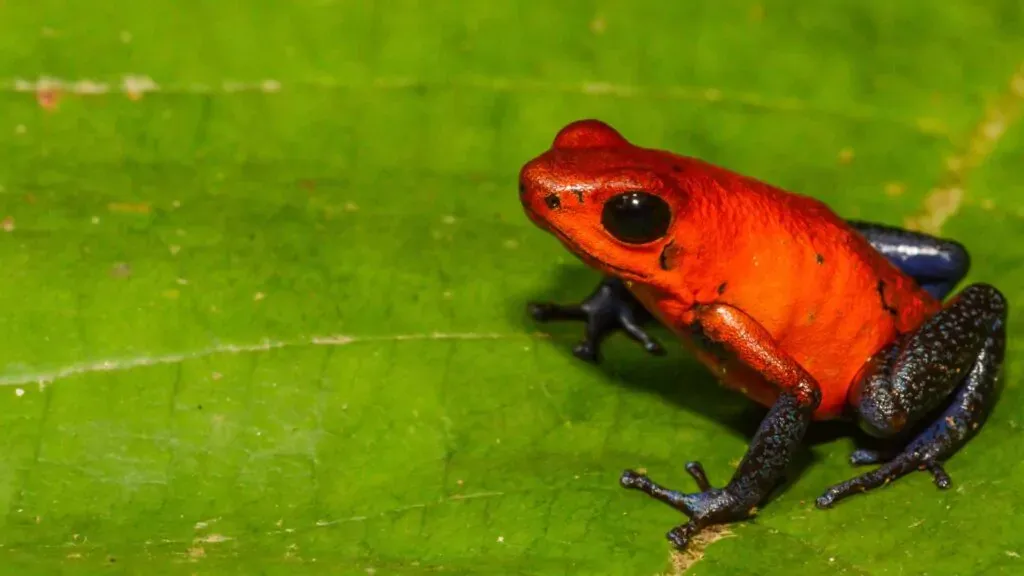
This extraordinary level of parental investment highlights their evolutionary adaptability and intelligence, elevating them far above the typical perception of amphibians as solely instinct-driven creatures. But despite their creative survival strategies, poison dart frogs face increasing threats that test even their remarkable adaptability.
Threats Facing Amazon Poison Dart Frogs
The survival of Amazon poison dart frogs is precarious due to a confluence of human-driven threats. Rapid deforestation in regions like Brazil und Peru continues to decimate vast areas of the rainforest, destroying critical habitats and forcing frog populations into ever-shrinking pockets of wilderness. Habitat fragmentation not only isolates populations, limiting genetic diversity, but also jeopardizes essential breeding sites, such as bromeliads.
Changing climatic conditions further amplify these challenges. Shifts in rainfall patterns, rising temperatures, and increased occurrences of extreme weather disrupt the finely tuned ecosystems poison dart frogs rely on. For species whose survival hinges on specific temperature and humidity ranges, these environmental changes amount to a race against extinction.
Additionally, the illegal pet trade has emerged as a grave threat. The eye-catching colors of frogs like Dendrobates auratus und Ranitomeya amazonica make them particularly sought after by collectors, often resulting in the removal of wild individuals and weakening local population stability. While legal, regulated captive breeding programs exist, demand for illegally acquired specimens continues to strain wild populations.
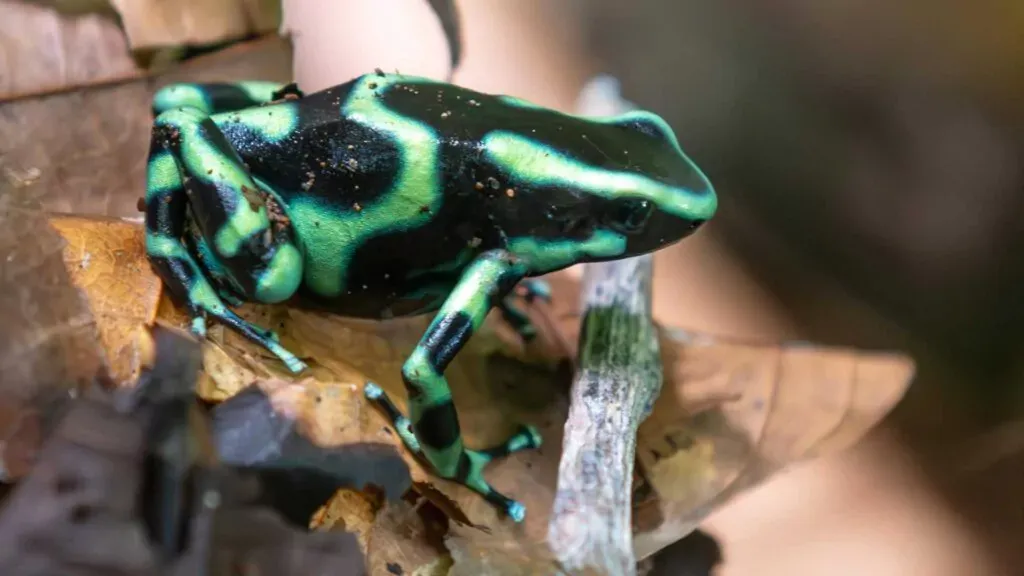
These escalating dangers emphasize the need for focused conservation efforts to protect these vibrant ambassadors of the Amazon rainforest. The good news? There are actionable steps that researchers, conservationists, and everyday individuals can take to make a difference.
Protecting Amazon Poison Dart Frogs: Steps Toward Conservation
To secure the future of Amazon poison dart frogs, addressing habitat destruction and environmental degradation must take precedence. Sustainable tourism also plays a key role in raising awareness. Visitors exploring the Amazon can support responsible eco-tourism by hiring local guides, respecting wildlife habitats, and avoiding behaviors that disturb frogs or their ecosystems. By opting for tools like high-quality zoom lenses, wildlife enthusiasts can capture stunning images without jeopardizing the animals’ safety.
Moreover, curbing the illegal pet trade is critical. Aspiring pet owners should prioritize frogs sourced exclusively from ethical captive-breeding programs while avoiding vendors engaging in unethical practices. Education campaigns aimed at raising public awareness about the ecological importance of poison dart frogs can help to reduce demand for wild-caught specimens.
Finally, highlighting the interconnected nature of rainforest biodiversity is essential for driving global conservation efforts. Poison dart frogs, with their vivid hues and unparalleled ecological roles, are emblematic of the Amazon’s complexity. Efforts to protect them ripple outward, benefiting an entire web of life reliant on these ecosystems.
Abschließende Gedanken
Poison dart frogs are extraordinary proof of nature’s brilliance, showcasing how evolution balances beauty, danger, and intelligence in a single species. From their dazzling aposematic displays to the potent chemical defenses derived from their diet, and their unparalleled parental care strategies, these amphibians symbolize both the wonders of biodiversity and the fragility of life in the Amazon rainforest.
Facing threats from deforestation, climate change, and the illegal pet trade, poison dart frogs challenge us to reflect on our role in preserving Earth’s intricate ecosystems. By supporting habitat preservation, promoting ethical wildlife practices, and educating others about their ecological importance, we can ensure these remarkable creatures continue to thrive. Their survival is not just a measure of biodiversity but a testament to humanity’s commitment to safeguarding the natural world. Protecting poison dart frogs is about more than saving a species—it’s about preserving the Amazon rainforest, one of the planet’s most vital and awe-inspiring ecosystems.